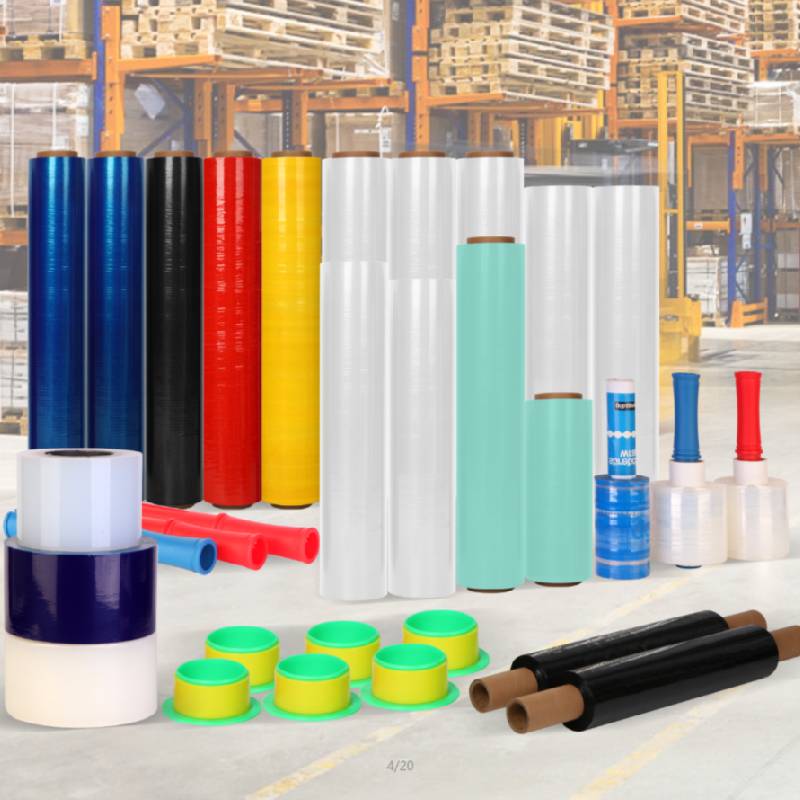
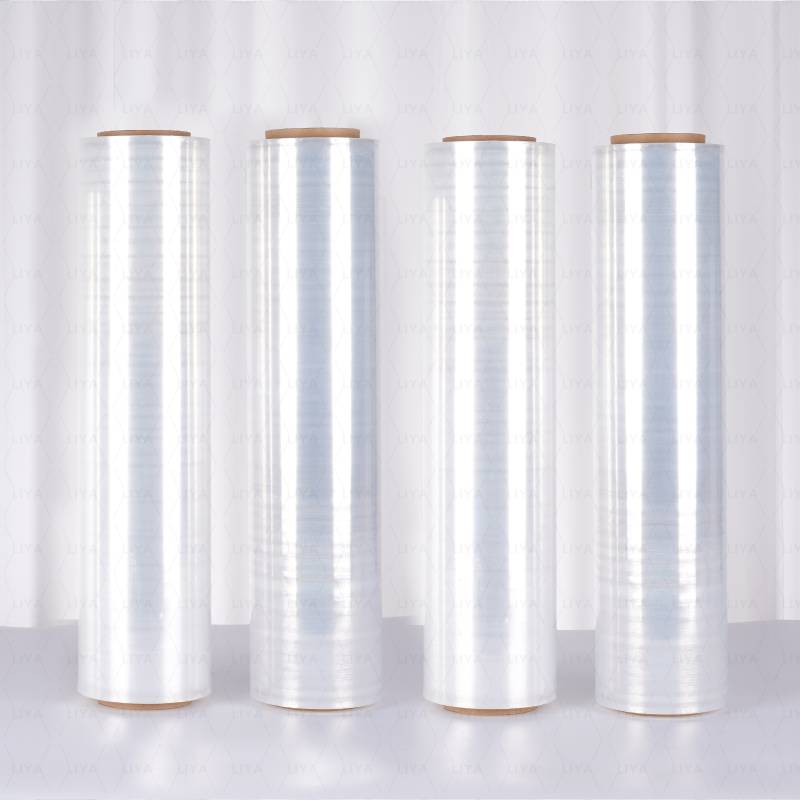
Buy Parcel Bags and High Performance PVC Cling Film for Food
When sourcing food-grade wrapping solutions, procurement managers often face a trade-off between adhesive strength and material safety. High-performance PVC cling film addresses this challenge by providing an airtight seal that prevents oxidation and moisture loss, significantly extending the shelf life of fresh produce and perishables. For commercial kitchens, hotels, and grocery distributors, selecting a wrap that is BPA-free and devoid of plasticizers is no longer optional—it is a critical safety requirement to ensure non-toxic food preservation.
The effectiveness of food preservation depends on the film's tensile strength and its ability to adhere firmly to various container surfaces without tearing. By utilizing advanced polymer extrusion, modern cling films offer high toughness, making them resistant to punctures even when wrapping seafood or sharp-edged food items. This technical balance ensures that items remain secure during transport and storage, reducing waste and maintaining product quality from the warehouse to the end consumer.

Technical Properties of BPA-Free PVC Cling Film for Commercial Food Storage
PVC cling film is engineered for high clingability and transparency, allowing for immediate visual inspection of the contents while maintaining a strict barrier against external contaminants. The primary technical advantage of this material lies in its strong tensile strength, which prevents the film from snapping during the stretching process. This ensures a tight, wrinkle-free wrap around bowls, trays, and irregular containers, which is essential for preventing leaks in professional catering environments.
Safety is paramount in food-contact materials. The exclusion of plasticizers and BPA ensures that no harmful chemicals migrate into the food, making it an environmentally friendly and safe alternative for long-term refrigeration. Furthermore, the moisture-proof nature of the film inhibits the growth of bacteria and mold by limiting oxygen exposure, which is critical for maintaining the nutritional value and freshness of vegetables and fruits over extended periods.
- High Toughness: Resistant to punctures and breakage during high-volume wrapping.
- Superior Adhesion: Secure seal on various materials including plastic, glass, and stainless steel.
- Optical Clarity: Maximum transparency for easy product identification and branding.
- Thermal Stability: Suitable for use in refrigerator and microwave oven environments.

Application Scenarios Across the Hospitality and Food Service Industry
In the restaurant and hotel sector, efficiency in food prep is key. Cling film is utilized not only for storage but also for preparing "mise en place," where ingredients are prepped and sealed to maintain freshness. The ability of the film to withstand the temperature fluctuations of a commercial refrigerator makes it indispensable for bulk storage of seafood and delicate proteins that require strict temperature control to avoid spoilage.
Beyond the kitchen, grocery stores and take-away services rely on these films for appealing product presentation. A secure, transparent wrap protects the product from dust and handling while showcasing the freshness of the food to the customer. For businesses looking to buy parcel bags or other packaging supplies, integrating a high-quality stretch film into their logistics chain ensures that food containers are stabilized and protected during the last-mile delivery process.
The versatility of PVC cling film extends to household use, where it serves as a convenient tool for leftover preservation. Its adaptability to different shapes allows users to cover everything from small cups to large catering platters, ensuring a leak-proof seal that prevents odors from spreading within the refrigerator.
Evaluating Supplier Capabilities for High-Volume Plastic Packaging Procurement
When selecting a manufacturing partner for plastic packaging, buyers must look beyond the price per roll and evaluate the technical infrastructure of the supplier. A reliable manufacturer should possess advanced production and testing equipment to ensure consistency in film thickness and cling strength. Variance in thickness can lead to premature tearing or poor adhesion, both of which increase operational waste and risk food contamination.
Quality assurance certifications and the ability to provide customized specifications are hallmarks of a professional supplier. Customization might include specific roll lengths, widths, or the addition of specialized printing for brand identification. Furthermore, a supplier with decades of experience in the plastic packaging industry, such as those specializing in three-layer co-extruded PE or cast CPP films, brings a deeper understanding of polymer science to the table, ensuring the product meets international safety standards.
Timely delivery and a stable supply chain are equally critical. In the fast-paced food industry, a shortage of wrapping materials can halt production lines. Therefore, partnering with a company that has a large-scale production facility and a proven track record of on-time delivery is essential for maintaining operational continuity.
Comparison of Cling Film Performance by Application Requirement
| Application Area | Required Feature | Material Suitability | Performance Level |
|---|---|---|---|
| Fine Dining Kitchens | High Transparency | PVC Cling Film | Optimal |
| Grocery Retail | Puncture Resistance | Reinforced PVC | High |
| Cold Chain Logistics | Moisture Barrier | BPA-Free PVC | High |
| Household Storage | Ease of Use | Standard Cling Film | Suitable |
| Industrial Catering | High Tensile Strength | Industrial Grade PVC | Optimal |
Strategic Selection Criteria for Durable and Safe Food Wrapping Materials
The process of selecting the right cling film requires a detailed analysis of the specific food items being wrapped. For instance, high-fat foods may require a film with specific chemical resistance to prevent the wrap from loosening. Meanwhile, highly acidic foods necessitate a non-reactive material like BPA-free PVC to ensure that no flavor alteration occurs during the preservation period.
Buyers should also consider the operational environment. In high-humidity kitchens, the adhesive properties of the film are tested; a superior product will maintain its grip even when the container surface is slightly damp. Evaluating the "stretch-to-break" ratio is another technical step that distinguishes premium industrial films from low-grade alternatives, as higher elasticity allows for more coverage per roll, ultimately reducing the cost per unit of wrapped product.
Finally, environmental impact is becoming a primary driver in procurement. The shift toward eco-friendly kitchen accessories means that manufacturers who implement waste-reduction processes in their 50,000 square meter facilities are preferred. Integrating biodegradable options or recyclable PVC materials helps companies meet their corporate sustainability goals without sacrificing the protective quality of the packaging.
Future Trends in Plastic Packaging and Food Preservation Technology
The plastic packaging industry is moving toward "smart packaging," where films may eventually incorporate sensors to indicate the freshness of the food based on gas emission levels. While current PVC cling films focus on the physical barrier, the next generation of materials will likely combine antimicrobial properties with high transparency to further extend the shelf life of organic produce without the need for chemical preservatives.
Additionally, there is a growing demand for specialized films tailored to specific dietary trends, such as vacuum-compatible wraps for sous-vide cooking. As professional kitchens adopt more precise cooking techniques, the requirement for films that can withstand higher temperatures while remaining non-toxic is increasing. This evolution is driving manufacturers to invest more in R&D, focusing on utility model patents that improve the elasticity and heat resistance of the film.
For procurement officers, the key will be finding a balance between these emerging technologies and the proven reliability of traditional cling films. By maintaining a relationship with a versatile manufacturer capable of producing everything from stretch films to biodegradable bags, businesses can pivot their packaging strategy quickly as market demands and environmental regulations evolve.
Common Technical Questions Regarding Professional Cling Film
Is your PVC cling film safe for direct contact with all food types?
Yes, our PVC cling film is BPA-free and produced without plasticizers, ensuring it is non-toxic and safe for wrapping seafood, fruits, vegetables, and other delicate food items.
How does the tensile strength of this film benefit commercial users?
High tensile strength means the film is durable and resistant to punctures or accidental tears, which is essential for wrapping items with irregular shapes or sharp edges in a fast-paced kitchen.
Can this cling film be used in microwave ovens?
Our film is designed to be suitable for refrigerator and microwave oven use for food preservation and reheating, provided it is used according to standard safety guidelines.
What makes the "perfect stickiness" important for food containers?
Optimal stickiness ensures a secure, airtight seal around cups or trays, which prevents leaks and protects the food from oxygen and contaminants, thereby maintaining freshness.
Do you offer customized specifications for large-scale orders?
Yes, we provide customization based on your specific requirements for logo, dimensions, and technical specifications to fit your particular industry use case.
How does the film help in reducing food waste?
By creating a moisture-proof and airtight barrier, the film prevents vegetables and fruits from drying out and slows down the oxidation process, keeping food fresh for longer periods.
Industry Standards and Technical References
- FDA Guidelines on Food Contact Substances
- ISO Standards for Plastic Packaging Quality Management
- Global Plastic Packaging Sustainability Framework
- ASTM International Standards for Polymer Tensile Testing
Selecting the right food preservation film is a critical decision that impacts both food safety and operational costs. By focusing on material purity, tensile strength, and supplier reliability, businesses can ensure their products remain fresh and their operations remain efficient.
Related Packaging Solutions and Insights