Bags for Mailing Packages – Durable, Secure & Eco-Friendly Mail Solutions
Bags for Mailing Packages: Essential Solutions in a Globalized World
In an age marked by booming e-commerce and ever-expanding global communication, bags for mailing packages are more than just simple containers. They’ve become vital in ensuring that parcels reach their destinations safely, efficiently, and sustainably. Whether it’s a small handmade item shipped across continents or important documents dispatched locally, postal bags fundamentally support the global supply chain. Understanding their role not only highlights logistical ingenuity but also paves the way for innovations that align with environmental and economic goals.
Introduction: Why Bags for Mailing Packages Matter Globally
Globally, the parcel delivery market was valued at over $400 billion in 2023 and continues to grow exponentially, driven largely by online shopping and cross-border trade. According to the United Nations, reliable postal services underpin economic development, especially in rural and underserved regions.
However, challenges arise—like package theft, damage, and increasing environmental concerns tied to packaging waste. Here, bags designed specifically for mailing packages step up as important solutions to safeguard shipments and reduce carbon footprints.
What Are Bags for Mailing Packages?
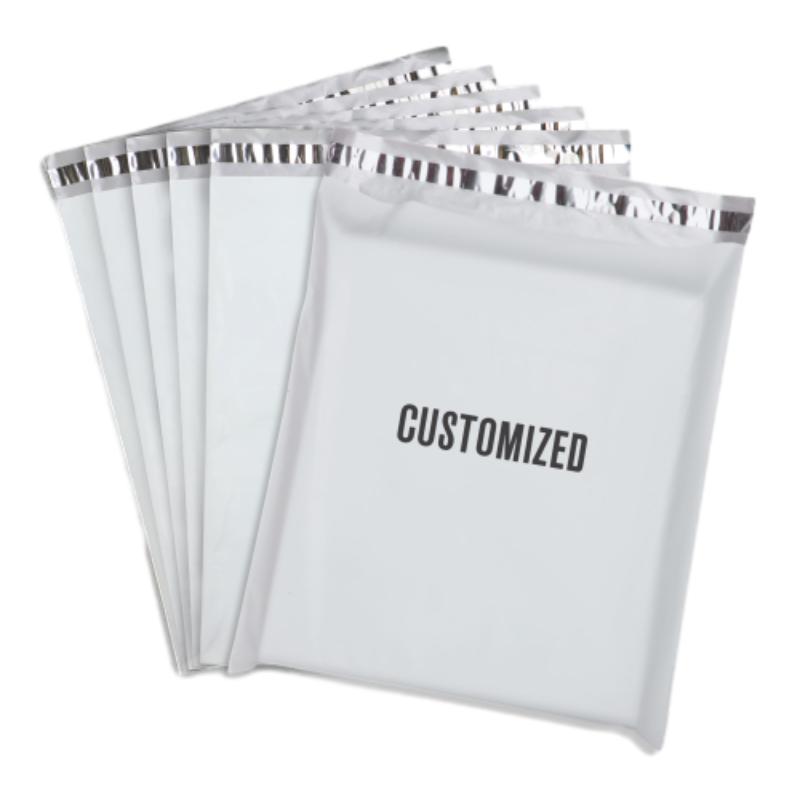
Simply put, these are specialized bags crafted to ship, protect, and sometimes track parcels during transit. Unlike ordinary plastic bags, mailing bags typically incorporate features like durability, tamper resistance, moisture protection, and sometimes even biodegradability. Their connection to modern industry extends beyond convenience; they’re critical in logistics hubs, humanitarian aid distribution, and retail mail order.
Key Factors Shaping Mailing Bags' Practicality
Durability
Nobody wants a soggy or torn package. Durability stands as the foremost concern—materials like polyethylene or reinforced kraft paper ensure packages survive rough handling. Oddly enough, even a small tear can lead to lost contents or customer distrust.
Security Features
Security is another top priority. Tamper-evident seals, reinforced glues, or even RFID tags are common to prevent interference. These features not only protect sender and recipient but also build confidence in parcel delivery systems.
Cost Efficiency
Since millions of packages traverse the globe daily, cost per unit matters a lot. Manufacturers balance material quality with affordability, aiming for packaging that doesn’t spike expenses but still performs strongly.
Sustainability
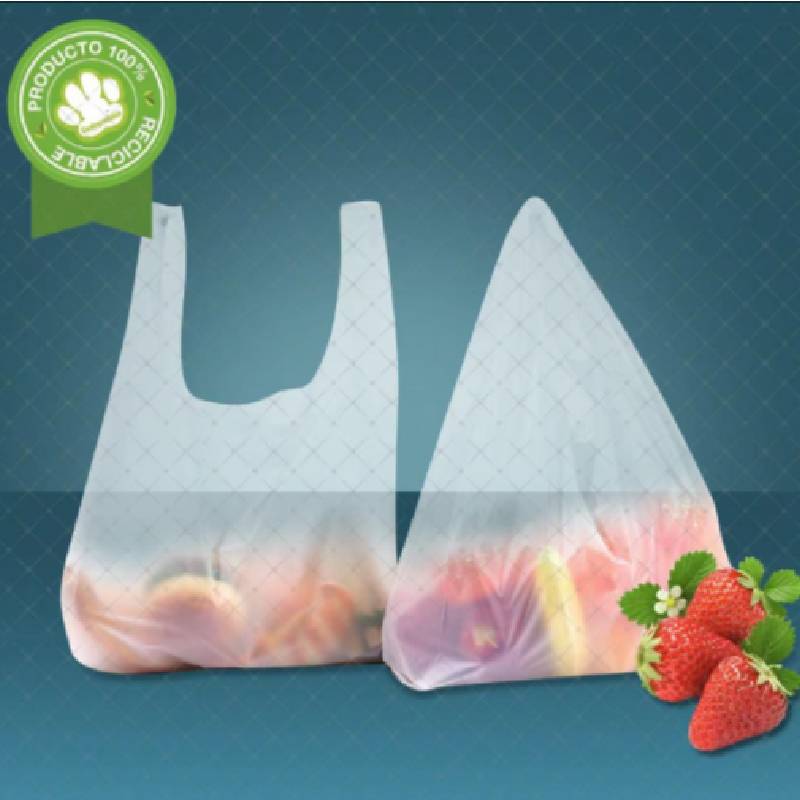
Committing to greener alternatives is no longer optional. Many producers now offer biodegradable or recyclable mailing bags that meet ISO environmental standards.
Customization & Branding
Brands often opt for printed mailing bags that double as marketing platforms. From simple logos to unique designs, these bags can enhance brand identity during the customer’s unboxing experience.
Practical Applications Around the World
- In developing countries, NGOs employ sturdy mailing bags to distribute relief supplies rapidly and protect essentials from harsh weather.
- Retail giants in North America and Europe rely on mail bags engineered to optimize space within delivery vehicles, cutting transportation costs and emissions.
- In regions with fragile infrastructure, like parts of Africa or Southeast Asia, durable packaging reduces wastage, ensuring more goods arrive intact.
In post-disaster relief operations, the robustness of mailing bags can literally mean the difference between vital medicines reaching people or spoiling en route.
Mini Takeaway
Bags for mailing packages are multifunctional heroes—silent workers that hold together billions of exchanges worldwide, blending toughness, security, and environmental consciousness.
Product Specification Snapshot
| Feature | Standard Mailing Bag | Eco-Friendly Option |
|---|---|---|
| Material | Polyethylene, thickness 50 microns | Biodegradable PLA film, thickness 60 microns |
| Dimensions | 30 x 40 cm (standard medium) | 30 x 40 cm |
| Tamper-Evident Seal | Yes, peel-and-seal strip | Yes, peel-and-seal strip with jam-free liner |
| Durability | Medium tensile strength | Slightly lower tensile strength; compensated by bio-layer technology |
| Recyclability | Widely recyclable | Compostable in industrial facilities |
Comparing Top Vendors of Mailing Bags
| Vendor | Materials Options | Customization | Sustainability | Pricing |
|---|---|---|---|---|
| Liya Bio Bag | PLA biofilms, compostable kraft paper | Full branding & size flexibility | 100% compostable, certified | Competitive mid-range |
| EcoPack Solutions | Recycled polyethylene blends | Standard logos & limited sizes | Mostly recyclable, limited compostability | Higher end |
| SwiftMail Packaging | Polyethylene standard only | No customization | Limited sustainability efforts | Lowest cost |
Advantages & Long-Term Value of Mailing Bags
Reliability and environmental responsibility aren’t mutually exclusive in modern mailing bags. The ability to be cost-effective while ensuring package integrity makes them economically sound investments. Their sustainable variants reduce landfill burden and appeal to eco-conscious consumers — a big plus for retailers focused on brand trust.
From an emotional standpoint, a secure package conveys respect to the recipient. It’s the unspoken promise that their order matters. Frankly, in a world where last-mile delivery problems often annoy customers, these bags help smooth out the final touchdown.
Future Trends & Innovations
- Smart Packaging Integration: RFID and NFC chips embedded in mailing bags to track real time location and tampering.
- Material Science Advances: Development of stronger biodegradable composites that rival plastics in durability.
- Policy Shifts: Governments increasingly mandate recyclable or compostable packaging in postal systems.
- Automation Friendly Designs: Bags engineered for compatibility with automated sorting and packing systems.
Challenges & Solutions in Mailing Bag Usage
Of course, mailing bags aren’t perfect. Cost barriers for eco-friendly options can discourage uptake in price-sensitive markets. Durability trade-offs in biodegradable materials remain technical hurdles. Plus, lack of infrastructure for composting or recycling limits environmental benefits in some regions.
Innovators are tackling these challenges by developing hybrid materials and pushing for global recycling standards. Partnerships between packaging vendors and delivery companies also boost education on proper disposal, integrating circular economy principles.
FAQ: Your Questions About Bags for Mailing Packages, Answered
- What materials are best for secure mailing bags?
- Polyethylene with tamper-evident seals is common and cost-effective. For a greener choice, PLA-based biodegradable materials offer good protection but may have slightly different handling needs.
- Can mailing bags be customized for brand promotion?
- Absolutely. Many vendors offer printing services on bags, enabling logos and unique designs that enhance brand visibility during parcel transit.
- How should mailing bags be disposed of sustainably?
- Check local recycling programs before disposing. Compostable bags should be handled through industrial composting facilities rather than home compost bins for best results.
- Are mailing bags reusable?
- Generally, mailing bags are designed for single use to guarantee security and tamper evidence. However, some materials and designs allow limited reuse in low-risk scenarios.
Conclusion: The Mail Bag’s Slow but Steady Journey to Greener Pastures
In sum, bags for mailing packages are quietly shaping how commerce and communication happen worldwide. Their evolution from plain plastic sacks to high-tech, eco-friendly safeguards demonstrates industry ingenuity and responsibility. If you want to explore tailored, sustainable options that suit your shipping needs, I warmly invite you to visit bags for mailing packages and discover solutions that balance security, cost, and environmental care.
Final thought: beneath every smooth delivery is a thoughtfully designed mailing bag doing its job — it’s the hidden hero of global trade.
-
Secure Shipping Guide with Poly Mailer Bubble Wrap SolutionsNewsApr.16,2026
-
Secure Shipping Guide for Using Durable Bubble Parcel BagsNewsApr.09,2026
-
Comprehensive Guide to Poly Mailer Bubble for Secure and Efficient ShippingNewsApr.07,2026
-
Elevate Your Brand with Custom Designer Bubble Mailers for Effective PackagingNewsApr.04,2026
-
Comprehensive Guide to Poly Mailers with Bubble Wrap for Secure ShippingNewsMar.31,2026
-
Comprehensive Guide to Large Bubble Poly Mailers for Secure and Efficient ShippingNewsMar.28,2026
-
Have the freedom of customizing your custom mailers any way you want! Our dedicated packaging support will help deliver you the mailing experience you need to elevate your shipping experience to the next level! Start making a strong impression on your customers and stand out from your competitors! -
LIYA uses high quality raw materials which directly purchased from large enterprises domestic and overseas such as PetroChina, Sinopec, Sabic, Equate, ExxonMobil, Dow Chemical, Total, and Borouge, ensuring the price advantage and quality of the raw materials. -
LIYA uses high quality raw materials which directly purchased from large enterprises domestic and overseas such as PetroChina, Sinopec, Sabic, Equate, ExxonMobil, Dow Chemical, Total, and Borouge, ensuring the price advantage and quality of the raw materials.
 English
  Arabic
  China
China  French
  Korean
  Russian
  Spanish