BOPP Pouch: Food-Grade, Crystal-Clear—Need Custom Sizes?
The Quiet Rise of the BOPP Pouch in Everyday Packaging
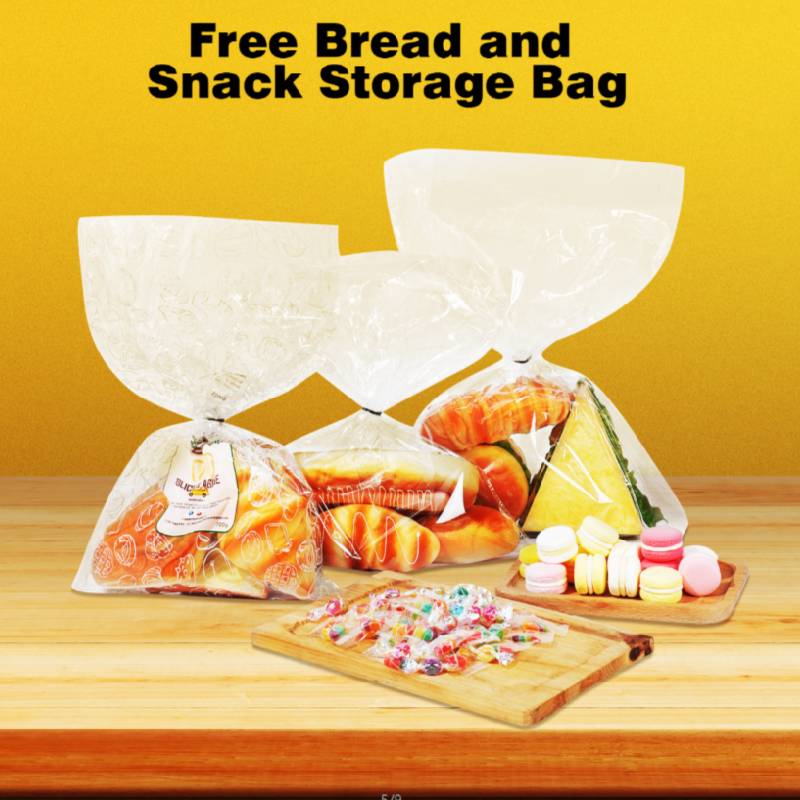
If you’ve browsed a bakery aisle lately, you’ve seen it: crystal-clear, crinkle-smooth bags that make loaves and cookies look like, well, themselves. That’s a bopp pouch—and it’s become the quiet standard for bread, sandwiches, snacks, stationery, and even lightweight apparel. To be honest, the shift toward premium clarity and food-safe handling has been brewing for years; 2024 just made it obvious.
What’s special—and why brands care
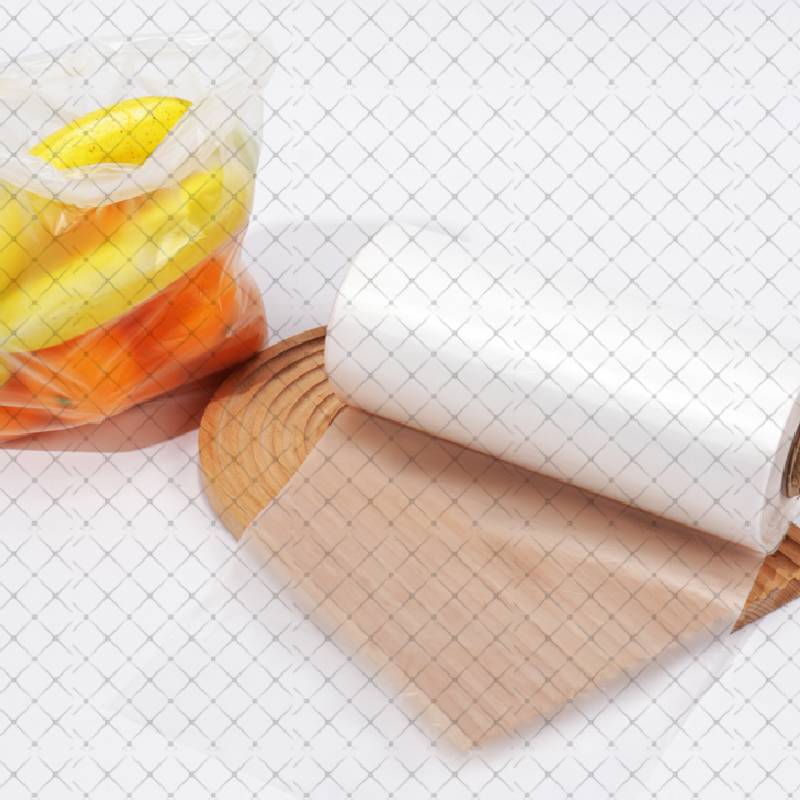
BOPP (biaxially oriented polypropylene) delivers high gloss, stiffness, and great moisture resistance. Many customers say it’s the “shop-window” of flexible packaging: bright, clean, and protective. LIYA’s Self-Adhesive Transparent Bag (aka “Bopp Bag/bread,sandwiches,loaf Bag/snack Storage Bag/self Adhesive Transparent Bag”) is made in Plastic Packing Park, Xiongxian, Baoding, Hebei, China 071800, leveraging resins sourced from major producers like PetroChina, Sinopec, Sabic, Equate, ExxonMobil, Dow, Total, and Borouge—so the supply chain is, surprisingly, both consistent and price-stable.
Typical product specifications (lab vs. real-world)
| Film type | Oriented PP (BOPP), corona-treated |
| Thickness options | 20–40 μm (≈25–30 μm common for bakery) |
| Clarity/Haze | High gloss; haze ≈1–3% (ASTM D1003) |
| Tensile strength | MD ≈120–200 MPa; TD ≈200–350 MPa (ASTM D882) |
| WVTR | ≈1–3 g/m²·day @38°C/90%RH (good moisture barrier) |
| OTR | High (not for oxygen-sensitive goods without layering) |
| Closure | Self-adhesive flap; optional reseal |
| Printing | Gravure/Flexo up to 8 colors; food-contact inks available |
Note: Values are indicative; real-world use may vary by gauge, formulation, and climate.
Process flow, testing, and service life
- Materials: PP resins from tier-1 suppliers; slip/antistatic/fog modifiers as needed.
- Methods: Film extrusion → biaxial orientation → surface treatment → printing (optional) → bag-making → self-adhesive flap application.
- Testing: Tensile (ASTM D882), dart impact (ASTM D1709), seal strength (ASTM F88), CoF (ASTM D1894), migration/overall compliance for food contact (FDA 21 CFR 177.1520, EU 10/2011, GB 4806.7).
- Service life: Typically 12–24 months in dry storage,
- Certifications (on request): ISO 9001, ISO 22000, BRCGS Packaging Materials; food-contact DoC available.
Where a bopp pouch shines
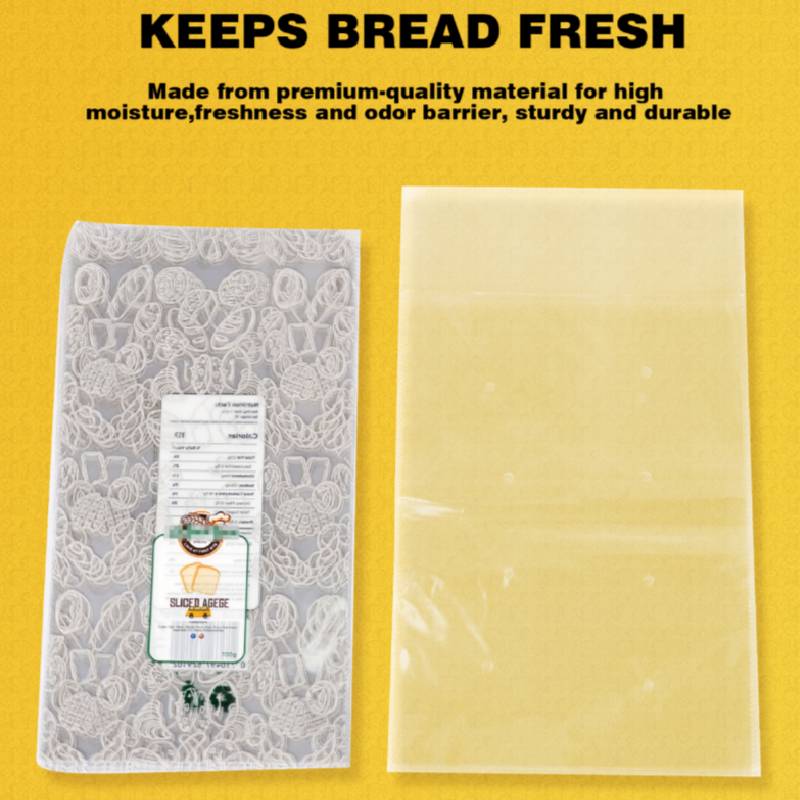
- Bakery: sliced loaves, baguettes, cookies; optional vent holes for crusty bread.
- Snacks & confectionery: dry items that benefit from crisp visibility.
- Fresh produce: herbs/greens with micro-perf for respiration.
- Non-food: stationery, greeting cards, textiles, e-commerce presentation.
Customization options
Sizes for baguette to bite-size packs; euro-slot headers; tear notches; hang holes; micro/macro perforation; anti-fog; tinted films; recyclable mono-material labels. For branding, many marketers now choose minimal ink coverage so the bopp pouch does the merchandising.
Vendor snapshot: LIYA vs. market alternatives
| Vendor | Lead time | Certs/Compliance | Customization | Indicative cost (10k) |
|---|---|---|---|---|
| LIYA (Hebei, China) | ≈2–4 weeks | Food-contact DoC; ISO/BRCGS available on request | High (size, flap, print, perforation) | Competitive, stable resin sourcing |
| Local converter (US/EU) | ≈1–3 weeks | Typically robust (ISO/BRCGS) | High; faster artwork cycles | Higher; quick-turn premiums |
| Generic importer | ≈4–7 weeks | Varies; check documentation | Medium | Low upfront; variable QC |
Field notes and quick case studies
- Regional bakery chain: switching to a bopp pouch with micro-perf cut staling complaints by ≈12% over 90 days (internal QA logs; seasonality factored).
- DTC snack startup: gravure-printed bopp pouch with reseal flap drove a reported +18% add-to-cart rate versus kraft bags, mainly due to on-site product visibility.
Customer feedback often mentions the “premium” feel and the tidy reseal—small details, but they matter on crowded shelves.
Compliance checklist (ask your vendor)
- Food-contact: FDA 21 CFR 177.1520, EU 10/2011, GB 4806.7/GB 9685 documentation.
- Migration/sensorial tests and lot traceability.
- Packaging plant certifications: ISO 22000 and/or BRCGS Packaging.
- Recyclability statement: PP mono-material; locality-dependent collection.
Sources and standards
- ASTM D882: Standard Test Method for Tensile Properties of Thin Plastic Sheeting — https://www.astm.org/d0882
- ASTM D1709: Standard Test Methods for Impact Resistance of Plastic Film by the Free-Falling Dart Method — https://www.astm.org/d1709
- FDA 21 CFR 177.1520 (Olefin polymers) — https://www.ecfr.gov/current/title-21/section-177.1520
- EU Regulation No 10/2011 on plastic materials and articles intended to come into contact with food — https://eur-lex.europa.eu/eli/reg/2011/10/oj
- GB 4806.7-2016 Food contact plastic materials and articles — http://openstd.samr.gov.cn (search: GB 4806.7)
- BRCGS Packaging Materials Standard — https://www.brcgs.com/our-standards/packaging-materials
- ISO 22000 Food safety management systems — https://www.iso.org/standard/65464.html
-
Secure Shipping Guide with Poly Mailer Bubble Wrap SolutionsNewsApr.16,2026
-
Secure Shipping Guide for Using Durable Bubble Parcel BagsNewsApr.09,2026
-
Comprehensive Guide to Poly Mailer Bubble for Secure and Efficient ShippingNewsApr.07,2026
-
Elevate Your Brand with Custom Designer Bubble Mailers for Effective PackagingNewsApr.04,2026
-
Comprehensive Guide to Poly Mailers with Bubble Wrap for Secure ShippingNewsMar.31,2026
-
Comprehensive Guide to Large Bubble Poly Mailers for Secure and Efficient ShippingNewsMar.28,2026
-
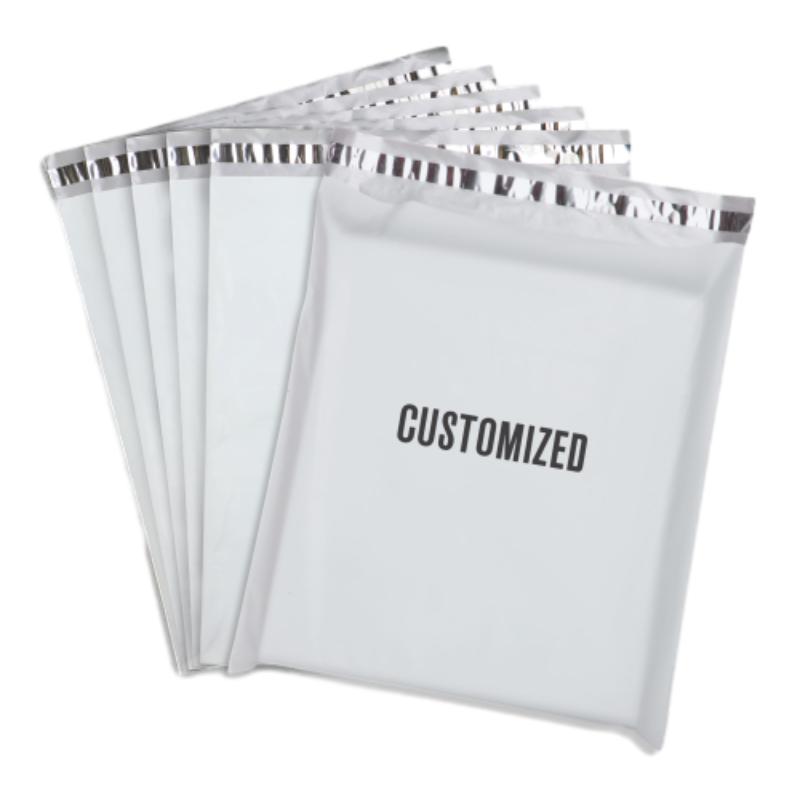
Have the freedom of customizing your custom mailers any way you want! Our dedicated packaging support will help deliver you the mailing experience you need to elevate your shipping experience to the next level! Start making a strong impression on your customers and stand out from your competitors! -
LIYA uses high quality raw materials which directly purchased from large enterprises domestic and overseas such as PetroChina, Sinopec, Sabic, Equate, ExxonMobil, Dow Chemical, Total, and Borouge, ensuring the price advantage and quality of the raw materials. -
LIYA uses high quality raw materials which directly purchased from large enterprises domestic and overseas such as PetroChina, Sinopec, Sabic, Equate, ExxonMobil, Dow Chemical, Total, and Borouge, ensuring the price advantage and quality of the raw materials.
 English
  Arabic
  China
China  French
  Korean
  Russian
  Spanish