Bubble Envelope Manufacturers: Quality & Innovation in Packaging
Bubble Envelope Manufacturers: A Closer Look at Quality and Innovation
Having spent well over a decade working closely with various industrial packaging suppliers, I’ve seen trends come and go. Yet, one product remains a quiet hero in the shipping world: bubble envelopes. Now, if you’re in the market for bubble envelopes from reputable manufacturers, it’s worth diving a little deeper than just price tags and minimum order quantities.
Bubble envelopes are deceptively simple. They’re often overlooked because, frankly, everyone thinks of them as “just padded mailers.” But here’s the thing — the quality of the bubble lining, the outer material, and the craftsmanship can make the difference between a damaged product and a delighted customer on the other end. In my experience, manufacturers who invest heavily in testing, especially under different temperature and humidity conditions, end up with a sturdier, more reliable product.
Speaking of craftsmanship, you might be surprised how much variation there is. Some manufacturers stick with basic polyethylene interiors, while others have moved towards eco-friendly, recyclable materials that don’t compromise on cushioning. Oddly enough, many engineers I work with say that these newer bio-based bubbles sometimes outperform the traditional kinds in long-distance shipments. That’s kind of exciting, don’t you think?
And it’s not just the materials. Size customization is where many bubble envelope manufacturers shine or fall flat. Frankly, if you can’t get padding tailored for your product sizes, you’re either wasting space or risking damage. I noticed one particular supplier offering a range of thicknesses and bubble sizes — from tiny bubbles for lightweight electronics to large bubbles suitable for delicate art prints.
| Parameter | Specification |
|---|---|
| Outer Material | Kraft paper or polyethylene film |
| Bubble Size | 6 mm, 10 mm, 15 mm diameters (custom sizes available) |
| Thickness | 2.0 - 3.5 mm typical |
| Closure Type | Self-adhesive strip, resealable options |
| Recyclability | Varies — traditional polyethylene up to biodegradable versions |
| Custom Printing | Available on request, minimum order quantities apply |
Now, if you're trying to pick the right partner, it’s really a balance. To help out, here’s a quick vendor comparison chart based on my experience with a few well-known manufacturers:
| Vendor | Material Quality | Customization | Sustainability Focus | Lead Times | Pricing |
|---|---|---|---|---|---|
| Liyabiobag | High-grade kraft & bio-bubble | Extensive (sizes & prints) | Strong focus on eco-friendly | 2-3 weeks typical | Competitive |
| Vendor B | Standard polyethylene | Limited size options | Low emphasis | 1-2 weeks | Lower |
| Vendor C | Mid-grade kraft | Moderate customization | Moderate | 3-4 weeks | Mid-level |
I recall one client from the electronics sector telling me how switching to a custom bubble envelope with a bio-based liner drastically cut down return rates due to damage. It was a small change with a big payoff. They also felt great marketing a greener packaging option — that’s the kind of win-win you hope for.
In real terms, purchasing bubble envelopes isn’t rocket science, but it benefits from a little industry insight. You want to balance durability, sustainability, lead times, and cost. And if you’re looking at bubble envelopes from trusted manufacturers, you'll find companies like Liyabiobag marrying innovation with reliability quite nicely.
For anyone in logistics, retail, or production, taking a few extra minutes to vet your bubble envelope supplier can save hours—and headaches—down the line.
Here’s to safer shipments and greener packaging!
References:
1. Industry Packaging Trends Report, 2023
2. Sustainable Materials Journal, Vol. 12
3. Personal correspondence with packaging engineers, 2022
-
Secure Shipping Guide with Poly Mailer Bubble Wrap SolutionsNewsApr.16,2026
-
Secure Shipping Guide for Using Durable Bubble Parcel BagsNewsApr.09,2026
-
Comprehensive Guide to Poly Mailer Bubble for Secure and Efficient ShippingNewsApr.07,2026
-
Elevate Your Brand with Custom Designer Bubble Mailers for Effective PackagingNewsApr.04,2026
-
Comprehensive Guide to Poly Mailers with Bubble Wrap for Secure ShippingNewsMar.31,2026
-
Comprehensive Guide to Large Bubble Poly Mailers for Secure and Efficient ShippingNewsMar.28,2026
-
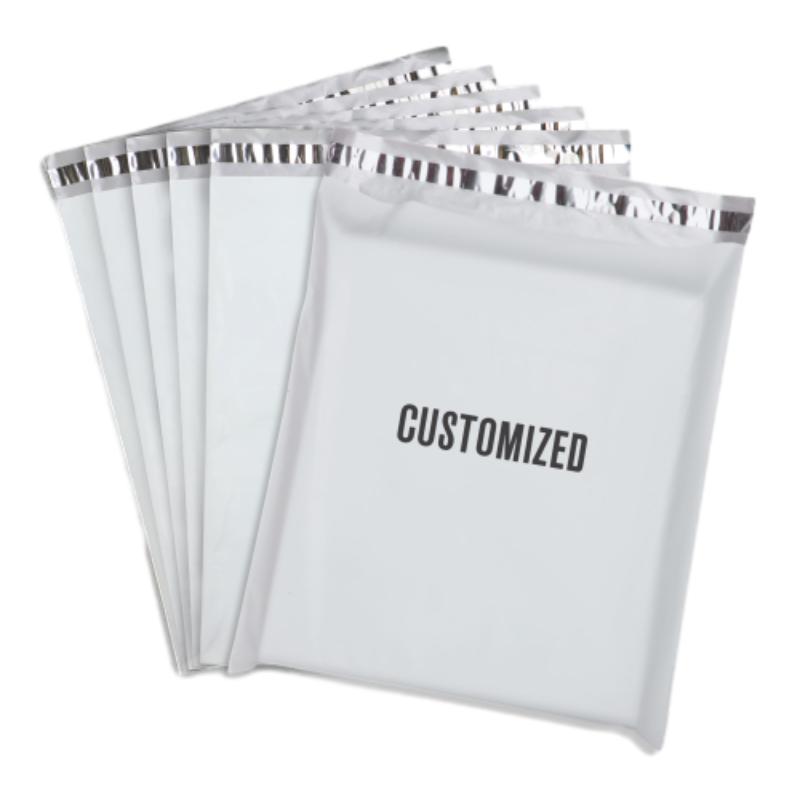
Have the freedom of customizing your custom mailers any way you want! Our dedicated packaging support will help deliver you the mailing experience you need to elevate your shipping experience to the next level! Start making a strong impression on your customers and stand out from your competitors! -
LIYA uses high quality raw materials which directly purchased from large enterprises domestic and overseas such as PetroChina, Sinopec, Sabic, Equate, ExxonMobil, Dow Chemical, Total, and Borouge, ensuring the price advantage and quality of the raw materials. -
LIYA uses high quality raw materials which directly purchased from large enterprises domestic and overseas such as PetroChina, Sinopec, Sabic, Equate, ExxonMobil, Dow Chemical, Total, and Borouge, ensuring the price advantage and quality of the raw materials.
 English
  Arabic
  China
China  French
  Korean
  Russian
  Spanish