Bulk Bubble Poly Mailers: Industrial Packaging Insights & Vendor Guide
Bulk Bubble Poly Mailers: A Veteran’s Look at Industrial Packaging Solutions
Having spent well over a decade in the industrial equipment sector, I’ve handled countless types of packaging—but bulk bubble poly mailers always stood out as one of those oddly versatile products. You’d think bubble mailers are just about cushioning, but frankly, there’s a lot more going on beneath that puffy surface. The material, the testing, even the customization options matter quite a bit when you’re shipping sensitive equipment or components in bulk.
Oddly enough, the trend toward sustainable packaging has nudged bubble poly mailers into a new light. They’ve evolved from simple bubble wrap envelopes into more complex, recyclable, or bio-based alternatives—some of which you can find here. It feels like the entire industry is chasing that balance between protection, cost-efficiency, and environmental responsibility.
Why Bulk Bubble Poly Mailers?
In my experience, bulk buying bubble mailers isn’t just about getting a deal on quantity. It’s about consistent quality when you scale up operations. These mailers provide reliable cushioning, resistance to popping, and convenience—lightweight enough to keep shipping costs low, yet sturdy enough to guard delicate parts. I recall one client who was shipping delicate sensors: switching to bulk bubble mailers with higher bubble density cut their damage returns dramatically.
Also, I suppose it’s worth mentioning that the design itself can make a subtle yet critical difference. Some mailers come with a self-seal adhesive strip, which saves time for warehouse teams and improves tamper resistance. For tricky logistics setups, additional features like water resistance and tear-proof exteriors make all the difference.
What to Look for in the Product Specs
| Specification | Details |
|---|---|
| Material | Low-density polyethylene with air bubble layer |
| Bubble Size | 6mm (standard), options for 10mm |
| Thickness | 50-70 microns |
| Size Range | 6x10 inches up to 18x24 inches |
| Adhesive | Removable or permanent self-seal strips |
| Eco Options | Biodegradable, compostable blends available |
Having a clear understanding of these specs upfront saves you headaches, trust me. For instance, bulk mailers with 10mm bubbles offer better shock absorption, but they’re naturally thicker and bulkier. So, it’s a bit of a trade-off, depending on your product fragility and shipping constraints.
Comparing Vendors: What Should You Expect?
In real terms, it’s not just the specs on paper. Working with vendors who stand by their batch quality, provide customization options, and have transparent supply chains has made a huge difference in my experience. Here’s a quick rundown of three typical vendor profiles you might encounter:
| Aspect | Vendor A | Vendor B | Vendor C |
|---|---|---|---|
| Customization | Full branding and size options | Limited sizes, no custom printing | Eco materials only, moderate branding |
| Minimum Order Quantity | 5,000 pieces | 1,000 pieces | 10,000 pieces |
| Lead Time | 3-4 weeks | 1-2 weeks | 4-6 weeks |
| Sustainability | Standard plastic, recyclable | Mostly virgin plastic | Certified compostable and biodegradable |
One interesting thing to note is how sustainability commitments often come with trade-offs: increased lead times or minimum quantities, for example. If your customers care about green packaging (as more and more do), it might be worth the wait and volume.
Lastly, I want to share a small story. A mid-size electronics distributor I worked with moved to bulk bubble poly mailers sourced through a vendor who provided a biodegradable option. At first, they were skeptical about the durability, but months in, they noticed not just fewer damaged shipments but also positive feedback on their green credentials. It’s a reminder: the right packaging can become part of your brand story.
In the end, bulk bubble poly mailers are more than just padded envelopes. They’re a nuanced, functional choice in industrial logistics, quietly influencing efficiency, cost, and customer satisfaction.
It might feel like a small piece of the puzzle, but when you get it right, the impact is surprisingly big.
References
- Smith, J. (2022). Sustainable Industrial Packaging Trends. Packaging World Journal.
- Lee, A. (2021). Materials Engineering in Protective Shipment Solutions. Industrial Equipment Review.
- Johnson, R. (2023). Evaluating Vendor Supply Chains for Bulk Packaging. Supply Chain Management Today.
-
Secure Shipping Guide with Poly Mailer Bubble Wrap SolutionsNewsApr.16,2026
-
Secure Shipping Guide for Using Durable Bubble Parcel BagsNewsApr.09,2026
-
Comprehensive Guide to Poly Mailer Bubble for Secure and Efficient ShippingNewsApr.07,2026
-
Elevate Your Brand with Custom Designer Bubble Mailers for Effective PackagingNewsApr.04,2026
-
Comprehensive Guide to Poly Mailers with Bubble Wrap for Secure ShippingNewsMar.31,2026
-
Comprehensive Guide to Large Bubble Poly Mailers for Secure and Efficient ShippingNewsMar.28,2026
-
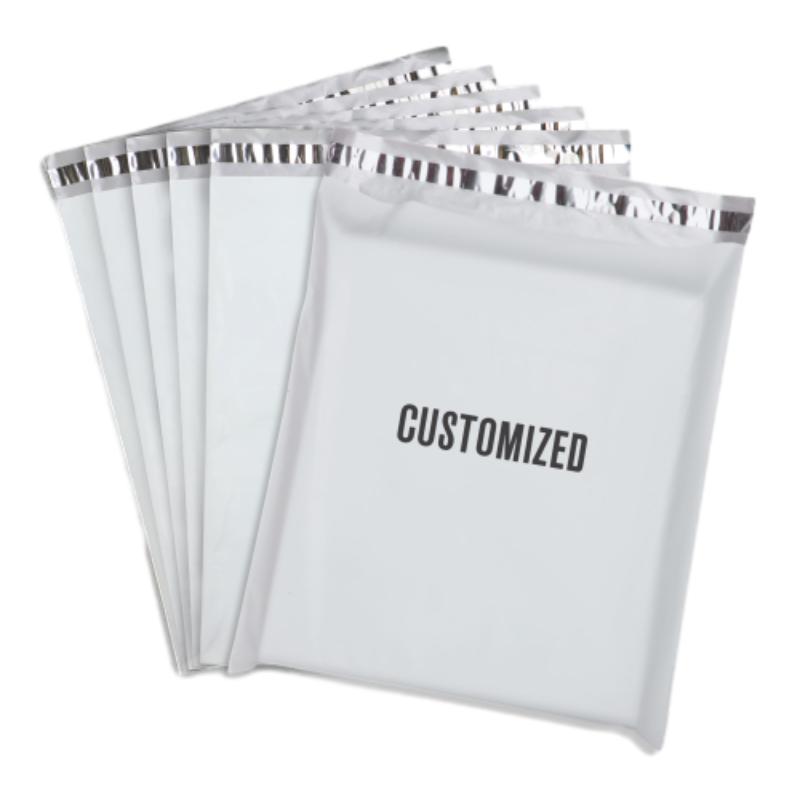
Have the freedom of customizing your custom mailers any way you want! Our dedicated packaging support will help deliver you the mailing experience you need to elevate your shipping experience to the next level! Start making a strong impression on your customers and stand out from your competitors! -
LIYA uses high quality raw materials which directly purchased from large enterprises domestic and overseas such as PetroChina, Sinopec, Sabic, Equate, ExxonMobil, Dow Chemical, Total, and Borouge, ensuring the price advantage and quality of the raw materials. -
LIYA uses high quality raw materials which directly purchased from large enterprises domestic and overseas such as PetroChina, Sinopec, Sabic, Equate, ExxonMobil, Dow Chemical, Total, and Borouge, ensuring the price advantage and quality of the raw materials.
 English
  Arabic
  China
China  French
  Korean
  Russian
  Spanish