Look, I’ve been running around construction sites for over a decade, and let me tell you, things are shifting. Everyone's talking about prefabrication now, modular builds…it's not just hype, you know? It’s because labor costs are through the roof, timelines are tighter, and honestly, nobody wants to deal with on-site weather delays anymore. That’s where good bulk shipping bags come in – you need to move components efficiently, protect them from the elements, and, frankly, keep things organized when you’ve got a hundred different subcontractors running around.
Have you noticed how many projects are going up in remote areas? Up in the mountains, out in the desert… that’s another big driver. It’s no longer just about shipping between factories; it's about getting materials to places where getting a truck unloaded is half the battle. And the tolerances… oh, the tolerances. You wouldn’t believe how many seemingly minor design flaws can throw off an entire prefabrication schedule.
Anyway, I think it all comes down to getting back to basics, really. Durable, reliable, and able to withstand a beating. That’s what we look for.
The Current Landscape of bulk shipping bags
To be honest, the demand has skyrocketed. It’s not just construction, either. You’ve got agricultural products, raw materials… anything that needs to be moved in volume and protected. I saw a massive order going out to a lithium battery plant last month, and those things are sensitive. You can’t just toss them around in any old bag.
It's all about speed and cost-effectiveness these days. Companies are willing to pay a bit more upfront for a quality bulk shipping bag if it means fewer damaged goods and faster turnaround times. It’s a surprisingly complex market, actually.
Common Design Pitfalls in bulk shipping bags
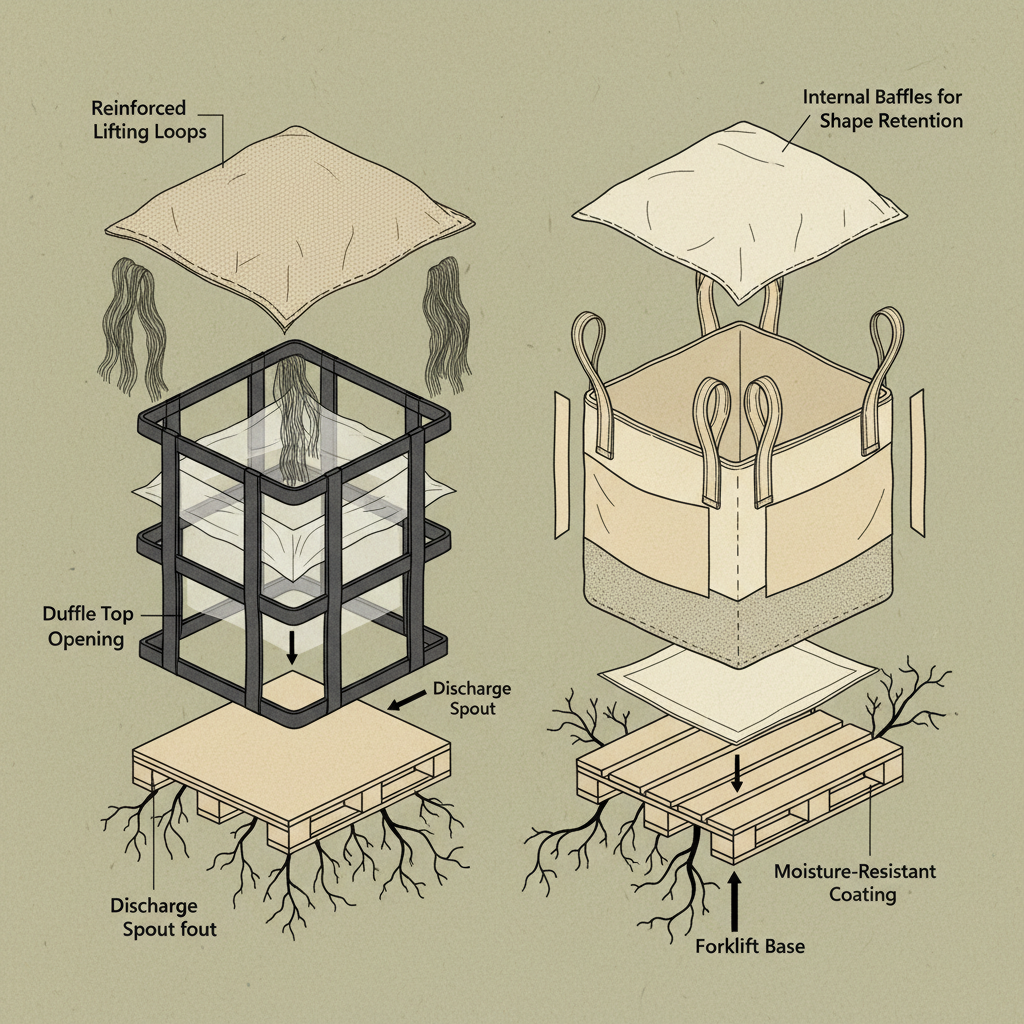
Strangely, one thing I see all the time is people skimping on the closures. You get these cheap zip ties or flimsy Velcro, and they break the moment something gets bumped. Then you’ve got a whole load compromised. It's infuriating. And the handles… oh, the handles. Too small, poorly reinforced – they’re the first thing to go.
Another big mistake is assuming one size fits all. Different materials have different weight distributions. You can’t just cram a load of steel beams into the same bag you’d use for, say, plastic pellets. You need to consider the stress points and the overall stability.
I encountered this at a concrete factory last time - they were using bags that were too narrow at the bottom, making unloading a nightmare. The whole thing would get jammed and you’d need a forklift to pry it loose.
Material Choices: What We Actually Use
Now, when it comes to materials, woven polypropylene (PP) is still king. It’s durable, relatively cheap, and you can get it in all sorts of thicknesses. Smells…well, like plastic, I guess. It's not a pleasant aroma, but you get used to it. The feel is…rough. It’s not something you want to rub against your skin, let me tell you.
We’re starting to see more polyethylene (PE) being used, especially for applications where moisture resistance is critical. It’s a bit softer to the touch, and it doesn't have that same harsh plastic smell. But it's also more expensive and can be less durable in certain applications.
Then there’s the newer stuff, like bio-based plastics. They’re promising, but honestly, they haven’t quite hit the mark yet in terms of strength and cost. We've tried a few samples, but they just weren't up to the demands of a real construction site.
Real-World Testing of bulk shipping bags
Forget the lab tests. Those are useful for basic metrics, sure, but they don’t tell you how a bag will hold up to real abuse. We do drop tests, obviously. From the back of a truck, onto gravel. We stack them, we weigh them down, we drag them across concrete.
The real test, though, is observing how the workers actually handle them. Do they treat them gently, or do they just toss them around? You learn a lot about a bag’s durability just by watching how it’s used (and misused). It's not pretty sometimes.
bulk shipping bags Performance Metrics
How Bulk Shipping Bags Are Actually Used
You’d think people would follow the instructions, right? Load evenly, don’t exceed the weight limit… but it rarely happens that way. They overstuff them, they drag them, they leave them out in the rain.
I’ve seen guys using them as makeshift sleds to move materials across muddy ground. I’m not even kidding. It’s… creative. They’re also surprisingly good at holding tools and equipment, although that's not what they’re designed for.
Advantages and Disadvantages of bulk shipping bags
Look, they’re cheap, they’re readily available, and they make moving stuff a lot easier. That’s the biggest advantage. They protect the materials from damage, they keep things organized, and they save time. But they’re not perfect. They’re not particularly environmentally friendly, and they can be a pain to dispose of. And, as I said before, the quality varies wildly.
Honestly, the biggest disadvantage is probably that people treat them like they’re disposable. They use them once and then throw them away. We need to encourage more reuse and recycling.
Anyway, I think they're a necessary evil, really.
Customization Options for bulk shipping bags
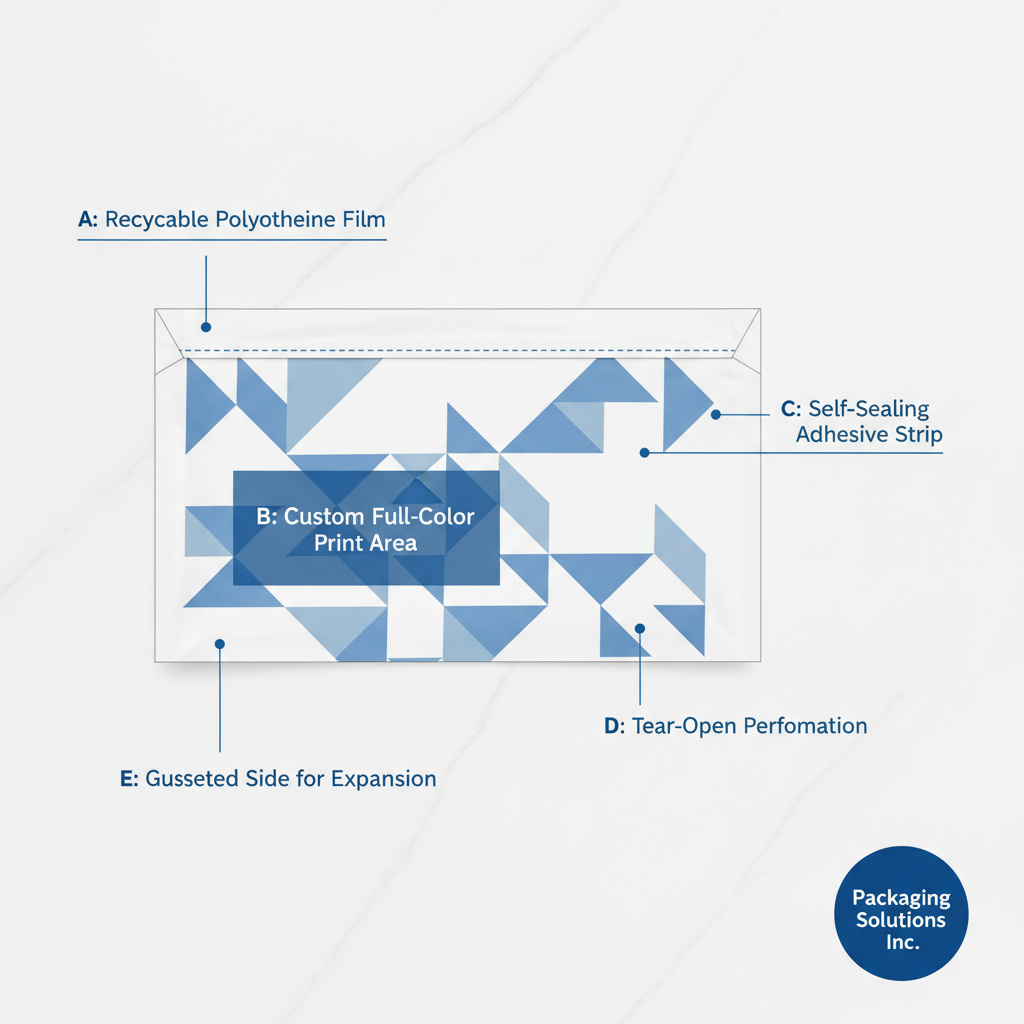
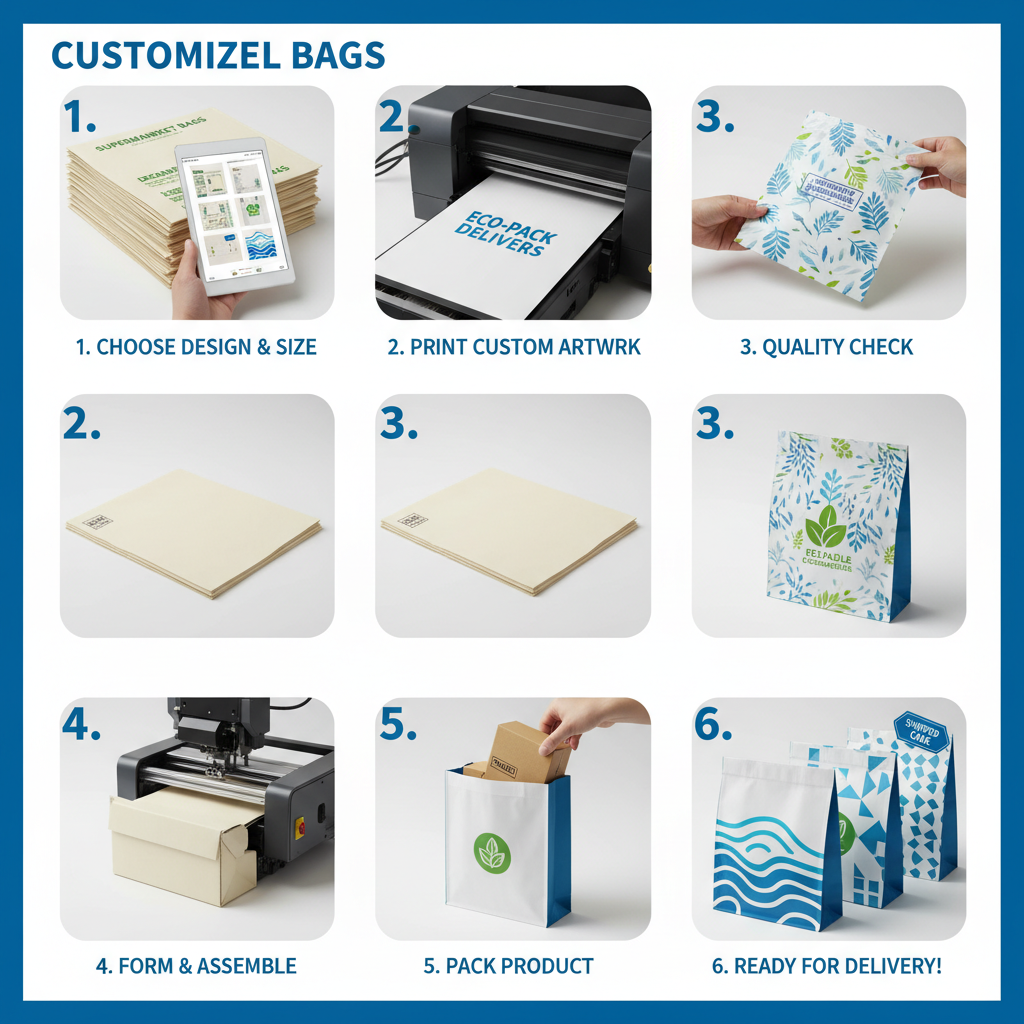
You can get them printed with logos, barcodes, all sorts of stuff. We had a client last month, a small boss in Shenzhen who makes smart home devices, who insisted on changing the interface to . Said it was "future-proof." The result? His team spent a week trying to find compatible forklift attachments, and they ended up having to go back to the old standard. It was a mess.
But seriously, customization is useful. Color-coding can help with inventory management. Reinforced seams can add extra durability. And different closure systems can be tailored to specific materials. We once had to design a bag with a special anti-static lining for a shipment of sensitive electronics. It wasn't cheap, but it saved them a lot of headaches.
There’s also size, of course. You can get them in pretty much any size you need, from small sacks to massive containers.
Summary of bulk shipping bag Key Specifications
| Material Type |
Load Capacity (kg) |
Water Resistance |
Cost per Unit (USD) |
| Woven PP (Standard) |
50-100 |
Low |
$0.50 - $1.00 |
| Woven PP (Heavy Duty) |
100-200 |
Low |
$1.00 - $2.00 |
| PE Film Liner |
25-50 |
High |
$0.75 - $1.50 |
| Reinforced Handles |
50-150 |
Low-Medium |
$1.25 - $2.50 |
| Waterproof Coating |
40-80 |
High |
$1.50 - $3.00 |
| Bio-Based Plastic |
30-60 |
Medium |
$2.00 - $4.00 |
FAQS
For long-term outdoor storage, you absolutely want something with a UV-resistant coating and a waterproof liner. Standard woven PP will degrade quickly in sunlight and won't protect against rain or snow. Reinforced PE or a PP bag with a robust PE liner is your best bet. Don't skimp on this; replacing damaged goods is way more expensive.
Start by figuring out the volume of your product. Then, add about 10-15% extra space for handling and compression. Don't forget to consider the shape of your product – oddly shaped items will require more space. I always recommend ordering a small sample of different sizes to test before committing to a large order. It saves headaches later.
Bio-based plastics are becoming more popular, but they're still expensive and don’t always have the same durability as traditional PP or PE. Another option is to look for bags made from recycled materials. And, of course, encouraging reuse and proper recycling is key. It’s not a perfect solution, but it’s a start.
It varies depending on the complexity of the order and the manufacturer's current workload. But generally, you can expect a lead time of 4-8 weeks for a custom order. If you need something faster, you'll likely have to pay a premium. Always factor in extra time for shipping and potential delays.
Invest in good quality closures! Zip ties are okay for light loads, but for heavier items, you'll want to use drawstring closures, Velcro straps, or heat-sealed seams. And make sure your workers are properly trained on how to seal the bags correctly. A little extra effort here can prevent a lot of problems down the line.
Keep them dry, protected from sunlight, and stacked neatly. Storing them flat is ideal, but if you have limited space, you can fold them. Just avoid stacking them too high, as they can collapse. And definitely don’t store them near anything that could contaminate them.
Conclusion
Ultimately, bulk shipping bags are a fundamental part of the supply chain. They’re not glamorous, but they’re essential for moving goods efficiently and protecting them from damage. The key is finding the right balance between cost, durability, and functionality. It’s a surprisingly complex world, and there’s a lot more to it than just picking a bag off the shelf.
But here's the thing: at the end of the day, whether this thing works or not, the worker will know the moment he tightens the screw. If the bag holds, if the materials are protected, if the job gets done – that's all that matters. That's what we're striving for, right? If you're looking for quality, reliable bags, check out bulk shipping bags.




 English
  Arabic
  China
China  French
  Korean
  Russian
  Spanish