Compostable Mailer Bags: Sustainable Packaging for Industrial Use
Why Compostable Mailer Bags Are Gaining Traction in Industrial Packaging
Having been in the industrial equipment sector for over a decade, I can tell you that packaging innovations come and go, but compostable mailer bags seem to have some real staying power—especially now, when environmental regulations and customer expectations are changing fast. It’s not just about looking green on paper anymore; it’s about delivering functional, durable shipping solutions that also don't trash the planet.
There’s this odd nostalgia I sometimes feel when I think about the thick plastic mailers we lugged around five years ago—tough, sure, but utterly ruthless to the environment. Now, engineers and logistics teams alike find themselves asking: can we have both durability and sustainability in one package? The answer, increasingly, is yes.
Design and Material Innovations That Make a Difference
The heart of compostable mailer bags lies in the material science behind them. Most classic poly mailers are petroleum-based, which isn’t great news for landfill or ocean fate. Compostable mailers, however, often use biopolymers derived from plant-based materials—like PLA (polylactic acid) or starch blends—that break down in proper composting environments.
You know, the tricky part is balancing strength with biodegradability. Early compostable bags tended to tear easily under stress, which isn’t practical for industrial shipping where abrasions and rough handling are the norm. Luckily, thanks to upgraded lamination techniques and rigorous field testing, many companies now produce compostable mailers that pass basic industry durability standards.
In fact, I remember visiting a packaging plant a couple of years ago where they tested mailers by running them through conveyor belts multiple times and dropping weighted parcels inside—a kind of industrial rough-and-tumble test. The compostable variants with proper layering held up impressively well, sometimes matching their conventional counterparts.
Key Specifications of Standard Compostable Mailer Bags
| Specification | Details |
|---|---|
| Material Composition | PLA / Starch-based biopolymer blend |
| Thickness | 50 - 100 microns (customizable) |
| Tensile Strength | 20 - 35 MPa (depending on grade) |
| Available Sizes | From 6" x 9" up to 18" x 24" |
| Closure Type | Self-seal adhesive strip |
| Certifications | OK Compost, ASTM D6400 compliant |
Comparing Leading Compostable Mailer Bag Vendors
| Vendor | Material Quality | Customization | Eco Certifications | Pricing (per 1000 units) |
|---|---|---|---|---|
| Liya BioBag | High-grade PLA blend | Full size & branding options | OK Compost, ASTM D6400 | $750 - $900 |
| GreenWrap Solutions | Starch-heavy formula | Limited custom prints | OK Compost | $680 - $850 |
| EcoPack Industries | Moderate strength PLA + additives | Sizes only, no branding | ASTM D6400 | $720 - $880 |
Real-World Use and The Shift Towards Circular Economy
Over the years, I’ve noticed a tangible shift on the warehouse floor and packing lines. It’s no longer a debate if “green packaging” is viable. Instead, the question is, “which green packaging suits our needs without raising costs or increasing breakage?”
One mid-sized electronics distributor I worked with recently swapped to compostable mailers from Liya BioBag after a pilot phase. They were skeptical at first—worried about tear resistance and supplier reliability. But by tweaking their packing procedures slightly and educating their team, they saw a significant drop in plastic waste audit scores and zero increase in product damage. The buyers felt good promoting a greener brand, and their supply chain partners applauded the shift.
It reinforces a point that many engineers and supply chain managers intuitively understand: sustainability and functionality can coexist when you partner with the right product vendors. That’s why I always recommend considering compostable mailer bags as a serious contender for your packaging strategy—especially if you want to future-proof your industrial shipments without the usual headaches.
To be honest, there’s still plenty of room to grow in terms of technology and cost-efficiency. But the momentum is unmistakable. When you strip away the hype, it comes down to delivering a well-designed, durable product that does one extra thing—it decomposes gracefully after use.
That’s the kind of solution this industry could use a lot more of.
References and thoughts:
- Field tests and certifications like ASTM D6400 remain the gold standard.
- Customer feedback often reveals the thin line between innovation and practicality.
- Working closely with vendors who can customize specs is key for industrial buyers.
-
Secure Shipping Guide with Poly Mailer Bubble Wrap SolutionsNewsApr.16,2026
-
Secure Shipping Guide for Using Durable Bubble Parcel BagsNewsApr.09,2026
-
Comprehensive Guide to Poly Mailer Bubble for Secure and Efficient ShippingNewsApr.07,2026
-
Elevate Your Brand with Custom Designer Bubble Mailers for Effective PackagingNewsApr.04,2026
-
Comprehensive Guide to Poly Mailers with Bubble Wrap for Secure ShippingNewsMar.31,2026
-
Comprehensive Guide to Large Bubble Poly Mailers for Secure and Efficient ShippingNewsMar.28,2026
-
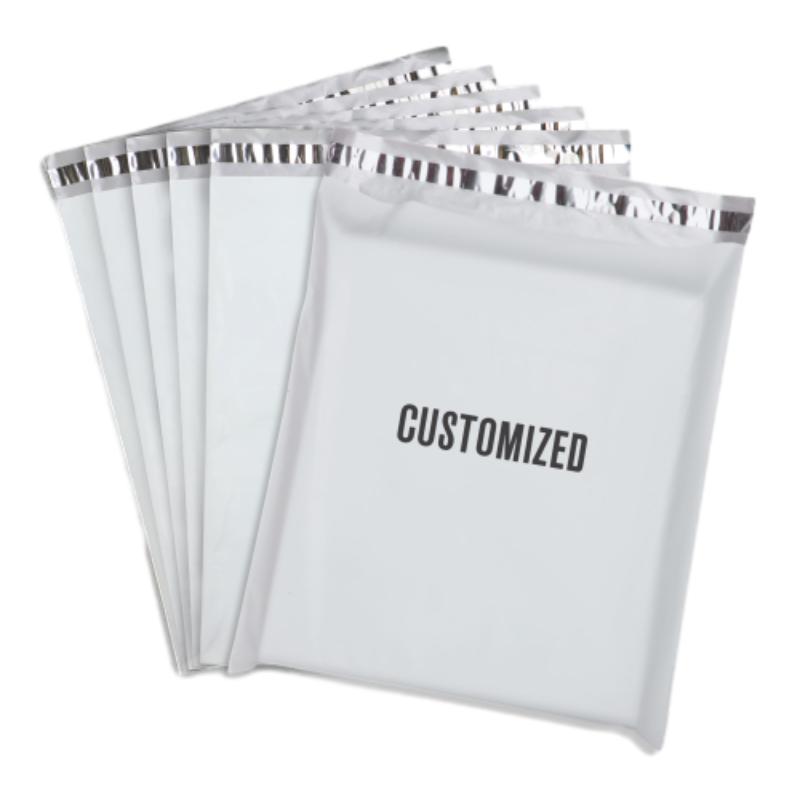
Have the freedom of customizing your custom mailers any way you want! Our dedicated packaging support will help deliver you the mailing experience you need to elevate your shipping experience to the next level! Start making a strong impression on your customers and stand out from your competitors! -
LIYA uses high quality raw materials which directly purchased from large enterprises domestic and overseas such as PetroChina, Sinopec, Sabic, Equate, ExxonMobil, Dow Chemical, Total, and Borouge, ensuring the price advantage and quality of the raw materials. -
LIYA uses high quality raw materials which directly purchased from large enterprises domestic and overseas such as PetroChina, Sinopec, Sabic, Equate, ExxonMobil, Dow Chemical, Total, and Borouge, ensuring the price advantage and quality of the raw materials.
 English
  Arabic
  China
China  French
  Korean
  Russian
  Spanish