County Stationery Mail Bags: Secure and Sustainable Document Transport Solutions
What Are County Stationery Mail Bags and Why Do They Matter?
If you’ve ever wondered about those sturdy bags that handle our postal documents—especially in regions with bureaucratic tangles or rough logistics—then county stationery mail bags are your unsung heroes. They aren’t just simple sacks; they’re critical tools for keeping communications safe, organized, and efficient. From government paperwork to legal filings, these bags help prevent loss, tampering, and delays.
Globally, the flow of official documents depends on reliable containment. With millions of pieces moving daily—even climbing as postal services digitalize—stationery mail bags remain vital. Understanding these bags isn’t just about mail; it’s about securing trust in paperwork and keeping communities connected.
The Global Landscape: Why County Stationery Mail Bags Are Still Relevant
In an age obsessed with email and cloud storage, you might think physical mailing is less critical. Oddly enough, while digital spreads, millions of government and legal documents still travel via mail bags worldwide. According to the Universal Postal Union (UPU), over 330 billion pieces of mail were handled globally in 2022, and while letters are fewer, official documents carried in specialized bags remain important for many regions.
The challenge? Many counties—especially in developing areas—face theft, document damage, and postal inaccuracies due to poor handling. County stationery mail bags address these issues by providing a secure, standardized way to bundle papers. The bags are often mandated by postal authorities following ISO standards (like ISO 3801 for bags), ensuring uniform quality and durability.
What Exactly Are County Stationery Mail Bags?
Simply put, county stationery mail bags are robust sacks designed to carry official documents—think files, forms, confidential letters—usually within governmental or institutional postal routes. Unlike regular post bags, they often have secure closures, tamper-proof features, and are sized to handle stacks of paperwork without folding or damage.
These bags connect deeply with civil service, legal processes, and humanitarian work. Imagine a disaster zone where courts are disrupted: these bags ensure vital documents can still be moved without risk of loss, helping maintain order amid chaos.
Key Facets of County Stationery Mail Bags
Durability
County stationery mail bags are typically made from thick, tear-resistant materials—often woven polypropylene or reinforced canvas. The goal? To last through rough handling and harsh weather. Postal workers often toss these sacks around, so the materials and stitching must hold up for weeks or months.
Security Features
Many bags incorporate tamper-evident seals or reinforced locking mechanisms. This isn't just about stopping theft; it’s about guaranteeing every document inside remains intact and unopened. You can sometimes see numbered security straps, which have to be matched at delivery.
Standardized Sizing
Consistency matters when bags must fit into containers, sorting machines, or transit compartments. County stationery mail bags usually adhere to sizes recognized by postal or government agencies, making sorting smoother and reducing misplacement.
Cost Efficiency
While sturdiness is a target, cost controls ensure agencies can order bulk bags without breaking budgets. Many vendors offer reusable options or bags designed for a single route cycle, balancing durability against price.
Sustainability
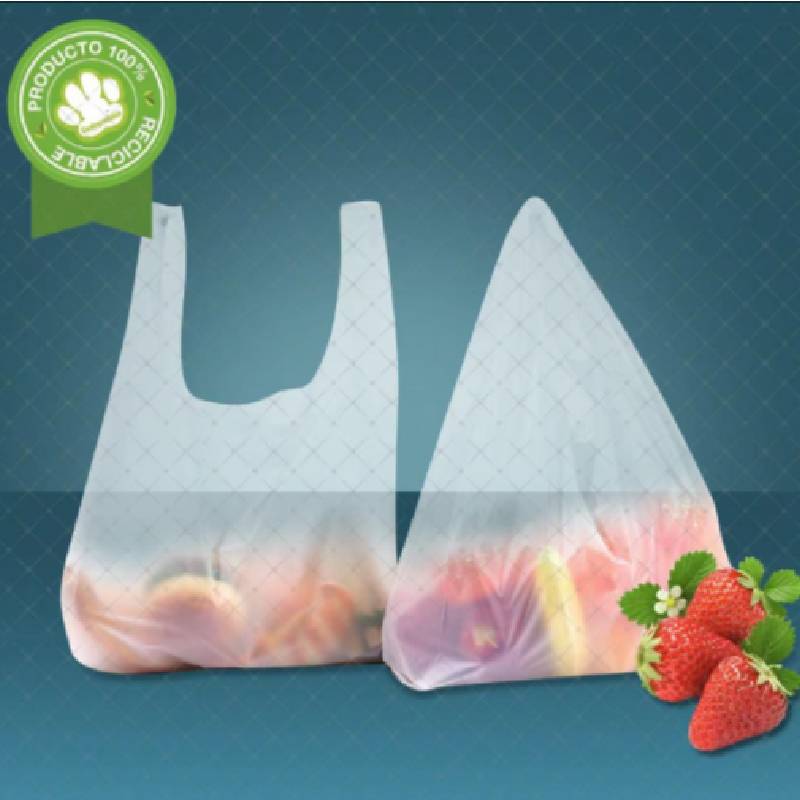
In recent years, eco-conscious buyers have shifted toward recyclable or even compostable materials. Finding stationery mail bags that minimize environmental impact without losing performance is a growing priority globally.
Use Cases Across the Globe
In real terms, county stationery mail bags have a surprisingly wide reach:
- Government Offices: From county courthouses to tax departments, these bags collect and sort internal documents.
- Post-Disaster Relief: NGOs use secure bags to transport sensitive paperwork, like beneficiary lists, ensuring aid reaches the right people.
- Remote Industrial Zones: In areas without digital infrastructure, mail bags shuttle permits, safety logs, and operational documents.
- Developing Countries: In nations where digital ID systems lag, physical mail bags secure the movement of identities and birth records.
For example, during the 2023 cyclone response in the South Pacific, local agencies relied on county stationery mail bags to keep vital documents from flooding while coordinating relief efforts under challenging conditions.
Specification Table: Typical County Stationery Mail Bag Attributes
| Specification | Details |
|---|---|
| Material | Woven polypropylene; optional canvas blends |
| Dimensions | Typical: 60cm x 90cm (custom sizes available) |
| Closure | Tamper-evident plastic strap or zip tie |
| Weight Capacity | Up to 15 kg of paperwork |
| Reusability | Usually single-use but can be reused 2-3 times with careful handling |
| Environmental Profile | Recyclable polypropylene; biodegradable options emerging |
Vendor Comparison: Leading County Stationery Mail Bag Suppliers
| Vendor | Material Options | Security Features | Sustainability | Price Range per 1000 Bags |
|---|---|---|---|---|
| Liya BioBag | Woven polypropylene, biodegradable blends | Tamper-evident straps, numbered seals | High (compostable options available) | $800–950 |
| Global Mail Supplies | Canvas, woven polypropylene | Standard straps, basic seals | Medium (recyclable only) | $700–850 |
| SecurePost Inc. | Polypropylene, heavy canvas | Advanced numbered seals, RFID options | Low (no biodegradable yet) | $1000–1200 |
Advantages and Long-Term Impact of Reliable County Stationery Mail Bags
Why do organizations stick to these bags instead of improvised containers? Because reliability here feeds into trust. When paperwork gets lost, so does faith in institutions and delivery systems. That emotional assurance—knowing sensitive forms will arrive intact—can’t be overstated.
Then there’s the logic: cost savings from fewer replacements, less rework due to lost documents, and fewer theft claims. Also, sustainably designed bags add to environmental responsibility goals, making them a win-win for buyers and the planet.
What’s Next? Trends Shaping the Future
Materials science is evolving: bio-based polymers and compostable options are gaining traction in the production of mail bags. I’ve noticed more vendors incorporating tamper-evident RFID tags to streamline tracking and reduce fraud. Digitally enabled logistics also push the envelope—imagine a bag that “checks in” automatically as it passes through checkpoints.
In addition, governments worldwide demand greener procurement, so expect regulations favoring sustainable bags. Automation in sorting facilities influences standard sizes and bag durability requirements. It’s an exciting mix of low-tech craftsmanship and hi-tech innovation.
Hurdles and How Industry Leaders Are Tackling Them
The main sticking points tend to be budget constraints versus quality demands and finding scalable eco-friendly materials that don’t sacrifice durability. Also, in some remote areas, getting consistent supply chains is tough. Vendors like Liya BioBag are experimenting with local manufacturing hubs to cut costs and speed delivery.
Expert advice: investing in reusable and repairable bags may cost more upfront but pays off in reliability and environmental goodwill.
FAQ: County Stationery Mail Bags
- Q: How do county stationery mail bags differ from regular postal bags?
- A: They are typically sturdier, sized specifically for paperwork, and include tamper-proof closures to secure sensitive documents, unlike generic mail bags made for parcels.
- Q: Can these bags be reused safely?
- A: Yes, though usually for just a few cycles. Careful handling is required to avoid wear that could compromise the bag’s security features.
- Q: Are environmentally friendly mail bags as durable as traditional ones?
- A: Advances in biopolymers mean some eco-friendly bags now rival traditional materials, though cost and supply can vary depending on supplier.
- Q: What industries benefit most from these stationery mail bags?
- A: Governments, legal institutions, NGOs in disaster relief, and remote industrial zones rely heavily on them to ensure paperwork integrity.
- Q: Where can I buy quality county stationery mail bags?
- A: Leading vendors like county stationery mail bags suppliers offer customized orders to fit organizational needs, often with sustainability options.
Final Thoughts
County stationery mail bags might seem niche but their role is quietly monumental. They hold together the vital flow of documents that sustain governments, legal systems, and humanitarian efforts worldwide. As tech and sustainability trends push forward, these bags adapt without losing their core mission—to move paperwork safely and reliably.
If you’re involved in logistics, government, or NGO operations, investing in the right stationery mail bags is a smart, forward-thinking choice. For trusted products blending quality, security, and green credentials, don’t hesitate to visit our website and explore your options.
References
-
Secure Shipping Guide with Poly Mailer Bubble Wrap SolutionsNewsApr.16,2026
-
Secure Shipping Guide for Using Durable Bubble Parcel BagsNewsApr.09,2026
-
Comprehensive Guide to Poly Mailer Bubble for Secure and Efficient ShippingNewsApr.07,2026
-
Elevate Your Brand with Custom Designer Bubble Mailers for Effective PackagingNewsApr.04,2026
-
Comprehensive Guide to Poly Mailers with Bubble Wrap for Secure ShippingNewsMar.31,2026
-
Comprehensive Guide to Large Bubble Poly Mailers for Secure and Efficient ShippingNewsMar.28,2026
-
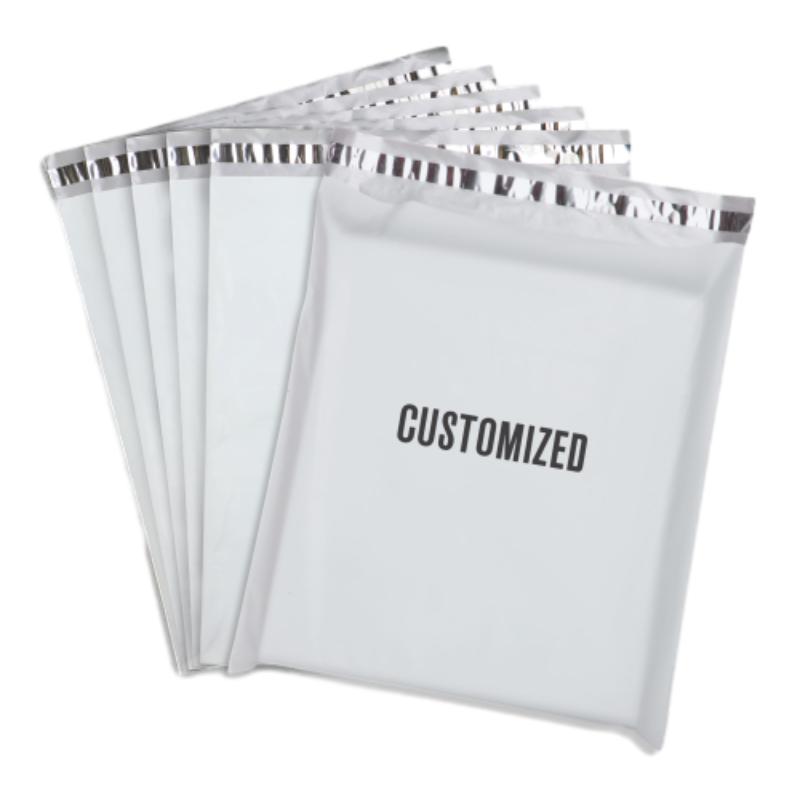
Have the freedom of customizing your custom mailers any way you want! Our dedicated packaging support will help deliver you the mailing experience you need to elevate your shipping experience to the next level! Start making a strong impression on your customers and stand out from your competitors! -
LIYA uses high quality raw materials which directly purchased from large enterprises domestic and overseas such as PetroChina, Sinopec, Sabic, Equate, ExxonMobil, Dow Chemical, Total, and Borouge, ensuring the price advantage and quality of the raw materials. -
LIYA uses high quality raw materials which directly purchased from large enterprises domestic and overseas such as PetroChina, Sinopec, Sabic, Equate, ExxonMobil, Dow Chemical, Total, and Borouge, ensuring the price advantage and quality of the raw materials.

 English
  Arabic
  China
China  French
  Korean
  Russian
  Spanish