Courier Post Bags | Durable, Secure & Eco-Friendly Shipping Solutions
Understanding Courier Post Bags: Why They Matter Worldwide
When you think about what keeps our modern world turning — the silent, often overlooked gear behind e-commerce, mail delivery, and humanitarian aid — courier post bags play an unexpectedly vital role. These bags do more than just hold parcels; they protect, organize, and speed up the vast networks that move billions of items every year. In a globalized economy that thrives on fast, reliable shipping, understanding courier post bags isn’t just logistics jargon — it’s a peek at a critical infrastructure that underpins daily life, disaster response, and even climate-conscious innovation.
Oddly enough, in a world obsessed with flashy tech, it’s these humble carriers that keep the promises of instant delivery alive. Appreciating their design, application, and future trends can reveal how sustainability and efficiency will shape industries for decades to come.
The Big Picture: Courier Post Bags on the Global Stage
Globally, courier parcels and post volumes have surged over 50% in just the last five years, fueled by booming online shopping and expanding postal services in developing regions (UN Data). According to the Universal Postal Union (UPU), about 330 billion items are delivered annually worldwide, and most rely on specialized courier post bags for safety and organization.
But it’s not all smooth sailing. Transport systems confront challenges like climate impact, theft, and package damage. Here, the right courier post bag becomes more than just containment — it’s about protection, traceability, and sometimes even compliance with international shipping standards. When a shipment traverses customs or disaster zones, the durability and design of these bags can mean the difference between success and costly failure.
So, What Exactly are Courier Post Bags?
Put simply, courier post bags are specially designed containers used by mail carriers, courier companies, and logistic providers to hold and transport parcels and letters securely. These can range from lightweight, tamper-evident poly bags to heavy-duty fabric pouches with reinforced seams and locking systems.
Think of them as the trusted backpack for your goods: designed for multiple handlings, quick sorting, and protection against weather or rough transport conditions — all while being lightweight and easy to carry.
Interestingly, their role stretches beyond commerce: humanitarian agencies often rely on them to send relief packages swiftly and securely to remote or disaster-stricken areas, making courier post bags a quiet hero in saving lives.
Main Features You Need to Know About Courier Post Bags
Durability
These bags are built to last through rough handling, weather exposure, and multiple transport modes. Materials like polyethylene, reinforced fabrics, or composite laminates are common because they resist tearing, moisture, and temperature shifts.
Security & Tamper Evidence
Features such as tamper-evident seals or locking zippers are crucial. They ensure contents remain intact, which is important for sensitive shipments or legal documents.
Size & Scalability
Available in a range of sizes to accommodate small documents up to bulky parcels. Scalability in design means logistics providers can standardize on a few models to keep things efficient.
Cost Efficiency
Balancing low material cost with longevity is an art. Companies look for bags that reduce losses due to damage without bloating expenses.
Environmental Sustainability
Increasingly, courier post bags feature recyclable or biodegradable materials. This caters to corporate social responsibility goals and regulatory pressures, especially in Europe and North America.
Mini takeaway: These factors intertwine — you want durable but sustainable, secure but affordable. It’s a tightrope that manufacturers walk every day.
How Courier Post Bags Actually Get Used Around the World
In urban hubs like London or New York, courier post bags serve as the artery vessels where millions of parcels are sorted daily before reaching front doors. Large postal services rely on standardized bags to streamline machine and manual sorting alike.
Meanwhile, in remote or disaster-stricken regions — think Southeast Asia during typhoon relief — these bags must endure harsh conditions to transport vital supplies. NGOs prefer reusable, tamper-evident bags that can also function as identifiable containers when quick distribution is vital.
Even specialized industries such as pharmaceuticals or electronics use courier post bags with extra padding or temperature-control features, underscoring their adaptability.
Courier Post Bags Spec Sheet: A Typical Model
| Specification | Details |
|---|---|
| Material | Heavy-duty polyethylene with UV stabilizers |
| Dimensions | 50 cm (W) x 70 cm (H) x 15 cm (depth) |
| Closure | Tamper-evident self-locking zipper |
| Weight | Approx. 120 grams |
| Reusable | Yes, up to 15 cycles recommended |
| Recyclability | 100% recyclable material certified to ISO 14021 |
Choosing Your Courier Post Bag Supplier: A Quick Comparison
| Vendor | Material Quality | Lead Time | Customization | Sustainability |
|---|---|---|---|---|
| Liya Bio Bags | High-grade recyclable polyethylene | 2 weeks | Full branding & size options | Certified biodegradable additive |
| GlobalMail Supplies | Standard polyethylene | 3-4 weeks | Limited sizes | No specific eco-certifications |
| EcoPack Innovations | Biodegradable polymer blend | 4 weeks | Custom eco-printing available | Fully compostable certifications |
Advantages of Using Quality Courier Post Bags
- Cost Savings: Reduced parcel damage rates mean fewer claims and redeliveries.
- Sustainability: Eco-friendly bags help meet green goals and reduce landfill waste.
- Operational Efficiency: Standardized packaging speeds sorting and delivery workflows.
- Customer Trust and Safety: Tamper-evident features protect sensitive contents and enhance security.
- Social Impact: Enabling NGOs and humanitarian groups to deliver aid reliably.
Mini takeaway: Courier post bags aren't just about plastic or fabric — they foster trust, safety, and sustainability at scale.
The Future: Innovations Shaping Courier Post Bags
Frankly, the future of courier post bags is quite exciting. Advanced materials like biodegradable polymers, antimicrobial coatings, and integrated RFID tags that track shipments live are no longer science fiction but part of ongoing product development. With artificial intelligence optimizing distribution routes, even the bags' weight and size will be tailored to minimize carbon footprints.
Additionally, several countries are exploring legislation to reduce single-use plastics, pushing suppliers toward eco-conscious alternatives, which means courier post bags will likely become greener and smarter.
Common Obstacles & Smart Solutions
Challenges persist, of course — such as balancing cost vs. environmental requirements, or creating bags that meet both security and reusability standards. Another issue is ensuring compatibility with diverse transportation modes, from bicycles in urban centers to cargo planes for international shipping.
Industry experts recommend modular bag designs with replaceable parts and hybrid fabrics to address durability and sustainability simultaneously. Plus, better education across shipping chains helps reduce misuse or overuse.
FAQ: Quick Answers on Courier Post Bags
- What materials are best for courier post bags to ensure durability?
- Heavy-duty polyethylene and reinforced woven fabrics with UV stabilizers are commonly used for their tear resistance and weather protection. Many companies prefer recyclable blends to combine toughness with sustainability.
- Can courier post bags be reused, or are they strictly single-use?
- Most courier post bags designed for tough use can be reused up to 10-15 times, provided they remain intact. Reusability depends on material quality, cleaning methods, and handling, which save costs and reduce waste.
- How do tamper-evident features work on these bags?
- Tamper-evident seals or locking zippers show visible signs if opened or damaged during transit. They prevent unauthorized access and boost security especially for sensitive or international shipments.
- Are there courier post bags designed specifically for cold-chain or pharma use?
- Yes, specialized insulated bags with temperature-stable linings help maintain cold chains. These are often combined with courier post bags for extra protection during sensitive pharmaceutical transport.
Wrapping Up and a Little Nudge
In real terms, courier post bags may not win style points, but they’re the unsung backbone of logistics, e-commerce, and humanitarian aid globally. Their evolution reflects broader trends toward sustainability, security, and efficiency — things everyone cares about, even if we don’t realize it.
Curious to explore top-quality courier post bags yourself? Drop by courier post bags for trusted products designed with tomorrow’s challenges in mind.
Thanks for sticking through this — kind of amazing how much one humble bag can do, right?
References
-
Secure Shipping Guide with Poly Mailer Bubble Wrap SolutionsNewsApr.16,2026
-
Secure Shipping Guide for Using Durable Bubble Parcel BagsNewsApr.09,2026
-
Comprehensive Guide to Poly Mailer Bubble for Secure and Efficient ShippingNewsApr.07,2026
-
Elevate Your Brand with Custom Designer Bubble Mailers for Effective PackagingNewsApr.04,2026
-
Comprehensive Guide to Poly Mailers with Bubble Wrap for Secure ShippingNewsMar.31,2026
-
Comprehensive Guide to Large Bubble Poly Mailers for Secure and Efficient ShippingNewsMar.28,2026
-
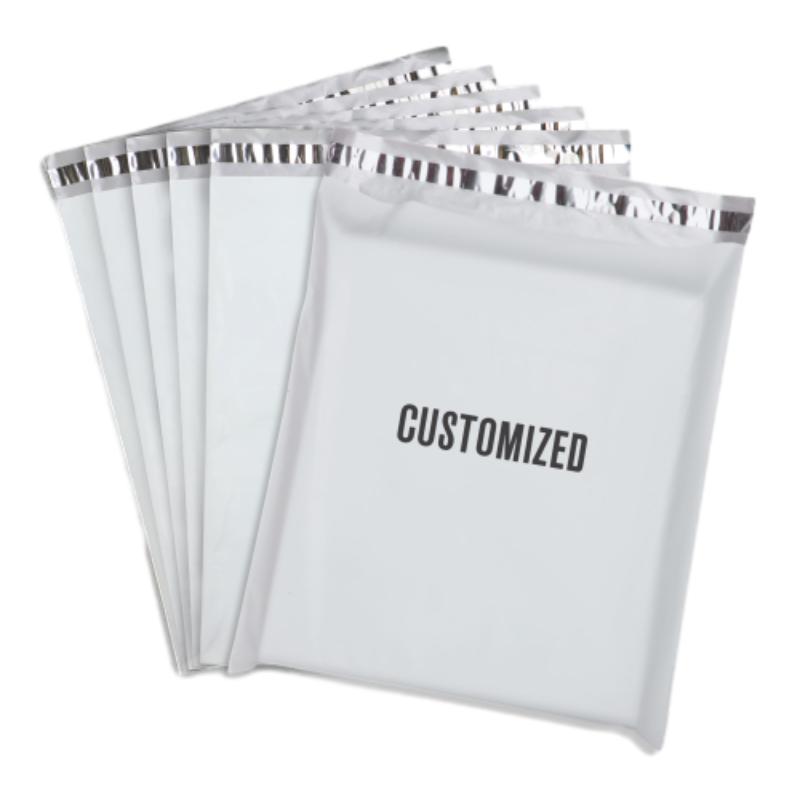
Have the freedom of customizing your custom mailers any way you want! Our dedicated packaging support will help deliver you the mailing experience you need to elevate your shipping experience to the next level! Start making a strong impression on your customers and stand out from your competitors! -
LIYA uses high quality raw materials which directly purchased from large enterprises domestic and overseas such as PetroChina, Sinopec, Sabic, Equate, ExxonMobil, Dow Chemical, Total, and Borouge, ensuring the price advantage and quality of the raw materials. -
LIYA uses high quality raw materials which directly purchased from large enterprises domestic and overseas such as PetroChina, Sinopec, Sabic, Equate, ExxonMobil, Dow Chemical, Total, and Borouge, ensuring the price advantage and quality of the raw materials.

 English
  Arabic
  China
China  French
  Korean
  Russian
  Spanish