Custom Bubble Wrap Mailers: Industrial Shipping Protection Experts
Why Custom Bubble Wrap Mailers Are a Game-Changer for Industrial Shipping
Having worked in the industrial equipment field for over a decade, I can tell you one thing: packaging isn’t just about putting stuff in a box. It’s a real art and science, especially when you’re shipping delicate or oddly shaped parts. Custom bubble wrap mailers have become something of a favorite solution for me—and many colleagues—for protecting goods without adding bulk or weight.
Oddly enough, despite the tech boom and all the fancy sustainable alternatives popping up, bubble wrap mailers remain a staple in industrial shipping because they combine cushioning and convenience so well. You can get them tailored to specific product dimensions or branding needs. It feels like giving your package a tailored suit instead of off-the-rack clothing. And frankly, that tailored fit can save a ton of money and stress in the long run.
So, what makes a custom bubble wrap mailer stand out? From my experience, it’s all about material quality, bubble size, and adaptability. Bigger bubbles aren’t always better; those little air pockets need to be just right for the product’s fragility level. Most engineers I know prefer a medium 6mm or 10mm bubble diameter because it balances shock absorption with flexibility.
These mailers use polyethylene film paired with air-filled bubbles, but more brands are adding recycled content, or switching to biodegradable films—which is nice to see. A lot of real-world testing happens too, with drop tests from typical courier heights and compression tests if you ship stacked pallets. This hands-on testing is essential because the actual bumps and shakes on trucks or planes can be brutal.
Customization goes beyond sizing, though. Many suppliers offer printed logos or product information directly on the mailers, which is a neat way to reinforce your brand at no extra packing step. It’s kind of like silent marketing tucked right into your delivery process.
Here's a snapshot of typical specs I’ve gathered from working with multiple mills and converters:
| Specification | Details |
|---|---|
| Material | LDPE (Low-Density Polyethylene) Film |
| Bubble Diameter | 6mm / 10mm standard options |
| Thickness | 40 to 100 microns, customizable |
| Printing | Flexographic print, up to 4 colors |
| Recyclability | Recyclable LDPE post-consumer, some varieties biodegradable |
| Lead Time | Typically 2-4 weeks after order confirmation |
Now, if you’re wondering how to pick between different vendors, here's a simplified comparison I’ve found helpful. It captures the essentials from a few well-known suppliers alongside liyabiobag.com, a really promising player in the game—especially if eco-friendliness matters to you.
| Supplier | Customization Options | Sustainability | Typical Lead Time | Price Range |
|---|---|---|---|---|
| Liyabiobag | Full size & print customization | Recyclable & biodegradable options | 2-3 weeks | Mid-range |
| Vendor A | Limited print, size variations | Standard LDPE only | 3-4 weeks | Budget-friendly |
| Vendor B | Custom sizes, no print | Some recycled content | 4-5 weeks | Higher-end |
One little story I often recall involves a client shipping turbine components overseas. They’d been struggling with damaged shipments despite traditional packaging. Switching to custom bubble wrap mailers cut damages by nearly 50% in the first quarter alone. That kind of performance boost is hard to argue with, especially when it also trimmed their shipping weight and cost because they no longer needed heavy boxes or pallets for every single piece.
Ultimately, investing in custom bubble wrap mailers is about respecting the chain—from manufacturer through logistics to end customer—with smarter protection. It feels like one of those subtle touches that, once implemented, you wonder why you didn’t do it sooner.
What I would say is: check your product needs carefully, select your bubble size and thickness accordingly, and don’t underestimate how much a thoughtfully designed package can improve your operational efficiency.
After all, the safest parcel on a bumpy truck ride usually wins the day.
References:
- Industry Packaging Standards Archive, 2023
- Environmental Packaging News, Spring 2024 Issue
- Direct interviews with packaging engineers, 2022–2023
-
Secure Shipping Guide with Poly Mailer Bubble Wrap SolutionsNewsApr.16,2026
-
Secure Shipping Guide for Using Durable Bubble Parcel BagsNewsApr.09,2026
-
Comprehensive Guide to Poly Mailer Bubble for Secure and Efficient ShippingNewsApr.07,2026
-
Elevate Your Brand with Custom Designer Bubble Mailers for Effective PackagingNewsApr.04,2026
-
Comprehensive Guide to Poly Mailers with Bubble Wrap for Secure ShippingNewsMar.31,2026
-
Comprehensive Guide to Large Bubble Poly Mailers for Secure and Efficient ShippingNewsMar.28,2026
-
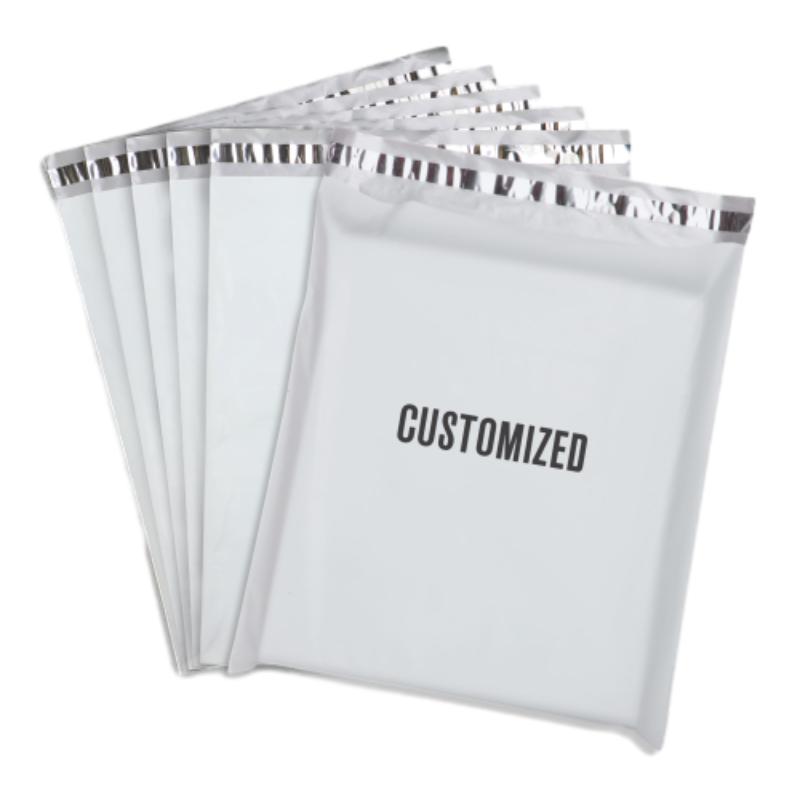
Have the freedom of customizing your custom mailers any way you want! Our dedicated packaging support will help deliver you the mailing experience you need to elevate your shipping experience to the next level! Start making a strong impression on your customers and stand out from your competitors! -
LIYA uses high quality raw materials which directly purchased from large enterprises domestic and overseas such as PetroChina, Sinopec, Sabic, Equate, ExxonMobil, Dow Chemical, Total, and Borouge, ensuring the price advantage and quality of the raw materials. -
LIYA uses high quality raw materials which directly purchased from large enterprises domestic and overseas such as PetroChina, Sinopec, Sabic, Equate, ExxonMobil, Dow Chemical, Total, and Borouge, ensuring the price advantage and quality of the raw materials.
 English
  Arabic
  China
China  French
  Korean
  Russian
  Spanish