Custom Padded Envelopes: Secure, Sustainable Packaging Solutions for Modern Shipping
Custom Padded Envelopes: The Unsung Heroes of Secure Shipping
In a world where online shopping surges and important documents travel globally every second, custom padded envelopes silently safeguard countless shipments. Why should anyone care about these humble parcels? Because their design—clever, adaptable, and protective—addresses a fundamental concern: ensuring your fragile contents arrive intact and looking professional. Plus, understanding how these envelopes work and where they’re heading reveals a neat blend of logistics, sustainability, and innovation that impacts industries from retail to humanitarian aid.
Global Context: Why Custom Padded Envelopes Matter
Surveys show that the global e-commerce market exceeded $5 trillion in recent years, and shipments continue skyrocketing (World Bank, 2023). Behind this boom lies a problem: how to ship delicate items safely without excessive cost or environmental waste. Oddly enough, that’s exactly where padded mailers step in. They combine cushioning materials, scalability, and customization to meet worldwide shipping needs, making them vital for business and personal use across continents.
Besides commercial logistics, agencies like the United Nations rely on secure packaging — including padded envelopes — to deliver medical supplies and documentation in fragile conditions, especially in remote or disaster-affected zones. The demand isn’t just commercial; it’s humanitarian.
What Are Custom Padded Envelopes?
Put simply, custom padded envelopes are mailers featuring an interior lining—often bubble wrap, foam, or recycled paper—to protect contents from impact during shipment. “Custom” means sizes, materials, and even closures are tailored to specific customer needs, rather than generic off-the-shelf solutions. They’re much more than just bags; they’re engineered packaging solutions designed to optimize protection, cost, and environmental footprint.
In today’s fast-moving industries, from electronics to pharmaceuticals, these envelopes fill a niche for safely transporting delicate items. They also support the sustainability goals of companies aiming to reduce packaging waste while maintaining product integrity.
Key Aspects of Custom Padded Envelopes
Durability
One of the most critical factors. The exterior is usually a tough, tear-resistant kraft paper or poly material, designed to withstand handling, moisture, and rough transport conditions. For example, thicker outer layers can resist punctures while maintaining flexibility.
Padding Material
The cushioning inside is the real protective hero. Common materials include air bubble wrap, biodegradable foam, or recycled paper padding. Recent attention to eco-friendly options means some vendors are now replacing plastic bubbles with plant-based alternatives.
Customization Options
Size, closure types (peel-and-seal, zip locks), printing (logos, instructions), and padding thickness can all be tailored. This flexibility helps businesses brand their packaging and optimize shipping costs depending on fragility and container sizes.
Cost Efficiency
While you might assume customization adds cost, cleverly designed padded envelopes can reduce damage-related returns, lower packaging waste, and simplify logistics—translating into savings. Plus, bulk production often makes custom runs surprisingly affordable.
Sustainability
More companies demand recycled or recyclable materials. Many padded envelopes now incorporate post-consumer recycled paper or compostable padding. This shift not only cuts carbon footprints but meets consumer expectations for “green” shipping.
Product Specification Table for a Popular Custom Padded Envelope
| Feature | Specification |
|---|---|
| Outer Material | Kraft Paper, 140 gsm |
| Padding | Air Bubble (6mm), biodegradable option available |
| Closure | Peel & Seal strip |
| Size Range | 4x8 inches to 12x15 inches (custom sizes available) |
| Printing | Full-color logo & instructions |
| Sustainability | Recyclable, compostable padding option |
Global Applications & Use Cases
From bustling urban e-commerce hubs in North America and Europe to remote aid deliveries in sub-Saharan Africa, custom padded envelopes are everywhere. For instance:
- Electronics manufacturers in South Korea rely on padded mailers for safely shipping small gadgets internationally.
- Independent bookstores in Canada use customized padded envelopes adorned with their logo for mailing fragile paperbacks.
- NGOs delivering sensitive health materials in Southeast Asia choose eco-friendly padded mailers that safeguard samples in humid climates.
- In post-disaster relief operations, sturdy padded envelopes protect important documents and small medical devices during urgent shipments to affected zones.
Frankly, across nearly every continent, tailored padded mailers play quiet but crucial roles.
Vendor Comparison Table
| Vendor | Customization | Eco Options | MOQ (Min Order Qty) | Typical Lead Time |
|---|---|---|---|---|
| Liya Bio Bag | High (sizes, prints) | Compostable padding | 500 pcs | 2 weeks |
| EcoPack Solutions | Medium (prints) | Recycled paper padding | 1,000 pcs | 3 weeks |
| PolySafe Inc. | Low (fixed sizes) | No | 500 pcs | 1 week |
Advantages & the Long-Term Value of Using Custom Padded Envelopes
When I think about why so many businesses choose custom padded envelopes, several benefits stand out. There’s obvious economic value—they reduce damage-related costs by keeping contents safe, all while improving the unboxing experience, which matters a lot in consumer satisfaction today.
Emotionally, it feels reassuring to know that your special parcel—say, a handcrafted product or sensitive documents—is wrapped in thoughtful design promoting safety and dignity. Socially, switching to eco-friendly materials aligns with broader sustainability commitments, an increasingly important trust factor for customers.
Ultimately, these mailers combine innovation, responsibility, and practicality into a surprisingly versatile packaging product.
Future Trends & Innovations in Custom Padded Envelopes
Looking ahead, there’s a strong push towards greener materials like plant-based or mushroom-derived padding. Automation in printing and folding technologies is speeding up customization at scale, making tailor-made options accessible to smaller businesses.
Digital printing innovations allow richer branding and even traceability codes embedded to improve supply chain transparency. Plus, smart materials that monitor impact or humidity are being explored, blending physical protection with IoT intelligence.
Challenges & Solutions
Of course, no product is perfect. Challenges with custom padded envelopes include balancing cost with environmental goals and ensuring compatibility with automated packaging lines. Plus, sourcing fully biodegradable padding at scale is still tricky.
Fortunately, experts suggest combined approaches—like hybrid padding materials, partnerships with specialized vendors such as Liya Bio Bag, and lean manufacturing methods—to overcome these hurdles effectively.
FAQ: Frequently Asked Questions About Custom Padded Envelopes
- Q: What size custom padded envelope should I choose for small electronics?
A: It’s ideal to select a snug envelope that fits your device with enough padding—generally 6mm or thicker—to absorb shocks. Custom sizing avoids excess material and shipping weight while preserving safety. - Q: Are eco-friendly padded envelopes as durable as traditional ones?
A: Many modern eco-friendly materials match or sometimes exceed traditional durability, especially recycled kraft paper combined with bio-based cushioning. Testing certifications (like ISO 9001) can verify performance. - Q: Can I print my company logo on custom padded envelopes?
A: Absolutely. Full-color, high-resolution printing is standard for many vendors. It’s a great way to boost brand recognition and convey professionalism. - Q: How do companies order in bulk without excess inventory?
A: Many suppliers offer low minimum orders and flexible production runs. Using demand forecasting and quick lead times helps align inventory with need. - Q: Are padded envelopes recyclable?
A: It depends on materials. Kraft paper exteriors generally are recyclable, but bubble padding often isn’t unless it’s a biodegradable or paper alternative. Always check local guidelines.
Conclusion & Call to Action
Summing it up, custom padded envelopes are more than just packaging — they’re smart, adaptable solutions designed to protect your products and planet alike. They balance cost efficiency, durability, and eco-conscious innovation, making them essential for many modern businesses and humanitarian efforts.
If you want to explore tailored options that suit your unique needs and sustainability goals, I highly recommend visiting https://www.liyabiobag.com. You'll find expert guidance and quality products ready to meet today’s shipping challenges.
A quick takeaway: It’s amazing how such simple, carefully designed envelopes can make a big difference in safety, branding, and sustainability.
References:
1. World Bank, Global E-commerce report 2023
2. United Nations Logistics Handbook, 2022
3. ISO 9001 Quality Management Standards
-
Secure Shipping Guide with Poly Mailer Bubble Wrap SolutionsNewsApr.16,2026
-
Secure Shipping Guide for Using Durable Bubble Parcel BagsNewsApr.09,2026
-
Comprehensive Guide to Poly Mailer Bubble for Secure and Efficient ShippingNewsApr.07,2026
-
Elevate Your Brand with Custom Designer Bubble Mailers for Effective PackagingNewsApr.04,2026
-
Comprehensive Guide to Poly Mailers with Bubble Wrap for Secure ShippingNewsMar.31,2026
-
Comprehensive Guide to Large Bubble Poly Mailers for Secure and Efficient ShippingNewsMar.28,2026
-
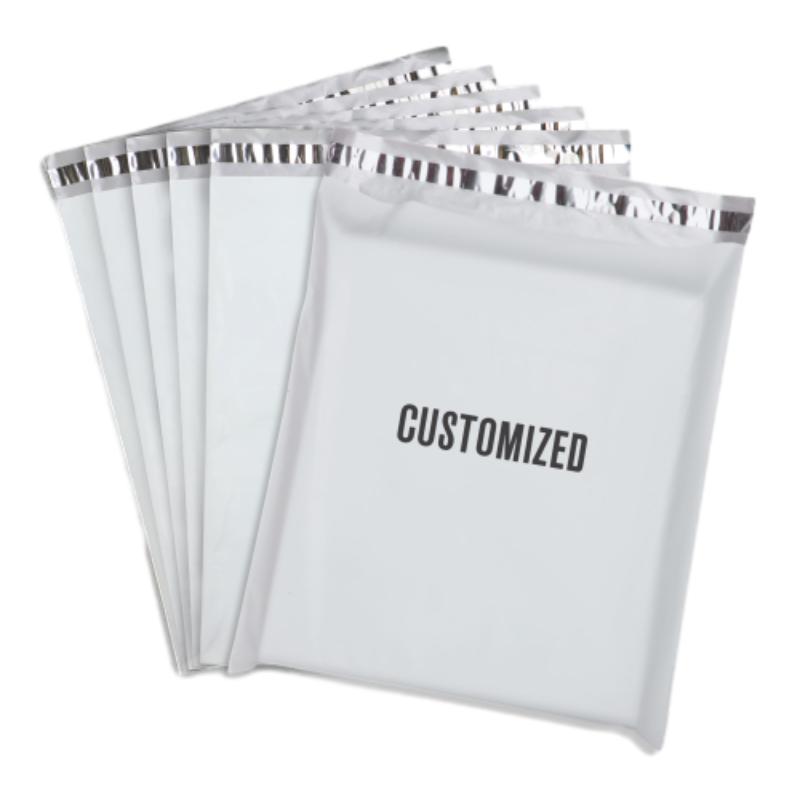
Have the freedom of customizing your custom mailers any way you want! Our dedicated packaging support will help deliver you the mailing experience you need to elevate your shipping experience to the next level! Start making a strong impression on your customers and stand out from your competitors! -
LIYA uses high quality raw materials which directly purchased from large enterprises domestic and overseas such as PetroChina, Sinopec, Sabic, Equate, ExxonMobil, Dow Chemical, Total, and Borouge, ensuring the price advantage and quality of the raw materials. -
LIYA uses high quality raw materials which directly purchased from large enterprises domestic and overseas such as PetroChina, Sinopec, Sabic, Equate, ExxonMobil, Dow Chemical, Total, and Borouge, ensuring the price advantage and quality of the raw materials.
 English
  Arabic
  China
China  French
  Korean
  Russian
  Spanish