Discover Black Compostable Mailing Bags: Durable, Eco-Friendly Shipping Solutions
Why Black Compostable Mailing Bags Matter Now More Than Ever
In a world rapidly awakening to the importance of sustainable packaging, black compostable mailing bags have emerged as a quietly powerful solution. These eco-friendly mailers help reduce plastic pollution, support circular economies, and align with tightening global regulations. It's not just about saving the planet (though that’s a huge plus). It’s also about businesses tapping into consumer demand for greener choices while balancing cost and functionality.
Globally, over 300 million tons of plastic waste are generated annually, with a significant portion stemming from packaging materials. As e-commerce booms — nearly 20% growth year-on-year pre-pandemic and continuing strong — the packaging footprint balloons. Here, black compostable mailing bags hold promise as a simple yet effective alternative that businesses, logistics providers, and humanitarian agencies alike can embrace.
Mini takeaway: Black compostable mailing bags are not only a step forward environmentally but are a strategic choice for industries facing new standards and consumer expectations.
What's Behind the Rise of Black Compostable Mailing Bags?
To put it simply, black compostable mailing bags are mailer envelopes made from materials that break down naturally into non-toxic components under composting conditions. Unlike traditional plastics that linger for centuries, compostable bags degrade within months under the right environmental factors.
They’re a key piece in modern packaging innovation — especially critical in sectors where product protection during shipping can’t be sacrificed. They meet a critical need to balance sustainability with durability, making them more than just a “nice idea.” For NGOs shipping supplies to disaster zones, or retailers delivering orders in urban or remote areas, these bags offer practical benefits supported by evolving international standards such as ISO 17088.
Black compostable mailing bags play a role in humanitarian aid, circular supply chains, and even brand reputation management. It's an intersection of ecology, economy, and growing ethical business practice.
Core Features of Black Compostable Mailing Bags
Durability
It might surprise some, but these bags are engineered to be tough. Designed to resist tears, punctures, and moisture during transit, their durability rivals many conventional plastic alternatives. The material often combines plant-based polymers with innovative coatings, balancing strength and biodegradability.
Environmental Compliance
Compostable mailers must comply with global certifications such as EN 13432 or ASTM D6400, ensuring they break down under industrial composting conditions without leaving harmful residues. Black pigment used is typically derived from natural sources or approved additives, avoiding toxic dyes.
Cost Efficiency
Initially, compostable mailing bags may carry a slight premium in cost compared to standard plastic, but economies of scale are improving this gap. Considering waste disposal fees, brand perception, and corporate social responsibility, many businesses find them financially savvy long-term.
Customization Options
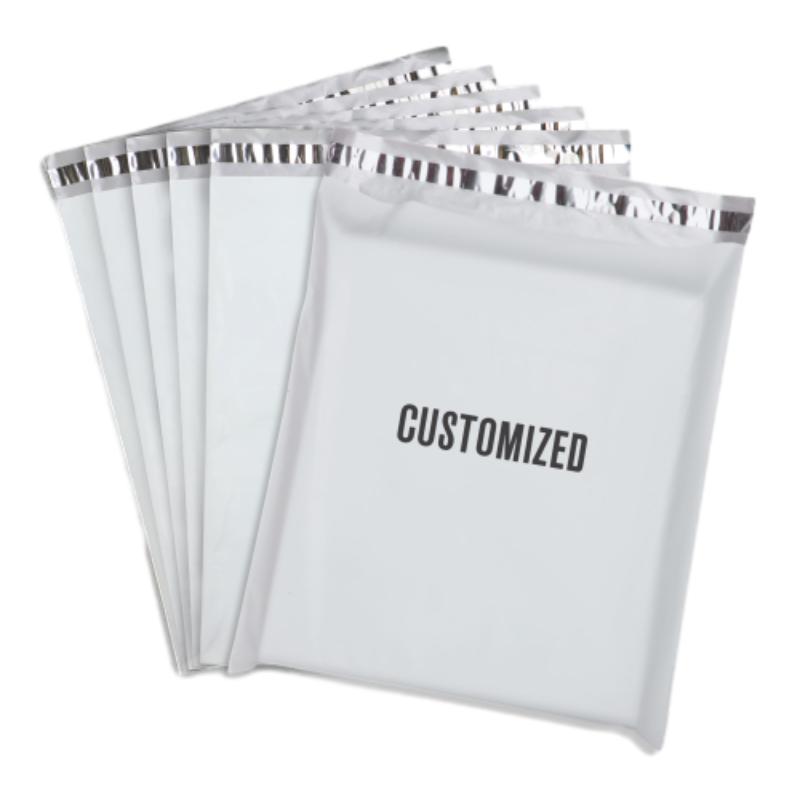
Many vendors offer black mailing bags with print options, varying sizes, and additional features such as resealable strips or tamper-evident seals. This flexibility supports branding while maintaining functionality.
Scalability
From startups testing eco-packaging to large supply chains deploying millions of units per year, black compostable mailing bags fit well within scalable logistics models, thanks largely to advances in manufacturing and material sourcing.
Mini takeaway: Performance, compliance, and versatility are the pillars that make black compostable mailing bags practical—not just aspirational.
Where Are Black Compostable Mailing Bags Making a Difference?
Honestly, their adoption stretches across many sectors. In the retail & e-commerce world, brands aiming to reduce plastic footprints lean on these bags. Notably, clothing, cosmetics, and small electronics sellers find these mailers ideal since they provide protection and a green story at checkout.
Humanitarian agencies and disaster relief operations increasingly prefer compostable mailers to distribute aid kits and health supplies; in these contexts, biodegradability reduces waste buildup in fragile environments.
Regionally, Europe and parts of North America lead adoption due to stricter packaging regulations, though Asia-Pacific markets are catching up fast, driven by both government incentives and rising consumer environmental awareness.
For instance, a recent pilot project in Southeast Asia replaced conventional mailers in urban logistics hubs with black compostable versions, producing measurable reductions in landfill contributions without disrupting delivery times.
Sample Product Specification Table
| Feature | Specification | Details |
|---|---|---|
| Material | PLA + PBAT blend | Plant-based polymers for compostability |
| Color | Opaque Black | Natural black pigment, no heavy metals |
| Dimensions | 8" x 12" (standard) | Custom sizes available |
| Seal Type | Self-adhesive strip | Strong & tamper-evident |
| Certifications | ASTM D6400, EN 13432 | Industrial compostability standards met |
Choosing the Right Supplier: A Quick Vendor Comparison
| Vendor | Material Quality | Customization Options | Pricing | Lead Time |
|---|---|---|---|---|
| EcoPack Solutions | High-grade PLA/PBAT blend | Full branding & sizes | Mid-range, volume discounts | 2-3 weeks |
| GreenMailers Co. | Certified compostable materials | Standard sizes only | Competitive | 1-2 weeks |
| Liya Biobag | Premium, plant-based polymers | Fully customizable, including eco-print | Flexible pricing | 1 week standard |
Advantages That Keep Businesses Coming Back
- Environmental benefits: Dramatically reduces plastic pollution and landfill waste when properly composted.
- Brand value: Signals commitment to sustainability, building consumer trust and loyalty.
- Cost effectiveness over time: Although the price might be a bit higher upfront, reduced disposal costs and regulatory compliance save money.
- Operational reliability: With strong, tamper-evident seals and tear resistance, product integrity in shipping is maintained.
- Social impact: Supports cleaner communities and responsible waste management, aligning with corporate social responsibility goals.
What’s Next for Compostable Mailing Solutions?
The future is looking ambitious. Emerging materials like PHA (polyhydroxyalkanoates) — fully biodegradable biopolymers produced by microbes — promise even better compostability and durability. Additives that enhance UV protection or barrier functions without sacrificing eco-credentials are in development.
Policy trends also nudge businesses forward. The EU’s upcoming Packaging and Packaging Waste Regulation demands higher reuse and compostability rates by 2030. Digital manufacturing and automation mean customization scales cheaper and faster. Even blockchain-enabled compost supply chains are being piloted, ensuring transparency from producer to compost facility.
Facing Challenges Head-On
Of course, compostable mailing bags aren't a silver bullet. Challenges remain, like the need for accessible industrial composting infrastructure globally. Without proper facilities, compostable bags might end up in landfills where conditions prevent breakdown, diminishing benefits.
Sorting contamination is another snag: bags need to be clearly labeled to avoid confusion with conventional plastics. Innovation is underway, including biodegradable inks and smart labels that help sorting centers recognize compostables.
It's worth noting, many environmental experts emphasize that reuse combined with compostability is the best path forward — a gentle reminder that even the greenest bag is just one part of a larger, more complex ecosystem.
FAQ: Everything You Want to Know About Black Compostable Mailing Bags
- Are black compostable mailing bags strong enough for heavy items?
- Yes. Most are engineered with durable blends of PLA and PBAT, providing tear resistance and moisture protection comparable to standard plastic mailers. However, extremely heavy or sharp-edged items might still require additional packaging.
- Can these mailing bags be composted at home?
- Generally, no. While they biodegrade under industrial composting conditions within months, home compost setups lack the necessary heat and microbes. Check local compost facilities for best options.
- Do black compostable mailing bags cost much more than regular plastic?
- The price difference has narrowed significantly but remains slightly higher. When factoring in waste disposal savings and consumer goodwill, many companies find the investment worthwhile.
- How do I ensure my compostable mailers meet quality standards?
- Request certification documents (such as ASTM D6400 or EN 13432) from your supplier and conduct random product testing to confirm compliance with compostability and durability requirements.
- Can compostable mailing bags be recycled?
- No, they are designed to compost, not to be recycled with conventional plastics. Mixing compostables with recyclable plastics may contaminate recycling streams.
Final Thoughts
Adopting black compostable mailing bags is a tangible way to future-proof your packaging amid rising environmental expectations and regulatory measures. They marry the practical needs of durability and protection with the urgent imperative to curb plastic pollution. If you’re exploring options that balance cost, sustainability, and customer appeal, they’re worth a serious look.
For those ready to dive in, visiting our website is a great first step — explore specs, customization, pricing, and talk to experts who know the ins and outs of compostable mailers.
References:
-
Secure Shipping Guide with Poly Mailer Bubble Wrap SolutionsNewsApr.16,2026
-
Secure Shipping Guide for Using Durable Bubble Parcel BagsNewsApr.09,2026
-
Comprehensive Guide to Poly Mailer Bubble for Secure and Efficient ShippingNewsApr.07,2026
-
Elevate Your Brand with Custom Designer Bubble Mailers for Effective PackagingNewsApr.04,2026
-
Comprehensive Guide to Poly Mailers with Bubble Wrap for Secure ShippingNewsMar.31,2026
-
Comprehensive Guide to Large Bubble Poly Mailers for Secure and Efficient ShippingNewsMar.28,2026
-
Have the freedom of customizing your custom mailers any way you want! Our dedicated packaging support will help deliver you the mailing experience you need to elevate your shipping experience to the next level! Start making a strong impression on your customers and stand out from your competitors! -
LIYA uses high quality raw materials which directly purchased from large enterprises domestic and overseas such as PetroChina, Sinopec, Sabic, Equate, ExxonMobil, Dow Chemical, Total, and Borouge, ensuring the price advantage and quality of the raw materials. -
LIYA uses high quality raw materials which directly purchased from large enterprises domestic and overseas such as PetroChina, Sinopec, Sabic, Equate, ExxonMobil, Dow Chemical, Total, and Borouge, ensuring the price advantage and quality of the raw materials.
 English
  Arabic
  China
China  French
  Korean
  Russian
  Spanish