Durable and Eco-Friendly Black Parcel Bags for Secure Shipping | Liya Biobag
Black Parcel Bags: The Unsung Heroes of Global Packaging
When you think of shipping or storing goods, black parcel bags might not be the first thing on your mind. Yet, these simple, often overlooked products are a crucial part of logistics, trade, and even humanitarian aid around the world. Their significance goes beyond just holding stuff together; they protect, preserve, and enable entire sectors to function smoothly on a daily basis. Understanding what black parcel bags offer can unlock better practices in packing, sustainability, and delivery — important for industries from e-commerce giants to local disaster relief teams.
To put it bluntly, if a parcel bag goes wrong, the whole supply chain can be impacted — lost goods, contamination, or accidents. So, knowing about the right bags isn’t frivolous; it actually saves money, time, and hassle. Plus, with growing environmental pressures, manufacturers and users are pushing for smarter, greener alternatives, which adds an exciting twist to the tale of black parcel bags.
Global Impact of Black Parcel Bags: Why They Matter
On a global scale, parcel shipments have surged, especially since the boom in online shopping. According to the International Trade Center, global parcel volumes hit over 131 billion in 2022, a mind-boggling figure that directly links to how many parcel bags get produced and used every year. Black parcel bags, in particular, catch attention due to their durability and versatility — they tend to protect parcels better from light exposure and provide a discreet, professional appearance.
Yet the bigger challenge is the waste they produce. A research report from the United Nations Environment Programme underlined that plastic packaging contributes to some of the world's most persistent pollution problems. So, there’s a global push for recyclable or biodegradable bags to reduce landfill volumes. That's why black parcel bags have become a focal point in environmental initiatives, industry regulations, and consumer awareness campaigns.
Oddly enough, while many see black parcel bags as mundane, they form a frontline shield in sectors as varied as retail, manufacturing, and emergency relief, especially where bulk shipments and secure packaging matter most. But the real question is — what exactly are these bags, and why do their specific qualities make them so indispensable?
What Are Black Parcel Bags?
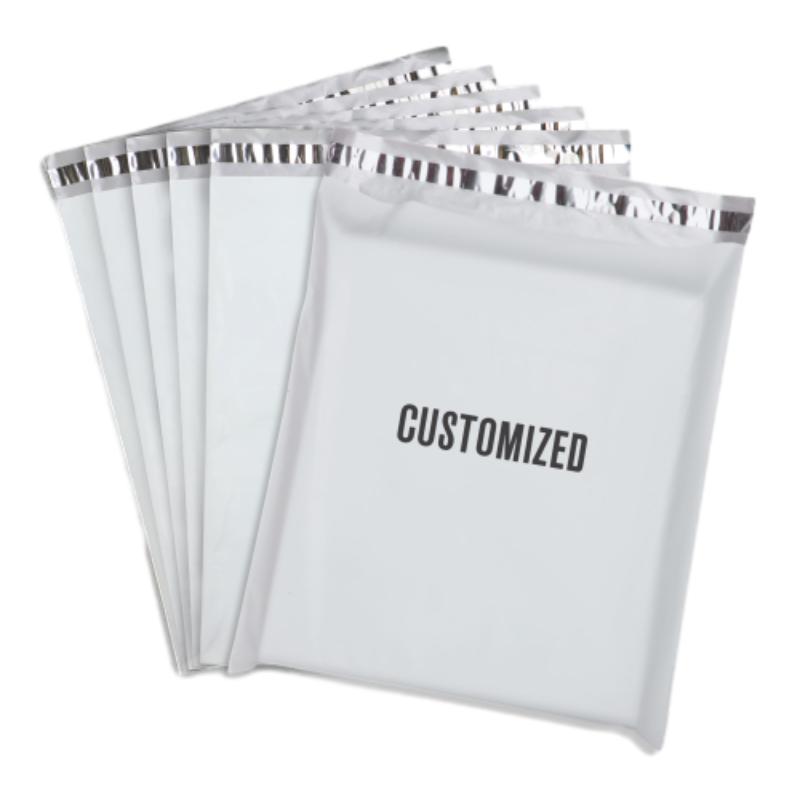
Simply put, black parcel bags are plastic or composite flat or gusseted bags designed primarily to hold packages, documents, or goods for transport or storage. They differ from clear bags by their distinctive opaque or matte black finish, which offers superior privacy, light-blocking, and often added puncture resistance.
In many industries, these bags serve as the preferred containers for protecting products against moisture, dirt, and rough handling. They're also a humble but vital part of humanitarian aid kits, where discreet, sturdy packaging can preserve essentials from spoilage or theft.
Crucially, black parcel bags aren’t just "bags." They represent a whole balance in packaging between protection, cost, environmental impact, and usability.
Core Components of Black Parcel Bags
1. Durability
Black parcel bags are often made from HDPE (high-density polyethylene) or LDPE (low-density polyethylene), sometimes with added layers for reinforcement. This gives them impressive tear resistance and strength for everyday handling or long-haul shipments. Many manufacturers test these bags rigorously, because a torn bag during transport is not just an inconvenience but a risk.
2. Cost-effectiveness
Packaging budgets are tight. Many businesses prefer black parcel bags because they strike a good balance between being affordable while minimizing damage or returns due to faulty packaging. They’re cheaper than many boxes, and because they’re lightweight, carriers save on shipping weight, too.
3. Privacy & Security
The opaque black color hides contents from prying eyes — an important feature in certain sectors like pharmaceuticals, electronics, or confidential documents. This helps maintain product safety and client trust.
4. Environmental Considerations
As mentioned, sustainability is a growing concern. Modern black parcel bags increasingly come in recyclable or biodegradable forms — and those made with recycled plastics are growing in popularity. This helps companies align with environmental policies while still benefiting from the trusted qualities of black bags.
Black Parcel Bags Product Specification
| Specification | Typical Range/Value | Notes |
|---|---|---|
| Material | HDPE, LDPE, Biodegradable blends | Varies by supplier and environmental focus |
| Thickness | 30-120 microns | Thicker bags for heavier goods |
| Dimensions | From 200mm x 300mm to 600mm x 900mm+ | Custom sizing available |
| Seal Type | Self-seal adhesive, Zip-lock, Heat Seal | Dependent on shipment security requirements |
| Recyclability | Varies — standard to 100% recyclable types | Emerging biodegradable options |
Where Black Parcel Bags Come Into Play Worldwide
Across industries, black parcel bags are everywhere, especially in:
- E-commerce & Retail: Protecting thousands of small parcels daily, from clothing to electronics, these bags help maintain professionalism and product integrity.
- Logistics & Warehousing: Used extensively in packaging and sorting to ensure individual items stay safe during transport.
- Disaster Relief & NGOs: Aid groups use black parcel bags to securely package medical supplies, food rations, and documentation — protecting contents from dirt, water, and tampering.
- Manufacturing: Components or samples are often shipped in black parcel bags to keep them dust-free and ready for inspections or deliveries.
- Remote Industrial Areas: In mining or agriculture zones with harsh conditions, the durability of black parcel bags has proven indispensable for equipment protection or sample transport.
For example, post-disaster humanitarian missions in South Asia have relied on durable black parcel bags to distribute critical supplies rapidly and securely, as containers or cardboard boxes just don’t hold up in heavy rain or dusty conditions.
Advantages and Lasting Value
To the untrained eye, a black parcel bag might seem like “just plastic,” but its benefits are summed up neatly by users worldwide:
- Protection: Against moisture, UV rays, and contamination.
- Affordability: Light on budget but heavy on performance.
- Trust: Opaque color reassures customers about privacy and security.
- Eco-impact: Growing green options reduce environmental footprint.
- Convenience: Lightweight, easy to store, and quick to seal.
When you ship a product in a good-quality black parcel bag, it feels like you’re not just sending an item, but a promise of care, reliability, and respect for the recipient’s privacy. And that emotional connection matters more than many managers give it credit for.
Looking Ahead: Trends Shaping Black Parcel Bags
The future is green — and black parcel bags are no exception. Innovations to watch include:
- Bio-based polymers: New materials derived from plants can biodegrade faster without compromising strength.
- Smart packaging: UV indicators or QR codes printed on black bags to track shipments digitally.
- Recycling programs: Closed-loop systems encouraging reuse or return of bags.
- Lightweight composites: Enabling even stronger, thinner bags — reducing material use.
Frankly, the industry still battles perception issues about plastic use, but policies and consumer awareness are driving real change. Nearly all manufacturers now offer partially recycled or fully compostable black parcel bags — it’s kind of exciting how packaging once seen as wasteful is rapidly evolving.
Common Challenges and How to Beat Them
Despite the advantages, black parcel bags face hurdles:
- Waste accumulation: Many bags still escape recycling streams due to lack of facilities or awareness.
- Durability limits: Ultra-heavy shipments require stronger or multi-layered solutions that can add cost.
- Cost versus sustainability: Biodegradable bags can cost more, making adoption slower among small businesses.
Solutions? Many experts recommend educating staff and consumers on proper disposal, working closely with suppliers for custom solutions balancing strength and eco-friendliness, plus government incentives for sustainable packaging. Some companies already offer take-back programs that actually reclaim used black parcel bags.
Vendor Comparison: Leading Black Parcel Bag Suppliers
| Supplier | Material Types | Customization | Eco Options | Price Range |
|---|---|---|---|---|
| Liya Biobag | HDPE, biodegradable blends | Full custom sizes and printing | 100% recyclable & compostable | Mid-range |
| PolyPack Global | LDPE, HDPE | Limited | Recyclable standard only | Low |
| EcoWrap Solutions | Bioplastics, recycled polymers | Moderate | High end - compostable only | High |
FAQ: Your Questions About Black Parcel Bags Answered
- Q: Are black parcel bags recyclable?
- Most standard black parcel bags are technically recyclable, especially if made from HDPE or LDPE. However, not all recycling facilities accept black plastics due to sorting challenges. That's why newer biodegradable or specially colored versions are gaining traction for easier processing.
- Q: How long can black parcel bags protect shipped goods?
- Properly stored and sealed, black parcel bags can protect contents for weeks or even months. Their resistance to moisture and light helps prevent spoilage or damage, though extreme environmental conditions will shorten this timeframe.
- Q: Can black parcel bags be customized with company logos or prints?
- Absolutely. Most manufacturers, like Liya Biobag, offer custom printing options, including logos, handling instructions, or barcodes to improve branding and parcel management.
- Q: Are black parcel bags suitable for international shipping?
- Yes, they are widely used worldwide. Their durability and lightweight design help reduce costs and mitigate damage during long-distance shipping. Plus, customization and compliance with international packaging standards can be arranged.
- Q: How do black parcel bags compare to cardboard boxes?
- While boxes provide structure and better stackability, black parcel bags excel in lightweight, moisture resistance, and discreet protection. For many shipments—especially soft goods or documents—they offer a more economical and practical choice.
Final Thoughts
Black parcel bags might be small players in the big world of shipping, but they pack a punch in protection, privacy, and cost-efficiency. With rising global demands for better packaging and growing environmental awareness, these bags are evolving rapidly, balancing performance with sustainability.
So, whether you’re in the business of shipping products, managing a warehouse, or supporting large-scale aid operations, giving a little extra thought to the humble black parcel bag can pay off big. For those interested in high-quality and eco-friendly options, check out trusted providers like Liya Biobag, who blend innovation with responsible packaging.
Stay curious — because sometimes the smallest details carry the biggest impact.
References & Further Reading
-
Secure Shipping Guide with Poly Mailer Bubble Wrap SolutionsNewsApr.16,2026
-
Secure Shipping Guide for Using Durable Bubble Parcel BagsNewsApr.09,2026
-
Comprehensive Guide to Poly Mailer Bubble for Secure and Efficient ShippingNewsApr.07,2026
-
Elevate Your Brand with Custom Designer Bubble Mailers for Effective PackagingNewsApr.04,2026
-
Comprehensive Guide to Poly Mailers with Bubble Wrap for Secure ShippingNewsMar.31,2026
-
Comprehensive Guide to Large Bubble Poly Mailers for Secure and Efficient ShippingNewsMar.28,2026
-
Have the freedom of customizing your custom mailers any way you want! Our dedicated packaging support will help deliver you the mailing experience you need to elevate your shipping experience to the next level! Start making a strong impression on your customers and stand out from your competitors! -
LIYA uses high quality raw materials which directly purchased from large enterprises domestic and overseas such as PetroChina, Sinopec, Sabic, Equate, ExxonMobil, Dow Chemical, Total, and Borouge, ensuring the price advantage and quality of the raw materials. -
LIYA uses high quality raw materials which directly purchased from large enterprises domestic and overseas such as PetroChina, Sinopec, Sabic, Equate, ExxonMobil, Dow Chemical, Total, and Borouge, ensuring the price advantage and quality of the raw materials.

 English
  Arabic
  China
China  French
  Korean
  Russian
  Spanish