Durable and Eco-Friendly Mailing Bags with Handles | Enhanced Shipping Solutions
Why Mailing Bags with Handles Matter in Today's Global Commerce
In a world growing ever more connected — from sprawling urban hubs to isolated rural communities — the humble mailing bag with handles plays a surprisingly big role. It’s not just about getting a parcel from A to B; it’s about convenience, security, and practicality wrapped up in one simple package. Whether you're shipping fashion accessories, tech gadgets, or vital humanitarian supplies, having a reliable mailing bag that’s easy to carry can make a tangible difference.
As e-commerce booms globally (the UN trade report suggests over 70% increase in parcel deliveries since 2015), the need for mailing bags that are robust, cost-effective, and user-friendly has never been higher. Plus, sustainability pressures and logistical challenges mean not any bag will do.
Understanding Mailing Bags with Handles: What Are They Exactly?
At their core, mailing bags with handles are lightweight, sealable bags designed to safely transport goods while offering recipients an easy grip. Unlike plain mailers or boxes, these bags come with integral or attached handles, bringing together the benefits of packaging and carrying convenience.
They’ve become popular not just in retail and postal services, but also in sectors like healthcare, disaster relief, and even industrial shipping — places where quickly and securely moving items without fuss is crucial.
Core Components Behind Effective Mailing Bags with Handles
Durability and Protection
These bags need to protect contents from moisture, tearing, or crushing. Manufacturers often use polyethylene blends or bio-based plastics that resist punctures but remain flexible. Many engineers I’ve spoken with stress that durability isn’t just about the material—handling the seal and handle attachment points is equally critical.
Handle Design & Ergonomics
Handles vary from cut-out grips to reinforced loop handles made of woven fibers. The ideal design ensures comfort despite varied parcel weights — nobody wants to wrestle a flimsy handle when carrying a bulky document packet across an airport.
Cost Efficiency
The shipping industry runs on tight margins, so these mailing bags can’t be expensive per unit. Smart manufacturers optimize materials and production speed, hitting that sweet spot between quality and affordability.
Environmental Impact
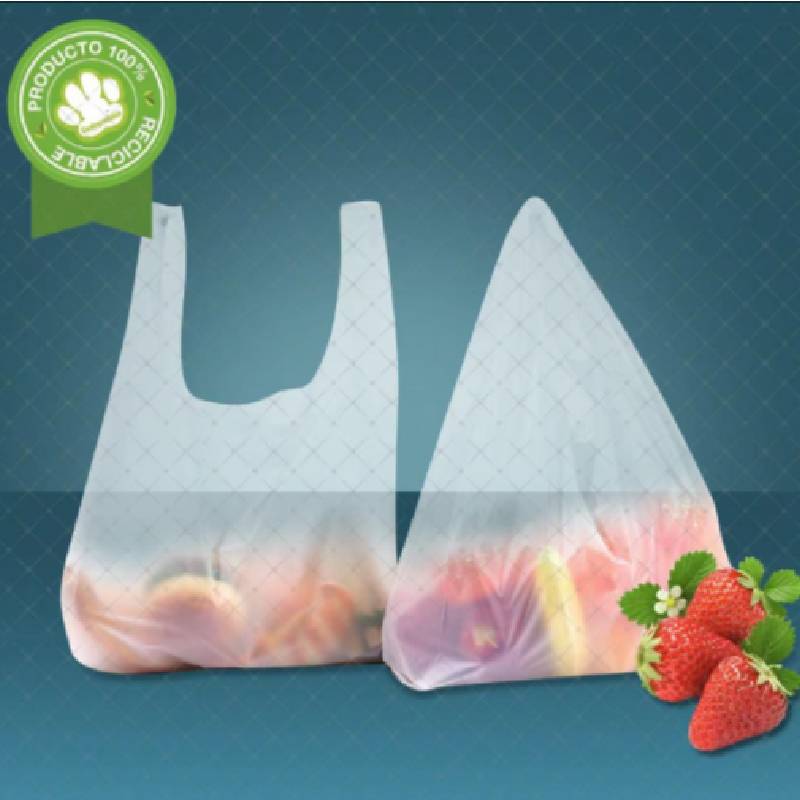
More clients and regulators are demanding eco-conscious packaging. Mailing bags with handles increasingly feature recyclable content, biodegradable options, or are crafted from recycled materials, balancing performance with green credentials.
Customization Capabilities
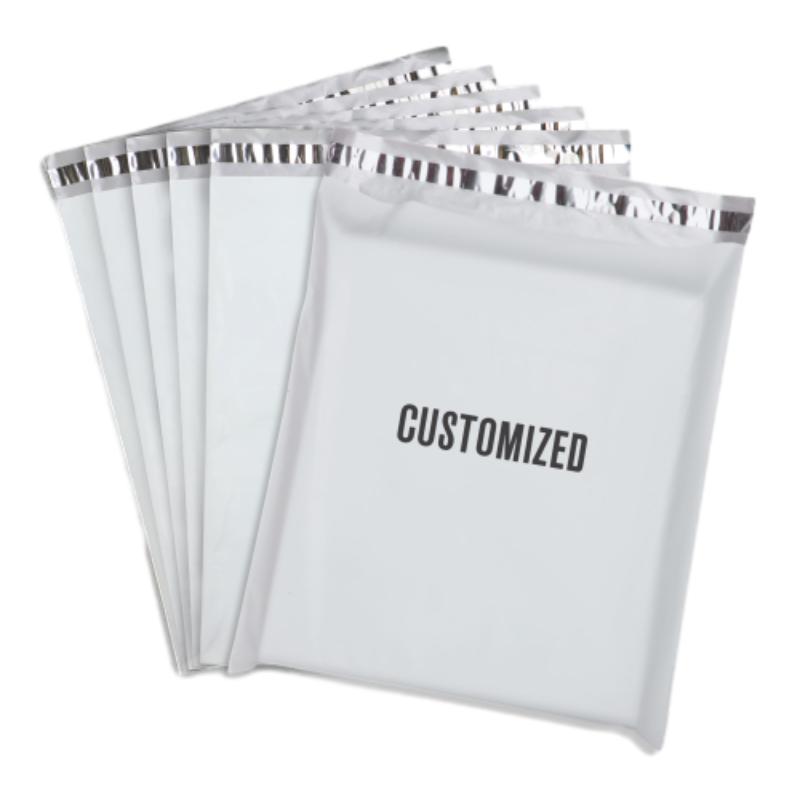
Branding is king in retail. Custom-printed mailing bags with handles allow businesses to showcase logos, campaigns, or QR codes—turning something as mundane as packaging into a marketing tool.
Scalability & Supply Chain Integration
They must fit into automated mailing lines, stack well, and be easy to source in bulk globally. A supply chain hiccup or an incompatible bag size can cascade into big distribution headaches.
Mini takeaway: Mailing bags with handles are deceptively complex—with their success tied to material science, ergonomic design, environmental concerns, and supply chain savvy.
Global Applications of Mailing Bags with Handles
Mailing bags find versatile applications across continents. In the Amazon basin, NGOs use durable mailers with ergonomic handles to distribute medical supplies quickly in rainforest communities. European fashion boutiques ship clothing and delicate accessories in sleek, custom handle bags that double as gift packaging. Elsewhere, postal services in Southeast Asia rely on heavy-duty mailing bags to protect electronics from monsoon rains.
In post-disaster scenarios, where infrastructure is spotty, mailing bags with sturdy grips enable aid workers to carry emergency kits faster and with less strain. Industrial zones in northern Canada use specialized mailing bags to move sensitive components over long distances, often by truck and air.
Advantages and Long-Term Value of Mailing Bags with Handles
- Cost Savings: Reduced damage means fewer replacements, enhancing profitability.
- Sustainability: Eco-friendly options support corporate social responsibility goals.
- User Convenience: Handles increase ease of transport, improving customer satisfaction.
- Brand Exposure: Customized bags act as portable advertisements.
- Safety & Trust: Secure seals and tough materials reassure customers that products arrive intact.
It’s not just a packaging choice — it’s an investment into reputation and logistics resilience.
What’s Next? Future Trends and Innovations in Mailing Bags with Handles
Innovation is buzzing, honestly. Biodegradable polymers derived from algae or food waste promise fully compostable mailing bags with handles in the near future, slashing landfill contributions. Active RFID tags embedded discreetly allow real-time parcel tracking through supply chains, improving security and customer transparency.
Automation is another hot area. Manufacturers are developing mailing bags compatible with robotic packing lines and AI-based quality checks, which cut human error. Meanwhile, some companies pioneer multi-use bags that customers can return and reuse, bolstered by incentives — a nifty blend of circular economy thinking and practicality.
Common Challenges and How Experts Are Solving Them
Despite progress, challenges persist. Moisture resistance without sacrificing recyclability remains tricky. Handles sometimes tear if not reinforced properly, leading to product spills and unhappy customers. Matching bag sizes to increasingly varied e-commerce items is another tough nut.
To fix these, engineers recommend hybrid materials — combining plastics with recycled fibers — and innovative handle reinforcements like heat-sealed borders or adjustable grip designs. Logistic specialists urge dynamic sizing protocols and continuous supplier audits to keep quality consistent.
Product Specification Table: Typical Mailing Bag with Handles
| Feature | Specification | Notes |
|---|---|---|
| Material | Low-Density Polyethylene (LDPE), 50-75 microns | Waterproof, tear resistant |
| Handle Type | Reinforced cut-out | Ergonomic and durable |
| Closure | Self-sealing adhesive strip | Secure, tamper-evident |
| Size | 280mm x 400mm | Suitable for documents, clothing |
| 4-color process/custom branding | High-resolution graphics |
Vendor Comparison Table for Mailing Bags with Handles
| Vendor | Material Quality | Customization Options | Pricing | Sustainability |
|---|---|---|---|---|
| Liya BioBag | High (LDPE, recycled content) | Full custom print & sizes | Competitive bulk rates | 100% recyclable, biodegradable options |
| EcoPack Solutions | Medium (PLA blends) | Limited color options | Slightly higher pricing | Compostable certified |
| Global Mailers Inc. | High (Multilayer PE) | Basic brand imprint | Standard market price | Recyclable only |
Frequently Asked Questions About Mailing Bags with Handles
1. What makes mailing bags with handles better than standard mailers?
Mailing bags with handles combine protective packaging with ease of transport. Unlike flat mailers, the handles let recipients carry packages comfortably without needing extra bags. They reduce accidental drops and enhance customer experience — especially for heavier or bulkier parcels.
2. Are these mailing bags environmentally friendly?
Many manufacturers now offer mailing bags made from recyclable or biodegradable materials. While traditional polyethylene isn't the greenest, innovations like bio-based plastics and recycled content are becoming industry standards. Notifications and certifications usually accompany eco-friendly products.
3. Can I customize mailing bags with my company logo or branding?
Absolutely. Most vendors, including mailing bags with handles suppliers, provide custom printing services—ranging from basic logos to full-color, high-resolution artwork. Customization helps turn your packaging into a mobile marketing tool.
4. What sizes of mailing bags with handles are commonly available?
Sizes vary widely, but common dimensions range from small pouches (around 150 x 250 mm) for documents, up to large bags (400 x 600 mm) for apparel or tech products. Choosing the right size reduces wasted space and shipping costs.
5. How much do mailing bags with handles typically cost?
Pricing depends on materials, size, print complexity, and order volume. On average, they cost between $0.10 and $0.50 each in bulk. Eco-friendly or highly customized options tend to be at the higher end.
Wrapping It Up: The Smart Choice for Modern Packaging
Mailing bags with handles have evolved beyond simple packaging—they address practical shipping needs while responding to environmental and branding demands. They offer convenience to senders and recipients alike, while supporting cost efficiency and sustainability goals. If you're looking to improve your shipping game or streamline logistics, considering these bags makes plenty of sense.
Explore a wide range of quality mailing bags with handles today, to enhance your supply chain and customer satisfaction for the long haul.
References & Further Reading
-
Secure Shipping Guide with Poly Mailer Bubble Wrap SolutionsNewsApr.16,2026
-
Secure Shipping Guide for Using Durable Bubble Parcel BagsNewsApr.09,2026
-
Comprehensive Guide to Poly Mailer Bubble for Secure and Efficient ShippingNewsApr.07,2026
-
Elevate Your Brand with Custom Designer Bubble Mailers for Effective PackagingNewsApr.04,2026
-
Comprehensive Guide to Poly Mailers with Bubble Wrap for Secure ShippingNewsMar.31,2026
-
Comprehensive Guide to Large Bubble Poly Mailers for Secure and Efficient ShippingNewsMar.28,2026
-
Have the freedom of customizing your custom mailers any way you want! Our dedicated packaging support will help deliver you the mailing experience you need to elevate your shipping experience to the next level! Start making a strong impression on your customers and stand out from your competitors! -
LIYA uses high quality raw materials which directly purchased from large enterprises domestic and overseas such as PetroChina, Sinopec, Sabic, Equate, ExxonMobil, Dow Chemical, Total, and Borouge, ensuring the price advantage and quality of the raw materials. -
LIYA uses high quality raw materials which directly purchased from large enterprises domestic and overseas such as PetroChina, Sinopec, Sabic, Equate, ExxonMobil, Dow Chemical, Total, and Borouge, ensuring the price advantage and quality of the raw materials.
 English
  Arabic
  China
China  French
  Korean
  Russian
  Spanish