Durable and Eco-Friendly Teal Poly Mailers | Efficient Packaging Solutions
The Subtle Power of Teal Poly Mailers in Today’s Shipping Landscape
If you’ve ever received a small package wrapped in a vibrant teal envelope, you’re already familiar with teal poly mailers. Simple, durable, and striking with their teal hue, these mailers have quietly become a staple in packaging—particularly in e-commerce, retail, and humanitarian logistics. But why should a colored plastic envelope matter to anyone beyond the sender and receiver? Well, it’s more than just a pretty package—it speaks volumes about efficiency, cost-saving, sustainability efforts, and even brand identity in a world that’s obsessed with faster, greener shipping solutions.
Setting the Scene: Why Teal Poly Mailers Matter Globally
According to UNCTAD’s latest trade report, global e-commerce sales topped $26 trillion in 2023, pushing demand for flexible, lightweight, and secure packaging materials to unprecedented heights. Here’s the kicker: traditional cardboard boxes are heavy and bulky, which means higher shipping costs and more fuel consumption. This is where teal poly mailers step in. They offer a deceptively simple answer to a complex global logistics challenge—how to efficiently transport goods while reducing environmental impact.
Yet challenges remain. Packaging waste still accounts for nearly 40% of total solid waste in many developed countries (EPA, 2023), and with sustainability front and center, industries worldwide seek smarter solutions. Teal poly mailers, with their durability and reusability potential, tackle these challenges front-on.
Mini takeaway: Teal poly mailers aren’t just eye-catching—they’re an important piece in the puzzle of global green logistics and cost-efficient shipping.
What Exactly Are Teal Poly Mailers?
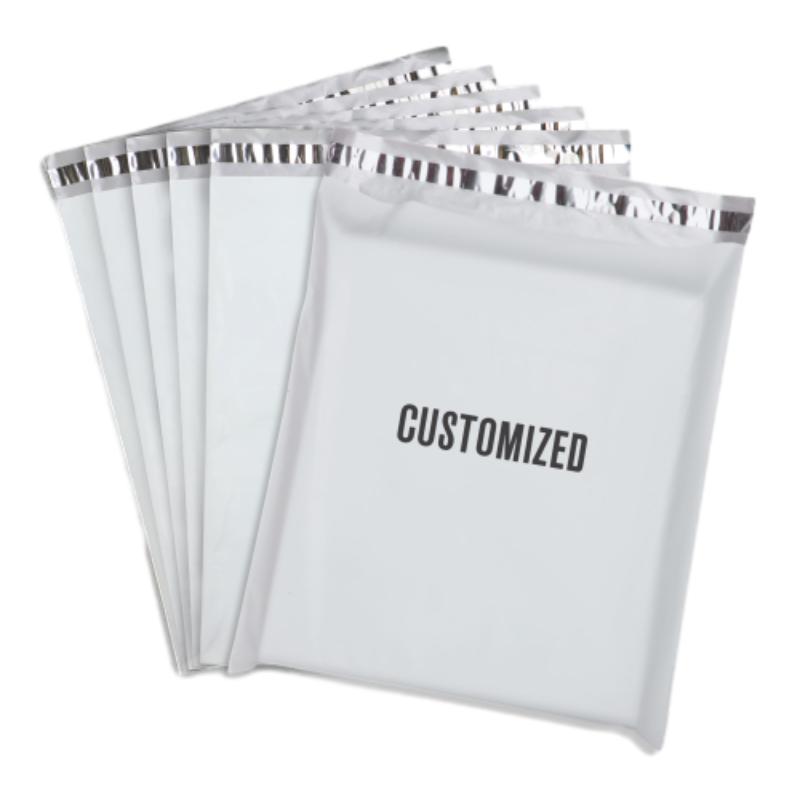
Put simply, teal poly mailers are lightweight, polyethylene-based plastic envelopes designed specifically for shipping small to medium-sized items. The teal color isn’t just aesthetic choice—many companies use colors like teal to differentiate product lines or signal eco-conscious packaging at a glance. These mailers incorporate a strong, puncture-resistant material with a self-sealing adhesive strip for quick, secure closure.
In a humanitarian sense, the waterproof, tear-proof properties help ensure donated goods and supplies arrive intact—even in rough transit conditions. The use of breathable, resilient materials aligns with ISO standards for transport packaging, emphasizing safety and durability (ISO 11607).
Key Characteristics of Teal Poly Mailers
1. Durability and Tear Resistance
Few packaging materials match the ability of teal poly mailers to hold up against rips, tears, and punctures—critical when you’re shipping clothing, books, or fragile items. The polyethylene blend is usually resistant to moisture, too, protecting contents from damage.
2. Cost Efficiency
Compared with cartons or padded envelopes, teal poly mailers reduce shipping weight drastically—sometimes by over 40%—leading to significant savings. Small businesses, in particular, benefit from this when postage fees are often calculated by weight.
3. Brand Differentiation Through Color
Teal offers an attractive way to stand out. Branding experts say color psychology in packaging influences customer perception and loyalty. It’s refreshing, calming, yet memorable without being too loud.
4. Environmental Impact
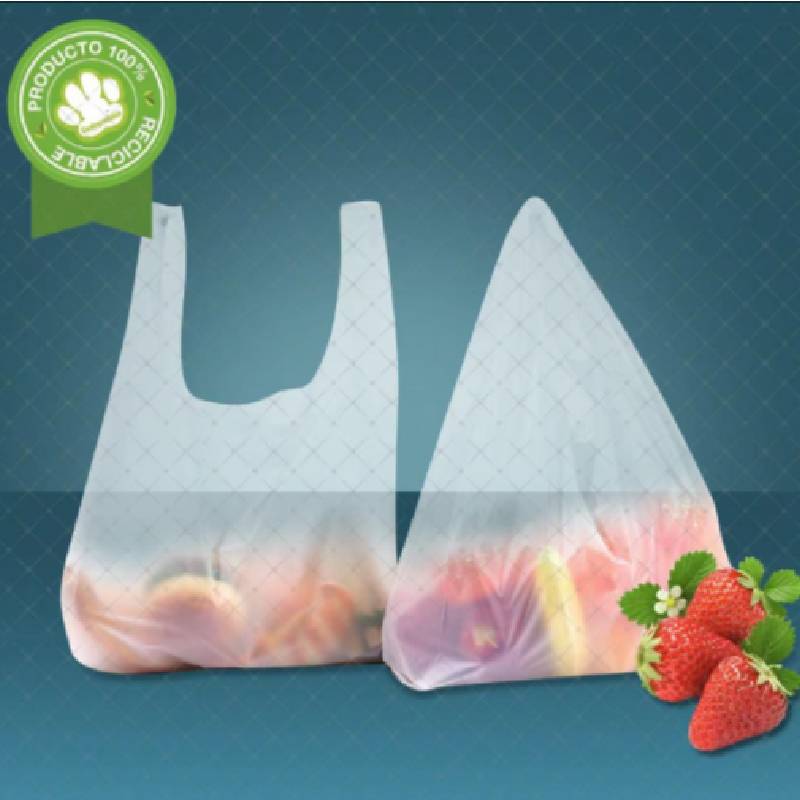
Though plastic, many manufacturers now integrate recycled polyethylene into teal poly mailers, and some offer fully compostable versions—helping companies meet their sustainability goals.
5. Ease of Use
Self-adhesive closure strips make packing a breeze. This is vital for high-volume fulfillment centers where speed and efficiency matter. It’s a simple touch, but it saves valuable seconds per package that add up dramatically over time.
Mini takeaway: What seems like a small envelope carries a surprising amount of innovation—durability, cost, branding, and greener materials all come together in the teal poly mailer.
Real-World Applications: Who Uses Teal Poly Mailers and Where?
Think of online fashion retailers shipping crisp tees and leggings, small parts distributors sending electronics components across continents, or NGOs sending medical supplies to remote zones. They all rely on teal poly mailers because of their unique blend of protection, weight saving, and cost efficiency. For example:
- Post-disaster Relief Operations: NGOs pack sensitive medical equipment and documents in waterproof teal poly mailers to keep them safe en route.
- Remote Industrial Zones: Suppliers send spare parts in sturdy teal mailers that withstand rough handling and humidity.
- E-commerce Startups: Emerging online sellers adopt teal mailers to build brand recognition and keep shipping budgets manageable.
Regions with growing e-commerce markets like Southeast Asia or Eastern Europe have resurged demand, highlighting that teal poly mailers aren’t just trendy—they’re practical choices for global commerce.
Key Technical Specifications of Typical Teal Poly Mailers
| Specification | Detail |
|---|---|
| Material | High-density polyethylene (HDPE) or recycled polyethylene |
| Thickness | 2 – 3 mil (50–75 microns) |
| Closure type | Self-adhesive peel & seal strip |
| Common sizes | 6"x9", 9"x12", 12"x15" |
| Temperature resistance | Up to 60°C (140°F) |
| Recyclability | Yes, in most municipal recycling programs |
Choosing Your Supplier: A Vendor Comparison
| Supplier | Material Quality | Customization Options | Sustainability Credentials | Typical Lead Time |
|---|---|---|---|---|
| Liyabiobag Co. | HDPE with recycled content | Fully custom printing & color matching | ISO 14001 certified | 2–3 weeks |
| EcoPack Solutions | 100% compostable polymer | Limited color options | Compostability certified ASTM D6400 | 4–5 weeks |
| ClearWrap Industries | Standard HDPE, virgin material | Basic printing only | No green certification | 1–2 weeks |
Why Businesses and Organizations Love Teal Poly Mailers
From saving money on shipping to reinforcing brand identity, the advantages stack up:
- Reduced shipping costs: Lightweight and flexible, lowering carriers’ fees.
- Eco improvements: Recyclable and, increasingly, compostable options shrink environmental footprints.
- Enhanced durability: Protects goods better than generic yellow or white mailers, enhancing customer trust.
- Visual impact: Vibrant teal signals modern eco-friendly practices, subtly inviting customer loyalty.
- Operational efficiency: Easy-to-handle sizes and quick-seal adhesives speed up warehouse order fulfillment.
In short: teal poly mailers manage to save money and “look good doing it” — a rare combo in packaging.
What’s on the Horizon? Future Trends in Poly Mailer Technology
There’s buzz about bioplastics and digital printing integration. Imagine mailers embedded with QR codes for instant tracking or made from algae-based polymers that degrade faster. Automation in fulfillment centers also pushes for mailers customizable by AI-driven demand forecasts.
Plus, stricter packaging regulations worldwide will favor suppliers with strong environmental certifications. That’s why companies like Liyabiobag are investing heavily in green innovation and flexible custom options — trying to stay one step ahead.
Are There Any Challenges With Teal Poly Mailers?
Certainly. While recycling facilities improve, not all regions accept polyethylene via curbside programs, which complicates end-of-life management. Plus, the rise in e-commerce demand makes supply chain consistency critical—shortages or delays can happen.
Advanced material blends incur higher costs, too, which not every small business can afford upfront. But through bulk procurement and vendor partnerships, many overcome these barriers. It’s sort of like any evolving product category — the kinks get worked out as demand matures.
FAQ: Practical Questions About Teal Poly Mailers
- Q1: How strong are teal poly mailers compared to cardboard boxes?
- A: While they can't replace boxes for heavy or fragile items, teal poly mailers excel for soft goods. Their tear-resistant polyethylene protects against punctures and moisture in transit.
- Q2: Can teal poly mailers be recycled with regular plastics?
- A: Yes—HDPE mailers are recyclable in most programs accepting plastic bags and films, but it varies locally. Remove labels and adhesives for best results.
- Q3: How customizable are teal poly mailers? Can I add logos or branding?
- A: Very customizable. Many suppliers offer full-color printing, variable sizes, and even tamper-evident closure options.
- Q4: Are teal poly mailers waterproof?
- A: They’re highly water-resistant, thanks to polyethylene’s properties. This makes them ideal for shipping in humid or wet conditions.
- Q5: What eco-friendly options exist for teal poly mailers?
- A: Compostable mailers made from plant-based polymers are emerging, as well as mailers containing recycled plastics. Certifications like ASTM D6400 indicate compostability.
Wrapping It All Up
Teal poly mailers may seem like a simple product, but their impact on packaging efficiency, brand identity, and sustainability is anything but trivial. For businesses and organizations juggling speed, cost, and environmental responsibility, they often hit the sweet spot. If you’re looking to explore how teal poly mailers can upgrade your shipping game, consider visiting teal poly mailers for tailored options and cutting-edge innovations.
Here’s to smarter, greener, and more colorful shipping ahead.
References
-
Secure Shipping Guide with Poly Mailer Bubble Wrap SolutionsNewsApr.16,2026
-
Secure Shipping Guide for Using Durable Bubble Parcel BagsNewsApr.09,2026
-
Comprehensive Guide to Poly Mailer Bubble for Secure and Efficient ShippingNewsApr.07,2026
-
Elevate Your Brand with Custom Designer Bubble Mailers for Effective PackagingNewsApr.04,2026
-
Comprehensive Guide to Poly Mailers with Bubble Wrap for Secure ShippingNewsMar.31,2026
-
Comprehensive Guide to Large Bubble Poly Mailers for Secure and Efficient ShippingNewsMar.28,2026
-
Have the freedom of customizing your custom mailers any way you want! Our dedicated packaging support will help deliver you the mailing experience you need to elevate your shipping experience to the next level! Start making a strong impression on your customers and stand out from your competitors! -
LIYA uses high quality raw materials which directly purchased from large enterprises domestic and overseas such as PetroChina, Sinopec, Sabic, Equate, ExxonMobil, Dow Chemical, Total, and Borouge, ensuring the price advantage and quality of the raw materials. -
LIYA uses high quality raw materials which directly purchased from large enterprises domestic and overseas such as PetroChina, Sinopec, Sabic, Equate, ExxonMobil, Dow Chemical, Total, and Borouge, ensuring the price advantage and quality of the raw materials.
 English
  Arabic
  China
China  French
  Korean
  Russian
  Spanish