Durable Bubble Mailer Envelopes – Protective & Eco-Friendly Packaging
Exploring Bubble Mailer Envelopes: Protective Packaging That Works
Having worked years in the industrial equipment sector, I’ve seen my fair share of packaging solutions come and go. Yet, bubble mailer envelopes remain surprisingly robust and versatile. Oddly enough, despite being a relatively simple concept, they have evolved quite a bit and are still one of the unsung heroes of protective shipping.
In real terms, when you’re shipping anything fragile, the padding matters just as much as the shell itself. Bubble mailers combine lightweight convenience with the cushioning power of tiny air-filled bubbles—hence the name. I’ve noticed that for small to medium-sized parts or even tech gadgets, bubble mailers often beat bulkier boxes on both cost and convenience.
The trends I’ve watched lately paint a clear picture: more companies want eco-friendly materials, yet they also need strong, reliable protection. Manufacturers are increasingly using recycled kraft paper combined with polyethylene bubble cores that resist crushing—a thoughtful balance between sustainability and durability. Many engineers I know appreciate that cleaner, innovative approach.
Of course, design matters a lot. Some comes with self-seal adhesives, which makes packing quicker (you don't need tape), while others feature reusability for certain cold-chain or return shipments. One interesting tidbit: the standard bubble diameter is typically around 6mm or 10mm, impacting cushion thickness and impact resistance.
Once, a small supplier I consulted was struggling with damaged parts despite traditional padded envelopes. Switching to a bubble mailer lined with a thicker bubble film saved their returns rate from 8% down to under 2%. It’s those practical results that really stick with me.
| Specification | Details |
|---|---|
| Material | Recycled Kraft Paper & Polyethylene Bubbles |
| Bubble Diameter | 6mm (small) or 10mm (large) |
| Thickness | 3mm to 6mm cushioning |
| Closure Type | Self-Seal Adhesive Strip |
| Sizes Available | From 4"x8" up to 12"x15" |
| Weight | Lightweight, ~30 to 60 grams per envelope |
You know, I sometimes get asked about how bubble mailers stack up across vendors. Frankly, the basics remain the same everywhere, but choices in material sourcing, bubble quality, and paper finish matter. Here’s a quick comparison among three reputable suppliers in the biz:
| Vendor | Material Quality | Eco-friendliness | Custom Printing Options | Price Range (per 100 pcs) |
|---|---|---|---|---|
| Liyabiobag | High-grade recycled kraft & bubble wrap | Certified 80% recycled content | Full color, low minimum order | $30 - $50 |
| EcoPack Solutions | Mid-quality kraft with bioplastic bubbles | Fully compostable option | Limited color print | $40 - $60 |
| FastShip Supplies | Standard kraft & polyethylene bubble | Recyclable but not recycled content | No custom print | $20 - $35 |
When choosing bubble mailers, consider what matters most for your products: eco impact, presentation, or budget. For example, I found that some colleagues in electronics packaging lean heavily toward vendors like Liyabiobag because their bubble mailers combine sustainability with impressive print quality. It just feels better to ship something that not only protects but also looks good.
And lastly, testing can’t be overlooked. Drop tests, puncture resistance, and moisture barriers are industry staples. Usually, the thicker-bubble structures fare better against rough handling, which frankly can’t be ignored, especially with those pesky shipping couriers.
So, if you’re in the market and want to give your shipping protection a smart upgrade, bubble mailers deserve a serious look. They’re lightweight, protective, and frankly, a bit more user-friendly than bulky foam or rigid boxes. Plus, exploring leading suppliers like Liyabiobag could simplify your sourcing hassle.
In the end, the packaging is more than protection—it’s the first impression your product makes after all.
— From an industry veteran who’s unpacked more than his fair share of protective mailers over the years.
References:
1. Sustainable Packaging Trends, Packaging World, 2023.
2. ASTM Drop Test Standards for Mailers, ASTM International.
3. Industry Interviews: Packaging Engineers Roundtable, 2022.
-
Secure Shipping Guide with Poly Mailer Bubble Wrap SolutionsNewsApr.16,2026
-
Secure Shipping Guide for Using Durable Bubble Parcel BagsNewsApr.09,2026
-
Comprehensive Guide to Poly Mailer Bubble for Secure and Efficient ShippingNewsApr.07,2026
-
Elevate Your Brand with Custom Designer Bubble Mailers for Effective PackagingNewsApr.04,2026
-
Comprehensive Guide to Poly Mailers with Bubble Wrap for Secure ShippingNewsMar.31,2026
-
Comprehensive Guide to Large Bubble Poly Mailers for Secure and Efficient ShippingNewsMar.28,2026
-
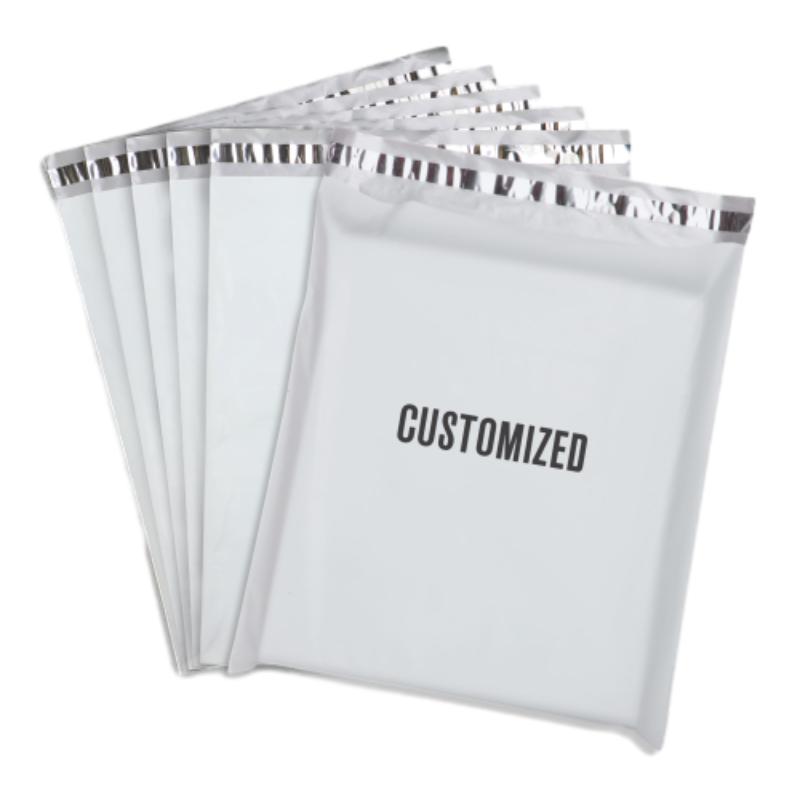
Have the freedom of customizing your custom mailers any way you want! Our dedicated packaging support will help deliver you the mailing experience you need to elevate your shipping experience to the next level! Start making a strong impression on your customers and stand out from your competitors! -
LIYA uses high quality raw materials which directly purchased from large enterprises domestic and overseas such as PetroChina, Sinopec, Sabic, Equate, ExxonMobil, Dow Chemical, Total, and Borouge, ensuring the price advantage and quality of the raw materials. -
LIYA uses high quality raw materials which directly purchased from large enterprises domestic and overseas such as PetroChina, Sinopec, Sabic, Equate, ExxonMobil, Dow Chemical, Total, and Borouge, ensuring the price advantage and quality of the raw materials.
 English
  Arabic
  China
China  French
  Korean
  Russian
  Spanish