Durable, Eco-Friendly Plastic Bags for Sending Parcels | Liyabiobag Solutions
Understanding Plastic Bags for Sending Parcels: More Than Just a Bag
You might glance past plastic bags for sending parcels as nothing more than packaging—yet, their global impact stretches far beyond your doorstep. Why does this matter? From e-commerce booms to emergency relief shipments, these bags help bridge the gap between sender and receiver with efficiency, protection, and sometimes a touch of environmental responsibility. Appreciating their role is key to understanding how we keep products moving in a complex, often unpredictable world.
The Global Context: Why Plastic Bags for Sending Parcels Are Essential
So here’s the thing: global parcel shipments recently hit record numbers, driven by expanding digital marketplaces and international trade. According to the Universal Postal Union (UPU), parcel volumes worldwide grew by over 20% in single years recently — that's tens of billions of packages zooming across borders. Packaging, especially durable yet lightweight plastic bags, has become crucial. Because let’s face it, cardboard boxes can be bulky and sometimes overkill for lightweight goods.
But there’s a challenge: how to keep parcels safe, dry, and intact without burdening supply chains with weight or cost? Enter plastic courier bags, designed for scalability, protection, and cost-effectiveness. These bags address key logistics problems that would otherwise slow down trade and hamper delivery reliability.
Mini takeaway: Plastic bags for sending parcels are not just packaging; they’re the backbone of modern parcel logistics, especially under booming delivery demands and global connectivity. (UPU data)
What Exactly Are Plastic Bags for Sending Parcels?
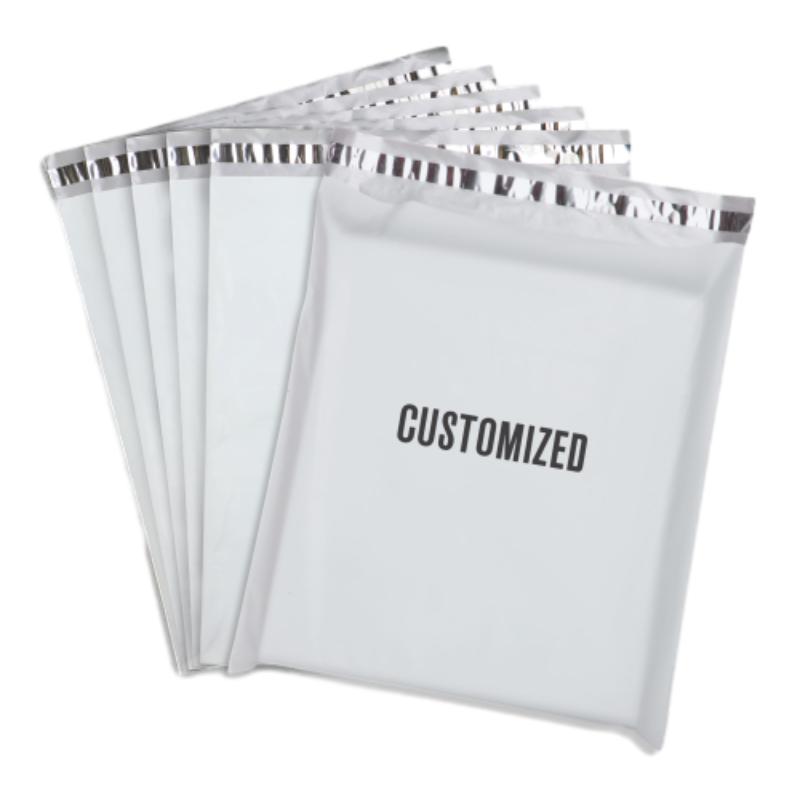
In plain terms, these are specially designed polyethylene (PE) or polypropylene (PP) bags made to safely encase parcels for transport and postal delivery. Unlike regular supermarket bags, they come with features like tamper-evident seals, water resistance, and sometimes reinforced layers to protect the contents inside.
These bags bridge two worlds: the rising tide of online retail and humanitarian aid supply chains needing lightweight, robust packaging. For example, a humanitarian group sending medical supplies to a remote area would prefer a plastic courier bag over cardboard to reduce bulk and protect against rain or dust.
Mini takeaway: They’re tailored packaging solutions that combine protection, practicality, and adaptability — supporting industries from ecommerce to emergency relief.
Key Components That Make Plastic Courier Bags Work
Durability
These bags have to survive rough handling — think conveyor belts, drones, or trucks bouncing over potholes. Their polyethylene construction typically uses high-density (HDPE) or low-density (LDPE) variants depending on toughness needed. The choice affects tear resistance and puncture strength. Oddly enough, many engineers say that just a slight blend adjustment can improve durability by 30%.
Lightweight Design
Keeping the package weight low is crucial — every gram saved reduces fuel costs and carbon footprint. A well-designed plastic bag is often less than 50 microns thick yet surprisingly strong, cutting down shipping expenses.
Cost Efficiency
Mass production and simple materials keep costs down, which benefits both mega-retailers and small businesses alike. Bulk ordering often yields even better pricing, but the key is balancing cost with performance so that fragile or valuable contents aren’t compromised.
Security Features
Tamper-evident seals and opaque options protect privacy and reduce potential theft. These features build trust — an often underrated factor when you’re buying from a distant seller.
Environmental Considerations
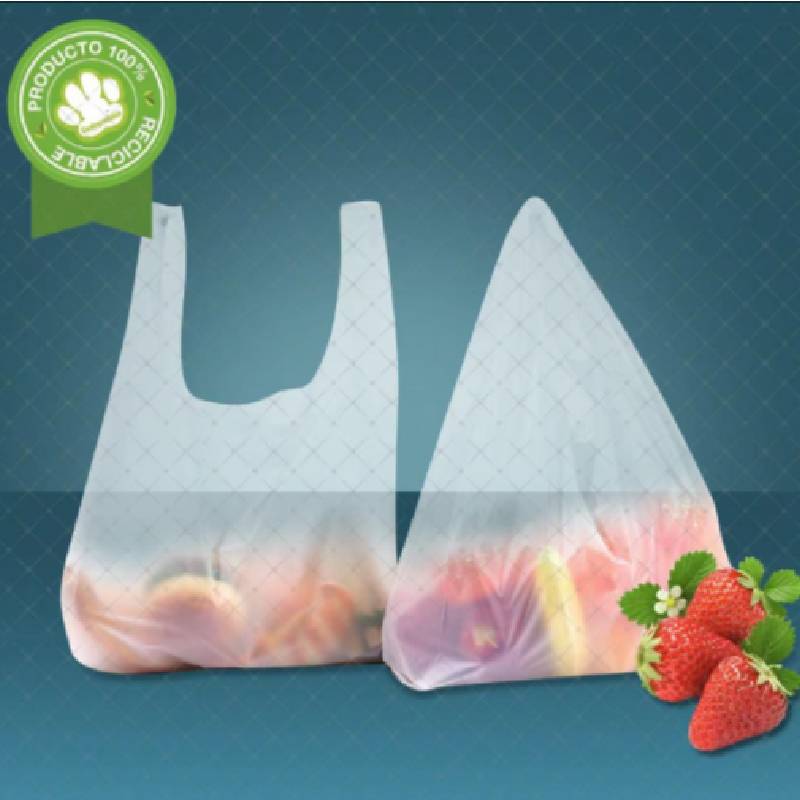
Increasingly, manufacturers use recycled plastics or biodegradable materials in response to tightening policies (think: EU’s Single-Use Plastics Directive). Though plastic bags have a complex environmental history, innovations are ongoing to help ease ecological impact without sacrificing parcel integrity.
| Feature | Specification |
|---|---|
| Material | HDPE or LDPE (often mixed with recycled content) |
| Thickness | 35–60 microns (depending on use case) |
| Seal Type | Self-adhesive tamper-evident strip |
| Water Resistance | High (impermeable to rain and moisture) |
| Max Load Capacity | Up to 5 kg |
| Custom Printing | Available (logos, tracking codes) |
Who Benefits? Global Applications & Use Cases
Practical examples show just how essential these courier bags are. In Southeast Asia, busy ecommerce hubs rely heavily on robust plastic bags for sending parcels daily to millions of customers. Meanwhile, NGOs operating in disaster zones—such as earthquake-stricken regions or flood-hit areas—turn to lightweight, waterproof poly mailers to quickly distribute relief supplies.
Industrial zones in remote locales also appreciate these bags’ convenience. For mined materials or small technical components shipped for assembly, durable sacks prevent damage from dust and humidity.
Even in cold climates, courier bags insulated or combined with thermal liners ensure perishable goods reach their destinations fresh—which is critical as food delivery services expand rapidly.
Mini takeaway: Across continents and industries — from e-commerce giants to global aid organizations — plastic bags for sending parcels keep goods moving efficiently, safely, and affordably.
What Makes Plastic Courier Bags a Smart Choice? Advantages and Long-Term Value
- Economic: Low production and shipping costs improve profitability.
- Sustainability Trend: New materials cut down ecological footprint without compromising quality.
- Reliability: Weatherproof and tamper-evident designs foster consumer confidence.
- Social Impact: Supports small businesses expanding online by providing affordable parcel packaging.
- Innovation Potential: Integration of QR codes and embedded sensors is just around the corner.
The Future of Plastic Bags for Sending Parcels: Trends and Innovations to Watch
Sustainability will be the kingpin. We’re seeing a shift toward biodegradable polymers and chemically recyclable plastics. Smart packaging embeds digital tracking—think RFID tags subtly integrated for real-time parcel location updates. Automation is also influencing manufacturing—robots tweaking print runs on demand.
Government regulations nudging industry players toward circular economy models are becoming stricter, echoing the EU and UN’s calls for plastic reduction. Though this complicates the mass adoption of plastic parcel bags, the innovation pipeline is full of adaptive solutions blending ecology and convenience.
Challenges Clouding the Horizon and How They're Tackled
One big hurdle remains: plastic waste. Despite recycling advances, contamination and inconsistent collection hamper efforts. Also, balancing bag strength with thinner materials is tricky—too thin, and you risk punctures; too thick, higher cost and environmental burden. Luckily, industry leaders invest heavily in research to optimize blends and recyclability.
Some companies offer take-back programs or partnerships with waste management entities—slowly closing the loop. Also, switching to compostable bio-based films can work in short supply chains but often struggles in global logistics due to temperature and durability requirements.
| Vendor | Material Type | Custom Printing | Sustainability Credentials | Typical Lead Time |
|---|---|---|---|---|
| Liyabiobag | HDPE/Recycled Polymer Blend | Yes (Up to 4 colors) | ISO 14001 Certified, Partial Compostable Options | 2-3 Weeks |
| EcoPack Solutions | 100% Compostable Bioplastic | Limited | BPI Certified Compostable | 3-4 Weeks |
| ParcelGuard | LDPE with Tamper Evident Strip | Yes (Logos & Barcodes) | Recyclable but No Certifications | 1-2 Weeks |
FAQs: Quick Answers About Plastic Bags for Sending Parcels
1. What makes plastic courier bags better than boxes for lightweight parcels?
Plastic bags are lighter, reduce shipping costs, and save storage space. They’re also waterproof and often feature tamper-evident seals, offering protection without bulk. For many e-commerce items like clothing or accessories, they’re simply more practical.
2. How can businesses ensure their plastic bags are environmentally responsible?
Choosing bags made with recycled content or certified compostable materials helps. Also, partnering with suppliers who are ISO 14001 certified and who offer take-back programs improves sustainability. Proper consumer education about disposal is crucial too.
3. Can plastic courier bags be customized for branding or security?
Absolutely! Most manufacturers offer custom printing for logos, tracking codes, or security features like tamper-evident strips. This not only improves brand visibility but also enhances parcel security.
4. Are plastic bags for sending parcels suitable for international shipments?
Yes, especially for less fragile items. Their waterproof and tear-resistant features protect contents well during complex transit. However, for fragile goods, additional cushioning or boxed packaging might be needed.
5. What innovations can we expect in the next few years?
Integration of smart sensors, improved biodegradable materials, and better recycling infrastructure. Digital traceability and customized on-demand printing are also rising trends, aiming to make parcel delivery more transparent and eco-friendly.
Wrapping It Up: Why Plastic Bags for Sending Parcels Are Here to Stay
All things considered, these humble yet high-tech bags play an outsized role in keeping global commerce humming. They blend affordability, durability, and increasingly sustainability, facing down challenges like waste and planetary pressure with innovation. If you’re looking into parcel solutions, whether running a startup or managing large-scale logistics, plastic bags for sending parcels remain a smart, evolving choice.
For trusted quality, eco-conscious options, and custom printing capabilities, you really should check out Liyabiobag. They combine technical specs with real industry know-how — a good partner for your packaging needs.
References and Further Reading
-
Secure Shipping Guide with Poly Mailer Bubble Wrap SolutionsNewsApr.16,2026
-
Secure Shipping Guide for Using Durable Bubble Parcel BagsNewsApr.09,2026
-
Comprehensive Guide to Poly Mailer Bubble for Secure and Efficient ShippingNewsApr.07,2026
-
Elevate Your Brand with Custom Designer Bubble Mailers for Effective PackagingNewsApr.04,2026
-
Comprehensive Guide to Poly Mailers with Bubble Wrap for Secure ShippingNewsMar.31,2026
-
Comprehensive Guide to Large Bubble Poly Mailers for Secure and Efficient ShippingNewsMar.28,2026
-
Have the freedom of customizing your custom mailers any way you want! Our dedicated packaging support will help deliver you the mailing experience you need to elevate your shipping experience to the next level! Start making a strong impression on your customers and stand out from your competitors! -
LIYA uses high quality raw materials which directly purchased from large enterprises domestic and overseas such as PetroChina, Sinopec, Sabic, Equate, ExxonMobil, Dow Chemical, Total, and Borouge, ensuring the price advantage and quality of the raw materials. -
LIYA uses high quality raw materials which directly purchased from large enterprises domestic and overseas such as PetroChina, Sinopec, Sabic, Equate, ExxonMobil, Dow Chemical, Total, and Borouge, ensuring the price advantage and quality of the raw materials.
 English
  Arabic
  China
China  French
  Korean
  Russian
  Spanish