Nov . 14, 2025 14:30
Back to list
Eco-Friendly Shipping Solutions: The Rise of Compostable Postage Bags
What are Compostable Postage Bags and Why You Should Care
If you’ve ever sent something through the post, you know the bags that hold everything together—and unfortunately, a lot of these are plastic. But now, compostable postage bags are gaining ground as a greener alternative, helping to cut down the mountains of non-recyclable waste the shipping industry generates annually. Why bother? Because nearly 20% of global plastic waste comes from packaging, and postage bags form a surprisingly big chunk of it. The good news: understanding these eco-friendly packaging options means not only shrinking your carbon footprint but also embracing a future where shipping is sustainable and responsible. ---The Global Context of Compostable Postage Bags
Globally, the shipping and packaging industries face growing pressure to ditch conventional plastics. According to the United Nations Environment Programme, roughly 300 million tons of plastic waste are produced every year worldwide, and most of it gets discarded or burned, contributing heavily to pollution and climate change. Compostable postage bags step into this problem with a promise: delivering products safely without lingering in the environment for centuries. Countries implementing stricter recycling laws — think the EU’s Single-Use Plastics Directive — are accelerating adoption of compostable options. Yet, challenges remain. Will these biodegradable alternatives hold up in the often harsh transit conditions? More importantly, can they be scaled economically? ---Understanding Compostable Postage Bags
Simply put, compostable postage bags are mailing envelopes or poly mailers made from materials that can break down naturally into humus within a composting process—usually industrial or home composting setups. Unlike traditional plastics derived from fossil fuels, these bags often rely on renewable bio-based materials like polylactic acid (PLA), starch blends, or cellulose films. The goal? To maintain protective strength during shipping but vanish into the soil fairly quickly afterward—typically under six months, depending on conditions. For industries focused on sustainability and NGOs operating in fragile environments, these bags help minimize waste burdens and support circular economy principles. ---Core Features of Compostable Postage Bags
1. Durability & Tear Resistance
Despite what you might assume, compostable bags aren’t just fragile green novelties. Engineers have worked hard to boost their mechanical strength so they fend off rips and shreds during sorting and transport—roughly comparable to standard polyethylene bags. Toughness is crucial in postal systems especially where automation can be rough on packages.2. Compostability Standards
These bags typically comply with standards such as ISO 17088 or ASTM D6400. This ensures their certification as compostable materials — that they break down without leaving microplastics and are safe for soil health. Having standardized certifications is why businesses choose branded compostable postage bags over unverified “green-washed” options.3. Scalability for Mass Production
Mass production of these bags is rapidly advancing. Thanks to improved blending techniques and wider availability of biopolymers, manufacturers can churn out large volumes at competitive prices. It’s no longer just a niche product for eco-conscious small businesses but a viable player in mainstream shipping.4. Cost Efficiency Over Time
Though initial costs might be slightly higher compared to virgin plastics, compostable postage bags help reduce long-term waste management spending and may provide tax credits in some regions. Plus, they enable businesses to tap into green branding opportunities. ---Real-World Use Cases: Where Compostable Postage Bags Shine
Across continents and industries, businesses and organizations deploy compostable postage bags in fascinating ways. In e-commerce hubs like Europe and North America, major brands are increasingly switching to this green packaging to meet customer demand for sustainability. Meanwhile, humanitarian aid operations in disaster zones find these bags invaluable—they can safely deliver medical supplies and documents, then break down harmlessly amid fragile ecosystems. Remote industrial zones, especially in regions with limited waste infrastructure, benefit significantly. Here, compostable postage bags reduce the environmental footprint without adding complicated collection logistics. Even boutique artisan sellers, thriving on compostable postage bags, are gaining traction as part of a conscious consumer movement. ---Advantages and Enduring Benefits of Compostable Postage Bags
Let’s face it, switching packaging materials is a straightforward but impactful step. Aside from obvious sustainability benefits, compostable postage bags: - Reduce landfill volume: They vanish in composting, not linger forever. - Enhance brand reputation: Customers notice and appreciate eco-actions. - Cut microplastic pollution: Unlike broken-down waste plastics, compostables turn into organic matter. - Support circular economy: Feed nutrients back into the soil. - Promote consumer safety and dignity: Packaging that’s non-toxic and environment-friendly. Emotionally, users feel reassured knowing their parcels come in bags that won’t choke landfills or harm wildlife down the road. Businesses feel empowered by innovation that aligns with global sustainability goals. ---Product Specifications of Compostable Postage Bags
| Specification | Details |
|---|---|
| Material | PLA / Starch Blend / Cellulose |
| Thickness | 50-80 microns |
| Certified Compostability | EN 13432, ASTM D6400 |
| Tear Resistance | Comparable to LDPE conventional bags |
| Decomposition Time | 3-6 months in industrial composting |
| Color Options | Natural/Brown, Clear, Custom Printing Available |
Vendor Comparison: Leading Compostable Postage Bags in the Market
| Vendor | Material Used | Certifications | Price Range | Customization |
|---|---|---|---|---|
| GreenPack Solutions | PLA/Starch blend | EN 13432, ASTM D6400 | Medium | Yes (Logo printing) |
| EcoWrap Industries | Cellulose film | OK Compost, TÜV Austria | Higher | Limited |
| BioPolymers Ltd. | Pure PLA | ASTM D6400 | Low-Medium | Yes, Bulk Orders |
What’s Next? Innovations and Trends on the Horizon
Green packaging technologies are evolving fast. Imagine postage bags embedded with compost-accelerating enzymes or made from algae-based bioplastics, reducing resource needs even more. Automation in packaging lines now supports biodegradable materials seamlessly, eliminating old bottlenecks. Digital printing methods with eco-friendly inks offer bespoke branding without environmental guilt. Plus, governments increasingly tie procurement and shipping contracts to sustainability criteria—forcing broader market shifts. Frankly, this is just the start. ---Common Challenges and How Industry Tackles Them
No tech is perfect out of the box. Compostable postage bags face hurdles such as: - Composting Infrastructure Gaps: Many regions lack commercial composting facilities suitable for these materials. - Cost Barriers: Higher upfront cost versus conventional bags can deter some smaller businesses. - Variable Breakdown Conditions: Home composting environments can be inconsistent, affecting decomposition reliability. Innovative solutions include expanding local composting networks, offering tiered pricing models, and hybrid material blends that balance compostability with durability. Educating end users also plays a key role. ---FAQ: Compostable Postage Bags
Q1: Can compostable postage bags be recycled like regular plastics?A: No, these bags are designed specifically for composting rather than recycling. Recycling can contaminate plastic streams, so it’s best to use proper composting facilities when possible. Q2: How strong are compostable postage bags compared to conventional plastic ones?
A: They offer comparable tear resistance and durability suitable for everyday shipping needs, though extremely sharp or heavy items may require special packaging. Q3: Are compostable postage bags safe to use in all climates?
A: Generally yes, but extremely humid or very cold conditions might affect their performance slightly. Most manufacturers test them for standard shipping environments. Q4: What certifications should I look for when sourcing compostable postage bags?
A: Look for ISO 17088 compliance, EN 13432 (EU), or ASTM D6400 (US) certifications which verify genuine compostability and safety standards. Q5: How long does it take for these postage bags to break down in compost?
A: Typically between 3 to 6 months under industrial composting conditions, but this can vary based on temperature, moisture, and compost quality. ---
Final Thoughts: Why Compostable Postage Bags Matter
Switching to compostable postage bags isn’t just an environmental checkbox—it’s a strategic investment in a cleaner future, smarter supply chains, and customer trust. They reduce waste, uplift corporate social responsibility profiles, and gently lead us away from plastic pollution. So whether you run a small artisan business or a multinational operation, adopting compostable mailers now helps prepare you for a more sustainable tomorrow. Ready to make the change? Visit https://www.liyabiobag.com to explore a wide range of certified compostable postage bags, tailored to your shipping needs. ---References & Thoughts:
- United Nations Environment Programme (UNEP) – Plastic Waste Facts
- ISO 17088 – Specifications for Compostable Plastics
- European Commission – Directive on Single-Use Plastics
Latest news
-
Secure Shipping Guide with Poly Mailer Bubble Wrap SolutionsNewsApr.16,2026
-
Secure Shipping Guide for Using Durable Bubble Parcel BagsNewsApr.09,2026
-
Comprehensive Guide to Poly Mailer Bubble for Secure and Efficient ShippingNewsApr.07,2026
-
Elevate Your Brand with Custom Designer Bubble Mailers for Effective PackagingNewsApr.04,2026
-
Comprehensive Guide to Poly Mailers with Bubble Wrap for Secure ShippingNewsMar.31,2026
-
Comprehensive Guide to Large Bubble Poly Mailers for Secure and Efficient ShippingNewsMar.28,2026
Latest Products
-
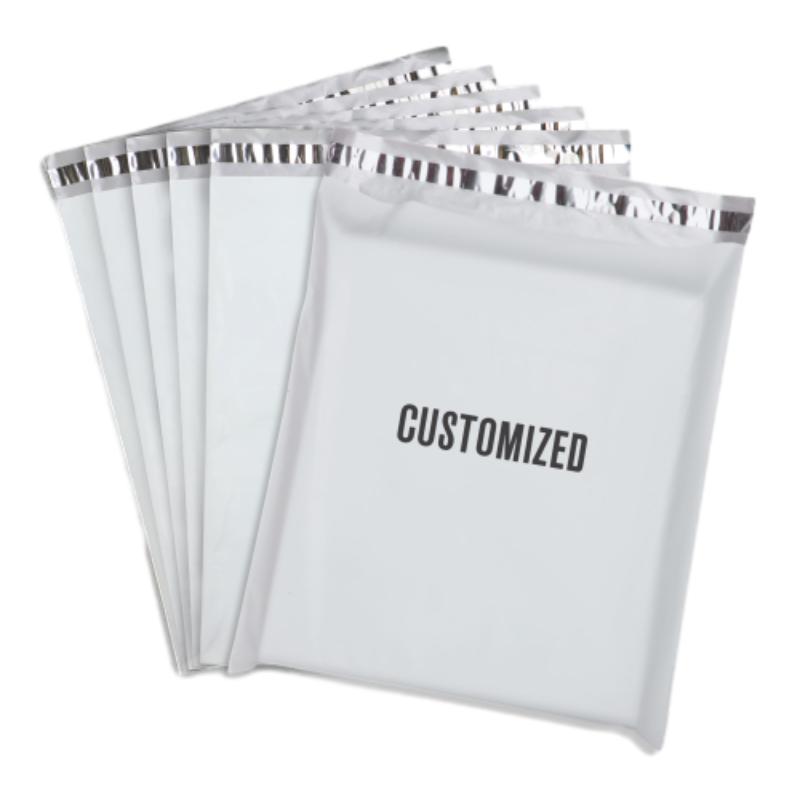
Have the freedom of customizing your custom mailers any way you want! Our dedicated packaging support will help deliver you the mailing experience you need to elevate your shipping experience to the next level! Start making a strong impression on your customers and stand out from your competitors! -
LIYA uses high quality raw materials which directly purchased from large enterprises domestic and overseas such as PetroChina, Sinopec, Sabic, Equate, ExxonMobil, Dow Chemical, Total, and Borouge, ensuring the price advantage and quality of the raw materials. -
LIYA uses high quality raw materials which directly purchased from large enterprises domestic and overseas such as PetroChina, Sinopec, Sabic, Equate, ExxonMobil, Dow Chemical, Total, and Borouge, ensuring the price advantage and quality of the raw materials.
 English
  Arabic
  China
China  French
  Korean
  Russian
  Spanish