Environmentally Friendly Shipping with Bio Mailer Bags | Sustainable Packaging Solutions
What Exactly Are Bio Mailer Bags and Why They’ve Grown So Important
If you’ve ever ordered something online, from a quirky handmade soap to a trendy eco-friendly gadget, chances are it arrived in some kind of mailer bag. Now, imagine if that simple, yet crucial packaging didn’t pile up in landfills or oceans. That’s where bio mailer bags come in. They’re reshaping the way businesses think about shipping and sustainability.
Globally, over 300 million tons of plastic waste are generated every year (UN Environment Programme), much of it from packaging materials that are notoriously hard to manage. The rapid growth of e-commerce (World Bank reports a 20%+ annual rise post-pandemic) means more demand for shipping materials. Bio mailer bags offer a neat, eco-friendly solution that meets this demand head-on by biodegrading quickly and reducing carbon footprints.
Mini takeaway: Understanding bio mailer bags isn’t just about green marketing — it’s about tackling a real environmental challenge tied deeply with global trade and consumer habits.
The Global Stage: Why Bio Mailer Bags Matter Now More Than Ever
The shipping and packaging industries together contribute significantly to environmental pollution — with plastics making up the bulk. Governments worldwide are tightening regulations, and consumers increasingly expect businesses to act responsibly. For instance, the EU’s 2021 directive bans single-use plastics, urging companies to innovate in packaging.
It’s no surprise then that manufacturers and retailers globally are pivoting to biodegradable packaging. Markets in Europe, Asia-Pacific, and North America are seeing substantial growth in bio mailer bags as a direct result. In fact, the global biodegradable packaging market is expected to surpass $21 billion by 2027 (Statista). Frankly, ignoring the trend is risky for business sustainability now.
So, What Exactly Are Bio Mailer Bags?
Simply put, a bio mailer bag is a shipping bag made from biodegradable materials—like corn starch, PLA (polylactic acid), or other plant-based polymers — designed to break down naturally in compost conditions without leaving harmful residues. Unlike regular plastic mailers, which can linger in the environment for centuries, bio mailers return to the earth in a controlled, relatively short timeframe.
They serve the modern world’s dual needs: dependable, lightweight packaging and eco-friendly credentials. This is especially useful for industries ranging from fashion and cosmetics to small-scale humanitarian relief items where safe, sustainable transport is a priority.
Key Factors That Make Bio Mailer Bags a Smart Choice
1. Biodegradability & Compostability
The soul of any bio mailer bag is its ability to degrade. Made using certified compostable materials, these bags usually break down within 90 to 180 days under industrial composting conditions. This makes them a significantly better alternative to petrochemical plastics that resist decay.
2. Strength & Durability
You might wonder, can eco-friendly mailers really protect your products? Many engineers I've chatted with say modern bio mailers are surprisingly durable—tear-resistant and waterproof, yet still lightweight. The secret is in clever material blends and lamination strategies.
3. Cost Efficiency
Initially, these bags can seem a bit pricier than traditional poly mailers. But when you factor in environmental compliance costs, brand loyalty, and consumer goodwill, the equation shifts. For many businesses, choosing bio mailers feels more like an investment than an expense.
4. Customization
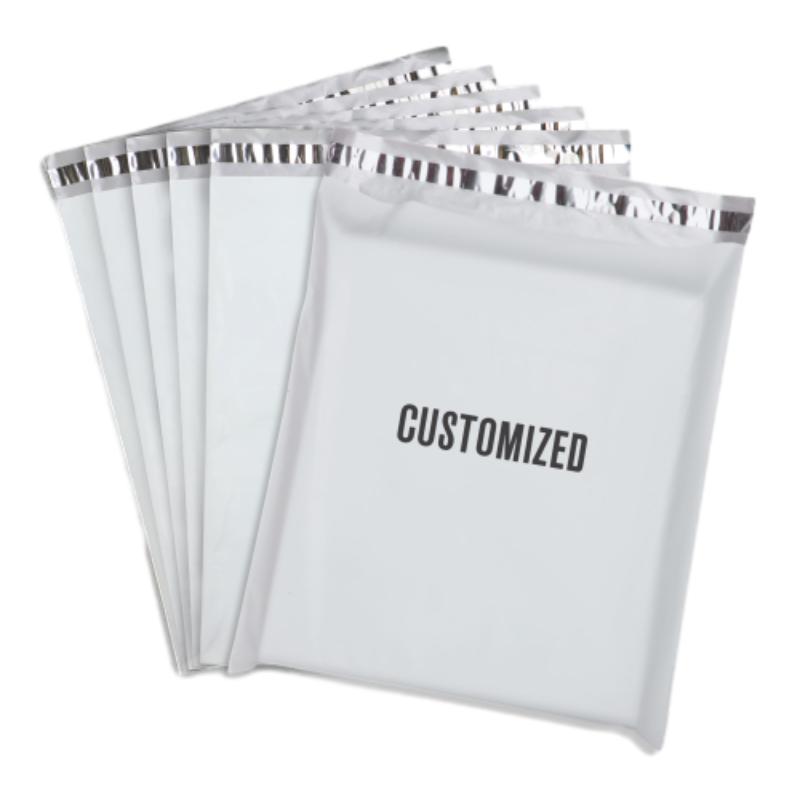
Bio mailers are highly adaptable. From printing biodegradation certifications right on the bag to adding logos, QR codes, or tamper-evident seals, these bags can be tailored for identity and security — reducing waste even further by promoting reuse and reorder.
Product Specification Table
| Feature | Description |
|---|---|
| Material | PLA (Polylactic Acid), Corn Starch blends |
| Degradation Time | 90-180 days (industrial composting) |
| Strength | Tear-resistant and waterproof |
| Customization | Available with printing, tamper-seals, QR codes |
| Typical Sizes | From 5x8 inches to 14x20 inches |
| Certifications | OK Compost, ASTM D6400, EN 13432 |
Where Are Bio Mailer Bags Making a Real Difference?
You’ll find bio mailers in all sorts of places now. In Europe, eco-conscious fashion brands package their goods in bio mailers as a badge of environmental responsibility. In North America, many SMEs and Etsy sellers are switching to sustainable shipping to build trust with a green-focused customer base.
Interestingly, NGOs operating in post-disaster relief use bio mailer bags to send out medical supplies and hygiene kits. The bags don’t just protect contents; they assure aid doesn’t add plastic burdens. Even remote industrial zones, where waste management is tricky, benefit from packaging that breaks down without specialist disposal.
Mini takeaway: While the appeal of bio mailers is obvious in retail, their real-world applications are surprisingly broad — spanning humanitarian work to rugged industrial uses.
Advantages and Lasting Value of Bio Mailer Bags
- Environmental benefit: Significantly reduces landfill waste and plastic pollution.
- Brand image: Signals to customers that the company cares about sustainability and innovation.
- Regulatory compliance: Keeps companies ahead of increasingly strict packaging laws worldwide.
- Emotional connection: Customers feel safer and proud supporting eco-friendly packaging.
- Economic sense: Though priced slightly higher initially, the long-term savings in disposal fees and environmental impact are substantial.
Looking Ahead: Future Innovations in Bio Mailer Bags
The packaging industry isn’t standing still. Innovations in materials from algae-based films to enhanced compostable laminates promise even better performance. Plus, smart packaging technology is edging in—think embedded QR codes that explain bag disposal or even sensors that confirm biodegradation status.
Policies supporting circular economies and zero waste are pushing manufacturers to rethink design from cradle to grave. Bio mailer bags may soon be fully integrated with digital supply chains, ensuring transparency and traceability — a green supply chain dream, really.
Common Challenges and How the Industry is Tackling Them
One big challenge? Public confusion over how to dispose of bio mailer bags properly. If tossed into regular trash, they may not degrade as intended. Some companies are improving labeling and consumer education to fix this.
Cost remains a hurdle for smaller businesses, though rising demand and mass production have steadily driven prices down. Also, achieving the right balance of strength and compostability takes ongoing R&D.
Fortunately, collaboration between governments, NGOs, and manufacturers is fostering better waste infrastructure and innovation pipelines. It feels like the sector is on the cusp of a tipping point.
FAQ: Common Questions about Bio Mailer Bags
- Are bio mailer bags waterproof if they’re biodegradable?
- Yes. Most bio mailer bags are engineered to be waterproof and tear-resistant for shipping security. They stay stable in transit but break down under proper composting conditions.
- How should I dispose of a bio mailer bag?
- Ideally, put bio mailers into industrial composting facilities. Some home composting setups work too, but check your local guidelines. Avoid standard landfill trash bins to ensure they degrade properly.
- Do bio mailer bags cost much more than plastic ones?
- They generally have a higher upfront cost — roughly 20-40% more — but savings on environmental fees and higher customer loyalty often justify it.
- Can I customize bio mailer bags with my branding?
- Absolutely. Most suppliers offer custom printing, from logos to messaging about sustainability, helping your packaging stand out.
- Are bio mailers available in various sizes?
- Yes, sizes range from small (5x8 in) for jewelry to large (14x20 in) for apparel and bulky goods — there’s usually something for every product.
Vendor Comparison: Finding the Right Bio Mailer Partner
| Supplier | Price per Unit | Compostability Certification | Customization Options | Minimum Order Quantity |
|---|---|---|---|---|
| EcoPack Solutions | $0.25 - $0.40 | ASTM D6400, OK Compost | Full-color printing, QR codes | 5000 units |
| GreenMail Co. | $0.22 - $0.35 | EN 13432 | Logo printing, biodegradable ink | 3000 units |
| Liya BioBag | $0.28 - $0.38 | OK Compost, ASTM D6400 | Custom sizes, tamper seals, full branding | 1000 units |
Wrapping Up: Why Bio Mailer Bags Are More Than Just Packaging
Bio mailer bags represent a harmonious blend of sustainability, practicality, and a forward-thinking mindset. They help businesses not just tick the eco-friendly box, but actively contribute to reducing plastic pollution. As the global push for greener packaging gains momentum, switching to biodegradable mailers feels less like a niche choice and more like the future. Whether you’re a retailer, an NGO, or even just an informed customer, embracing bio mailer bags is a small change that echoes big.
Curious to explore bio mailer options and see how they fit your needs? Visit bio mailer bags for custom solutions that merge quality with conscience.
References
-
Secure Shipping Guide with Poly Mailer Bubble Wrap SolutionsNewsApr.16,2026
-
Secure Shipping Guide for Using Durable Bubble Parcel BagsNewsApr.09,2026
-
Comprehensive Guide to Poly Mailer Bubble for Secure and Efficient ShippingNewsApr.07,2026
-
Elevate Your Brand with Custom Designer Bubble Mailers for Effective PackagingNewsApr.04,2026
-
Comprehensive Guide to Poly Mailers with Bubble Wrap for Secure ShippingNewsMar.31,2026
-
Comprehensive Guide to Large Bubble Poly Mailers for Secure and Efficient ShippingNewsMar.28,2026
-
Have the freedom of customizing your custom mailers any way you want! Our dedicated packaging support will help deliver you the mailing experience you need to elevate your shipping experience to the next level! Start making a strong impression on your customers and stand out from your competitors! -
LIYA uses high quality raw materials which directly purchased from large enterprises domestic and overseas such as PetroChina, Sinopec, Sabic, Equate, ExxonMobil, Dow Chemical, Total, and Borouge, ensuring the price advantage and quality of the raw materials. -
LIYA uses high quality raw materials which directly purchased from large enterprises domestic and overseas such as PetroChina, Sinopec, Sabic, Equate, ExxonMobil, Dow Chemical, Total, and Borouge, ensuring the price advantage and quality of the raw materials.
 English
  Arabic
  China
China  French
  Korean
  Russian
  Spanish