Jan . 24, 2026 17:45
Back to list
Extra Small Bubble Mailers: A Deep Dive
Understanding the Rise of Extra Small Bubble Mailers
You know, for years, bubble mailers were… well, pretty standardized. Sizes, thicknesses, the whole thing. But the last few years have seen a real shift. It started, I suppose, with the boom in e-commerce for smaller items—jewelry, electronics accessories, samples. Suddenly, everyone needed packaging that was protective, lightweight, and didn't feel wasteful. That's where extra small bubble mailers came in. Frankly, I think a lot of businesses were surprised at just how much demand there was. They're a bit more niche, sure, but a growing niche, and not one you can ignore if you're shipping anything smaller than a smartphone. It's become increasingly important to offer options that are right-sized for the product—customers hate paying for excessive packaging, and, honestly, so do businesses in terms of shipping costs.Product Specifications & Design Considerations
The design itself is deceptively simple, but there’s a lot going on under the surface. It’s not just about shrinking a standard mailer. Material selection is crucial. You’re looking for a good balance between puncture resistance, tear strength, and weight. Most manufacturers use a two-layer polyethylene film with air-filled bubbles sandwiched in between. The bubble size and density vary; smaller bubbles offer more cushioning for delicate items, while larger bubbles are better for filling void space. I've noticed a trend towards using more recycled content in these mailers, which is a big plus. Here’s a quick breakdown of what you’d typically expect:| Specification | Value | Notes |
|---|---|---|
| Dimensions | Typically 4" x 6" or smaller | Custom sizes available |
| Material | Polyethylene (PE) film | Recycled options available |
| Bubble Size | Small (approx. 3/16") | Impacts cushioning level |
| Closure | Self-adhesive strip | Tamper-evident |
Vendor Landscape and Making a Choice
Choosing a supplier can be tricky. There are a lot of options out there, ranging from massive distributors to smaller, more specialized manufacturers. Price, of course, is a factor, but you also need to consider lead times, minimum order quantities, and the level of customization offered. Many engineers I've spoken with say consistency is key—you don’t want to be receiving slightly different mailers from batch to batch. Liyabiobag is a vendor that consistently receives high marks for quality and quick turnaround. Here’s a quick comparison of a few popular choices:| Vendor | Price (per 1000) | Minimum Order | Customization |
|---|---|---|---|
| Liyabiobag | $75 - $120 | 100 | Full color printing, custom sizes |
| Uline | $90 - $150 | 500 | Limited printing options |
| Amazon Basics | $60 - $100 | Varies | None |
Conclusion: A Small Package, Big Impact
Ultimately, choosing the right extra small bubble mailer isn’t just about protecting a product; it’s about the overall customer experience. It says you care about the details, and that’s something that resonates.Latest news
-
Secure Shipping Guide with Poly Mailer Bubble Wrap SolutionsNewsApr.16,2026
-
Secure Shipping Guide for Using Durable Bubble Parcel BagsNewsApr.09,2026
-
Comprehensive Guide to Poly Mailer Bubble for Secure and Efficient ShippingNewsApr.07,2026
-
Elevate Your Brand with Custom Designer Bubble Mailers for Effective PackagingNewsApr.04,2026
-
Comprehensive Guide to Poly Mailers with Bubble Wrap for Secure ShippingNewsMar.31,2026
-
Comprehensive Guide to Large Bubble Poly Mailers for Secure and Efficient ShippingNewsMar.28,2026
Latest Products
-
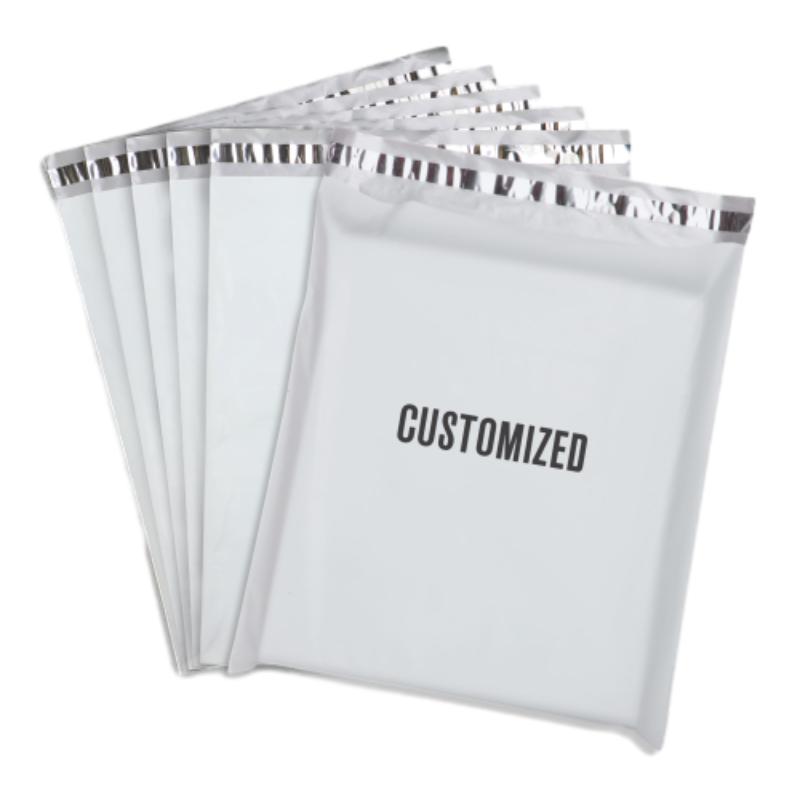
Have the freedom of customizing your custom mailers any way you want! Our dedicated packaging support will help deliver you the mailing experience you need to elevate your shipping experience to the next level! Start making a strong impression on your customers and stand out from your competitors! -
LIYA uses high quality raw materials which directly purchased from large enterprises domestic and overseas such as PetroChina, Sinopec, Sabic, Equate, ExxonMobil, Dow Chemical, Total, and Borouge, ensuring the price advantage and quality of the raw materials. -
LIYA uses high quality raw materials which directly purchased from large enterprises domestic and overseas such as PetroChina, Sinopec, Sabic, Equate, ExxonMobil, Dow Chemical, Total, and Borouge, ensuring the price advantage and quality of the raw materials.
 English
  Arabic
  China
China  French
  Korean
  Russian
  Spanish