Home Window Tinting: Privacy, UV & Energy Savings
The Practical Guide to Home Window Tinting (with Pro-Grade Protection Tips)
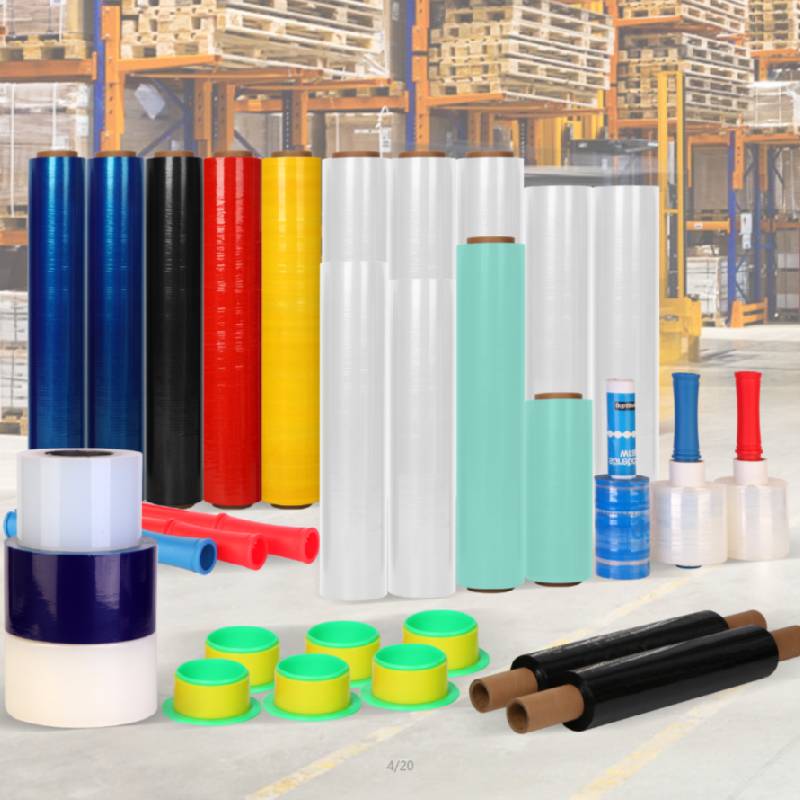
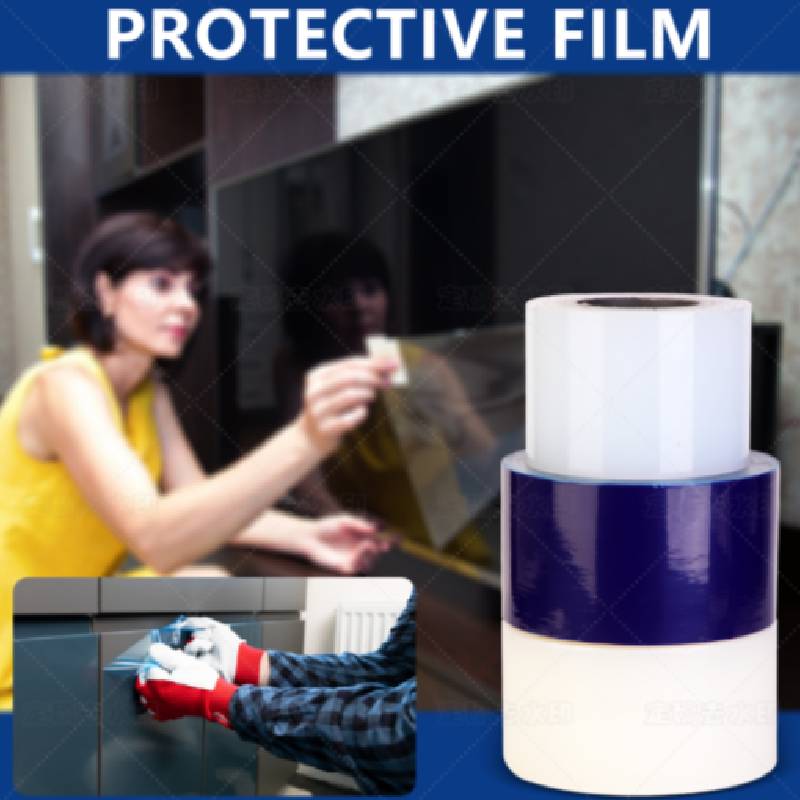
Thinking about Home Window Tinting? Here’s the truth from the field: the best installs aren’t only about the tint. They’re about surface prep and protection, especially when painters, remodelers, or kids (yep) are in the mix. One product I see more crews using is LIYA’s PE-based, low-tack blue protection film—temporary, UV-resistant, and designed to come off clean. It’s not the “tint” itself; it’s the shield that keeps glass pristine before, during, and after installation.
Industry trend check: ceramic and nano-ceramic tints keep gaining share for heat rejection without mirror glare, while homeowners want faster installs with fewer callbacks. Protective films reduce scratches, dust contamination, and paint flecks—saves rework. Many installers quietly swear by it.
How pros actually do Home Window Tinting
- Site survey: measure VLT targets, glare points, SHGC goals; check seal failures and existing coatings.
- Protection: apply low-tack film on frames/surrounding glass to prevent scratches and paint transfer.
- Prep: pH-neutral clean, blade scrape, tack cloth; dust control is huge.
- Wet application: film aligned, squeegee from center; trim and edge seal where needed.
- Cure: 3–30 days (climate dependent). Light hazing is normal initially.
- QC: peel-adhesion spot checks (ASTM D3330), haze/clarity (ASTM D1003), visual defects under raking light.
Product specs (LIYA Protective Film)
Origin: Plastic Packing Park, Xiongxian, Baoding, Hebei, China 071800
| Parameter | Typical Value (≈, real-world may vary) |
|---|---|
| Base material | PE (polyethylene), blue tint |
| Adhesive | Acrylic, low-tack, residue-free removal |
| Thickness | ≈ 40–80 μm |
| Peel adhesion (ASTM D3330) | ≈ 0.3–0.6 N/cm @23°C, 50% RH |
| UV stability (ASTM G154) | Withstands short-term UV exposure; colorfast for typical project timelines |
| Recommended dwell | ≈ 60–180 days (check environment) |
| Removal | Clean peel, no residue when removed on schedule |
Where it fits in Home Window Tinting
- Renovations: shield glass/mirrors during painting and drywall work.
- Tint installs: protect adjoining panes and frames from tool slips.
- New builds: transport and staging without micro-scratches.
- High-traffic homes: temporary kid/pet protection during move-in.
Vendor snapshot (what buyers compare)
| Vendor | Focus | Adhesive type | Certs/Standards | Warranty |
|---|---|---|---|---|
| LIYA (Hebei, CN) | Temporary glass protection | Acrylic low-tack | ASTM D3330/D882/G154; ISO 9001 (typ.) | Project-based; consult supplier |
| Premium Tint Brand | Ceramic solar-control films | PS adhesive, permanent | NFRC data; IWFA guidelines | 10–15 yrs (residential) |
| Budget Retail Film | DIY dyed/metalized | PS adhesive | Limited published data | 1–5 yrs |
Customization and service life
LIYA protection film can be ordered in custom widths, roll lengths, and adhesion levels. Many contractors ask for pre-slit rolls to fit sash widths—faster masking, less waste. Service life is temporary by design (around 2–6 months); permanent tint films typically last 10–20 years, depending on UV load and glass type.
Real-world notes and mini case studies
- Phoenix retrofit: ceramic tint cut SHGC from ≈0.76 to ≈0.38; cooling bills dropped ≈10–15% in first summer (family feedback; utility data pending) [1].
- Coastal condo repaint: temporary film prevented overspray; zero scratch claims—GC avoided a $2,000 glass replacement.
- Installer feedback: “low-tack saved us the day when a ladder clip grazed the pane—no mark.” That’s common, surprisingly.
Standards, testing, and documentation
- Peel adhesion: ASTM D3330; tensile: ASTM D882; UV exposure: ASTM G154.
- Optical haze/clarity for glass systems: ASTM D1003.
- Solar performance for tints: NFRC ratings; follow IWFA install best practices.
- Look for ISO 9001 manufacturing, REACH/RoHS declarations, and if indoors with kids, GREENGUARD-type VOC assurances.
Citations:
- NFRC – Window Film Energy Performance Ratings: https://www.nfrc.org/
- IWFA – International Window Film Association Best Practices: https://iwfa.com/
- ASTM D3330 – Peel Adhesion of Pressure-Sensitive Tape: https://www.astm.org/d3330
- ASTM D1003 – Haze and Luminous Transmittance: https://www.astm.org/d1003
- ASTM G154 – UV Exposure of Plastics: https://www.astm.org/g0154
-
Secure Shipping Guide with Poly Mailer Bubble Wrap SolutionsNewsApr.16,2026
-
Secure Shipping Guide for Using Durable Bubble Parcel BagsNewsApr.09,2026
-
Comprehensive Guide to Poly Mailer Bubble for Secure and Efficient ShippingNewsApr.07,2026
-
Elevate Your Brand with Custom Designer Bubble Mailers for Effective PackagingNewsApr.04,2026
-
Comprehensive Guide to Poly Mailers with Bubble Wrap for Secure ShippingNewsMar.31,2026
-
Comprehensive Guide to Large Bubble Poly Mailers for Secure and Efficient ShippingNewsMar.28,2026
-
Have the freedom of customizing your custom mailers any way you want! Our dedicated packaging support will help deliver you the mailing experience you need to elevate your shipping experience to the next level! Start making a strong impression on your customers and stand out from your competitors! -
LIYA uses high quality raw materials which directly purchased from large enterprises domestic and overseas such as PetroChina, Sinopec, Sabic, Equate, ExxonMobil, Dow Chemical, Total, and Borouge, ensuring the price advantage and quality of the raw materials. -
LIYA uses high quality raw materials which directly purchased from large enterprises domestic and overseas such as PetroChina, Sinopec, Sabic, Equate, ExxonMobil, Dow Chemical, Total, and Borouge, ensuring the price advantage and quality of the raw materials.
 English
  Arabic
  China
China  French
  Korean
  Russian
  Spanish