Large Plastic Mailing Envelopes: Durable, Cost-Effective, and Sustainable Shipping Solutions
Large Plastic Mailing Envelopes: The Unsung Heroes of Global Shipping
At a glance, large plastic mailing envelopes might just seem like simple carriers, but their significance is anything but small. They're quietly revolutionizing how businesses, humanitarian organizations, and even governments move goods worldwide. Frankly, understanding these envelopes is more important than you’d think — especially in our hyper-connected world where reliable packaging equals trust, cost savings, and sustainability.
Introduction: Why Large Plastic Mailing Envelopes Matter Globally
Whether you’re ordering from an international e-commerce site or sending critical documents across continents, large plastic mailing envelopes play an indispensable role. According to the United Nations Statistical Division, global parcel volumes have surged by nearly 28% annually over the past five years, driven largely by online shopping’s boom.
But the rise in shipments poses a packaging challenge: how do you protect parcels reliably, keep costs down, and do it sustainably? This is where these envelopes solve a tangible problem — providing durable, lightweight, moisture-resistant protection that supports efficient logistics worldwide.
What Are Large Plastic Mailing Envelopes?
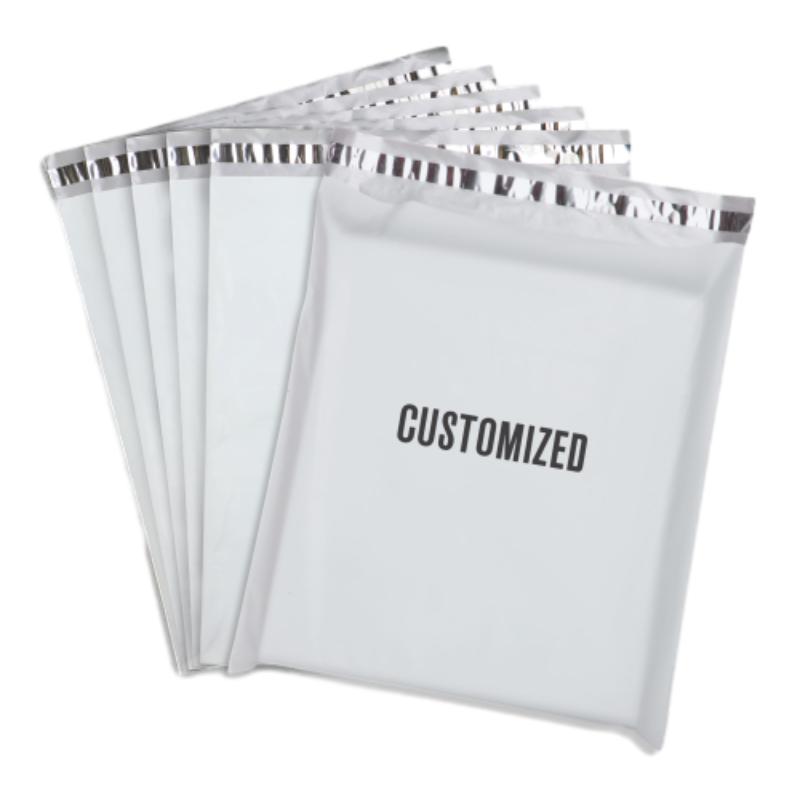
Simply put, large plastic mailing envelopes are flexible, typically polyethylene-based envelopes designed to safely transport sizable items. They differ from traditional paper envelopes by offering superior tear resistance and waterproof capabilities. They're often used for bulky clothing, textiles, documents, or non-fragile goods. Behind their modest appearance lies a blend of polymer science and smart engineering tailored to modern shipping demands.
Key Features of Large Plastic Mailing Envelopes
Durability
Plastic mailing envelopes are crafted from materials like low-density polyethylene (LDPE) or polypropylene, giving them remarkable resistance against tearing, punctures, and moisture infiltration. This means parcels arrive intact, even after rough handling during transit — crucial for customer satisfaction.
Lightweight & Cost-Efficient
Compared with traditional boxes or rigid packaging, plastic envelopes significantly cut down weight and volume. This translates to lower shipping costs and reduced carbon footprint — a win-win for companies and the planet.
Scalability and Versatility
These envelopes come in various sizes and can be customized with features like tamper-evident seals, writable surfaces, or reinforced bottoms. Their adaptability makes them suitable whether you’re a small retailer or a massive logistics operator.
Water & Weather Resistance
Because they don't absorb moisture, plastic mailing envelopes protect contents from rain, spills, and humidity — the kind of hazards paper packaging can’t always defend against adequately.
Recyclability & Environmental Impact
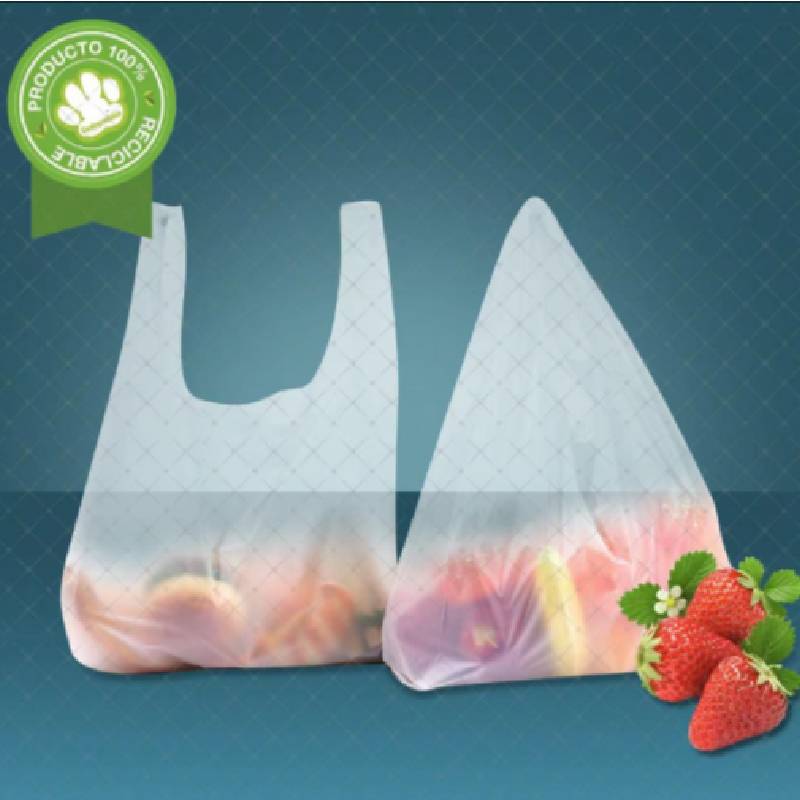
While being plastic, many mailing envelopes today are designed to be recyclable or even made with recycled materials. This matters strongly as the shipping industry grapples with waste management and sustainability challenges.
Product Specification Snapshot
| Specification | Typical Property |
|---|---|
| Material | Low-Density Polyethylene (LDPE) |
| Thickness | 50 to 100 microns |
| Size Range | 12" x 15" up to 24" x 30" |
| Closure Type | Self-adhesive peel strip |
| Water Resistance | Excellent (waterproof) |
| Recyclable | Yes, depending on local facilities |
Mini takeaway: Large plastic mailing envelopes are built tough yet lightweight, making them essential for efficient, safe, and cost-effective shipping.
Global Applications & Use Cases
- E-commerce: Giants like Amazon and smaller retailers alike rely on large plastic mailing envelopes to send apparel and accessories worldwide.
- Humanitarian Aid: NGOs use these envelopes to dispatch critical documentation and supplies quickly in post-disaster scenarios, especially in humid or rainy regions.
- Healthcare: Medical companies ship non-fragile, dirt-sensitive items such as samples or PPE with plastic envelopes for contamination control.
- Publishing & Print: Magazines and catalogs often travel in large plastic envelopes to prevent moisture damage during transit.
For instance, after the 2010 Haiti earthquake, relief organizations employed waterproof mailing envelopes to distribute essential documents and supplies despite challenging weather and damaged infrastructure.
Vendor Comparison: A Quick Look
| Vendor | Material Quality | Customization | Price per 1000 | Sustainability |
|---|---|---|---|---|
| Liya Biobag | High-grade recyclable LDPE | Full branding & sizes | $95 | Yes, eco-certified |
| SecurePack Ltd. | Standard LDPE blend | Limited colors | $75 | No data |
| EcoPost Solutions | Bio-degradable blends | Custom prints & sizes | $110 | Strong emphasis on green |
Mini takeaway: While price and quality vary, choosing suppliers that prioritize sustainability and customization can yield long-term benefits.
Advantages & Long-Term Value
The practical benefits of large plastic mailing envelopes extend beyond just keeping items dry. They contribute to lowering shipping expenses by lightening parcels and reducing waste sent to landfills. There's also an emotional element at play: secure packaging builds consumer confidence and brands trust.
Socially, when used by humanitarian groups, these envelopes help preserve the dignity and safety of recipients by ensuring that aid materials arrive intact and clean. From a sustainability standpoint, the evolving use of recycled materials reaffirms companies' commitment to environmental stewardship.
Future Trends & Innovations
Expect innovations like bio-based polymers and compostable mailing envelopes to gain momentum. Industry observers note increased focus on circular economy principles: developing envelopes that can safely re-enter recycling streams or break down naturally. Furthermore, digital printing technologies enable more efficient, customizable branding directly on mailing envelopes, saving additional resources.
Automation in production lines also means faster turnaround times and reduced costs, which benefits both manufacturers and users alike.
Challenges & Practical Solutions
But, no packaging solution is perfect. One key challenge remains: recycling infrastructure isn’t yet universally available, so even recyclable envelopes can end up as waste. Also, some recipients worry about plastic waste's environmental footprint.
Experts suggest pairing product design with consumer education and improved collection programs. Initiatives like ISO standards for recyclable plastic packaging are pushing the industry towards harmonized sustainability practices that go beyond just using greener materials.
FAQ: Frequently Asked Questions About Large Plastic Mailing Envelopes
- Q: Are large plastic mailing envelopes waterproof enough for extreme weather?
- A: Most high-quality large plastic mailing envelopes use polyethylene materials offering excellent water resistance, protecting contents in rain or humid conditions. However, they’re best for non-fragile goods; additional waterproofing may be needed for sensitive items.
- Q: Can these envelopes be customized with company branding?
- A: Absolutely. Many suppliers provide custom printing options, including logos, color schemes, and security features like tamper-evident seals, which add professional appeal and enhance brand visibility.
- Q: How eco-friendly are large plastic mailing envelopes?
- While traditionally made from plastics, today’s envelopes often incorporate recycled materials and are designed for recyclability. Moving forward, innovations are improving their environmental footprint, but responsible disposal remains key.
- Q: What sizes do these envelopes typically come in?
- Sizes vary widely, from around 12" x 15" for smaller parcels to large formats like 24" x 30" for bulkier shipments. Custom sizes can often be ordered to fit specific application needs.
Conclusion: Why Large Plastic Mailing Envelopes Deserve Your Attention
In the grand scheme of global logistics, large plastic mailing envelopes are fundamental yet often overlooked tools — they blend technical design with practical demands, ensuring parcels get where they’re going safe and sound, efficiently and sustainably. For anyone involved with shipping or packaging, they’re well worth considering: for cost savings, for environmental goals, and for the simple peace of mind they offer.
Check out large plastic mailing envelopes to find solutions tailored to your needs and join the growing community embracing smarter shipping.
Oddly enough, these everyday items play a bigger role than we might suspect — shipping innovation really does come in many packages.
References
-
Secure Shipping Guide with Poly Mailer Bubble Wrap SolutionsNewsApr.16,2026
-
Secure Shipping Guide for Using Durable Bubble Parcel BagsNewsApr.09,2026
-
Comprehensive Guide to Poly Mailer Bubble for Secure and Efficient ShippingNewsApr.07,2026
-
Elevate Your Brand with Custom Designer Bubble Mailers for Effective PackagingNewsApr.04,2026
-
Comprehensive Guide to Poly Mailers with Bubble Wrap for Secure ShippingNewsMar.31,2026
-
Comprehensive Guide to Large Bubble Poly Mailers for Secure and Efficient ShippingNewsMar.28,2026
-
Have the freedom of customizing your custom mailers any way you want! Our dedicated packaging support will help deliver you the mailing experience you need to elevate your shipping experience to the next level! Start making a strong impression on your customers and stand out from your competitors! -
LIYA uses high quality raw materials which directly purchased from large enterprises domestic and overseas such as PetroChina, Sinopec, Sabic, Equate, ExxonMobil, Dow Chemical, Total, and Borouge, ensuring the price advantage and quality of the raw materials. -
LIYA uses high quality raw materials which directly purchased from large enterprises domestic and overseas such as PetroChina, Sinopec, Sabic, Equate, ExxonMobil, Dow Chemical, Total, and Borouge, ensuring the price advantage and quality of the raw materials.
 English
  Arabic
  China
China  French
  Korean
  Russian
  Spanish