Parcel Mailing Bags: Durable, Eco-Friendly & Custom Solutions for Global Shipping
Understanding Parcel Mailing Bags: Essential for Global Commerce and Sustainability
Parcel mailing bags might not be a dazzling topic at first glance, but they quietly power much of our global trade and communication. You see, in an age where e-commerce is booming and humanitarian efforts span continents, knowing about parcel mailing bags is more than just packaging trivia — it’s about understanding a key logistical link that ensures goods and aid reach the right hands quickly, safely, and sustainably. Grasping their role means appreciating how innovation in something so simple carries big benefits globally: cost savings, environmental impact reduction, and even enhancing security.
Global Industry Context: Why Parcel Mailing Bags Matter
Globally, the parcel delivery market is expected to surpass $500 billion by 2027, fuelled by rapid expansion of online shopping and international trade (Statista). Parcel mailing bags are an indispensable part of this supply chain, especially for lightweight shipments like apparel, documents, or small electronics.
Yet, challenges abound: waste management concerns, counterfeit prevention, and delivery reliability in remote areas all hint at how critical the right packaging choice can be. The World Bank has noted that inefficient supply chains cost developing economies billions annually, and even packaging mishaps can ripple through trade networks.
What Are Parcel Mailing Bags?
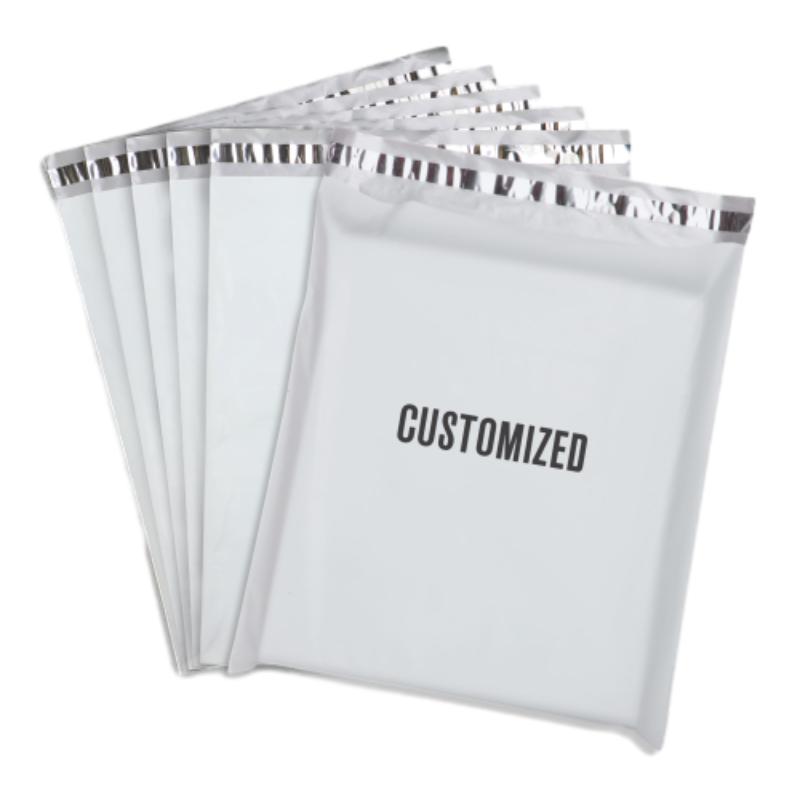
Put simply, parcel mailing bags are specially designed envelopes or lightweight, flexible pouches used to send items through postal or courier services. They are often made from poly materials, paper, or biodegradable blends, crafted to protect contents during handling and transit.
But their usage goes beyond convenience — in humanitarian missions, for example, these bags can be lifesavers, ensuring medicines and aid supplies remain intact across challenging terrain or climates.
Core Components of Parcel Mailing Bags
Durability
These bags must endure rough handling, moisture, and sometimes extreme temperatures. The materials chosen (like reinforced polyethylene) contribute to tear resistance while keeping weight minimal. Oddly enough, durability doesn't always come with weight — advances have produced lightweight but tough options.
Security Features
To prevent tampering or theft, many bags incorporate tamper-evident seals, RFID tags, or opaque layers. This adds a layer of trust for consumers and retailers alike.
Cost Efficiency
One major driver is balancing protective qualities with affordable production. Mass manufacturing techniques, such as extrusion and lamination, help keep prices accessible at scale.
Sustainability
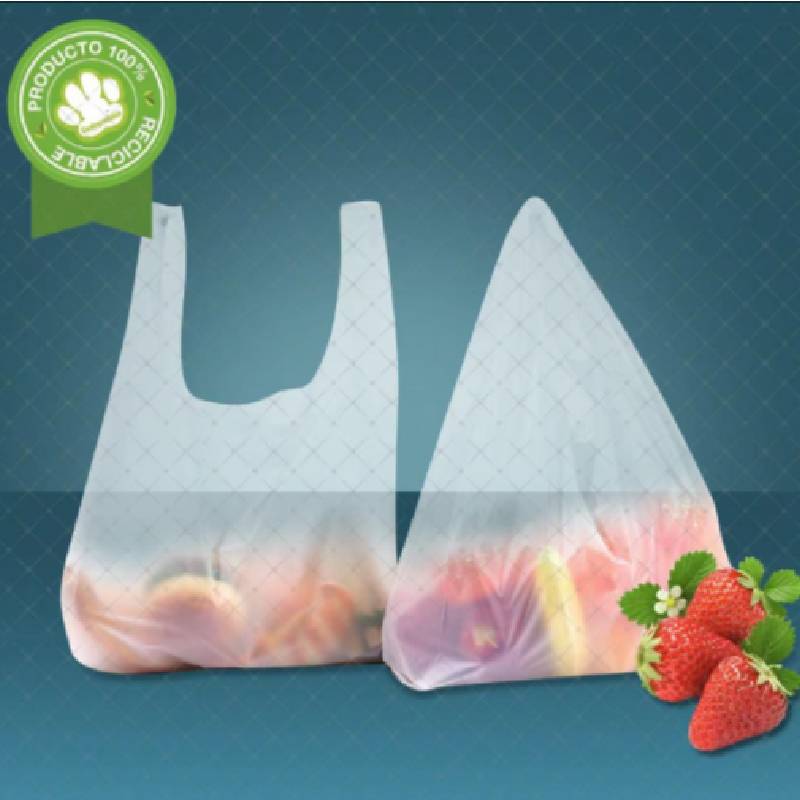
Increasingly, brands are pursuing biodegradable or recyclable materials, responding to ISO guidelines on packaging sustainability and shifting consumer expectations.
Customizability
From branding opportunities with printed logos to varied sizes, customization helps businesses express their identity and meet unique shipment needs.
| Feature | Material | Typical Weight (grams) | Security | Eco-Friendly Options |
|---|---|---|---|---|
| Standard Poly Mailer | Low-density polyethylene (LDPE) | 15-40 | Self-sealing adhesive | Limited (some recyclable variants) |
| Biodegradable Mailer | PLA blend / Compostable films | 20-45 | Tamper-evident seal | High |
| Poly Bubble Mailer | LDPE with bubble lining | 50-80 | Self-adhesive strip | Limited |
Mini takeaway: Parcel mailing bags come in diverse materials and designs, each with pros and cons around durability, security, cost, and eco-friendliness.
Global Applications & Use Cases
From bustling urban centers in North America shipping consumer goods, to remote parts of Africa delivering emergency medical supplies, parcel mailing bags have traversed every continent. Oddly enough, their role jumps off the map most vividly in crisis zones: NGOs use them to send seed packets or medicines where every gram counts and traditional boxes wouldn’t survive transport. Meanwhile, fast-growing e-commerce firms in Asia rely on these lightweight, customizable bags for branding and efficiency.
They’re also critical in government and corporate direct mail campaigns, where consistent size and user-friendly sealing improve mail sorting speeds and reduce errors.
Advantages & Long-Term Value
- Cost Savings: Lightweight, requiring less fuel for transportation, and often cheaper than boxes.
- Environmental Impact: New compostable materials and recyclability reduce landfill waste.
- Security & Trust: Tamper-evident features reassure customers about their package's integrity.
- Branding Opportunity: Highly customizable printing options promote corporate identity.
- Enhanced Consumer Experience: Easy-to-open, resealable options increase satisfaction.
There's also something to be said about the dignity and safety these bags afford consumers — knowing your important documents or personal items arrive intact matters.
Emerging Trends & Innovations
Innovation continues—bio-based polymers grown from plant materials reduce dependence on fossil fuels. Automation in printing and sealing is helping brands produce variants on-demand to match fluctuating campaigns or regional regulations.
Digital integrations, like QR codes and embedded RFID tags, enhance parcel tracking and anti-counterfeit measures. The push from policy frameworks, such as the European Union’s Circular Economy Action Plan, is driving manufacturers toward greener alternatives, making the future of parcel mailing bags leaner and smarter.
Challenges & Solutions
Of course, challenges remain. Biodegradable options sometimes don’t degrade properly in all waste facilities. Tamper-proofing can raise costs or complicate recycling. And with a global supply chain, inconsistent quality from vendors occasionally undermines reliability.
Innovative solutions include investing in recyclable multi-layer films that don’t sacrifice durability or security, and collaborations across industry consortia to standardize testing (ISO packaging standards). Frankly, educating end-users on disposal helps close the loop, turning potential issues into manageable ones.
| Vendor | Material Options | Customization Level | Sustainability Practices | Global Reach |
|---|---|---|---|---|
| EcoPack Solutions | Compostable, Recyclable | High - Personalized Printing | ISO 14001 Certified | North America, Europe, Asia |
| ParcelSafe Inc. | Standard Polyethylene, Bubble | Medium - Bulk Logo Printing | Recycling Programs | Global (70+ countries) |
| GreenWrap Co. | Bioplastics & Paper Blends | High - Variable Size and Print | Cradle-to-Cradle Certified | Europe, Latin America |
Frequently Asked Questions About Parcel Mailing Bags
- Q: What makes parcel mailing bags better than traditional boxes for small shipments?
A: Parcel mailing bags typically cost less, weigh less for shipping savings, and use less material overall. They fit snugly around items, reducing wasted space and simplifying handling for lightweight, non-fragile goods. - Q: Are parcel mailing bags recyclable or biodegradable?
A: Many standard polyethylene bags are recyclable where facilities exist, but contamination can be an issue. Biodegradable and compostable bags made from PLA or bioplastics are growing in use, though their breakdown depends on proper industrial composting environments. - Q: Can parcel mailing bags be customized with my company logo?
A: Absolutely! Most vendors offer printing and branding options from simple logos to complex full-color designs, which can enhance branding and customer experience. - Q: How secure are parcel mailing bags compared to boxes?
A: Many bags offer tamper-evident seals and opaque material to secure contents. While boxes can provide more rigid protection, for many applications bags balance security with convenience effectively. - Q: How can I ensure my parcel mailing bags meet environmental standards?
A: Look for suppliers with certifications like ISO 14001 or Cradle-to-Cradle, request transparency on materials, and inquire about end-of-life disposal. Partnering with vendors focused on sustainability helps align with global environmental goals.
Conclusion: The Long-Term Value of Parcel Mailing Bags
Parcel mailing bags might seem like small players in the grand logistics theater, but they pack a punch — shaping global commerce, supporting humanitarian efforts, and advancing sustainability. Their evolving materials and smart features promise to keep them relevant and responsible for years ahead.
Curious to see the latest in parcel mailing bags? Visit us at parcel mailing bags to explore a range of innovative options tailored to your business needs.
Remember: sometimes, the smallest details—like the right packaging—make the biggest difference.
-
Secure Shipping Guide with Poly Mailer Bubble Wrap SolutionsNewsApr.16,2026
-
Secure Shipping Guide for Using Durable Bubble Parcel BagsNewsApr.09,2026
-
Comprehensive Guide to Poly Mailer Bubble for Secure and Efficient ShippingNewsApr.07,2026
-
Elevate Your Brand with Custom Designer Bubble Mailers for Effective PackagingNewsApr.04,2026
-
Comprehensive Guide to Poly Mailers with Bubble Wrap for Secure ShippingNewsMar.31,2026
-
Comprehensive Guide to Large Bubble Poly Mailers for Secure and Efficient ShippingNewsMar.28,2026
-
Have the freedom of customizing your custom mailers any way you want! Our dedicated packaging support will help deliver you the mailing experience you need to elevate your shipping experience to the next level! Start making a strong impression on your customers and stand out from your competitors! -
LIYA uses high quality raw materials which directly purchased from large enterprises domestic and overseas such as PetroChina, Sinopec, Sabic, Equate, ExxonMobil, Dow Chemical, Total, and Borouge, ensuring the price advantage and quality of the raw materials. -
LIYA uses high quality raw materials which directly purchased from large enterprises domestic and overseas such as PetroChina, Sinopec, Sabic, Equate, ExxonMobil, Dow Chemical, Total, and Borouge, ensuring the price advantage and quality of the raw materials.
 English
  Arabic
  China
China  French
  Korean
  Russian
  Spanish