Poly Mail Envelopes: Durable, Eco-Friendly Shipping Solutions for Modern Logistics
Understanding Poly Mail Envelopes: Versatile Packaging for a Connected World
Poly mail envelopes have quietly become a global staple in shipping and mailing solutions, supporting billions of parcels. But why do they matter so much beyond just "mailing stuff"? Frankly, these simple-looking polyethylene envelopes reflect broader trends in sustainability, logistics innovation, and even humanitarian relief. Knowing what they are, how they work, and why they matter can drastically improve your packaging choices—whether you're an e-commerce entrepreneur, a nonprofit organizer, or a supply chain manager.
Global Context: Why Poly Mail Envelopes Matter More Than Ever
According to the United Nations Statistics Division, global e-commerce shipments topped 2 billion parcels in recent years, and polyethylene-based packaging is the dominant material for lightweight shipping. These envelopes offer a surprisingly effective solution for reducing parcel weight and shipping costs, which has become critical given rising fuel expenses and carbon footprint concerns.
However, there’s a challenge: balancing cost efficiency and sustainability. Poly mail envelopes, mostly made from plastic films, face scrutiny due to plastic waste concerns. Innovations and policies are now pushing manufacturers toward recycled materials and biodegradable options—efforts vital for meeting the ISO 14001 Environmental Management Standards.
Taking a pause here: poly mail envelopes sit right at the crossroads of global commerce, environmental responsibility, and consumer expectations.
What Are Poly Mail Envelopes Exactly?
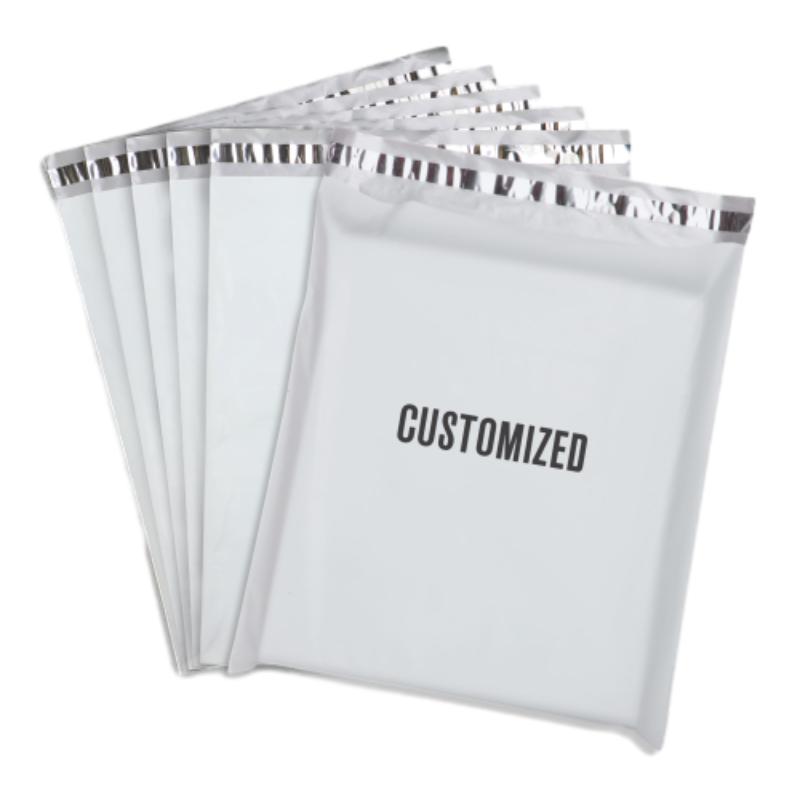
Put simply, a poly mail envelope is a lightweight, flexible plastic mailing bag made from polyethylene. Unlike traditional cardboard boxes, these envelopes are waterproof, tear-resistant, and self-sealing. They're especially useful for clothing, documents, and other non-fragile goods. Essentially, these envelopes help modern industries ship products safely at lower costs and less bulk.
In humanitarian contexts, poly mailers also serve as protective packaging for vital supplies, helping ensure clean delivery in rough environments.
Key Factors That Make Poly Mail Envelopes Essential
Durability and Protection
Made from robust polyethylene, these envelopes resist tears, moisture, and punctures. For businesses, that means fewer damaged returns. It’s remarkable how such a thin material handles rough transit conditions globally—some engineers even insist it combines flexibility and toughness better than many alternatives.
Cost Efficiency
Poly mail envelopes are far lighter than cardboard alternatives. This savings in weight equals lower postage fees. Plus, they occupy less storage space in warehouses, increasing overall operational efficiency.
Scalability and Customization
Manufacturers provide poly mail envelopes in various sizes and can add custom branding, tamper-evident seals, or RFID tags. This customization helps brands stand out while securing shipment integrity.
Sustainability Efforts
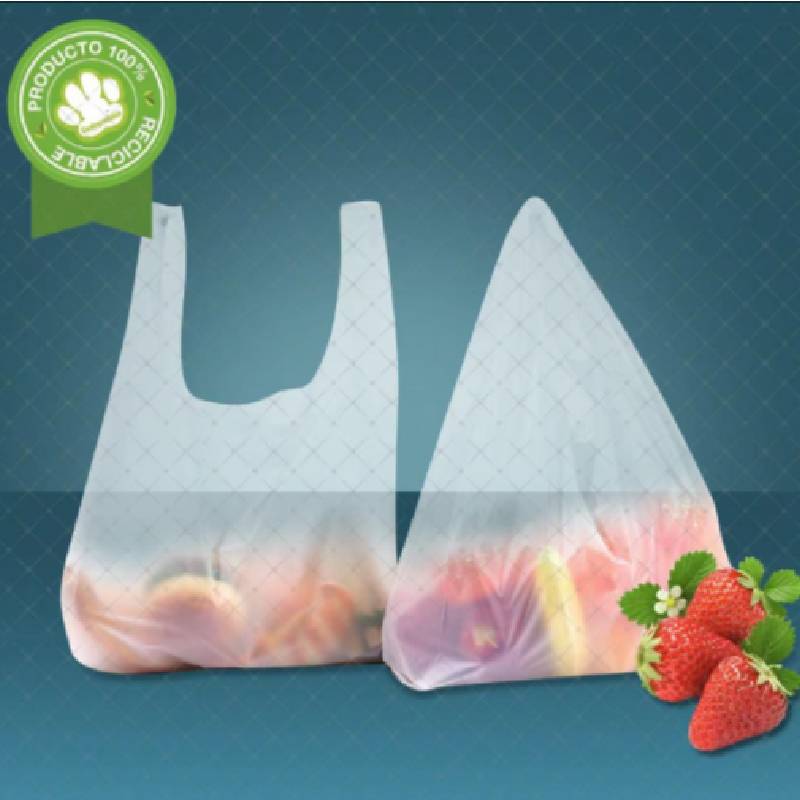
Recycled polyethylene and biodegradable options are gaining traction. While not a complete fix for plastic pollution, these efforts can reduce environmental impact if combined with responsible disposal or recycling.
Ease of Use
Self-seal adhesive strips speed up packing processes—something logistics managers definitely appreciate. The flexibility to fold or crush envelopes without losing protection simplifies handling and returns.
Product Specifications For Poly Mail Envelopes
| Specification | Typical Value | Remarks |
|---|---|---|
| Material | Low-density polyethylene (LDPE) | Standard for flexibility and durability |
| Thickness | 2-4 mil (50-100 microns) | Balances protection and lightweight design |
| Sizes | 4x7 inches up to 20x24 inches | Covers small documents to bulky apparel |
| Seal Type | Self-adhesive strip | Secure and tamper-evident |
Real-World Applications Around the Globe
Poly mail envelopes have found homes everywhere from urban warehouses to remote villages. In e-commerce hubs like the US, China, and Europe, they're the go-to for shipping apparel and small electronics. Meanwhile, NGOs use weather-resistant versions to ship medical supplies or documents in post-disaster zones worldwide—places where moisture or rough handling is common.
Oddly enough, some researchers note that even in rural African regions, where roads are poor, these envelopes protect fragile samples for lab testing, enabling critical healthcare.
Advantages Of Poly Mail Envelopes: The Long-Term View
- Cost savings: Reduced weight means less expensive shipping and lower fuel consumption.
- Environmental impact: When using recycled materials, envelopes reduce plastic waste footprint.
- Customer satisfaction: Faster packing and reliable delivery improve shopper experience.
- Social responsibility: Reliable packaging helps NGOs operate with dignity and trust.
- Innovation: Integrated RFID or tracking offers supply chain transparency.
So, they don’t just ship goods—they build brand loyalty, support humanitarian goals, and encourage greener logistics practices.
Vendor Comparison: Poly Mail Envelope Options
| Feature | Liya BioBag | Standard Brand A | EcoPack Solutions |
|---|---|---|---|
| Material Source | >90% Recycled LDPE | Virgin LDPE | Biodegradable composites |
| Customization Options | Logo, size, RFID tags | Sizes only | Limited size/color |
| Pricing | Mid-range, value-driven | Lowest cost | Premium pricing |
| Lead Times | 2 weeks standard | 1 week | 3-4 weeks |
| Environmental Certifications | ISO 14001, Recyclable | None | Compostable certified |
Future Trends in Poly Mail Envelopes
Looking forward, the mailer industry is buzzing about integration of smart materials and sustainable polymers. For instance, some manufacturers are experimenting with embedded NFC tags to boost package tracking and theft prevention.
On the eco front, bio-based plastics and closed-loop recycling programs aim to minimize landfill waste. Adoption of these innovations, coupled with digital logistics platforms, will streamline supply chains—and frankly, keep poly mail envelopes relevant and responsible.
Challenges and Forward-Thinking Solutions
Poly mail envelopes still face hurdles, notably plastic waste and end-of-life disposal concerns. Many companies struggle with recycling logistics, and consumer awareness remains limited.
Yet, solutions are emerging: incentives for recycling, mandates for recycled content, and partnerships between manufacturers and waste processors. Some NGOs even run “bring-back” programs that return used poly mailers for recycling—a small circle of responsibility that can grow.
FAQ: Frequently Asked Questions About Poly Mail Envelopes
- Q: Are poly mail envelopes waterproof?
A: Yes, most poly mail envelopes made from polyethylene are highly water-resistant, protecting contents from moisture during transit. - Q: Can poly mail envelopes be recycled?
A: Absolutely, but only if collected through proper recycling channels. Look for envelopes marked with recycling info and avoid contaminating them with non-plastic materials. - Q: Are poly mail envelopes suitable for fragile items?
A: They’re best for soft or flexible items like clothing or documents. For fragile goods, additional padding or boxes might be necessary. - Q: How customizable are poly mail envelopes?
A: Quite customizable! Sizes, colors, branding, and security features like tamper-evident seals or RFID can be added to suit your needs. - Q: What’s the environmental impact compared to cardboard boxes?
A: Poly mailers produce less shipping weight and material bulk, reducing transport emissions. However, cardboard is often easier to recycle in many regions. Consider lifecycle analysis when deciding.
Conclusion: Why Poly Mail Envelopes Deserve Your Attention
Long story short, poly mail envelopes blend practicality, cost savings, and growing sustainability efforts in a way that few packaging solutions do. They're not just plastic bags—they're vital connectors in a fast-moving, eco-conscious supply chain and humanitarian toolkit. If you’re looking to optimize shipping without sacrificing durability or environmental responsibility, poly mail envelopes deserve a close look.
Ready to explore your options with reliable, eco-friendly poly mail envelopes? Visit our website: https://www.liyabiobag.com
Taking just a moment to rethink what seems simple can open doors to smarter, greener business—and that’s worth considering.
References:
-
Secure Shipping Guide with Poly Mailer Bubble Wrap SolutionsNewsApr.16,2026
-
Secure Shipping Guide for Using Durable Bubble Parcel BagsNewsApr.09,2026
-
Comprehensive Guide to Poly Mailer Bubble for Secure and Efficient ShippingNewsApr.07,2026
-
Elevate Your Brand with Custom Designer Bubble Mailers for Effective PackagingNewsApr.04,2026
-
Comprehensive Guide to Poly Mailers with Bubble Wrap for Secure ShippingNewsMar.31,2026
-
Comprehensive Guide to Large Bubble Poly Mailers for Secure and Efficient ShippingNewsMar.28,2026
-
Have the freedom of customizing your custom mailers any way you want! Our dedicated packaging support will help deliver you the mailing experience you need to elevate your shipping experience to the next level! Start making a strong impression on your customers and stand out from your competitors! -
LIYA uses high quality raw materials which directly purchased from large enterprises domestic and overseas such as PetroChina, Sinopec, Sabic, Equate, ExxonMobil, Dow Chemical, Total, and Borouge, ensuring the price advantage and quality of the raw materials. -
LIYA uses high quality raw materials which directly purchased from large enterprises domestic and overseas such as PetroChina, Sinopec, Sabic, Equate, ExxonMobil, Dow Chemical, Total, and Borouge, ensuring the price advantage and quality of the raw materials.
 English
  Arabic
  China
China  French
  Korean
  Russian
  Spanish