Reliable Large Bubble Mailers for Industrial Packaging Needs
Large Bubble Mailers: The Unsung Heroes of Industrial Packaging
Having worked in industrial equipment logistics for well over a decade, I can tell you one thing: large bubble mailers are often underrated. They kind of fly under the radar despite being crucial for safely shipping bulky yet oddly delicate components. Frankly, whenever I'm coordinating shipments, these mailers feel like a simple fix with surprisingly huge benefits.
You might wonder why a bubble mailer—even a large one—matters so much. It’s all about that cushioning ability combined with a lightweight, tear-resistant exterior. Unlike rigid boxes, these mailers flex just enough to absorb shocks without adding heft. From experience, this means reduced shipping costs and fewer damaged returns. One plant supervisor once shared how switching to large bubble mailers saved them over 20% on damage claims within just three months. That’s not trivial when you’re dealing with tight margins.
Now, most industrial large bubble mailers come in polyethylene with air-filled pockets that range in size. The “large” variety usually measures around 12″x15″ or bigger, perfect for larger parts or multiple small items packaged together. Materials tend toward cross-laminated films, making them moisture-resistant but also kind of tough to rip open—something to keep in mind if your warehouse folks are in a hurry.
| Feature | Specification | Typical Use |
|---|---|---|
| Dimensions | 12" x 17", 14" x 19", 15" x 20" | Medium to large parts, multiple smaller components |
| Material | Polyethylene with air bubble cushioning | Water and tear resistance in transit |
| Closure | Self-seal strip or adhesive flap | Quick, secure packing |
| Bubble Size | Large (approx 1/2" diameter) | Heavy-duty cushioning |
| Custom Printing | Available | Branding and handling instructions |
Oddly enough, the choice of vendor matters quite a bit. I’ve seen specs that read great on paper but in real terms, the bubble film can vary in durability and air retention. Which leads me to share a quick comparison — something I hit on regularly when advising procurement teams on their packaging suppliers:
| Vendor | Bubble Resilience | Material Quality | Lead Time | Price per 100 | Customization Options |
|---|---|---|---|---|---|
| Liyabiobag (site) | High – long-lasting air pockets | Premium polyethylene blends | 7–10 days | $35–40 | Full branding, print, sizes |
| Generic Supplier A | Medium – air pockets lose volume faster | Standard polyethylene | 5–7 days | $25–30 | Limited sizes, no print |
| Industrial Pack Co. | High – reinforced bubbles | Heavy-duty film | 10–14 days | $40–45 | Custom sizes, minimal branding |
One memorable case was when a small equipment maker had constant gasket breakage during shipment. We trialed a switch to large bubble mailers from Liyabiobag, and their damage claims dropped dramatically — down by about 60%. It’s a reminder that the protection layer you choose has to match the product’s fragility. You don’t want to gamble, especially at scale — losses add up fast.
Of course, no packaging solution is one-size-fits-all but large bubble mailers are a versatile middle ground that’s often overlooked in industrial supply chains. Instead of bulky boxes, you get lightweight protection, lower freight fees, and a bit more peace of mind. Plus, many suppliers today offer eco-friendlier versions, reflecting a growing trend toward sustainability, which I personally appreciate.
So next time you’re prepping for a big shipment or re-evaluating packaging costs, consider large bubble mailers — it might be the quiet upgrade your logistics team didn’t know it needed.
References:
1. Logistics Trends in Industrial Packaging, Industrial Packaging Journal, 2023.
2. Customer Damage Report, Midwestern Equipment Co., 2022.
3. Supplier Material Quality Assessment, Packaging Insights, 2023.
-
Secure Shipping Guide with Poly Mailer Bubble Wrap SolutionsNewsApr.16,2026
-
Secure Shipping Guide for Using Durable Bubble Parcel BagsNewsApr.09,2026
-
Comprehensive Guide to Poly Mailer Bubble for Secure and Efficient ShippingNewsApr.07,2026
-
Elevate Your Brand with Custom Designer Bubble Mailers for Effective PackagingNewsApr.04,2026
-
Comprehensive Guide to Poly Mailers with Bubble Wrap for Secure ShippingNewsMar.31,2026
-
Comprehensive Guide to Large Bubble Poly Mailers for Secure and Efficient ShippingNewsMar.28,2026
-
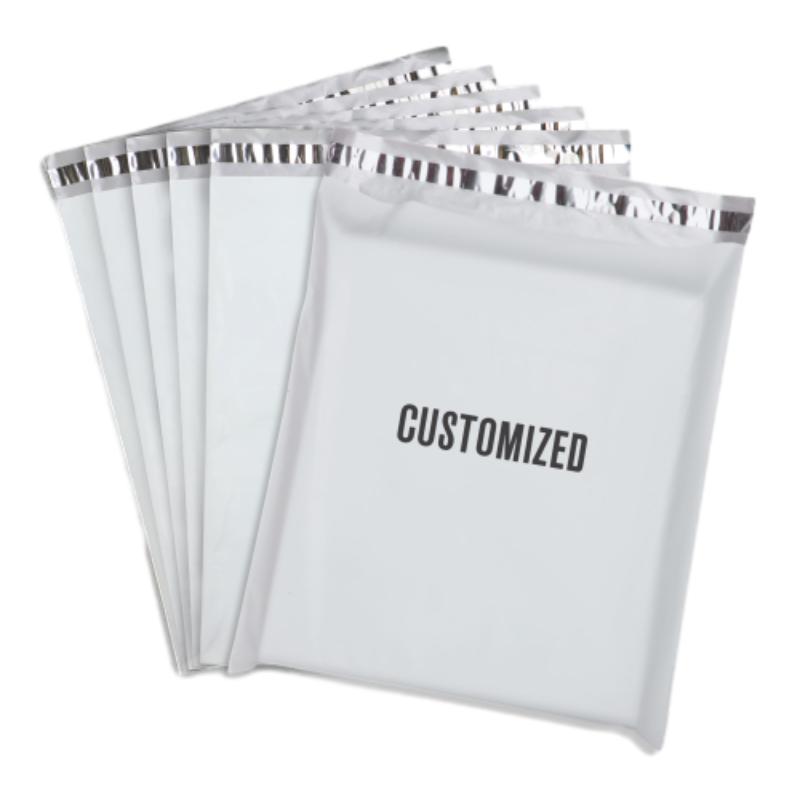
Have the freedom of customizing your custom mailers any way you want! Our dedicated packaging support will help deliver you the mailing experience you need to elevate your shipping experience to the next level! Start making a strong impression on your customers and stand out from your competitors! -
LIYA uses high quality raw materials which directly purchased from large enterprises domestic and overseas such as PetroChina, Sinopec, Sabic, Equate, ExxonMobil, Dow Chemical, Total, and Borouge, ensuring the price advantage and quality of the raw materials. -
LIYA uses high quality raw materials which directly purchased from large enterprises domestic and overseas such as PetroChina, Sinopec, Sabic, Equate, ExxonMobil, Dow Chemical, Total, and Borouge, ensuring the price advantage and quality of the raw materials.
 English
  Arabic
  China
China  French
  Korean
  Russian
  Spanish