Secure and Sustainable Sealable Postage Bags for Modern Shipping Needs
Sealable Postage Bags: Why They’re More Important Than You Think
If you’re picturing your typical postal envelope, think again. Sealable postage bags are quietly revolutionizing how the world ships documents, parcels, and even sensitive materials. They may seem like just another packaging option, but the reality is they solve critical problems around security, sustainability, and efficiency on a global scale. Especially with rising e-commerce demand and humanitarian shipments becoming more complex, understanding these bags—and their benefits—is surprisingly worthwhile. Let’s unpack why.
The Global Context: Why Sealable Postage Bags Matter Now
Here’s an interesting fact: global e-commerce sales surpassed $5 trillion in 2023, and they’re expected to keep growing. Behind the scenes, businesses and postal agencies scramble to find packaging that’s secure, cost-efficient, and meets sustainability targets. On top of that, organizations like the UN frequently rely on shipments for relief efforts where protecting contents is mission-critical. Oddly enough, basic packaging often becomes a bottleneck.
So what problem do sealable postage bags address? Traditional mailers are prone to tampering, damage, and inefficient waste. The challenge is scaling secure, eco-friendly, and affordable options that work worldwide—even in remote zones. That’s where these sealable bags come in.
Understanding Sealable Postage Bags: What Are They?
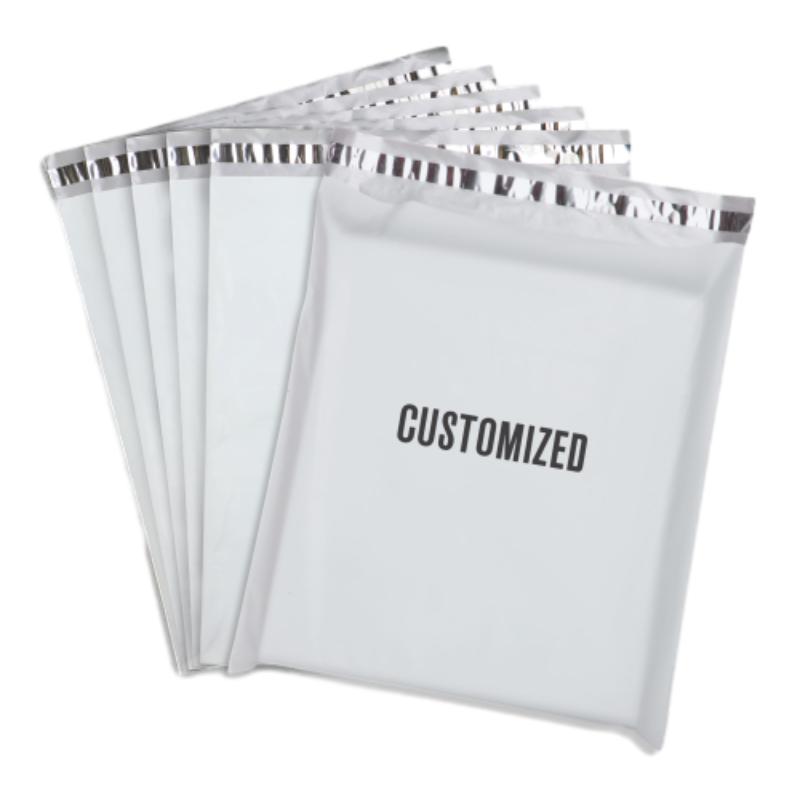
Simply put, sealable postage bags are specialized mailer bags designed to securely enclose and protect items while in transit. They typically feature tamper-evident seals, water-resistant materials, and sometimes enhanced durability—all so whatever’s inside arrives intact and trustworthy.
They’re a leap beyond ordinary envelopes or padded mailers, created to meet the demands of modern logistics, e-commerce, postal services, and humanitarian supply chains alike. You could say they’re the unsung heroes of reliable shipping.
Core Components That Make Sealable Postage Bags Work
Durability and Protection
Most sealable postage bags are made from polyethylene or biodegradable polymers, offering resistance to tearing and moisture. This durability matters not just in postal sorting centers but especially for shipments to harsh environments, like remote construction sites or disaster zones.
Secure Sealing Mechanisms
The hallmark feature is their sealing system, often with self-adhesive strips that show any signs of tampering. Some models add extra layers of security, like holographic seals or unique barcode tracking.
Cost Efficiency
These bags balance protection with lightweight design, minimizing shipping weight and costs. For bulk shipments, small savings per bag add up to significant expense reductions.
Eco-Friendliness
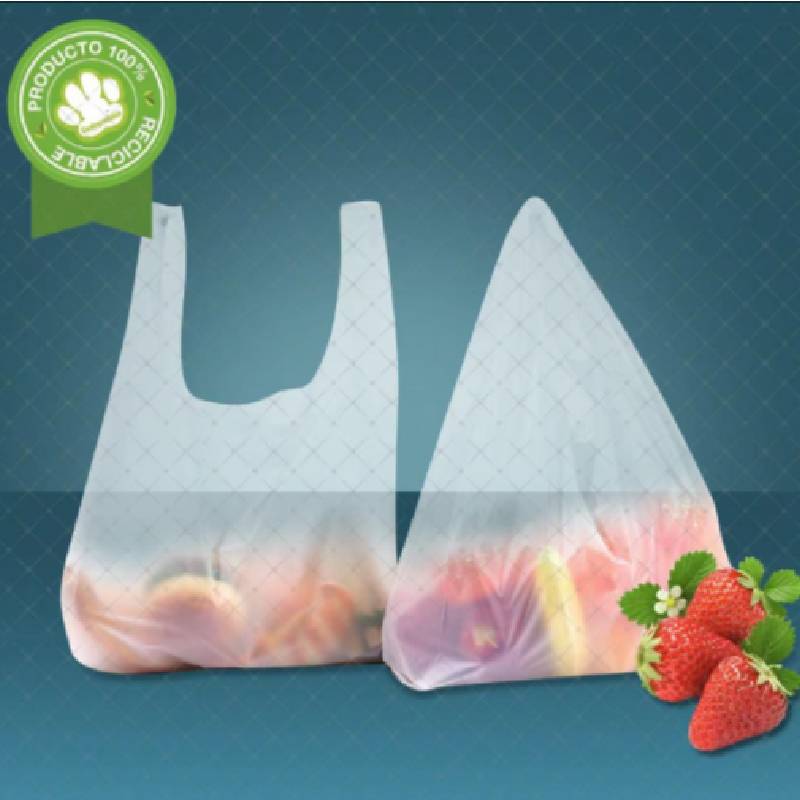
Increasingly, manufacturers use recyclable or biodegradable materials, responding to global calls for greener packaging solutions. This trend aligns with ISO standards on reducing plastic waste worldwide (ISO).
Customization & Branding
Another neat aspect is how easily these bags can carry printed logos, instructions, or compliance information—a small touch that reinforces brand trust and compliance in regulated industries.
Scalability
Whether handling hundreds of orders or thousands, these bags are easy to stock, store, and deploy, making them favorites among both startups and large postal operators.
Mini takeaway: Good sealable postage bags combine toughness, security, sustainability, and smart design to meet modern shipping needs.
Real-World Applications: Where Sealable Postage Bags Shine
- Disaster Relief Operations: In emergencies, NGOs ship fragile medicines and documents using these bags to ensure nothing is lost or contaminated.
- E-commerce Fulfillment: Online sellers use them daily to protect products and foster customer confidence. Think about that one time your order arrived perfectly sealed—probably thanks to such a bag.
- Legal and Financial Sectors: Confidential documents require tamper-proof mailing solutions, which these bags deliver every time.
- Government Agencies: ID cards, ballots, or certificates often travel inside these secure envelopes to maintain integrity.
- Remote Industrial Sites: Spare parts or tech components shipped to oil rigs or mining camps benefit from the protection these bags provide.
Mini takeaway: From remote zones to high-tech hubs, sealable postage bags adapt across industries and geographies.
Advantages and Long-Term Value of Sealable Postage Bags
At a glance, using these bags means fewer worries about theft, damage, or lost mail. But the advantages run deeper:
- Cost Savings: Reduced need for repackaging or claims lowers overheads enormously.
- Sustainability: Less waste and better materials help companies meet corporate social responsibility goals.
- Customer Trust: A secure package sends a clear message that the sender cares.
- Efficiency: Fewer sorting errors and damage translates to smoother delivery chains.
- Safety and Dignity: Especially in humanitarian contexts, ensuring aid reaches hands intact respects recipients.
Emotionally, customers feel reassured receiving neatly sealed packages. Logically, businesses gain reliable, scale-friendly solutions that just work.
Future Trends and Innovations in Sealable Postage Bags
Looking ahead, expect exciting developments like smart seals embedded with QR codes for real-time tracking, biodegradable materials that degrade faster, and integration with automated sorting systems using AI.
Policymakers worldwide, driven by climate targets, encourage packaging that reduces plastics—so “green” postage bags will soon be the norm. Digital transformations in logistics mean these postage bags won’t just carry goods but data about their journey.
Challenges and How the Industry Is Overcoming Them
Despite progress, challenges remain: ensuring biodegradability doesn’t sacrifice strength, balancing costs against advanced features, and achieving widespread adoption among small businesses. Often, the “one size fits all” approach falls short in different climatic or regulatory environments.
Innovators respond with hybrid materials, modular design for varied sizes, and educating end-users about benefits. Some vendors even offer customizable seal patterns or anti-counterfeit tech. It’s a fast-evolving field.
FAQ: Common Questions About Sealable Postage Bags
- How secure are sealable postage bags compared to regular envelopes?
- They offer significantly higher security by featuring tamper-evident seals and durable materials that prevent unauthorized access or damage during transit.
- Are sealable postage bags environmentally friendly?
- Many modern bags use recyclable or compostable materials. However, environmental benefits depend on proper disposal and regional recycling infrastructure.
- Can these bags be customized for branding or specific industries?
- Yes, most manufacturers provide options for printed logos, compliance labels, and even special security features tailored to client needs.
- What industries most commonly use sealable postage bags?
- E-commerce, legal, financial services, humanitarian agencies, and government sectors are among the primary users.
- How do I choose the right sealable postage bag for my business?
- Consider factors like size, sealing method, material strength, environmental credentials, and your budget. Testing samples usually helps before bulk ordering.
Product Specification Table: Typical Sealable Postage Bag Features
| Feature | Specification | Benefit |
|---|---|---|
| Material | Low-density polyethylene (LDPE) / Biodegradable polymers | Durable, lightweight, eco-friendly options |
| Seal Type | Self-adhesive tamper-evident strip | Security with visible evidence of interference |
| Typical Sizes | Small (4x6 inch) to Large (12x18 inch) | Fits varied shipment contents |
| Thickness | 35–70 microns | Balance between flexibility and protection |
| Printing Capability | Custom logos and security patterns | Branding and anti-counterfeit |
| Biodegradability | Available in select models | Supports environmental policies |
Vendor Comparison Table: Leading Sealable Postage Bag Suppliers
| Vendor | Material Options | Security Features | Customization | Price Range (per 1000) |
|---|---|---|---|---|
| LiyaBioBag | Recyclable LDPE, biodegradable | Tamper-evident sealing, QR codes | Full print service, sizes, security strips | $85–110 |
| SecurePack Co. | Standard LDPE | Basic adhesive seal | Limited branding | $70–90 |
| EcoSeal Bags | 100% biodegradable polymers | Tamper-proof holograms | Custom prints available | $120–150 |
Wrapping It Up
All this to say, sealable postage bags are much more than “just a fancy mailer.” They represent practical solutions to some surprisingly tricky global challenges—security in shipping, waste reduction, customer engagement, and supply chain trust. For businesses and agencies operating at any scale, they’re a small change with outsized impact. If your operations involve shipping sensitive or valuable items, exploring these bags is well worth the time.
If you want to learn more or start sourcing reliable, eco-friendly sealable postage bags, visiting LiyaBioBag is a good place to begin. Their product range and custom options make it easier than ever to upgrade your packaging game.
Thanks for sticking around through this—next time you get a securely sealed package, maybe you’ll pause a moment and reflect on the clever tech holding it all together.
References:
1. Statista: Global Retail E-commerce Sales
2. ISO Standards
3. Wikipedia: Postage
-
Secure Shipping Guide with Poly Mailer Bubble Wrap SolutionsNewsApr.16,2026
-
Secure Shipping Guide for Using Durable Bubble Parcel BagsNewsApr.09,2026
-
Comprehensive Guide to Poly Mailer Bubble for Secure and Efficient ShippingNewsApr.07,2026
-
Elevate Your Brand with Custom Designer Bubble Mailers for Effective PackagingNewsApr.04,2026
-
Comprehensive Guide to Poly Mailers with Bubble Wrap for Secure ShippingNewsMar.31,2026
-
Comprehensive Guide to Large Bubble Poly Mailers for Secure and Efficient ShippingNewsMar.28,2026
-
Have the freedom of customizing your custom mailers any way you want! Our dedicated packaging support will help deliver you the mailing experience you need to elevate your shipping experience to the next level! Start making a strong impression on your customers and stand out from your competitors! -
LIYA uses high quality raw materials which directly purchased from large enterprises domestic and overseas such as PetroChina, Sinopec, Sabic, Equate, ExxonMobil, Dow Chemical, Total, and Borouge, ensuring the price advantage and quality of the raw materials. -
LIYA uses high quality raw materials which directly purchased from large enterprises domestic and overseas such as PetroChina, Sinopec, Sabic, Equate, ExxonMobil, Dow Chemical, Total, and Borouge, ensuring the price advantage and quality of the raw materials.
 English
  Arabic
  China
China  French
  Korean
  Russian
  Spanish