Shipping Bags for Pillows | Durable, Eco-Friendly Packaging Solutions
Understanding Shipping Bags for Pillows: A Global Necessity
At first glance, the idea of shipping bags for pillows might seem straightforward or even trivial. Yet, when you pause and think about the sprawling supply chains that deliver comfort — those soft, fluffy pillows that follow us from mattress stores to hotel rooms — the importance becomes crystal clear. It’s not just about packaging; it’s about ensuring pillows maintain their shape, hygiene, and durability during transit no matter where they’re headed on the globe. With pillow use soaring worldwide (stats from the World Bank note a steady increase in consumer home goods shipments), understanding the right shipping solutions helps manufacturers, retailers, and even humanitarian organizations ensure product integrity, reduce damage costs, and magically boost customer satisfaction.
Mini takeaway: Shipping bags for pillows form an essential yet often overlooked step in global comfort supply lines — a small product with surprisingly big impacts.
Why Shipping Bags for Pillows Matter on a Global Scale
Globally, billion-dollar industries such as furniture, textile manufacturing, and even healthcare lean heavily on effective packaging. According to ISO standards on packaging and transportation, the right shipping bag can reduce damage by up to 30%, directly cutting waste and unnecessary environmental burden. In 2023, the United Nations highlighted sustainable packaging as instrumental in achieving circular economy goals, especially in consumer goods like pillows where single-use plastics often prevail.
Imagine a pillow shipped through rough seas, fluctuating weather, or crowded warehouses: without proper protection, fibers can clump, cases can dirty, and customers get disappointed. The problem is especially acute in emerging markets and disaster relief contexts, where organizations rely on bulky bedding shipments to help displaced families quickly regain normalcy.
Mini takeaway: Proper shipping bags do more than protect—they enable global trade, reduce waste, and bolster humanitarian aid.
Defining Shipping Bags for Pillows
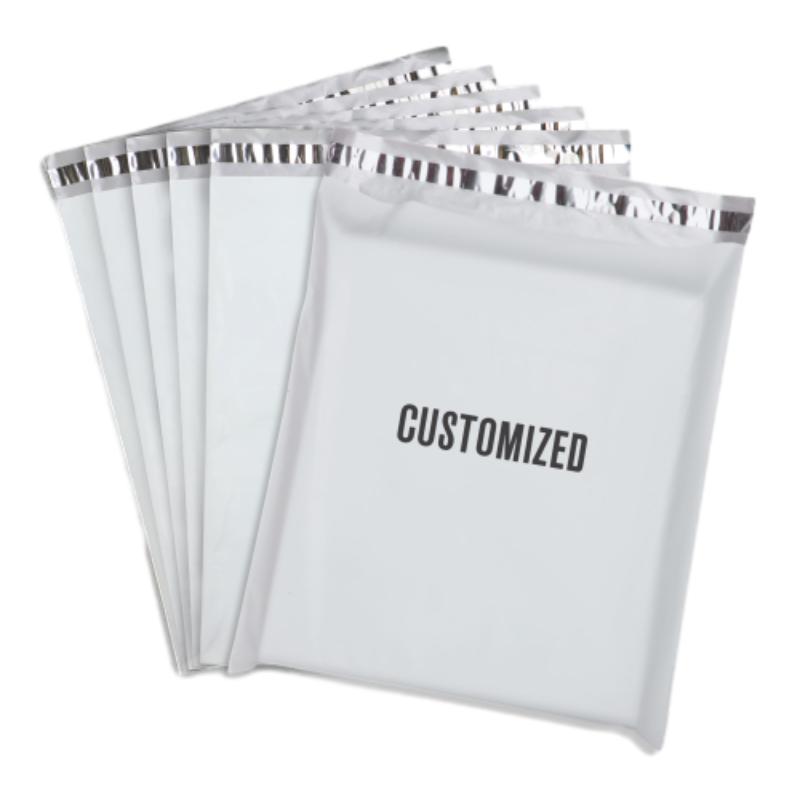
Simply put, shipping bags for pillows are specially designed flexible containers used to ship pillows from origin points (factories or warehouses) to distributors, retailers, or consumers. Usually made from durable plastics, woven fabrics, or bio-based materials, these bags create a protective barrier against moisture, dust, and deformation.
Unlike generic bags, these are tailored in size, closure type, and material properties to fit the soft yet bulky nature of pillows. They embody a neat intersection: modern industrial packaging meets the basic human need for clean, comfortable rest.
Critical Factors in Shipping Bags for Pillows
Durability and Tear Resistance
Shipping bags must withstand rough handling and stacking. Many manufacturers opt for multi-layer laminates or woven polypropylene to achieve tear resistance without excessive weight.
Moisture and Dust Protection
A big challenge is shielding pillows from humidity and dust that cause odors and damage fibers. Bags with moisture-barrier coatings or sealed zippers are a frequent choice.
Size and Fit Customization
A useful bag shouldn’t squeeze or crush pillows, but neither should it leave too much empty space that wastes shipping volume. Custom sizing helps balance protection, cost, and shipping efficiency.
Eco-Friendly Materials
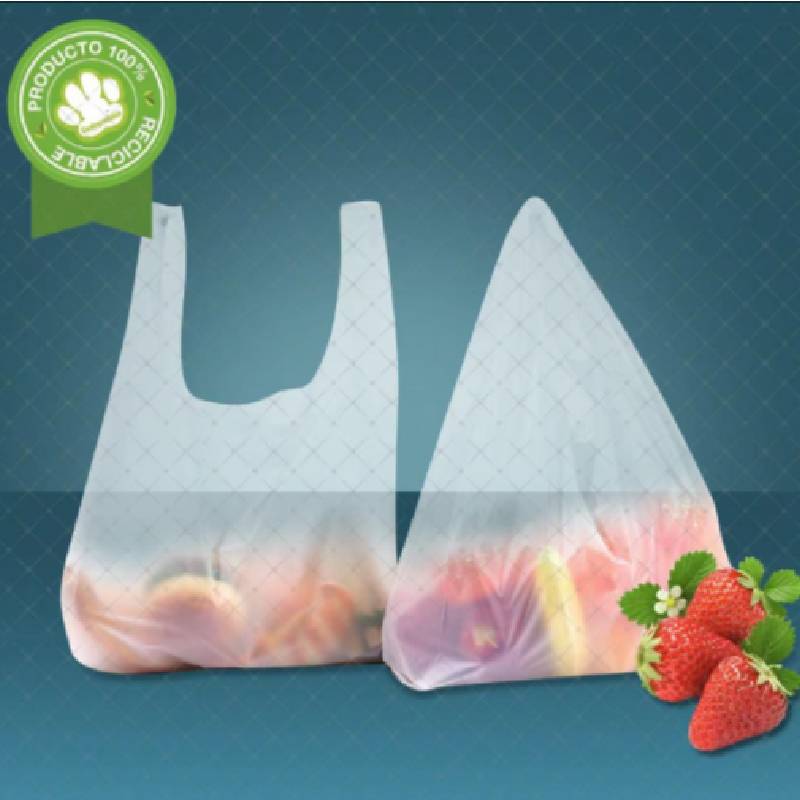
As sustainability pressures mount, bio-based or recyclable bags have taken center stage. This reduces landfill waste generated by packaging alone.
Cost Efficiency
Obviously, cost influences procurement decisions. The best suppliers offer the ideal combo of durability and low price per unit. Economies of scale are evident here.
Ease of Use
Designs with simple pull zips or heat seals allow quick packing on busy warehouse lines — no one wants a complicated system that slows down shipments.
Mini takeaway: Shipping bags blend resilience, protection, and practicality to meet complex logistical demands.
Common Specifications of Shipping Bags for Pillows
| Specification | Typical Value | Notes |
|---|---|---|
| Material | Woven Polypropylene or LDPE Film | Balance between flexibility and strength |
| Thickness | 70–120 microns | Ensures tear resistance |
| Dimensions | 50 x 70 cm (typical pillow size) | Customized per pillow type |
| Closure | Zip-lock or Heat Seal | Protects from dust and moisture |
| Recyclability | Yes, food-grade recyclable options | Supports eco-conscious brands |
Who Uses Shipping Bags for Pillows? Real-World Applications
In reality, it's a mixed bag — from luxury bedding brands shipping pillows worldwide, to NGOs dispatching bulky bedding to disaster zones. North American and European mattress companies rely on protective bags during export. Meanwhile, Asia’s booming textile hubs produce these bags in bulk.
In emergency relief situations—say, after a typhoon hits the Philippines or hurricanes in the Caribbean—humanitarian agencies bundle pillows and bedding in tough shipping bags for quick distribution, ensuring families still have clean, safe bedding even when infrastructure is shaky. It feels like a small detail, but these bags reduce contamination risk and simplify inventory.
Industrial zones where employees urgently need comfortable rest spaces also count on large pillow shipments stored and protected efficiently in these bags.
Mini takeaway: Pillow shipping bags may quietly support everything from e-commerce comforts to lifesaving relief work.
Advantages That Endure Beyond the Shipment
- Cost Savings: Reducing returns due to damaged goods means fewer lost dollars and happier customers.
- Sustainability: Using recyclable or biodegradable bags moves the needle on the packaging waste problem.
- Reliability: Assured protection boosts brand trust and lowers logistical headaches.
- Customer Satisfaction: Fashioning a pleasant unboxing experience—clean, fresh, undamaged pillows—makes a difference.
Emotionally, it’s about the dignity of care, providing consumers and recipients alike a sense that the product was handled thoughtfully. Logically, it's a mix of smart logistics and modern material science together.
Looking Ahead: Trends and Innovations
Green packaging solutions are speeding up innovation in this space. Plant-based polymers replace traditional plastics, while digital printing on bags allows batch-tracking, anti-counterfeiting, and branding opportunities. Automation in warehouse packing lines increasingly integrates bag sealing and labeling.
Another trend? Modular, reusable pillow shipping bags designed for reverse logistics systems that encourage return and recycling, lowering environmental impacts. Oddly enough, many brands realize end-of-use packaging can be a new marketing touchpoint.
Challenges and How the Industry is Surmounting Them
Sure, no system is perfect. Cost pressures often tempt companies to skimp on bag quality, increasing returns or damage. Storage space for bulks of bulky bags can get costly. Some materials that look eco-friendly might actually be tough to recycle in existing streams.
Expert suppliers now advise transparent life cycle assessments (LCAs) and adopting multi-use packaging models. Investment in better materials testing regimes, like ISO 13820 for packaging strength, also helps cut uncertainties. It's a process, but encouraging.
FAQ: Frequently Asked Questions About Shipping Bags for Pillows
- What materials are best for pillow shipping bags?
- The most reliable are woven polypropylene and LDPE films, combining strength and moisture protection. Eco-friendly options include biodegradable polymers, but check for recyclability certifications.
- Can these shipping bags be reused or recycled?
- Yes, many modern bags support either reuse for returns or are recyclable in standard municipal streams. Always verify with your local recycling guidelines and supplier information.
- How do I choose the right size for pillow shipping bags?
- Measure the pillow’s dimensions and allow some extra space for ease of packing without compression. Most vendors offer customization, so communicate precise sizes for cost-efficiency.
- Are shipping bags for pillows suitable in humid climates?
- Definitely. Look for sealed, moisture-resistant bags with enhanced barrier properties to protect against mold and odors common in humid environments.
- Where can I find suppliers for bulk orders of pillow shipping bags?
- Global suppliers exist in Asia, North America, and Europe. Comparing quality, delivery times, and certifications is key—check our supplier directory for vetted options.
Comparing Top Vendors of Shipping Bags for Pillows
| Vendor | Material Options | Eco Certifications | Typical Lead Time | MOQ (Units) |
|---|---|---|---|---|
| Liya BioBag Co. | Woven PP, PLA Biopolymer | ISO 14001, FDA Food Safe | 2-3 weeks | 500 units |
| EcoPack Solutions | LDPE, Recycled Polyethylene | FSC & Compostable Certified | 3-4 weeks | 1000 units |
| Global Pack Masters | Woven PP, LDPE Films | ISO 9001 | 1-2 weeks | 250 units |
Wrapping It Up
To put it plainly, shipping bags for pillows are the unsung heroes of pillow distribution. From keeping pillows pristine and fresh to supporting global markets and humanitarian efforts, they hold a surprisingly heavy responsibility. Optimizing these bags—through smart design, eco-conscious materials, and reliable vendors—pays dividends for cost, reputation, and sustainability.
Curious to learn more or ready to upgrade your packaging game? Visit https://www.liyabiobag.com for innovative, eco-friendly shipping solutions tailored for pillows and beyond.
Mini takeaway: Good packaging means happy pillows—and happy customers worldwide.
References
-
Secure Shipping Guide with Poly Mailer Bubble Wrap SolutionsNewsApr.16,2026
-
Secure Shipping Guide for Using Durable Bubble Parcel BagsNewsApr.09,2026
-
Comprehensive Guide to Poly Mailer Bubble for Secure and Efficient ShippingNewsApr.07,2026
-
Elevate Your Brand with Custom Designer Bubble Mailers for Effective PackagingNewsApr.04,2026
-
Comprehensive Guide to Poly Mailers with Bubble Wrap for Secure ShippingNewsMar.31,2026
-
Comprehensive Guide to Large Bubble Poly Mailers for Secure and Efficient ShippingNewsMar.28,2026
-
Have the freedom of customizing your custom mailers any way you want! Our dedicated packaging support will help deliver you the mailing experience you need to elevate your shipping experience to the next level! Start making a strong impression on your customers and stand out from your competitors! -
LIYA uses high quality raw materials which directly purchased from large enterprises domestic and overseas such as PetroChina, Sinopec, Sabic, Equate, ExxonMobil, Dow Chemical, Total, and Borouge, ensuring the price advantage and quality of the raw materials. -
LIYA uses high quality raw materials which directly purchased from large enterprises domestic and overseas such as PetroChina, Sinopec, Sabic, Equate, ExxonMobil, Dow Chemical, Total, and Borouge, ensuring the price advantage and quality of the raw materials.
 English
  Arabic
  China
China  French
  Korean
  Russian
  Spanish