Sustainable Bubble Mailers for Industrial Packaging – Expert Insights
Sustainable Bubble Mailers: An Industrial Insider’s Take
Having spent well over a decade in industrial packaging, I can say sustainable bubble mailers are an interesting mix of innovation and necessity. Frankly, the shift toward eco-friendly packaging solutions isn’t just a trend — it’s rapidly becoming the baseline expectation in many sectors. You’d be surprised how often customers ask about “green” materials, sometimes even before they inquire about cost or delivery speed.
So what exactly makes these mailers “sustainable”? In simple terms, it boils down to the materials used and the lifecycle impact. Most traditional bubble mailers rely on polyethylene — effective but hardly planet-friendly. On the other hand, sustainable options use bio-based polymers, recycled materials, or fully compostable components. Sustainable bubble mailers often feature kraft paper shells combined with plant-based bubble cushioning, which, in my experience, not only reduces waste but provides a surprisingly durable shell.
Years ago, I witnessed one client move to these eco-packers after a surprising test failure with standard mailers — the conventional bubble wrap wouldn’t hold up in humid environments and warped their branding. The sustainable mailers performed better under those conditions, and oddly enough, the aesthetics of the kraft paper gave the outgoing shipments a unique, authentic feel that customers responded well to. It’s one thing to say a product is green, but when you see actual feedback from end-users appreciating the look and feel, you know it’s working.
Material and Design Specs
| Feature | Specification |
|---|---|
| Outer Layer | Recycled Kraft Paper (30-40 gsm) |
| Inner Cushioning | Bio-based Bubble Wrap (PLA or PBAT) |
| Closure Type | Self-adhesive strip (recyclable) |
| Dimensions | Custom sizes available (typically from 6x9” to 12x15”) |
| Compostability | Certified Industrial Compostable (EN 13432) |
At the core is balance. The cushioning needs to protect delicate goods during transit, and the outer layer must be robust enough to resist tearing but also break down without leaving persistent microplastics. That's kind of the sweet spot every supplier chases.
Vendor Comparison: Sustainable Bubble Mailers
| Supplier | Material Type | Custom Sizes | Compostability | Price Range (per 100) |
|---|---|---|---|---|
| Liya Bio Bag | Kraft Paper + PLA Bubble | Yes | Yes | $35 - $50 |
| GreenPack Solutions | Recycled Paper + PLA Wrap | Limited | Yes | $40 - $60 |
| EcoPack Direct | 100% Recycled Plastic | Yes (minimum 500 pcs) | No | $25 - $40 |
The prices you see for these suppliers reflect typical bulk orders, but of course, costs vary widely with order volume and customization options like printing logos or special closures. Honestly, Liya Bio Bag has caught my attention recently for the quality consistency I’ve noticed across orders — they tend to get the balance right and are pretty transparent about their certifications.
From an industrial perspective, switching to sustainable bubble mailers is less about initial cost and more about long-term value: reduced waste disposal fees, enhanced brand reputation, and meeting stricter regulations. Plus, many customers nowadays are actively seeking greener partners. I suppose it’s sort of like a quiet race to keep up with sustainability goals without sacrificing protection quality.
Final thoughts
To sum it up, sustainable bubble mailers are not just a placeholder buzzword anymore—they represent a practical, tested choice that's increasingly becoming essential in packaging. If you’re still on the fence, testing a few samples, especially from a trusted source like sustainable bubble mailers, might well surprise you. Trust me, in this line of work, seeing is believing.
1. ASTM and EN 13432 standards guide compostability testing.
2. Industry reports suggest packaging accounts for 30%+ of plastic waste.
3. Feedback loops from clients show growing demand for sustainable options.
-
Secure Shipping Guide with Poly Mailer Bubble Wrap SolutionsNewsApr.16,2026
-
Secure Shipping Guide for Using Durable Bubble Parcel BagsNewsApr.09,2026
-
Comprehensive Guide to Poly Mailer Bubble for Secure and Efficient ShippingNewsApr.07,2026
-
Elevate Your Brand with Custom Designer Bubble Mailers for Effective PackagingNewsApr.04,2026
-
Comprehensive Guide to Poly Mailers with Bubble Wrap for Secure ShippingNewsMar.31,2026
-
Comprehensive Guide to Large Bubble Poly Mailers for Secure and Efficient ShippingNewsMar.28,2026
-
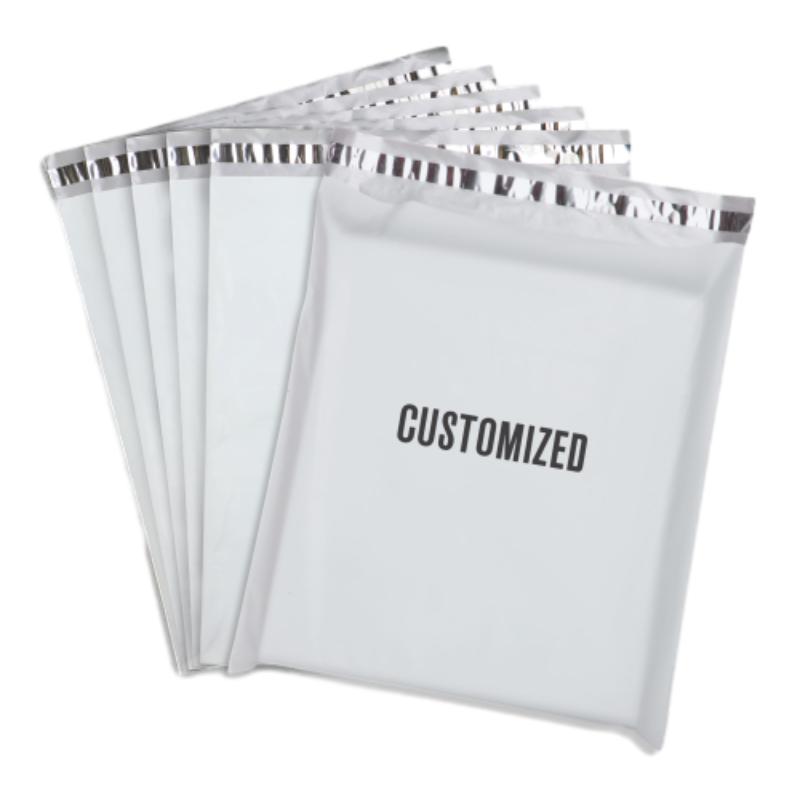
Have the freedom of customizing your custom mailers any way you want! Our dedicated packaging support will help deliver you the mailing experience you need to elevate your shipping experience to the next level! Start making a strong impression on your customers and stand out from your competitors! -
LIYA uses high quality raw materials which directly purchased from large enterprises domestic and overseas such as PetroChina, Sinopec, Sabic, Equate, ExxonMobil, Dow Chemical, Total, and Borouge, ensuring the price advantage and quality of the raw materials. -
LIYA uses high quality raw materials which directly purchased from large enterprises domestic and overseas such as PetroChina, Sinopec, Sabic, Equate, ExxonMobil, Dow Chemical, Total, and Borouge, ensuring the price advantage and quality of the raw materials.
 English
  Arabic
  China
China  French
  Korean
  Russian
  Spanish