Sustainable Shipping Solutions: The Rise of Biodegradable Postage Satchels
Understanding Biodegradable Postage Satchels: A Small Change With Global Impact
In a world drowning in plastic waste — roughly 300 million tons annually, according to the UN — it’s easy to overlook the role of everyday items like postage satchels. Yet, these little packaging heroes, often made from plastics that take centuries to degrade, contribute significantly to environmental pollution. Enter biodegradable postage satchels, a greener alternative designed to break down naturally over a reasonable timeframe without leaving harmful residues.
Why does this matter to you, or your business? Well, beyond just ticking the sustainability checkbox, switching to these eco-friendly satchels offers better brand reputation, potential cost savings on waste management, and aligns with increasing government regulations aiming to curb plastic pollution worldwide.
The Global Context: Why Biodegradable Packaging Is More Than Just a Trend
Worldwide, over 8 million tons of plastic end up in our oceans yearly (UN Environment Program, 2022), choking marine life and disrupting ecosystems. Postal services and e-commerce have only added fuel to the fire — the rise in online shopping means more satchels, envelopes, and parcels flying fast and free across borders. Roughly 50 billion satchels are used annually worldwide, most non-biodegradable.
This enormous footprint has sparked global efforts. The International Organization for Standardization (ISO) has laid out biodegradability standards to define materials that can safely degrade, supporting innovation.
The problem is simple: traditional plastic satchels stick around far too long, and landfill space isn’t getting any bigger. Meanwhile, many businesses are struggling to balance convenience, cost, and sustainability. That’s where biodegradable postage satchels step in — they address waste concerns without sacrificing the integrity and protection these bags provide.
Mini takeaway:
- Biodegradable satchels reduce plastic pollution from postal and e-commerce sources.
- They meet emerging environmental regulations, lowering future compliance risk.
- This shift helps companies demonstrate genuine social and environmental responsibility.
What Exactly Are Biodegradable Postage Satchels?
Put simply, biodegradable postage satchels are mailing bags made from materials that can naturally decompose with the aid of microorganisms, heat, and moisture. Instead of lingering for centuries, they break down in months or a few years, producing no toxic residues.
Unlike conventional polyethylene bags, these satchels might be composed of plant-based bioplastics (like polylactic acid), starch blends, or other compostable materials certified under ISO 17088 or ASTM D6400 standards.
In modern supply chains — whether for humanitarian aid drops or retail deliveries — reliable, protective packaging is essential. But there's now this increasing emphasis on packaging that “gives back” to the environment instead of just taking up space in landfill sites or oceans.
Mini takeaway:
- These satchels meet ISO and ASTM biodegradability standards.
- They degrade safely, leaving minimal environmental impact.
- Ideal for industries prioritizing sustainability alongside logistics.
Core Factors Making Biodegradable Postage Satchels Work
1. Durability Without Compromise
This might surprise some, but biodegradable doesn't mean flimsy. Many manufacturers innovate polymer blends ensuring satchels remain tear-resistant and moisture-proof during transit — key for customer trust.
2. Cost Efficiency: A Growing Reality
While biodegradable satchels historically cost more, increasing demand and improved manufacturing processes have brought prices closer to regular plastic over the last 5 years. Factoring in savings from waste disposal fees and growing consumer willingness to pay more for green options, many companies find it worthwhile.
3. Scalability: From Small Businesses to Giants
The industry can now meet bulk requirements, ranging from small artisan shops shipping a few dozen packages monthly to multi-national e-commerce giants dispatching millions.
4. Certification and Compliance
Rigorous testing ensures these satchels meet biodegradability claims and shipping regulations, avoiding issues like rejection by postal services or customs delays.
5. Customization & Branding
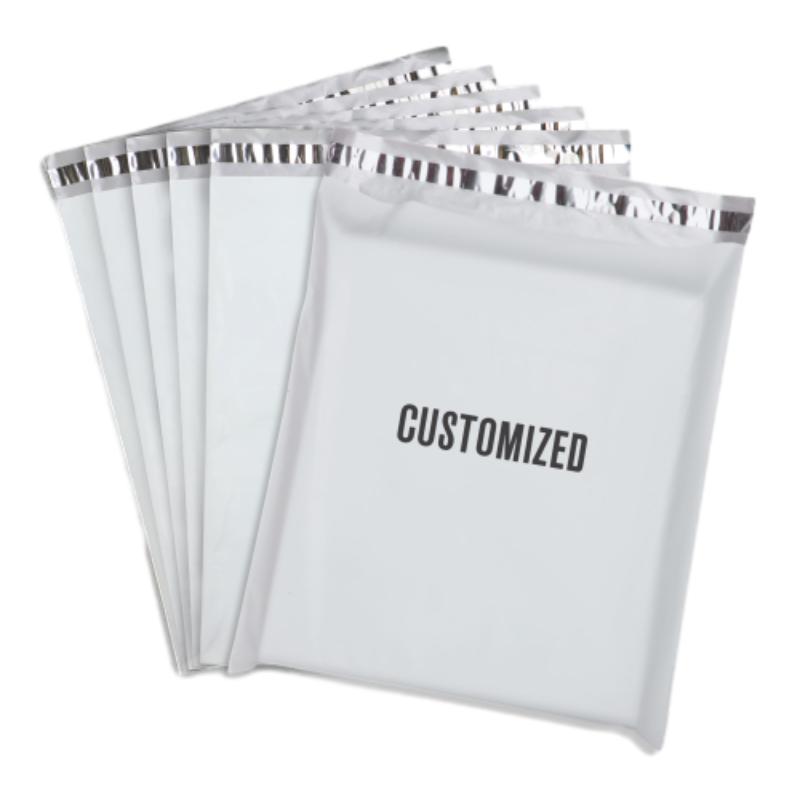
It’s possible to personalize biodegradable satchels with logos and marketing messages using eco-friendly inks, supporting brand identity without compromising sustainability.
Mini takeaway:
- Modern biodegradable satchels balance strength with eco-friendliness.
- Prices have become competitive and accessible for many business sizes.
- Certification adds trust and ensures regulatory acceptance.
Real-World Applications of Biodegradable Postage Satchels
Across continents, organizations integrate biodegradable satchels for diverse purposes:
- E-commerce: Retailers in the EU and North America increasingly use them, encouraged by packaging regulations and consumer demand.
- Humanitarian Aid: In flood-prone South Asia, satchels package relief materials, balancing durability with eco-conscious disposal after use.
- Small Businesses: Artisans and boutiques leverage customized satchels as part of a sustainable brand experience.
- Government Agencies: Some postal services incorporate biodegradable options to reduce environmental footprints during mail sorting and delivery.
For example, a non-profit operating in remote industrial zones in Africa found these satchels invaluable for shipping medical supplies, reducing plastic waste in sensitive ecological zones.
Mini takeaway:
- Sectors from retail to disaster relief benefit from these eco-friendly mailing options.
- Geographical reach extends globally, including highly regulated and remote markets.
- They appeal to businesses and organizations prioritizing sustainability.
Advantages & Lasting Value of Biodegradable Satchels
- Environmental Impact: Reduced plastic pollution and landfill burden.
- Cost Savings: Lower waste handling fees and avoidance of potential plastic taxes.
- Brand Equity: Demonstrating responsibility fosters trust and loyalty.
- Regulatory Compliance: Meeting current and future packaging laws.
- Social Responsibility: Consumers increasingly prefer companies mindful of planet health.
The feeling of doing “the right thing”—that intangible emotional benefit—cannot be discounted. Sustainability today is more than just a checkbox: it influences buying decisions and internal culture.
Looking Ahead: Emerging Trends in Biodegradable Packaging
Innovation is underway to produce satchels with even faster biodegradation cycles, using bio-reactive additives that enable break down in weeks.
There’s also a push for integrating digital authentication tags printed with soy-based inks, merging sustainability with anti-counterfeit tech—a neat intersection of ecology and innovation.
On the policy side, more countries are proposing bans on single-use plastics, nudging businesses gently—or not so gently—toward alternatives including biodegradable ones.
Challenges & How Experts Suggest We Overcome Them
One persistent challenge is ensuring complete biodegradation in varied environments (e.g., landfills vs. composting facilities). Without proper disposal channels, even eco-friendly satchels may linger.
Another issue is consumer confusion about which bags are truly biodegradable versus “bioplastics” or “oxo-degradable” products that can be misleading.
Leading experts recommend:
- Clear labeling and education initiatives.
- Investment in local composting and recycling infrastructure.
- Stringent certifications to prevent greenwashing.
Biodegradable Postage Satchels: FAQ
- How strong are biodegradable postage satchels compared to traditional plastic ones?
- Modern biodegradable satchels are engineered to match conventional plastic strength for most postal needs, with tear resistance and waterproof qualities maintained through advanced material blends.
- Can biodegradable satchels be composted at home?
- It depends on the material. Many require industrial composting conditions to degrade fully. Always check product specs or disposal guidelines.
- Are biodegradable postage satchels more expensive?
- While once pricier, costs have decreased substantially. For many businesses, long-term savings on waste fees and enhanced customer goodwill offset initial expenses.
- Do biodegradable satchels affect shipping logistics or postal service regulations?
- No significant differences exist. Certified biodegradable materials meet postal standards and are widely accepted globally.
- Where can I buy bulk biodegradable postage satchels?
- Many specialized suppliers exist. For instance, check out biodegradable postage satchels that cater to both small and large volume needs, offering customization and certification verified products.
Product Specification Table
| Feature | Specification |
|---|---|
| Material | PLA / Starch Blend Biopolymer |
| Dimensions | Various, e.g. 250 x 350 mm typical |
| Tear Resistance | ≥ 120 N/mm |
| Waterproof | Yes, moisture resistant |
| Biodegradability Standard | ISO 17088 / ASTM D6400 certified |
| Custom Printing | Eco-friendly inks, full color |
Vendor Comparison Table
| Vendor | Product Range | Certifications | Customization Options | Pricing |
|---|---|---|---|---|
| Liya BioBag | Small to Large Satchels, courier bags | ISO 17088, ASTM D6400 | Full logo, 2D barcode, colors | Mid-range, volume discounts |
| EcoPack Solutions | Courier satchels, bubble-lined bags | Compostable accreditation only | Logo printing, limited colors | Low to mid-range |
| GreenWrap Inc. | Varied satchel sizes; some bubble) | ISO 17088 certified | Minimal customization | Higher-end pricing |
Conclusion: The Small Step That Pays Off Big
Biodegradable postage satchels might seem like a small piece in the giant puzzle of sustainability, but their impact is anything but minor. They reduce plastic pollution, align businesses with shifting legal requirements, and signal a genuine commitment to protecting the planet.
If you’re considering a switch, remember the choice you make sends a message: to customers, communities, and competitors. Feel free to explore options further biodegradable postage satchels for a responsible, practical switch that doesn’t sacrifice quality.
Quick reflection:
As global awareness and regulations tighten, the question isn’t if, but when every package will be wrapped in a material kinder to the Earth.
References:
- UN Environment Programme (2022). Plastic Pollution Facts. unep.org/plastics
- International Organization for Standardization (ISO 17088). Specifications for compostable plastics. iso.org/17088
- ASTM D6400 – Standard Specification for Labeling of Plastics Designed to Be Aerobically Composted in Municipal or Industrial Facilities. astm.org/d6400
-
Secure Shipping Guide with Poly Mailer Bubble Wrap SolutionsNewsApr.16,2026
-
Secure Shipping Guide for Using Durable Bubble Parcel BagsNewsApr.09,2026
-
Comprehensive Guide to Poly Mailer Bubble for Secure and Efficient ShippingNewsApr.07,2026
-
Elevate Your Brand with Custom Designer Bubble Mailers for Effective PackagingNewsApr.04,2026
-
Comprehensive Guide to Poly Mailers with Bubble Wrap for Secure ShippingNewsMar.31,2026
-
Comprehensive Guide to Large Bubble Poly Mailers for Secure and Efficient ShippingNewsMar.28,2026
-
Have the freedom of customizing your custom mailers any way you want! Our dedicated packaging support will help deliver you the mailing experience you need to elevate your shipping experience to the next level! Start making a strong impression on your customers and stand out from your competitors! -
LIYA uses high quality raw materials which directly purchased from large enterprises domestic and overseas such as PetroChina, Sinopec, Sabic, Equate, ExxonMobil, Dow Chemical, Total, and Borouge, ensuring the price advantage and quality of the raw materials. -
LIYA uses high quality raw materials which directly purchased from large enterprises domestic and overseas such as PetroChina, Sinopec, Sabic, Equate, ExxonMobil, Dow Chemical, Total, and Borouge, ensuring the price advantage and quality of the raw materials.
 English
  Arabic
  China
China  French
  Korean
  Russian
  Spanish