Sustainable Shipping Solutions with Compostable Parcel Bags | Liya BioBag
Why Compostable Parcel Bags Are Changing the Packaging Game
In our increasingly eco-conscious world, packaging waste has become a hot topic — and for good reason. Globally, billions of parcels are shipped every year, many wrapped in plastic that outlives the package it protects by centuries. That’s where compostable parcel bags enter the scene, offering an environmentally friendly alternative that helps cut down landfill bulk and reduces toxic microplastic pollution.
But beyond the buzzwords, understanding the nuts and bolts of these bags explains why businesses — from e-commerce giants to small logistics firms — are switching. It’s about sustainability, yes, but also resilience and cost-effectiveness over time. Let’s dive into the basics and see why it matters.
The Global Push for Sustainable Shipping Materials
The United Nations estimates that by 2050, there will be more plastic by weight in the oceans than fish. Meanwhile, the packaging sector is responsible for a significant chunk of single-use plastics, taxing waste management systems worldwide.
ISO standards (such as ISO 17088 for compostable plastics) provide guidelines ensuring products truly break down into non-toxic elements safely and efficiently. Governments and environmental bodies are also tightening regulations, ushering in stricter controls on plastic waste disposal and encouraging compostable alternatives.
Parcel bags made from compostable materials directly tackle these challenges by reducing dependency on fossil-fuel-derived plastics and easing the pressure on overburdened recycling and landfill facilities.
Mini takeaway: Compostable parcel bags aren’t just a nice to have; they're a global necessity aligned with established environmental standards and urgent sustainability goals.
What Are Compostable Parcel Bags, Really?
Simply put, compostable parcel bags are shipping enclosures made from materials that biodegrade within a specified timeframe under composting conditions, turning into water, carbon dioxide, and biomass without leaving harmful residues. Unlike standard plastics that linger for centuries, these bags return to the earth — usually within 90 to 180 days in industrial composting environments.
Their connection to industry is profound. More than just shipping, they embed themselves in circular economy principles, helping industries reduce ecological footprints while maintaining packaging integrity. For humanitarian efforts — imagine relief supplies in remote or disaster-stricken areas — lightweight, biodegradable wrapping means minimized long-term environmental damage.
Core Characteristics of Compostable Parcel Bags
Durability
Many skeptics wonder: can compostable bags withstand the rigors of shipping? In real terms, manufacturers engineer these bags for tear resistance and moisture barriers similar to plastic counterparts, at least for the intended lifecycle of parcel transit.
Environmental Compatibility
These bags meet strict compostability criteria (usually OK Compost Industrial certification) meaning they break down safely in designated facilities — an important point since backyard composting doesn’t always deliver the right conditions.
Cost Efficiency
Costs have traditionally been higher than plastic, but advances in biopolymer technology and economies of scale are narrowing the gap. Plus, when factoring potential waste management savings and green branding benefits, the balance often tips in favor of compostables.
Scalability
Manufacturers can produce these bags in diverse volumes and sizes, suiting everything from boutique online shops to large-scale logistics companies. This scalability supports adoption across industries globally.
Regulatory Compliance
Strong alignment with ISO certifications and environmental regulations ensures compliance while helping firms avoid fines for non-recyclable packaging. This means they’re future-proof in many jurisdictions.
Typical Specifications of Compostable Parcel Bags
| Specification | Typical Value | Unit |
|---|---|---|
| Material | PLA (Polylactic Acid) blend | - |
| Compostability certification | EN 13432 / ASTM D6400 | - |
| Thickness | 30-80 | microns |
| Tensile strength | >25 | MPa |
| Decomposition time (industrial) | 90-180 | days |
| Moisture barrier | Moderate | - |
Values approximate, as different manufacturers offer varying specs tailored to markets and regulations.
Who’s Using Compostable Parcel Bags and How?
A wide spectrum of industries rely on these biodegradable wonder-bags today. In European e-commerce, businesses strive to reduce plastic footprints in light of EU directives banning many single-use plastics. Fashion retailers use compostable bags to package clothes, adding an eco-friendly story their customers appreciate.
Humanitarian organizations working in disaster zones or temporary camps find that these bags minimize solid waste accumulation, helping maintain sanitation and dignity amid chaos.
And oddly enough, remote mining operations or ecological tours increasingly package sensitive equipment or souvenirs in compostable parcel bags just to keep their carbon-conscious image consistent.
Vendor Comparison: A Snapshot of Top Compostable Parcel Bag Suppliers
| Supplier | Material Type | Certifications | Price Range (per 1000) | Customization Options |
|---|---|---|---|---|
| Liya BioBag | PLA / PBAT blend | EN 13432, ASTM D6400 | $350 - $450 | Branding, sizes, weights |
| GreenPack Solutions | Starch-based Biopolymer | OK Compost Industrial | $300 - $420 | Limited branding |
| EcoBag Corp | PHA Polymer | Global Organic Standard | $400 - $500 | Full customization |
The Lasting Benefits of Compostable Parcel Bags
Switching to compostable bags is more than an eco statement — it’s a meaningful business decision. The logical upside is cost savings over waste disposal and regulatory compliance, plus innovation reputation boosts that translate to customer loyalty.
On the emotional side, companies can take pride in reducing plastic waste, promoting dignity by avoiding pollution that harms local communities, and pioneering sustainable supply chains that future generations will thank them for.
Not to mention, it just feels right, doesn’t it?
Looking Ahead: What’s Next for Compostable Packaging?
The material science world is hopping with new polymers, some sourced directly from algae or agricultural waste. These next-gen biofilms aim to be even faster decomposing and stronger than today’s options. Also, more automated composting facilities around the world mean better infrastructure to handle this material, reducing contamination issues.
Digitally driven supply chain transparency (think blockchain for packaging) will soon let consumers scan their parcels to verify compostability and origins — blending tech, trust, and green goals seamlessly.
Challenges & How the Industry Is Tackling Them
Compostable bags aren’t without obstacles. One big struggle is confusion among consumers on how to dispose of them properly — composting vs. recycling can get messy. Another is performance limitations under extreme weather conditions (very humid or rainy environments can affect bag lifespan).
On the industry side, scaling raw material sourcing sustainably while keeping prices competitive remains an ongoing challenge. Manufacturers are experimenting with blends and coatings that prolong the usable life while preserving compostability.
Education campaigns, clearer labeling, and partnerships with waste facilities are part of the solution toolkit, making this transition smoother for businesses and end-users alike.
FAQ: Quick Answers to Common Questions
Q: Can compostable parcel bags be recycled normally?
A: No — compostable bags usually contaminate plastic recycling streams. They should be disposed of via composting facilities or industrial composters specifically designed for them.
Q: How strong are compostable bags compared to plastic?
A: They generally match plastic’s strength for typical parcel weights but may be less suitable for very heavy or sharp-edged items. Advanced blends now offer improved durability.
Q: Are compostable bags biodegradable if thrown in household compost?
A: Often not — household compost lacks the heat and microbial activity needed for full breakdown. Industrial composting is usually required for certification compliance.
Q: Do compostable bags cost significantly more?
A: Historically yes, but prices are falling as production scales. When factoring lifecycle costs and waste reduction, the price difference narrows or reverses.
Q: Can NGOs import compostable parcel bags internationally?
A: Most vendors support international shipping and bulk orders. NGOs should verify certifications accepted in their target regions and communicate disposal practices locally.
Wrapping It Up
In sum, compostable parcel bags represent a compelling way to marry sustainability with practical shipping needs. They reduce plastic pollution, comply with evolving regulations, and resonate with eco-minded customers — all while keeping parcels protected en route.
If you’re ready to explore these options and see how they fit your business or initiative, feel free to visit compostable parcel bags to learn more.
References:
-
Secure Shipping Guide with Poly Mailer Bubble Wrap SolutionsNewsApr.16,2026
-
Secure Shipping Guide for Using Durable Bubble Parcel BagsNewsApr.09,2026
-
Comprehensive Guide to Poly Mailer Bubble for Secure and Efficient ShippingNewsApr.07,2026
-
Elevate Your Brand with Custom Designer Bubble Mailers for Effective PackagingNewsApr.04,2026
-
Comprehensive Guide to Poly Mailers with Bubble Wrap for Secure ShippingNewsMar.31,2026
-
Comprehensive Guide to Large Bubble Poly Mailers for Secure and Efficient ShippingNewsMar.28,2026
-
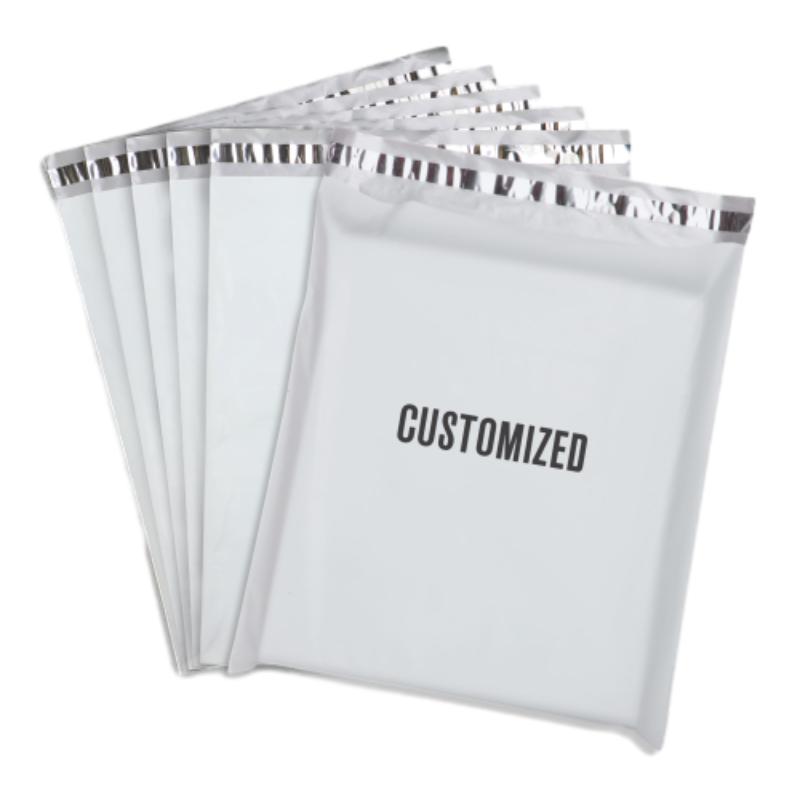
Have the freedom of customizing your custom mailers any way you want! Our dedicated packaging support will help deliver you the mailing experience you need to elevate your shipping experience to the next level! Start making a strong impression on your customers and stand out from your competitors! -
LIYA uses high quality raw materials which directly purchased from large enterprises domestic and overseas such as PetroChina, Sinopec, Sabic, Equate, ExxonMobil, Dow Chemical, Total, and Borouge, ensuring the price advantage and quality of the raw materials. -
LIYA uses high quality raw materials which directly purchased from large enterprises domestic and overseas such as PetroChina, Sinopec, Sabic, Equate, ExxonMobil, Dow Chemical, Total, and Borouge, ensuring the price advantage and quality of the raw materials.
 English
  Arabic
  China
China  French
  Korean
  Russian
  Spanish