The global demand for efficient and reliable packaging solutions is ever-increasing, and at the heart of this demand lies the vital role of the mailing bag factory. These factories are not merely manufacturers; they are essential components of the global supply chain, facilitating commerce, delivering essential goods, and playing a critical role in disaster relief efforts. Understanding the processes, technologies, and innovations within this sector is crucial for businesses, humanitarian organizations, and anyone involved in the movement of goods worldwide.
The mailing bag factory industry has evolved significantly over the decades, moving from basic materials and manual processes to highly automated production lines utilizing advanced polymers and sustainable practices. The industry’s relevance extends beyond simple product delivery; it's intertwined with e-commerce growth, logistical efficiency, and increasingly, environmental responsibility. A robust and innovative mailing bag factory is key to keeping pace with these dynamic demands.
Ultimately, a capable mailing bag factory offers more than just packaging. It represents a commitment to secure transport, brand presentation, and increasingly, a dedication to reducing environmental impact. This makes understanding the intricacies of the industry paramount for a wide range of stakeholders.
The Core Role of a mailing bag factory
A mailing bag factory fundamentally serves as the production hub for a wide array of protective packaging solutions. These factories specialize in creating bags designed for the safe and secure transportation of goods, catering to diverse industries like e-commerce, retail, and logistics. Their core function is not simply manufacturing bags but providing an integral link in the supply chain, safeguarding products from damage during transit.
The efficiency and reliability of a mailing bag factory directly impact the customer experience and the overall success of businesses. High-quality bags ensure products arrive in pristine condition, minimizing returns and fostering customer satisfaction. Consequently, selecting a dependable mailing bag factory is a strategic decision for any company relying on effective shipping and delivery.
Defining the mailing bag factory Landscape
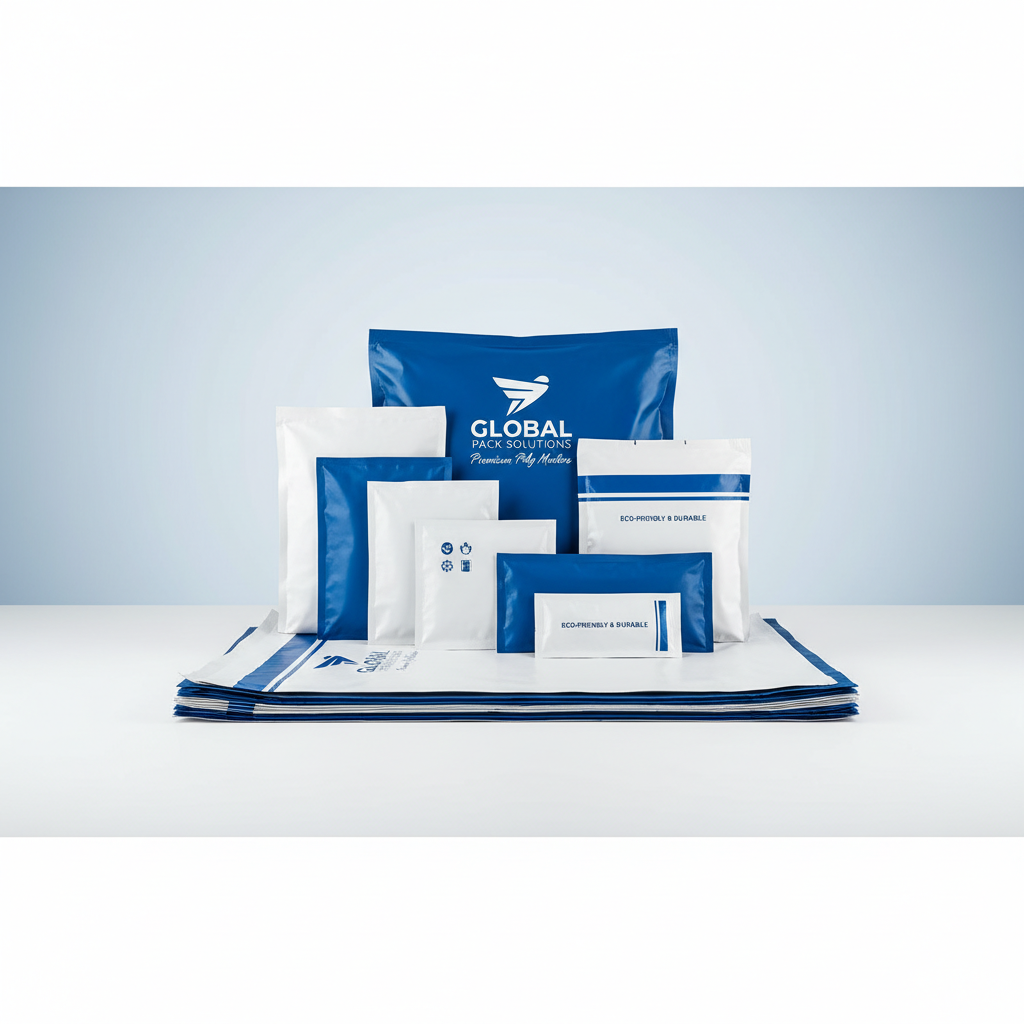
The term “mailing bag factory” encompasses a diverse range of manufacturing facilities, from small, specialized operations to large-scale, highly automated plants. These factories employ various materials, including polyethylene (PE), polypropylene (PP), and biodegradable options, to produce bags of different sizes, thicknesses, and features. They cater to a broad spectrum of needs, from simple poly mailers to tamper-evident security bags.
The modern mailing bag factory often integrates advanced technologies like flexographic printing, automatic sealing, and quality control systems to ensure consistent product quality and efficient production. Their operations are influenced by factors such as raw material costs, labor rates, and adherence to environmental regulations.
Increasingly, the landscape is shifting towards sustainability. Customers are demanding eco-friendly packaging options, prompting mailing bag factory owners to invest in biodegradable materials and implement responsible manufacturing practices.
Key Attributes of a High-Performing mailing bag factory
A successful mailing bag factory isn’t just about producing bags; it's about delivering a complete package of quality, reliability, and customer service. Crucially, this includes a commitment to consistent product standards, ensuring that each bag meets specified dimensions, strength, and printing requirements. Rigorous quality control procedures are paramount.
Furthermore, a high-performing factory demonstrates exceptional responsiveness and flexibility, adapting to the evolving needs of its clientele. This means offering customization options, accommodating varied order sizes, and maintaining efficient lead times. Strong communication and a customer-centric approach are essential for building lasting partnerships.
Finally, a forward-thinking mailing bag factory prioritizes sustainability, actively seeking out eco-friendly materials and implementing environmentally responsible manufacturing processes. This commitment not only appeals to environmentally conscious customers but also contributes to a more sustainable future.
Essential Components of mailing bag factory Production
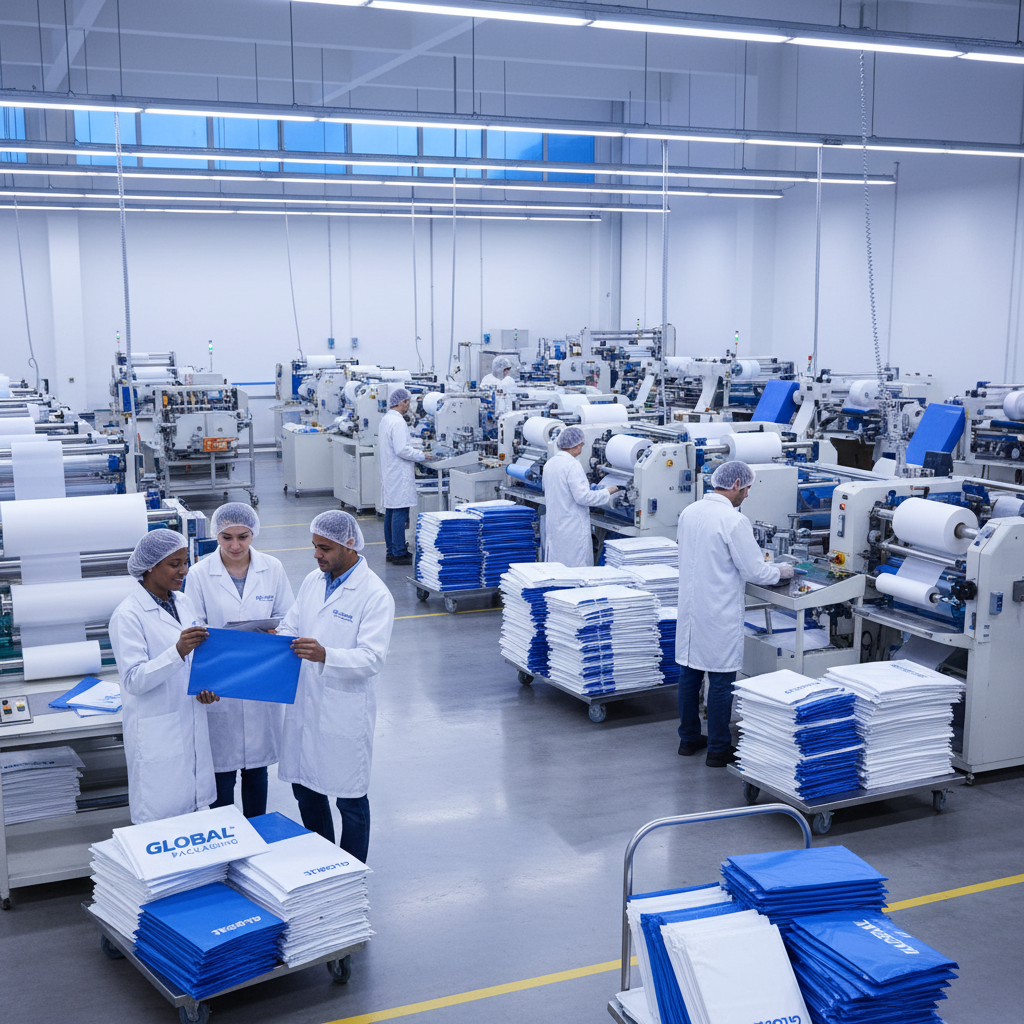
The production process within a mailing bag factory involves several key stages. Initially, raw materials, typically plastic resins, are processed and extruded into film. This film is then printed with branding, logos, or other desired graphics. Following printing, the film is converted into bag shapes through processes like sealing and cutting.
Critical components of the production line include extrusion machines, printing presses, sealing equipment, and quality control stations. Modern factories often utilize automated systems to streamline these processes and enhance efficiency. Maintaining these machines and ensuring consistent material quality are essential for optimal output.
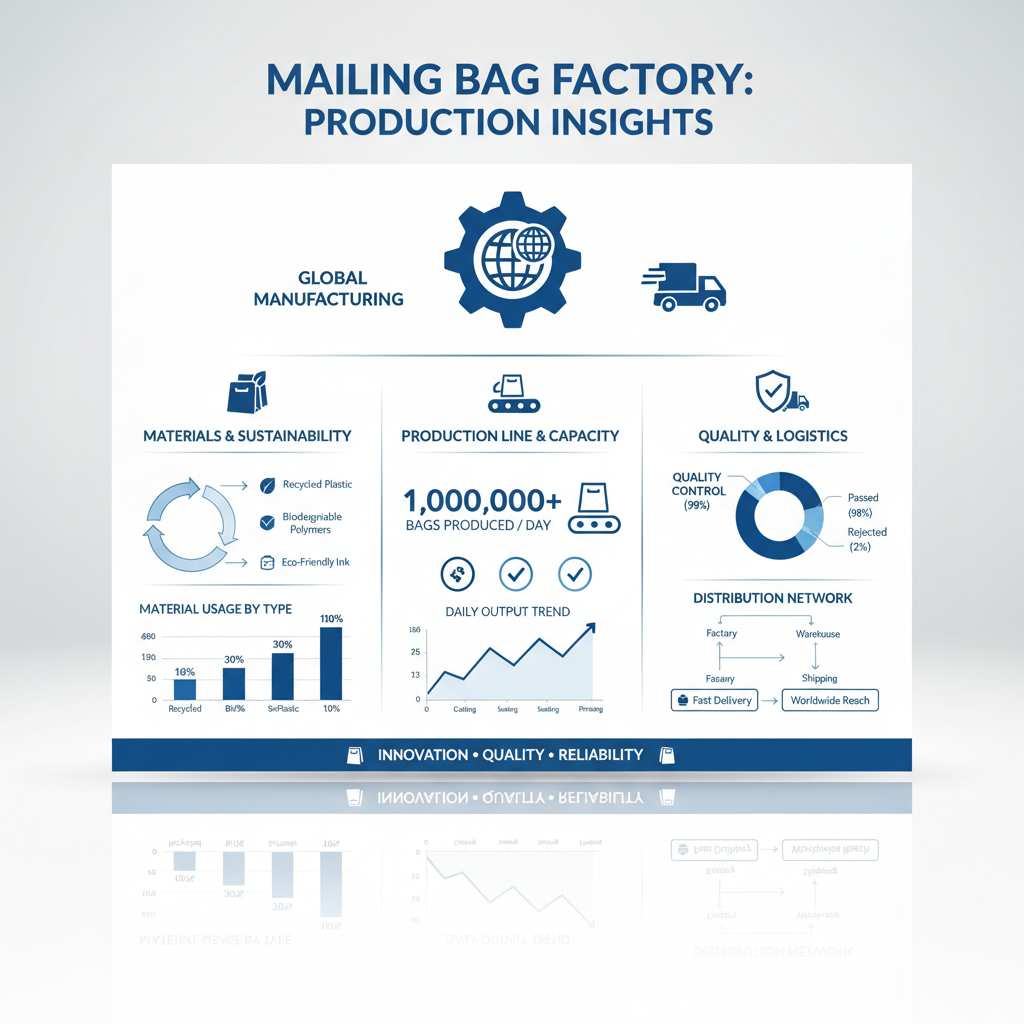
mailing bag factory Production Efficiency Metrics
Global Applications of mailing bag factory Products
The products of a mailing bag factory find applications across a vast range of industries. E-commerce giants rely heavily on these bags for shipping orders directly to consumers. Retail businesses utilize them for online sales and in-store purchases. Logistics companies employ them for secure transport of goods within their networks.
In post-disaster relief operations, durable mailing bags can be crucial for delivering essential supplies to affected areas. Even in remote industrial zones where specialized packaging is scarce, these bags provide a cost-effective solution for protecting valuable materials. Furthermore, pharmaceutical companies utilize specialized mailing bags to maintain the integrity of temperature-sensitive medications during transit.
The Long-Term Value Proposition of a Reliable mailing bag factory
Partnering with a reputable mailing bag factory offers substantial long-term value. Consistently high-quality packaging reduces damage during shipping, lowering return rates and improving customer satisfaction. This, in turn, strengthens brand reputation and fosters customer loyalty.
Furthermore, choosing a factory committed to sustainability demonstrates a company’s dedication to environmental responsibility, enhancing its public image and attracting eco-conscious consumers. Reliable supply chains and competitive pricing contribute to overall cost savings and improved profitability.
A reliable mailing bag factory provides peace of mind, ensuring that products reach their destination safely and securely, fostering trust and confidence in the supply chain.
Future Trends Shaping the mailing bag factory Sector
The mailing bag factory sector is on the cusp of significant transformation driven by several emerging trends. The growing demand for sustainable packaging is spurring innovation in biodegradable and compostable materials. Automation and robotics are becoming increasingly prevalent, enhancing efficiency and reducing labor costs.
Digitalization is playing a key role, with factories adopting advanced data analytics to optimize production processes and improve quality control. Furthermore, the rise of customized packaging solutions is driving demand for greater flexibility and personalization. We can also expect to see increased emphasis on track-and-trace technologies for enhanced supply chain visibility.
Finally, tighter environmental regulations are likely to push mailing bag factory operations toward greater responsibility and a circular economy model, emphasizing material reuse and waste reduction.
Key Factors Influencing mailing bag factory Innovation
| Material Innovation |
Automation Level |
Sustainability Practices |
Customization Capabilities |
| Biodegradable Polymers |
High (Robotic Assembly) |
Closed-Loop Recycling |
Full Color Printing |
| Recycled Plastics |
Medium (Semi-Automated) |
Water Conservation |
Variable Data Printing |
| Compostable Films |
Low (Manual Processes) |
Reduced Energy Consumption |
Limited Customization |
| Plant-Based Materials |
Medium (Automated Cutting) |
Waste Reduction Programs |
Embossing Options |
| Bio-Based Plastics |
High (Fully Automated) |
Carbon Footprint Reduction |
Die-Cut Shapes |
| Ocean-Bound Plastics |
Medium (Semi-Automated) |
Ethical Sourcing |
Custom Sizes |
FAQS
When selecting a mailing bag factory, consider factors like product quality, production capacity, pricing, lead times, customization options, and sustainability practices. A reputable factory will offer consistent quality, competitive pricing, and the ability to meet your specific packaging needs. Checking their certifications and requesting samples is also advisable.
To ensure quality, request samples before placing a large order and conduct thorough testing. Evaluate the bag's strength, durability, seal integrity, and printing clarity. Communicate your quality requirements clearly to the mailing bag factory and request a certificate of analysis to confirm material specifications.
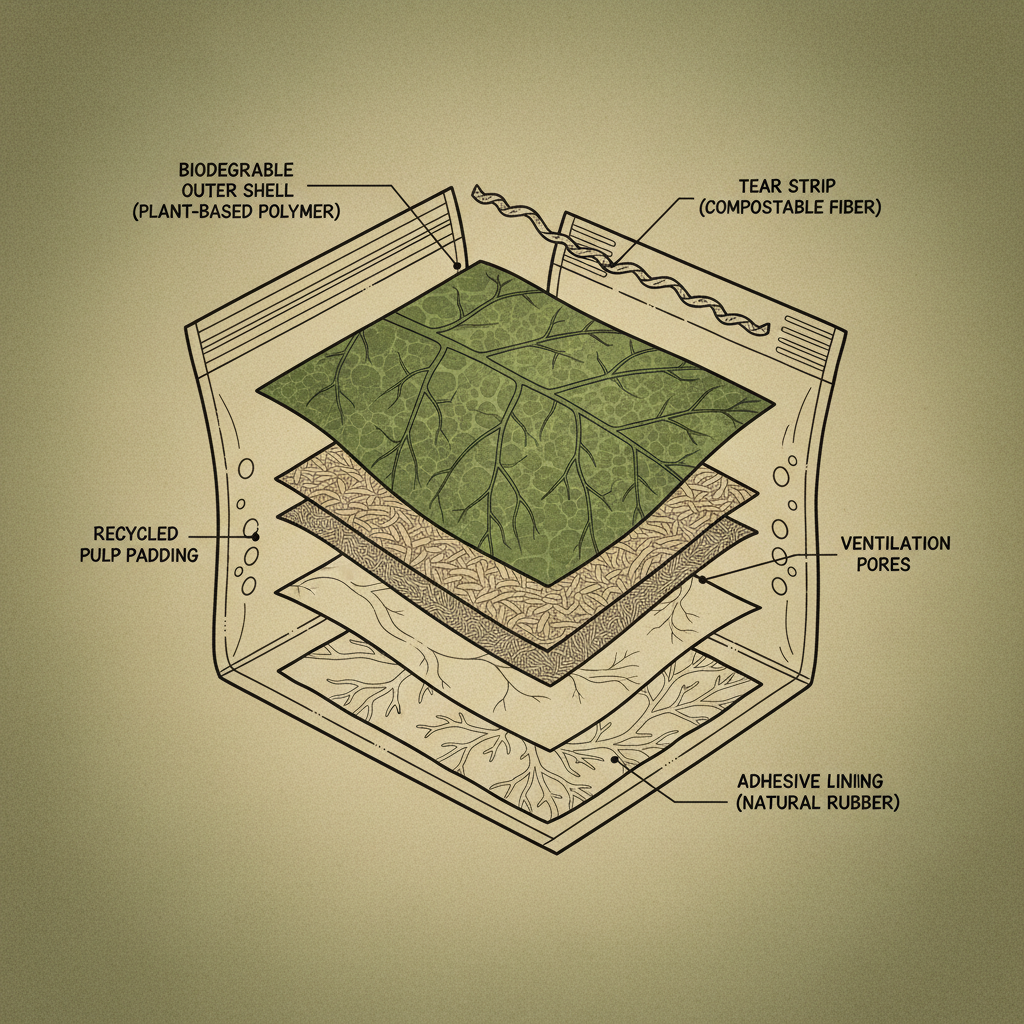
Sustainable options include biodegradable mailing bags made from plant-based materials, compostable bags designed to break down in commercial composting facilities, and bags made from recycled plastics. Partnering with a mailing bag factory committed to eco-friendly practices is crucial for sourcing these materials.
Most mailing bag factory offer a range of customization options, including custom printing with logos and branding, varying bag sizes and thicknesses, different sealing methods, and the addition of features like tamper-evident closures or security features.
Lead times can vary depending on the order size, customization requirements, and the factory’s production schedule. Typically, standard orders may take 2-4 weeks, while custom orders can require 4-8 weeks. Confirm lead times with the mailing bag factory before placing your order.
International shipping involves navigating customs regulations, import duties, and shipping logistics. Work with a mailing bag factory experienced in exporting and ensure they provide accurate documentation for customs clearance. Consider using a freight forwarder to manage the shipping process efficiently.
Conclusion
In conclusion, the mailing bag factory sector plays a pivotal role in the global supply chain, providing essential packaging solutions for a wide array of industries. From ensuring product protection during transit to embracing sustainable practices and fostering innovation, these factories are constantly evolving to meet the changing demands of the market. The attributes of a high-performing factory – quality, reliability, flexibility, and a commitment to sustainability – are crucial for long-term success.
Looking ahead, the sector will continue to be shaped by emerging trends like biodegradable materials, automation, and digitalization. By prioritizing innovation and sustainability, mailing bag factory can enhance their competitiveness and contribute to a more resilient and responsible global economy. Visit our website at www.liyabiobag.com to learn more about our commitment to quality and sustainable packaging solutions.



 English
  Arabic
  China
China  French
  Korean
  Russian
  Spanish