Types of Bubble Mailers: Expert Guide to Industrial Packaging
Types of Bubble Mailers: A Practical Guide from Industry Experience
Having spent a good chunk of my career in the industrial equipment world — where protection and shipping efficiency are not just nice-to-haves, but essentials — I’ve come to appreciate the humble bubble mailer more than most. Oddly enough, despite their simple look, bubble mailers come in a surprising variety of types and constructions, each suited to different shipping needs and product sensitivities.
When you think about it, the bubble mailer is sort of a marvel of packaging engineering — lightweight yet protective, flexible but durable. Over the years, I’ve seen how choosing the right type can make or break a shipment, especially in sectors where fragile components or industrial tools need extra cushioning without adding unnecessary weight.
Understanding the Common Types of Bubble Mailers
Broadly, bubble mailers fall into a few main categories based on bubble size, outer material, and sealing method. Here’s a quick rundown:
- Standard Bubble Mailers: These usually have 1/4” bubbles and a polyethylene outer layer. They’re the most common and offer decent protection for light to moderate padding needs.
- Heavy-Duty Bubble Mailers: Featuring larger bubbles, around 3/8” or more, and thicker outer films, these are designed for heavier, more fragile items. Often reinforced with a kraft paper exterior for durability.
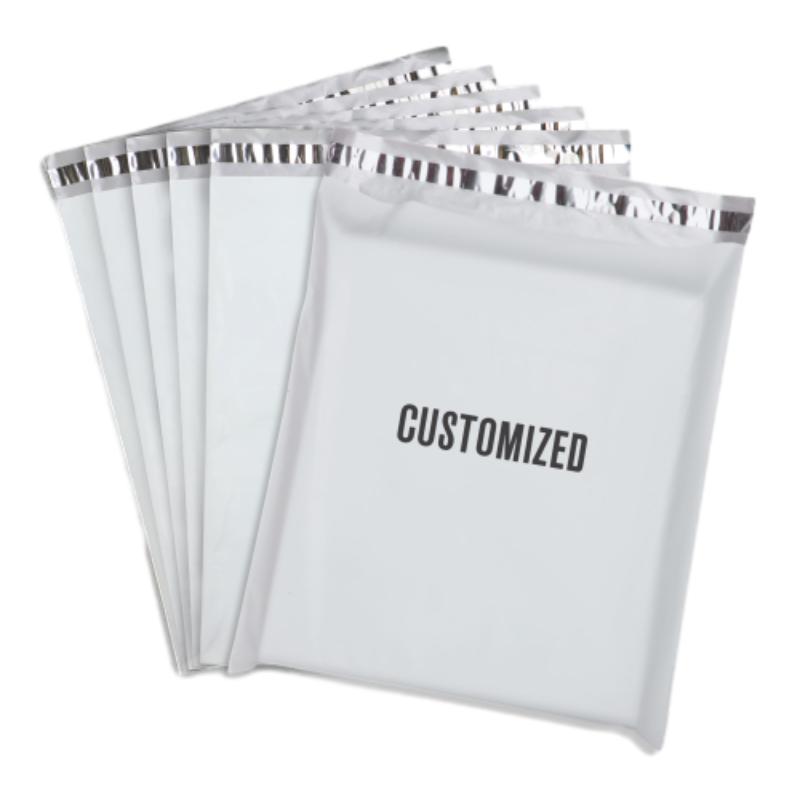
- Padded Poly Mailers: Instead of kraft paper, these use a plastic/polyethylene outer shell which makes them moisture-resistant and tear-proof. Great for electronics and parts sensitive to humidity.
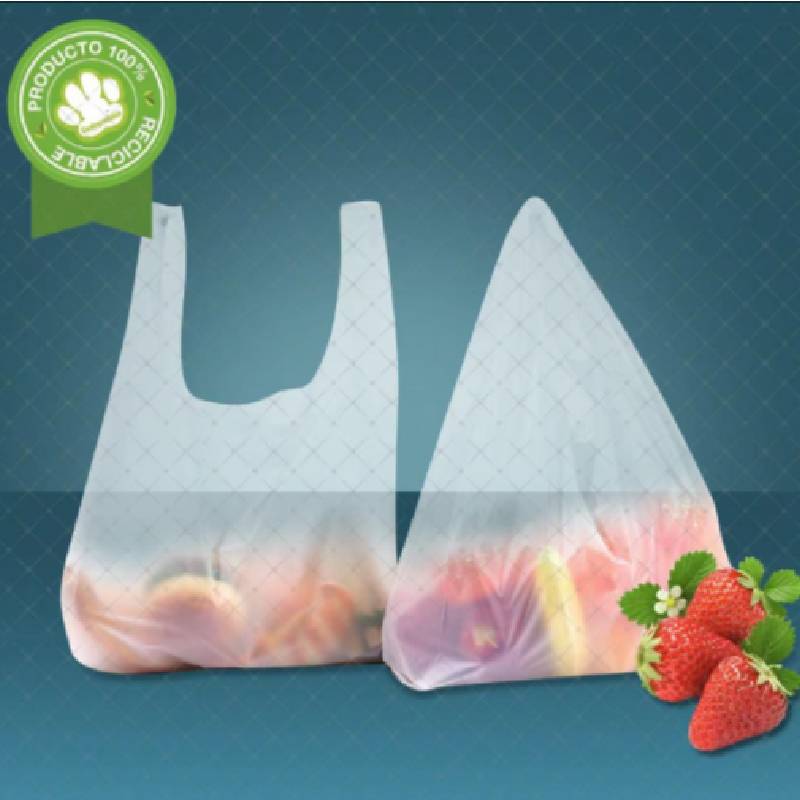
- Eco-Friendly Bubble Mailers: Increasingly popular, these use recycled materials or biodegradable liners. You sacrifice a bit of cushioning sometimes but get the bonus of better environmental stewardship.
Honestly, one of the first things I noticed working on packaging lines was how product specifications and shipping conditions often dictate bubble mailer choice more than mere cost. Many engineers say it’s about the balance between protection and postage cost. Too heavy or bulky, and you pay through the nose for shipping.
Material and Design Insights
Bubble mailers might look straightforward, but from an industrial design perspective, the construction is quite considered. The bubbles themselves come in multiple thicknesses and diameters. Larger bubbles provide more shock absorption but can make the mailer less pliable. Meanwhile, the outer material impacts tear resistance and barrier protection—the kraft paper variants are sturdy but not waterproof, while plastic composites shield better against moisture.
Sealing methods also vary — self-adhesive strips are common for quick packing, but some users prefer heat-sealed or zipper-style closures for reusability or better tamper evidence. I suppose these subtle choices can make a huge difference in warehouse efficiency and security.
Typical Product Specs for Bubble Mailers
| Specification | Standard Bubble Mailer | Heavy-Duty Bubble Mailer |
|---|---|---|
| Bubble Diameter | 1/4 inch (6 mm) | 3/8 inch (10 mm) |
| Outer Material | Polyethylene film | Kraft paper with polyethylene lining |
| Weight | Lightweight (~20-30 gsm) | Heavier (~50-70 gsm) |
| Sealing Type | Self-adhesive strip | Self-adhesive or heat-sealed |
| Moisture Resistance | Moderate | Good |
Picking Vendors: What I’ve Seen in the Field
In the world of industrial shipping, where I’ve often consulted or managed procurement, vendor reliability is just as crucial as product specs. It’s interesting, I suppose, because two bubble mailers might look identical on paper but perform quite differently depending on the manufacturer’s quality control and materials sourcing.
| Vendor | Material Quality | Customization Options | Eco-Friendly Options | Price Range |
|---|---|---|---|---|
| Liyabiobag | High-grade films, consistent bubbles | Full custom printing & sizing | Multiple recycled & compostable lines | Mid to premium |
| Vendor B | Standard quality | Limited print options | None | Budget |
| Vendor C | Good for standard use | Custom sizes only | Limited eco-friendly options | Mid-range |
From my experience, vendors like Liyabiobag stand out because they combine solid material quality with customization and sustainable options—stuff that matters both practically and ethically these days. I once worked with a tooling company that switched from generic mailers to customized heavy-duty padded poly mailers, and the drop damage claims almost vanished overnight.
Final Thoughts
It feels like bubble mailers are a small piece of a huge logistical puzzle—easily overlooked but critical in protecting your products and your reputation. Next time you ship a delicate part or a high-value component, consider the type of bubble mailer carefully. Trust me, the investment pays off. And for reliable quality, options like those from Liyabiobag are worth checking out.
Reference: 1. Industry packaging trends report 2023, 2. Material testing standards for protective packaging, 3. Customer feedback from industrial supply chains.
-
Secure Shipping Guide with Poly Mailer Bubble Wrap SolutionsNewsApr.16,2026
-
Secure Shipping Guide for Using Durable Bubble Parcel BagsNewsApr.09,2026
-
Comprehensive Guide to Poly Mailer Bubble for Secure and Efficient ShippingNewsApr.07,2026
-
Elevate Your Brand with Custom Designer Bubble Mailers for Effective PackagingNewsApr.04,2026
-
Comprehensive Guide to Poly Mailers with Bubble Wrap for Secure ShippingNewsMar.31,2026
-
Comprehensive Guide to Large Bubble Poly Mailers for Secure and Efficient ShippingNewsMar.28,2026
-
Have the freedom of customizing your custom mailers any way you want! Our dedicated packaging support will help deliver you the mailing experience you need to elevate your shipping experience to the next level! Start making a strong impression on your customers and stand out from your competitors! -
LIYA uses high quality raw materials which directly purchased from large enterprises domestic and overseas such as PetroChina, Sinopec, Sabic, Equate, ExxonMobil, Dow Chemical, Total, and Borouge, ensuring the price advantage and quality of the raw materials. -
LIYA uses high quality raw materials which directly purchased from large enterprises domestic and overseas such as PetroChina, Sinopec, Sabic, Equate, ExxonMobil, Dow Chemical, Total, and Borouge, ensuring the price advantage and quality of the raw materials.
 English
  Arabic
  China
China  French
  Korean
  Russian
  Spanish