Understanding White Polymailers: Benefits, Uses & Global Impact
What is a White Polymailer and Why It Matters Globally
In today’s fast-moving global economy, packaging solutions like the white polymailer are quietly revolutionizing how goods move across continents. A white polymailer is simply a lightweight, durable polyethylene mailer bag. It sounds basic, sure, but it’s pretty key in e-commerce, logistics, and even humanitarian aid. Understanding its features and benefits can help businesses, governments, and NGOs improve efficiency while embracing sustainability — a critical goal as global shipping volumes keep rising.
Introduction: The Global Context of White Polymailers
Packaging waste hits nearly 141 million tons globally per year, according to the UN’s Environmental Programme, with a chunk of that coming from shipping envelopes and mailers. White polymailers, thanks to their minimal weight and recyclable nature, offer a practical solution — reducing carbon footprints and shipping costs alike. Oddly enough, despite their simplicity, they actually tackle big problems like supply chain delays, damage in transit, and the consumer demand for greener packaging.
It’s estimated that e-commerce growth of 20% annually continues to push demand for effective mailers worldwide. However, many traditional envelopes are bulky or easily torn. White polymailers bridge that gap.
Defining White Polymailers
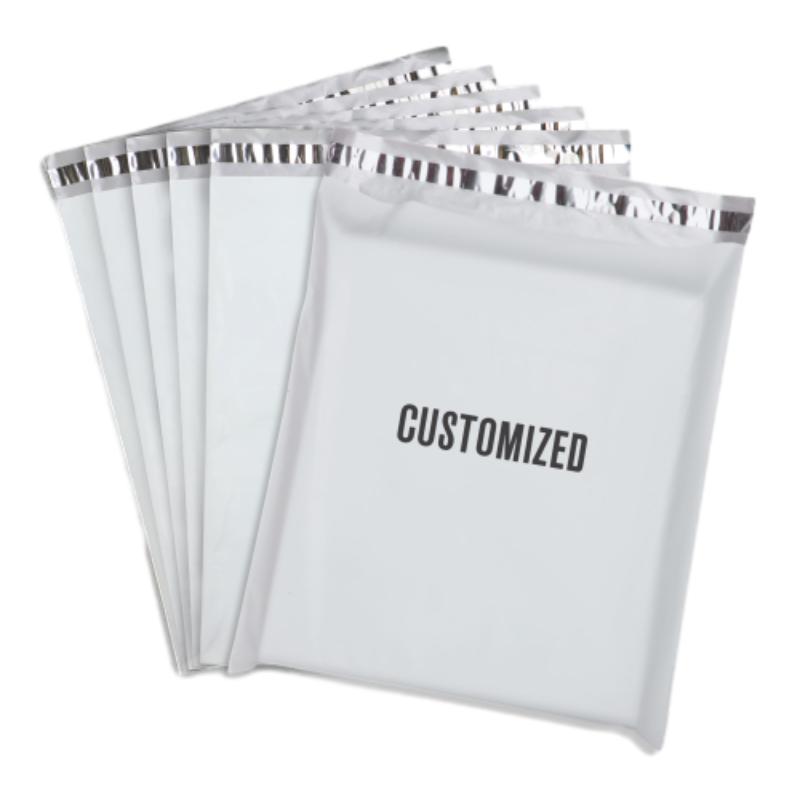
At their core, white polymailers are polyethylene plastic mailing bags — usually made from high-density polyethylene (HDPE) or low-density polyethylene (LDPE). The “white” refers to their color, which not only looks clean and professional but also helps with branding consistency. They’re waterproof, tear-resistant, and often self-sealing, streamlining the packaging process for businesses.
This simplicity ties directly into industries’ needs for scalable, cost-effective, and protective packaging, especially where speed and volume matter — whether in retail, books, textiles, or electronics shipments.
Key Features of White Polymailers
Durability
White polymailers are designed to handle rough handling and weather. Their plastic construction protects items from moisture, dirt, and punctures, critical when shipping sensitive or lightweight products.
Lightweight
Reducing shipping weight lowers costs and emissions. Polymailers minimize deadweight compared to boxes, making them ideal for international shipments where weight translates to price.
Cost Efficiency
Produced at scale from polyethylene, these mailers are inexpensive and readily available. Their self-adhesive strips save time in packing, further cutting labor costs.
Customizability
White polymailers can be printed on or sized to fit different products, catering to branding needs and order specifications. Large-scale sellers love this aspect.
Recyclability & Sustainability
Modern white polymailers increasingly incorporate recycled materials and are designed for recyclability. This is key to meeting stricter environmental regulations across Europe, North America, and beyond.
Security Features
Some polymailers include tamper-evident seals, helping companies protect shipments against theft or fraud.
Product Specification Table: Typical White Polymailer Characteristics
| Feature | Specification | Benefit |
|---|---|---|
| Material | HDPE/LDPE (Polyethylene) | Waterproof, flexible, durable |
| Color | White (solid or opaque) | Professional appearance; printable surface |
| Closure | Peel & Seal self-adhesive strip | Quick, secure sealing |
| Thickness | 30-100 microns | Strength varies by need |
| Sizes | Varies (e.g., 6x9", 10x13", 14.5x19") | Fits broad product ranges |
| Recyclability | Depends on recycling systems | Supports circular economy goals |
Global Applications & Use Cases
White polymailers are everywhere — from fashion to tech, booksellers to cosmetics. In North America and Europe, online retailers rely heavily on these mailers due to their low cost and reliability. In Asia’s booming e-commerce markets, polymailers help sellers navigate massive order volumes without escalating shipping expenses.
Humanitarian organizations also utilize white polymailers during disaster relief to send out critical supplies — think small medical kits or documents — with speed and protection. For instance, in post-disaster zones of the Pacific, mailers enable quick distribution of information leaflets and compact aid packages.
Interestingly, industrial zones with remote locations in Africa and Latin America prefer these because they keep parts or tools safe, dry, and lightweight for transport.
Vendor Comparison: Leading White Polymailer Suppliers
| Vendor | Materials | Customization | Sustainability | Global Reach |
|---|---|---|---|---|
| Liyabiobag | Eco-friendly PE blends | Full print & size options | Focus on recycled content | Asia, Europe, Americas |
| PolyPost | HDPE standard | Limited to sizes | Moderate recycling focus | North America |
| EcoMailer | Biodegradable PE | Custom prints | Strong sustainability focus | Europe only |
Why Choose White Polymailers? Advantages and Long-Term Value
From a cost perspective, the savings on freight due to the lightness of white polymailers add up quickly, especially in bulk. Beyond finances, there’s a social element — these mailers ensure packages arrive intact and protected, building trust between seller and customer. Safety and dignity matter; no one wants soggy returns or torn merchandise.
Their role in sustainability cannot be overstated. As the world leans into circular economies, choosing recyclable mailers contributes to reducing landfill waste and lowers petroleum demand from virgin plastic production.
Emerging Trends & Innovations
The packaging world is buzzing with innovation, and polymailers aren’t exempt. New materials like bio-based polyethylene and enhanced biodegradable additives are becoming more widespread. Plus, digital printing advances allow for high-quality, eco-friendly branding without extra plastic waste.
Automation in packing lines increasingly integrates polymailer use, speeding up fulfillment centers and reducing human error. One might say the humble white polymailer is riding the tech wave quietly but effectively.
Challenges & Solutions in White Polymailer Usage
Surprisingly, despite their many benefits, polymailers face challenges: recycling infrastructure varies widely, meaning not all mailers get recycled, leading to environmental concerns. Also, size constraints limit their use for bulky items.
Innovations in multi-material blends that separate easily for recycling are underway. Educating consumers and businesses about disposal is equally critical. Customized sizing and hybrid packaging approaches help address dimensional challenges.
FAQs About White Polymailers
- Q: Are white polymailers waterproof enough for overseas shipping?
A: Yes, made from polyethylene, white polymailers are highly water-resistant and guard contents from rain or spills during transit abroad. - Q: Can I customize white polymailers with my brand logo?
A: Absolutely. Most suppliers, including white polymailer vendors, offer printing services to add logos or designs to meet branding needs. - Q: How eco-friendly are white polymailers really?
A: While traditional polyethylene is plastic, many modern polymailers use recycled content and are recyclable themselves. Plus, they reduce shipping weight, lowering emissions. Still, end-of-life management is key. - Q: What sizes are best for shipping apparel?
A: Sizes like 10x13" or 14.5x19" generally fit most clothing items comfortably without extra bulk, protecting them well in transit. - Q: Are there tamper-proof white polymailers?
A: Yes, certain polymailers come with tamper-evident adhesive strips to deter theft and provide security assurance.
Conclusion & Call to Action
To sum it up, white polymailers offer a sleek, functional, and increasingly sustainable packaging choice that meets the growing demands of global shipping and e-commerce. They not only protect products but also play a part in the broader sustainability mission shaping our industry’s future. For anyone interested in elevating their packaging game with quality white polymailer solutions, I’d highly recommend visiting Liyabiobag’s website to explore their options.
In real terms, these mailers reflect how even the smallest packaging components matter — they can drive cost savings, enhance brand reputation, and support environmental stewardship simultaneously.
Mini takeaway: White polymailers may seem simple, but they are a powerful tool in modern logistics — blending economic, environmental, and operational advantages that make a difference worldwide.
References
-
Secure Shipping Guide with Poly Mailer Bubble Wrap SolutionsNewsApr.16,2026
-
Secure Shipping Guide for Using Durable Bubble Parcel BagsNewsApr.09,2026
-
Comprehensive Guide to Poly Mailer Bubble for Secure and Efficient ShippingNewsApr.07,2026
-
Elevate Your Brand with Custom Designer Bubble Mailers for Effective PackagingNewsApr.04,2026
-
Comprehensive Guide to Poly Mailers with Bubble Wrap for Secure ShippingNewsMar.31,2026
-
Comprehensive Guide to Large Bubble Poly Mailers for Secure and Efficient ShippingNewsMar.28,2026
-
Have the freedom of customizing your custom mailers any way you want! Our dedicated packaging support will help deliver you the mailing experience you need to elevate your shipping experience to the next level! Start making a strong impression on your customers and stand out from your competitors! -
LIYA uses high quality raw materials which directly purchased from large enterprises domestic and overseas such as PetroChina, Sinopec, Sabic, Equate, ExxonMobil, Dow Chemical, Total, and Borouge, ensuring the price advantage and quality of the raw materials. -
LIYA uses high quality raw materials which directly purchased from large enterprises domestic and overseas such as PetroChina, Sinopec, Sabic, Equate, ExxonMobil, Dow Chemical, Total, and Borouge, ensuring the price advantage and quality of the raw materials.
 English
  Arabic
  China
China  French
  Korean
  Russian
  Spanish