Comprehensive Guide to Plastic Mailing Pouches – Durable, Sustainable & Cost-Effective Solutions
Plastic Mailing Pouches: What They Are and Why They Matter Globally
Plastic mailing pouches might not get the spotlight like smartphones or electric cars, but you wouldn't believe how much they shape our daily logistics and shipping ecosystems worldwide. At their core, these are specialized packaging solutions designed to protect and transport goods efficiently—think of them as the unsung heroes of e-commerce, humanitarian aid, and even industrial freight. Grasping the ins and outs of plastic mailing pouches opens doors to smarter supply chains, lowered costs, and a smaller environmental footprint. Plus, in an increasingly fast-paced world, these small protective wraps have become essential for global connectivity.
The Global Landscape: Why Plastic Mailing Pouches Are Everywhere
It’s pretty fascinating when you look at it from a global perspective: according to recent World Bank reports, over 2 billion packages are shipped globally every single day—an overwhelming majority use some form of plastic packaging, and plastic mailing pouches are a key player here. The international standardization bodies like ISO have been actively offering guidelines to improve packaging integrity, recognizing that durable, lightweight mailers reduce freight emissions. But here’s the kicker: the big challenge remains balancing durability with sustainability, especially since plastic, even if thin and flexible, has a lasting environmental impact.
In fact, the UN Environment Programme flags single-use plastics as a major global concern, highlighting the drive for more recyclable or biodegradable mailing pouches. This means companies using these products are facing growing pressure to innovate, and consumers increasingly expect greener choices.
What Exactly Are Plastic Mailing Pouches?
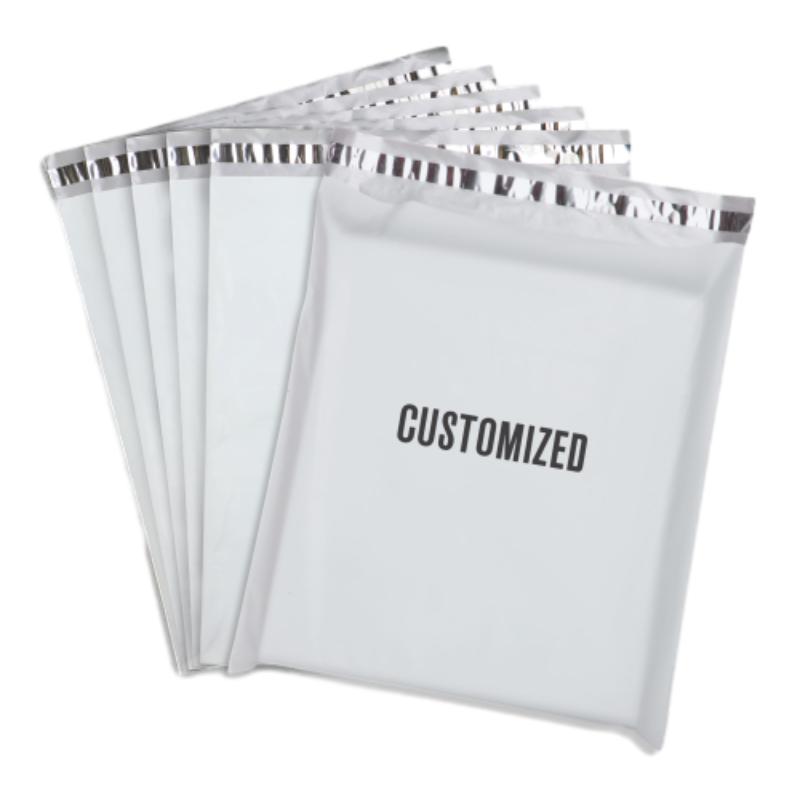
In simpler terms, plastic mailing pouches are modified polyethylene or polypropylene envelopes designed for shipping small to medium-sized goods. They typically feature tamper-evident seals, waterproof barrier layers, and sometimes cushioning properties—imagine a bubble-wrap layer sandwiched inside a tough plastic exterior. Their design ensures lightweight yet rugged protection against tears, moisture, and dirt during transport.
They’ve become vital in e-commerce, allowing sellers to mail clothes, cosmetics, electronics parts, and even humanitarian supplies quickly and safely. NGOs rely heavily on these mailers to send emergency supplies because they’re easy to store, transport, and often cheaper than rigid boxes.
Key Components of Effective Plastic Mailing Pouches
1. Durability
Perhaps the most critical characteristic, durability ensures parcels arrive intact. Many mail pouches are engineered with multi-layered plastics that resist tearing and puncturing, meaning fewer customer complaints and return shipments. It’s no surprise that manufacturers often run tests simulating drop impacts, extreme bends, and moisture exposure.
2. Scalability and Size Range
From small single-item packaging to bulkier envelope sizes, plastic mailing pouches come in a spectrum of dimensions. This scalability means businesses across industries—from fashion startups to big logistic firms—can all use versions tailored to their volume and product profile, reducing excess packaging waste.
3. Cost Efficiency
Compared with bulky cartons, these mailers reduce packaging weight drastically, lowering shipping costs. The material cost is also generally lower, which is crucial when sending millions of packages. I recall a mid-sized apparel brand sharing that switching to poly mailing bags trimmed their packaging budget by almost 30%.
4. Security Features
Security in transit is a growing concern. Many plastic mailing pouches incorporate tamper-evident seals or opaque materials to protect content confidentiality—a significant need for pharmaceuticals or sensitive electronics parts.
5. Sustainability Aspects
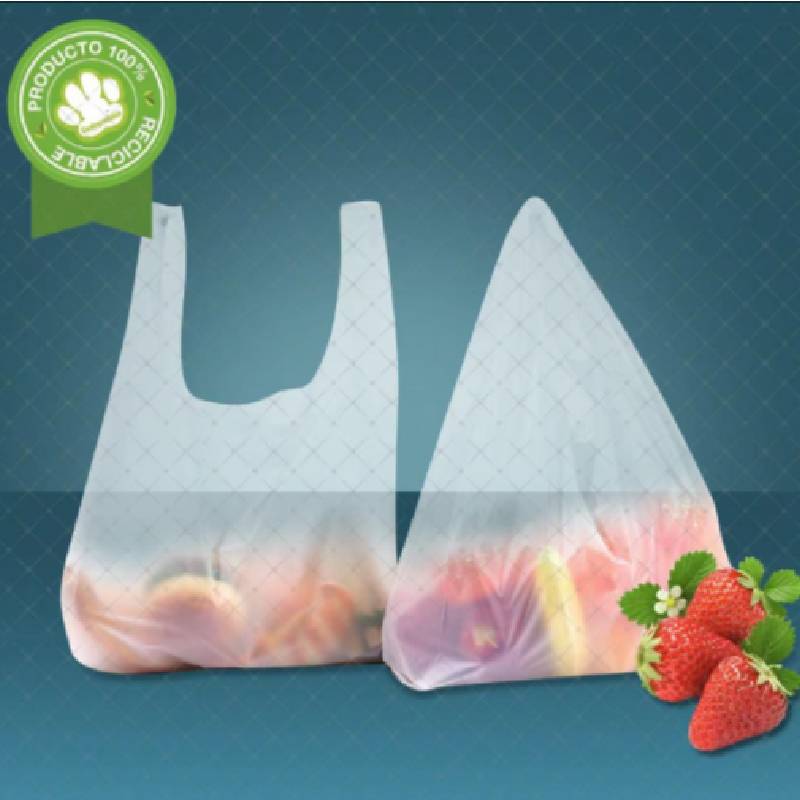
With environmental activism rising, recyclable or biodegradable options are no longer luxury add-ons. New polymers can now break down faster or be processed in existing recycling streams, even if they're still catching up to consumer demand globally.
Mini takeaway:
Durability, size flexibility, cost, security, and sustainability form the backbone of what makes plastic mailing pouches practical and relevant for widely different industries today.
Real World Applications: Where Plastic Mailing Pouches Shine
In real terms, you’ll find these pouches on every continent, serving a variety of needs:
- E-commerce firms: Major marketplaces like Amazon or Alibaba ship billions of orders yearly relying heavily on sturdy, tear-proof plastic pouches for items like apparel and small electronics.
- Humanitarian Relief: Post-disaster situations—think hurricane zones or conflict areas—require rapid dispatch of medical kits or food supplements. Lightweight, waterproof mailing pouches are invaluable here for secure, fast distribution.
- Remote Industrial Zones: Mining or oil rigs, often isolated, receive replacement parts or specialized tools using these pouches. The tight seal protects against harsh environmental exposure.
- Subscription Box Services: Companies supplying cosmetics, snacks, or boutique clothing items use personalized pouches to add brand flair with printed designs or colors.
Advantages and Long-Term Value of Plastic Mailing Pouches
It’s not just about the upfront savings. These mailers contribute long-term benefits that businesses and customers both appreciate:
- Cost savings: Leaner packaging means lower shipping weight and volume, which means less fuel consumption and reduced freight charges.
- Environmental impact: Advances in recyclable or compostable materials can help reduce landfill accumulation (though adoption isn’t perfect yet).
- Customer satisfaction: Secure, damage-free delivery enhances brand trust and lowers return rates.
- Social impact: For NGOs, reliable mailing pouches translate into timely aid reaching the most vulnerable, preserving dignity and safety.
Product Specifications of Plastic Mailing Pouches
| Specification | Typical Range | Comments |
|---|---|---|
| Material | Polyethylene (PE), Polypropylene (PP), Biodegradable variants | Multi-layer laminated for strength & waterproofing |
| Thickness | 30-100 microns | Balances durability and flexibility |
| Seal type | Self-adhesive strip, tamper-evident | Ensures security, no rewritable adhesives |
| Sizes | From 6"x9" to 20"x24" (custom sizes available) | Fits wide product ranges |
| Print options | Custom logos, security prints, QR codes | Enhances branding and traceability |
Comparing Vendors: What to Look for When Buying Plastic Mailing Pouches
| Vendor | Material Options | Customization | Sustainability Focus | Price Range |
|---|---|---|---|---|
| LiyaBioBag | PE, Biodegradable blends | Full custom print & size | High – compostable certified | Mid-range |
| EcoPack Solutions | Recycled and virgin PE | Limited print and sizes | Moderate – using recycled plastics | Budget-friendly |
| GlobalMail Packaging | PE/PP mix, tamper-evident | Extensive customization | Low – focus on functional durability | Premium |
Emerging Trends and Innovations in Plastic Mailing Pouches
Looking forward, innovation is happening on multiple fronts. Bio-based plastics and compostable polymers are reshaping sustainability efforts, aiming to insert these products seamlessly into circular economies. Digital printing technology now enables on-demand, variable branding, allowing marketers to tweak messages for regional audiences — fascinating stuff.
I heard a story not too long ago about an NGO that combined QR codes printed on mailing pouches with blockchain technology, tracking supplies from warehouse to recipient — transparency and trust all in one. Automation in manufacturing is also resulting in faster turnaround and greater customization flexibility.
Challenges and How to Overcome Them
No packaging solution is perfect, and plastic mailing pouches have their share of hurdles:
- Environmental concerns: Plastic waste is a global issue. The key is sourcing or developing truly recyclable or compostable materials and encouraging consumers to recycle properly.
- Durability vs. biodegradability: Often, greener materials compromise toughness — ongoing R&D seeks to reconcile this.
- Supply chain complexity: Sourcing from sustainable vendors can complicate procurement but pays off long term.
Continuous innovation and collaboration between manufacturers, brands, and recyclers will be crucial for future-proofing.
FAQ: Your Practical Questions About Plastic Mailing Pouches
Q1: How waterproof are plastic mailing pouches for international shipments?
A1: Most plastic mailing pouches are designed with waterproof polyethylene layers, effectively preventing moisture ingress during transport—even through rainy ports or humid warehouses. However, extreme conditions might require additional liners or bubble wrap inserts.
Q2: Can plastic mailing pouches be recycled?
A2: Many standard plastic pouches are recyclable, especially those made from polyethylene. Yet, recyclability depends on local facilities and whether the pouches have added layers or adhesives. Increasingly, bio-based and compostable options are emerging.
Q3: Are custom prints available on plastic mailing pouches?
A3: Yes, manufacturers often offer custom printing, from logos to QR codes. Digital printing technology allows small batch customizations, which is great for branding or security purposes.
Q4: What sizes of plastic mailing pouches are commonly stocked?
A4: Standard sizes range from about 6"x9" for small items up to 20"x24" for larger parcels. Custom sizes are also widely available for specialized needs.
Q5: How do plastic mailing pouches compare with traditional boxes in shipping cost?
A5: Plastic mailing pouches reduce weight and volume considerably, which usually means lower shipping costs. They’re also easier to store in bulk, saving warehouse space.
Conclusion: Why Investing in Plastic Mailing Pouches Makes Sense
To wrap it up, plastic mailing pouches offer a smart, adaptable, and increasingly sustainable answer to the fast-moving demands of modern shipping. From enhancing customer satisfaction through secure delivery, to aligning with global sustainability goals, these simple yet high-tech packaging solutions are set to stay at the heart of logistics innovation.
If you’re ready to streamline your packaging or explore eco-friendly options in your shipping, take a look at the diverse, customizable solutions at LiyaBioBag.
References
-
Secure Shipping Guide with Poly Mailer Bubble Wrap SolutionsNewsApr.16,2026
-
Secure Shipping Guide for Using Durable Bubble Parcel BagsNewsApr.09,2026
-
Comprehensive Guide to Poly Mailer Bubble for Secure and Efficient ShippingNewsApr.07,2026
-
Elevate Your Brand with Custom Designer Bubble Mailers for Effective PackagingNewsApr.04,2026
-
Comprehensive Guide to Poly Mailers with Bubble Wrap for Secure ShippingNewsMar.31,2026
-
Comprehensive Guide to Large Bubble Poly Mailers for Secure and Efficient ShippingNewsMar.28,2026
-
Have the freedom of customizing your custom mailers any way you want! Our dedicated packaging support will help deliver you the mailing experience you need to elevate your shipping experience to the next level! Start making a strong impression on your customers and stand out from your competitors! -
LIYA uses high quality raw materials which directly purchased from large enterprises domestic and overseas such as PetroChina, Sinopec, Sabic, Equate, ExxonMobil, Dow Chemical, Total, and Borouge, ensuring the price advantage and quality of the raw materials. -
LIYA uses high quality raw materials which directly purchased from large enterprises domestic and overseas such as PetroChina, Sinopec, Sabic, Equate, ExxonMobil, Dow Chemical, Total, and Borouge, ensuring the price advantage and quality of the raw materials.
 English
  Arabic
  China
China  French
  Korean
  Russian
  Spanish