Comprehensive Guide to Shipping Bubble Wrap and Protective Packaging Solutions
Understanding Shipping Bubble Wrap: A Comprehensive Guide
In the world of e-commerce and international trade, protecting your products during transit is paramount. Shipping bubble wrap remains a popular and effective solution for cushioning and safeguarding goods against damage. This article will delve into the benefits, types, applications, and sustainable alternatives to traditional bubble wrap, ensuring your products arrive safely and your business operates efficiently. We will explore how choosing the right packaging material can reduce returns and enhance customer satisfaction.
The Importance of Protective Packaging in Shipping
The journey a package takes from your warehouse to your customer can be rough. It's subject to vibrations, impacts, and potential crushing forces. Without adequate protection, fragile items are vulnerable to breakage, and even robust products can suffer cosmetic damage. This leads to returns, negative reviews, and increased costs. Effective shipping materials like bubble wrap create a cushioning layer that absorbs shocks and minimizes the risk of damage, ensuring customer satisfaction and protecting your bottom line.
Key Benefits of Using Bubble Wrap: Provides excellent cushioning, lightweight and cost-effective, versatile for a wide range of products, easy to use and readily available.
Types of Shipping Bubble Wrap
Shipping bubble wrap isn’t a one-size-fits-all solution. Several variations cater to different needs. Common types include:
- Small Bubble: Ideal for lightweight items and surface protection.
- Medium Bubble: Suitable for a broader range of products offering a good balance of cushioning and cost.
- Large Bubble: Best for fragile or heavy items requiring maximum protection.
- Anti-Static Bubble: Designed for protecting sensitive electronic components from electrostatic discharge.
- Cohesive Bubble: Self-adhesive, eliminating the need for tape.
Bubble Wrap Size Guide:
• Small Bubble (6mm-10mm): Lightweight items, filling voids.
• Medium Bubble (15mm-20mm): General purpose, moderate fragility.
• Large Bubble (25mm-30mm): Heavy/Fragile Items, Maximum Protection.
Shipping Bubble Wrap vs. Alternatives: A Comparison
While bubble wrap remains popular, several alternatives offer comparable or even superior protection and sustainability. Here’s a quick comparison:
Sustainable Alternatives to Traditional Bubble Wrap
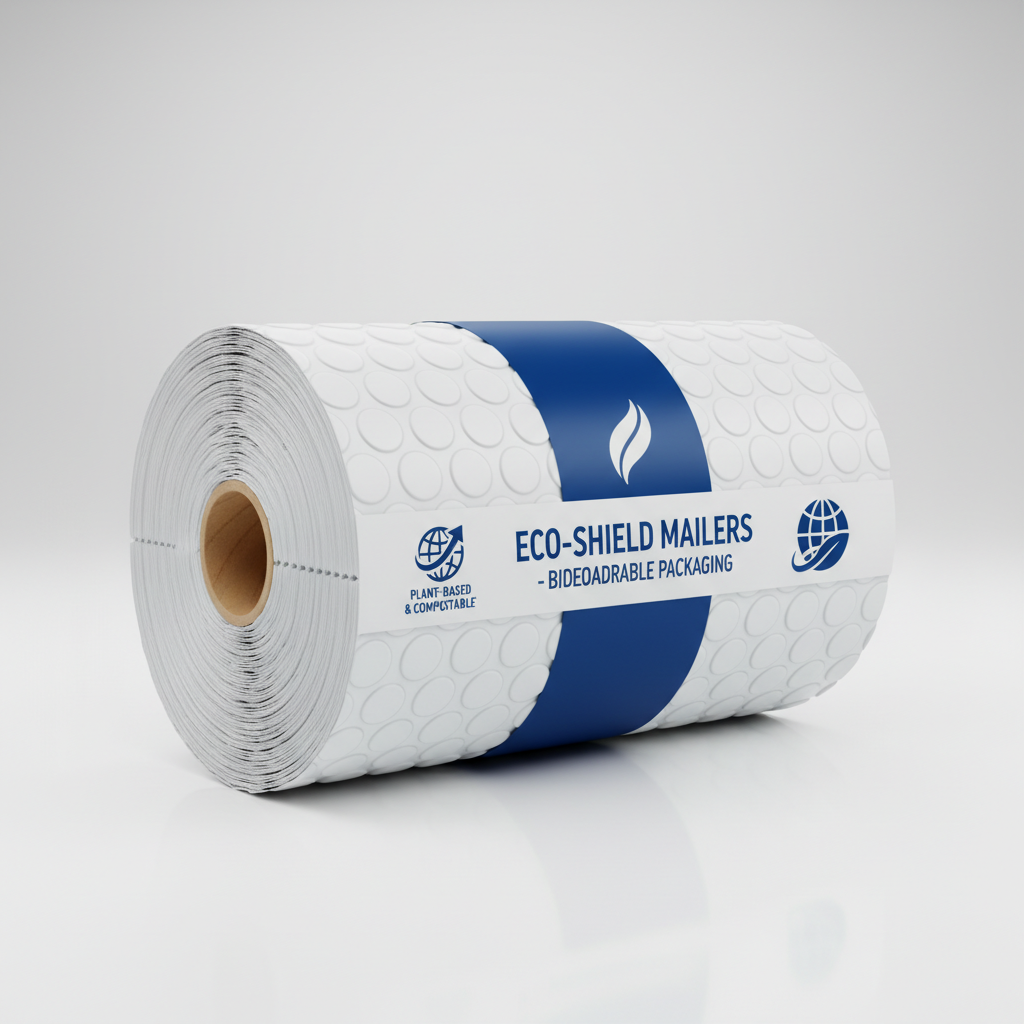
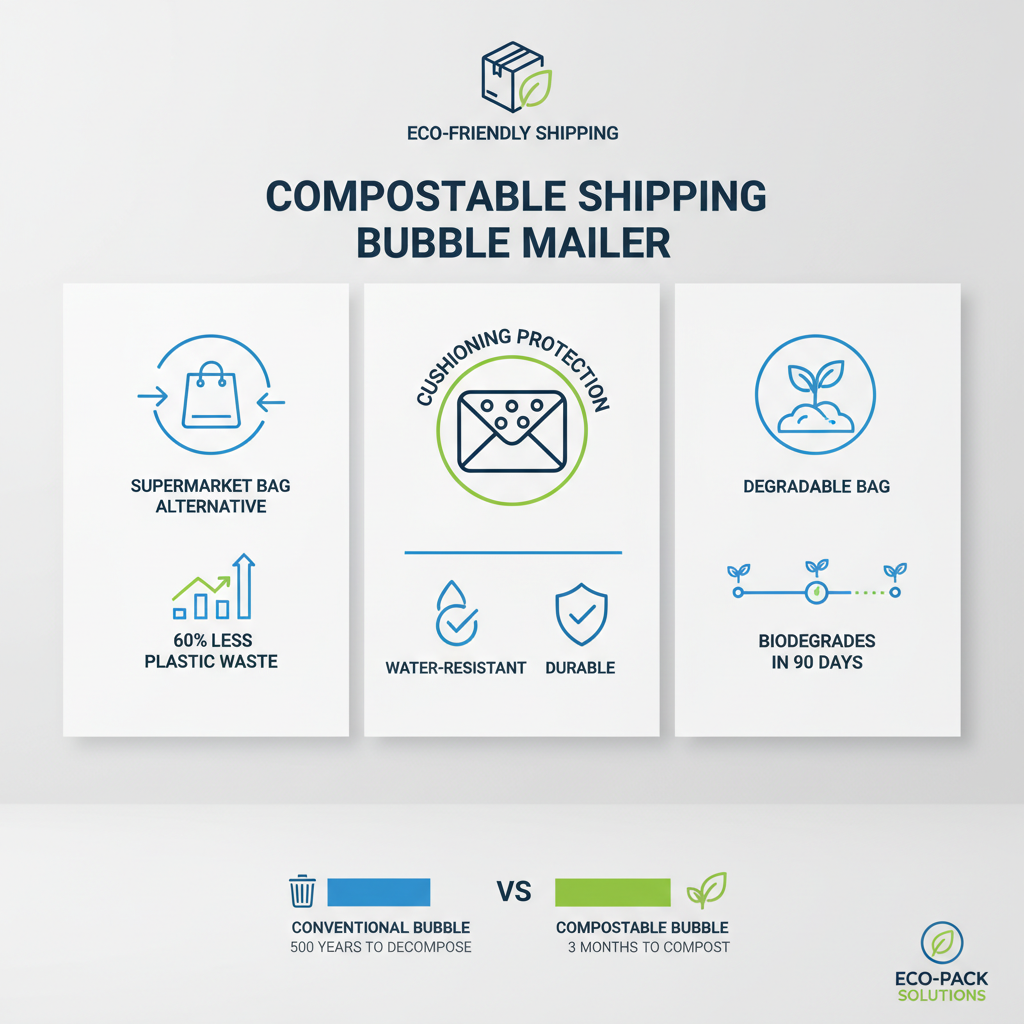
Growing environmental concerns have spurred the development of eco-friendly packaging solutions. Biodegradable bubble wrap, made from plant-based materials, offers the same level of protection as traditional bubble wrap but with a significantly lower environmental impact. Other sustainable options include mushroom packaging, recycled paper cushioning, and cornstarch packing peanuts. Choosing these alternatives demonstrates your commitment to sustainability and appeals to environmentally conscious customers.
Optimizing Bubble Wrap Usage for Cost and Efficiency
Using bubble wrap effectively isn't just about protection; it's also about minimizing costs. Here are a few tips:
- Use the right size bubble wrap: Don't overprotect – smaller bubble for lighter items.
- Fill voids: Prevent shifting by filling empty spaces with bubble wrap or other cushioning materials.
- Wrap strategically: Focus on protecting vulnerable corners and edges.
- Consider reusable options: If possible, encourage customers to reuse bubble wrap.
Conclusion: Protecting Your Products & the Planet
Choosing the right shipping bubble wrap or sustainable alternative is crucial for ensuring your products arrive safely and your business operates responsibly. By considering the type of product, shipping conditions, and your commitment to the environment, you can make an informed decision that benefits both your customers and the planet. Investing in quality packaging is an investment in customer satisfaction and brand reputation.
Frequently Asked Questions (FAQs)
Is bubble wrap recyclable?
Unfortunately, traditional plastic bubble wrap is typically not recyclable through standard municipal recycling programs. The plastic film often gets tangled in sorting machinery. However, some specialized recycling facilities may accept it. A better option is to choose biodegradable or compostable bubble wrap alternatives. Always check with your local recycling center for their specific guidelines.
How do I determine how much bubble wrap I need?
The amount of bubble wrap needed depends on the fragility of the item and the distance it’s traveling. As a general rule, ensure the item is fully encased in at least two to three layers of bubble wrap, paying close attention to corners and edges. For very fragile items, consider using multiple layers and combining bubble wrap with other cushioning materials like packing peanuts or foam inserts.
Are there alternatives to bubble wrap for small, lightweight items?
Yes! For small, lightweight items, consider using kraft paper, paper void fill, or compostable packing peanuts. These options offer sufficient protection while being more environmentally friendly. For very small items, a padded envelope may also be sufficient.
Where can I purchase eco-friendly bubble wrap alternatives?
You can purchase eco-friendly bubble wrap alternatives from Liyabiobag and other sustainable packaging suppliers. Look for products made from plant-based materials, recycled content, or compostable materials.
-
Secure Shipping Guide with Poly Mailer Bubble Wrap SolutionsNewsApr.16,2026
-
Secure Shipping Guide for Using Durable Bubble Parcel BagsNewsApr.09,2026
-
Comprehensive Guide to Poly Mailer Bubble for Secure and Efficient ShippingNewsApr.07,2026
-
Elevate Your Brand with Custom Designer Bubble Mailers for Effective PackagingNewsApr.04,2026
-
Comprehensive Guide to Poly Mailers with Bubble Wrap for Secure ShippingNewsMar.31,2026
-
Comprehensive Guide to Large Bubble Poly Mailers for Secure and Efficient ShippingNewsMar.28,2026
-
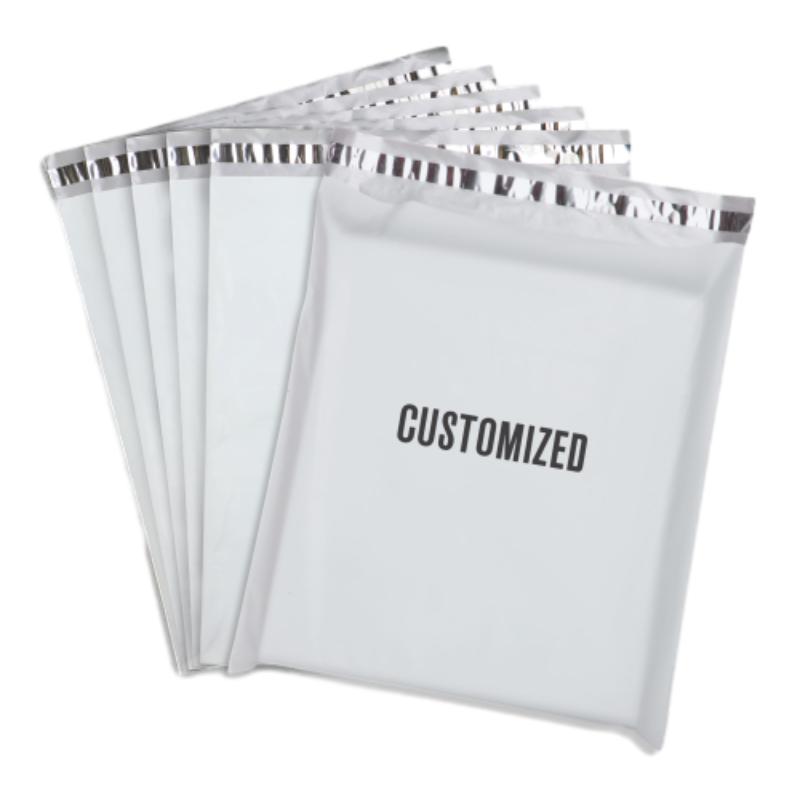
Have the freedom of customizing your custom mailers any way you want! Our dedicated packaging support will help deliver you the mailing experience you need to elevate your shipping experience to the next level! Start making a strong impression on your customers and stand out from your competitors! -
LIYA uses high quality raw materials which directly purchased from large enterprises domestic and overseas such as PetroChina, Sinopec, Sabic, Equate, ExxonMobil, Dow Chemical, Total, and Borouge, ensuring the price advantage and quality of the raw materials. -
LIYA uses high quality raw materials which directly purchased from large enterprises domestic and overseas such as PetroChina, Sinopec, Sabic, Equate, ExxonMobil, Dow Chemical, Total, and Borouge, ensuring the price advantage and quality of the raw materials.
 English
  Arabic
  China
China  French
  Korean
  Russian
  Spanish