Durable and Sustainable Nylon Mail Bags: A Global Logistics Solution
Understanding Nylon Mail Bags: Durable Solutions for a Global Need
When you think about the logistics behind global mail and parcel delivery, especially in challenging environments, nylon mail bags play a surprisingly pivotal role. These humble carriers are part of a broader story about efficiency, durability, and cost-effectiveness in moving physical items—whether in humanitarian crises, commercial sectors, or government postal services. Frankly, without them, a lot of the mail and supplies we take for granted wouldn’t reach their destinations intact or on time.
Why does this matter globally? According to the Universal Postal Union (UPU), the worldwide postal sector serves billions of people annually, handling trillions of letters and parcels. The demand for resilient and reusable packaging solutions that reduce waste and withstand rough handling has never been higher. Nylon mail bags are one solution rising to that challenge, combining technical strengths with practical benefits. Let’s dive into why they matter so much today.
Introduction: The Growing Global Relevance of Nylon Mail Bags
Nylon mail bags have become indispensable in a world that increasingly depends on quick, reliable parcel handling. The World Bank notes that global e-commerce shipments have surged past historic levels, boosting the need for robust mailing solutions, especially in developing regions where infrastructure might be patchy. Traditional paper or plastic sacks simply don’t cut it when you need something that’s tear-resistant, waterproof, and reusable.
Moreover, environmental concerns push postal and courier companies to find alternatives that lessen single-use plastics. Nylon, a synthetic polymer originating from the mid-20th century, offers the strength and flexibility that newer materials promise without immediately sacrificing durability or cost efficiency.
Defining Nylon Mail Bags
Nylon mail bags are essentially durable, lightweight sacks made from nylon fabric. They are engineered for postal and courier services, designed to carry mail and parcels securely over long distances and through multiple handling points. Unlike flimsy paper envelopes or rigid plastic boxes, nylon bags offer a flexible yet tough container that protects contents against environmental damage and rough handling.
These bags cater not only to logistics firms but also to humanitarian organizations delivering aid supplies. Their waterproof, reusable, and lightweight nature makes them a versatile asset in modern supply chains.
Key Factors Behind Nylon Mail Bags
Durability
Nylon fibers are known for high tensile strength, which means these bags can endure rough treatment without ripping or tearing. This feature is crucial in postal services where bags are often stacked, thrown, or handled multiple times.
Water Resistance
Water damage is a notorious postal problem, especially in tropical or rainy climates. Nylon’s ability to repel moisture protects contents and prevents spoilage or paper damage.
Cost Efficiency
Though more expensive initially than paper or plastic, nylon bags can be reused dozens of times, reducing long-term costs and waste—a win-win for businesses and the environment.
Customization and Security
Manufacturers often equip nylon bags with customizable features such as reinforced handles, secure zipper or flap closures, and printed barcodes for easy tracking.
Lightweight and Flexible
This eases transportation, loading, and unloading, which leads to faster logistics operations and less strenuous working conditions for handlers.
Product Specifications at a Glance
| Specification | Details |
|---|---|
| Material | High denier nylon (typically 420D - 1000D) |
| Waterproof coating | Polyurethane or PVC laminated |
| Closure system | Velcro, zipper or flap with buckle |
| Standard sizes | Small (40x50cm), Medium (60x80cm), Large (80x100cm) |
| Weight | Approximately 300-500 grams depending on size |
| Reusability | Up to 50+ uses with proper care |
Mini takeaway: Nylon mail bags marry the physical rigor needed for global logistics with a sustainable edge that growing industries can’t ignore.
Global Applications & Use Cases
- Postal Systems Worldwide: From the USPS in the United States to India Post and Royal Mail, nylon mail bags streamline daily mail transportation through hubs and sorting centers.
- Humanitarian Aid Deliveries: Organizations like the Red Cross use these bags to safely transport medical supplies and food packets during crises—often to remote or disaster-affected zones.
- Military & Government Logistics: Secure nylon bags serve as trusted carriers for classified documents or sensitive materials under harsh conditions.
- Commercial Couriers and E-commerce: With booming online orders, firms rely on nylon mail bags to bundle and protect packages during last-mile delivery.
For example, after the 2015 Nepal earthquake, aid organizations rapidly deployed pre-packed medical kits within nylon mail bags that were tough enough to survive harsh mountain conditions, showing the material’s practical effectiveness.
Vendor Comparison: Leading Nylon Mail Bag Suppliers
| Vendor | Material Quality | Customization Options | Average Price (USD) | Delivery Time |
|---|---|---|---|---|
| Liya Biobag | 420D nylon, PU coated | Logo printing, sizing, closure types | $2.50 - $5.00 per bag | 2-3 weeks |
| Global Mail Solutions | 600D nylon, PVC laminated | Limited colors, standard sizes | $3.00 - $6.00 per bag | 3-4 weeks |
| EcoPack International | Recycled nylon blend | Eco-friendly inks, custom prints | $3.50 - $7.00 per bag | 3-5 weeks |
Advantages and Long-Term Value of Nylon Mail Bags
The benefits go beyond the obvious: nylon bags mean less tearing, fewer damaged items, and less waste. For companies, this translates to direct savings and elevated trust from customers who expect reliability. On a deeper level, efficient mail handling supports social cohesion — people rely on mail for bills, legal documents, and personal messages. There’s a dignity in knowing that your letters or parcels arrive safe and sound.
Environmental sustainability also ranks high—the ability to reuse these bags many times over reduces landfill contribution. As postal and courier companies globally face tighter regulations on plastic use (such as EU directives), nylon bags position themselves as a more compliant, practical alternative.
Future Trends & Innovations
- Bio-Based Nylon: Research is underway to develop nylon derived from renewable sources, which could reduce the overall carbon footprint of these mail bags.
- Enhanced Tracking: Integration of RFID tags and QR codes embedded in nylon bags enabling real-time tracking and inventory management.
- Upgraded Coatings: Advances in durable, eco-friendly waterproof coatings that degrade more safely at end-of-life stages.
- Smart Textiles: Prototypes embed sensors within fabric to detect tampering or to monitor temperature for sensitive deliveries.
Challenges & Emerging Solutions
Despite all their positives, nylon mail bags are not a cure-all. For instance, initial costs and production energy use remain a concern—especially for small operators in developing countries. Supply chain disruptions can delay delivery of finished bags too.
Some workaround strategies include building local manufacturing capacity to reduce shipping footprints or blending recycled nylon into production runs. Industry experts suggest that educating postal workers on proper bag handling extends service life, while government subsidies could help offset upfront expenses for greener materials.
FAQ: Your Nylon Mail Bags Questions Answered
- Q1: How do nylon mail bags compare to plastic sacks in durability?
- A1: Nylon mail bags are significantly more durable than standard plastic sacks; they resist tears, water, and abrasion better, making them viable for repeated use over several months or years rather than single-use only.
- Q2: Can nylon mail bags be recycled once worn out?
- A2: While nylon is technically recyclable, the infrastructure for recycling nylon mail bags remains limited in many regions. However, many manufacturers now offer take-back programs or produce bags using recycled materials to encourage circular economies.
- Q3: Are nylon mail bags customizable for branding?
- A3: Yes, most suppliers allow custom printing or labeling, which helps companies maintain brand visibility and security. Options include screen printing logos, using specific colors, or adding unique barcodes.
- Q4: What’s the typical lifespan of a nylon mail bag under heavy use?
- A4: With standard industrial handling, a well-made nylon mail bag should last for 50+ uses, often spanning over a year depending on the environment and care.
- Q5: How do nylon mail bags help reduce postal carbon footprints?
- A5: Their reusability and light weight reduce the need for single-use packaging, lessening waste volume and transportation emissions overall.
Conclusion: Durable, Sustainable, and Worth the Investment
In an era where global mail volumes surge and sustainability drives innovation, nylon mail bags truly represent a sweet spot of durability, environmental responsibility, and operational efficiency. They meet the practical demands of postal systems and humanitarian groups alike, staying tough no matter the terrain or weather. If your business or organization depends on reliable mail handling, investing in quality nylon mail bags is a smart long-term move.
Ready to explore your options? Check out Liya Biobag for a range of customizable, eco-friendly nylon mail bags designed to last and perform.
Oddly enough, the simplest fabric bags can underpin some of the world’s most complex logistics networks.
Quick takeaways:
- Nylon mail bags are a durable alternative to traditional mail packaging.
- Their reusability supports environmental and cost-saving goals.
- Innovations like bio-based nylon and smart textiles promise exciting futures.
References:
(1) Universal Postal Union (UPU), Postal Statistics
(2) World Bank, E-commerce Data 2023
(3) ISO Standards on Textile and Packaging Durability
-
Secure Shipping Guide with Poly Mailer Bubble Wrap SolutionsNewsApr.16,2026
-
Secure Shipping Guide for Using Durable Bubble Parcel BagsNewsApr.09,2026
-
Comprehensive Guide to Poly Mailer Bubble for Secure and Efficient ShippingNewsApr.07,2026
-
Elevate Your Brand with Custom Designer Bubble Mailers for Effective PackagingNewsApr.04,2026
-
Comprehensive Guide to Poly Mailers with Bubble Wrap for Secure ShippingNewsMar.31,2026
-
Comprehensive Guide to Large Bubble Poly Mailers for Secure and Efficient ShippingNewsMar.28,2026
-
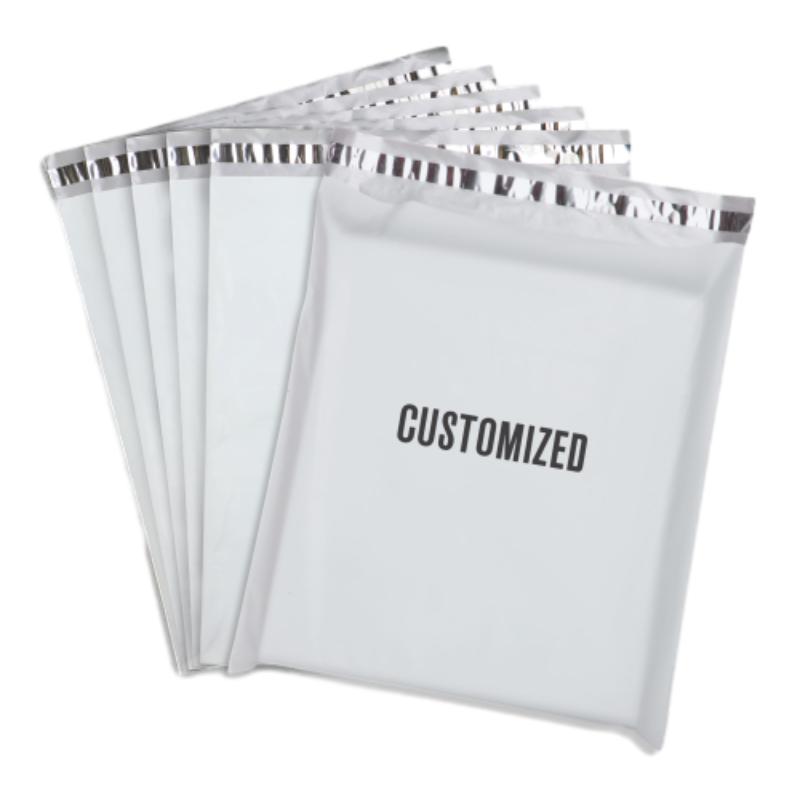
Have the freedom of customizing your custom mailers any way you want! Our dedicated packaging support will help deliver you the mailing experience you need to elevate your shipping experience to the next level! Start making a strong impression on your customers and stand out from your competitors! -
LIYA uses high quality raw materials which directly purchased from large enterprises domestic and overseas such as PetroChina, Sinopec, Sabic, Equate, ExxonMobil, Dow Chemical, Total, and Borouge, ensuring the price advantage and quality of the raw materials. -
LIYA uses high quality raw materials which directly purchased from large enterprises domestic and overseas such as PetroChina, Sinopec, Sabic, Equate, ExxonMobil, Dow Chemical, Total, and Borouge, ensuring the price advantage and quality of the raw materials.
 English
  Arabic
  China
China  French
  Korean
  Russian
  Spanish