Essential Guide to Mail Order Bags – Sustainable, Secure, and Scalable Packaging Solutions
The Practical Impact of Mail Order Bags: More Than Just Packaging
At first glance, mail order bags might seem like just an everyday packaging item. But zoom out a little, and these bags tell a bigger story — one about global commerce, sustainability, and efficient distribution. Understanding the role and benefits of mail order bags means grasping a vital link in supply chains that power e-commerce, humanitarian aid, and industrial logistics worldwide.
Why does this matter, really? Well, consider the growth of online shopping, which just keeps exploding. According to Statista, global e-commerce sales hit $5.7 trillion in 2023 and are still climbing. And with more products moving through mail systems, the choice of packaging affects not only costs but environmental footprints, customer experience, and even legal compliance. That’s why exploring mail order bags—and what makes them tick—is timely.
Mail Order Bags: Defining the Basics
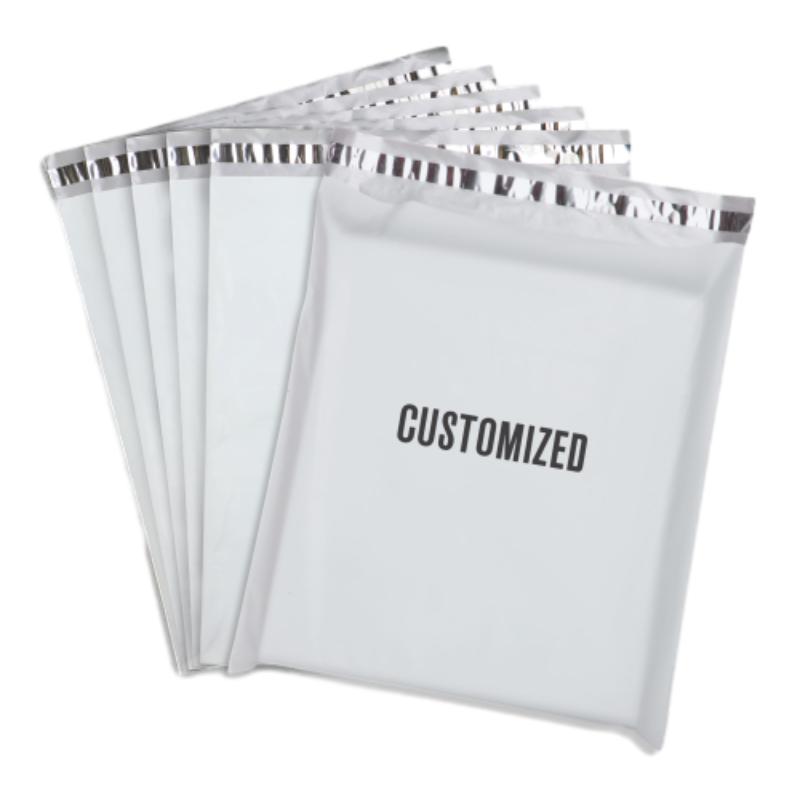
So, what exactly are mail order bags? Simply put, these are specially designed bags used to safely ship products ordered through mail or online channels. Unlike traditional retail bags, these are tailored for protection during the often long and rough journey through postal and courier services. They might be poly mailers, biodegradable bags, or reinforced paper sacks — the key is functionality wrapped in convenience.
The rise of e-commerce and global mail services has made these bags critical logistic components. They not only shield products from moisture, tearing, or contamination but also reduce shipping weight and volume, impacting costs directly. Plus, in humanitarian contexts, mail order bags serve as means to transport essential supplies reliably to remote or crisis-hit areas.
Core Components That Make Mail Order Bags Work
Durability and Protection
At the heart of any mail order bag is its ability to withstand rough handling. Shipping parcels endure multiple transfers, stacking, weather variations, and sometimes downright careless treatment. Materials like polyethylene or multi-layer composites offer strong tear resistance and water repellence—keeping goods intact and fresh.
Scalability and Customizability
From small jewelry items to bulky apparel or electronics, the scale of mail order bags varies widely. Suppliers often offer customizable sizes, closures, and even printing options. This flexibility benefits brands keen to reinforce identity while optimizing shipping costs.
Cost Efficiency
Mail order bags typically cost less than rigid boxes, easing packaging expenses. Their lightweight nature means lower postage fees, a big deal since carriers often charge by weight and size. In logistics, shaving a few grams per package can lead to sizeable savings over thousands of shipments.
Sustainability and Environmental Impact
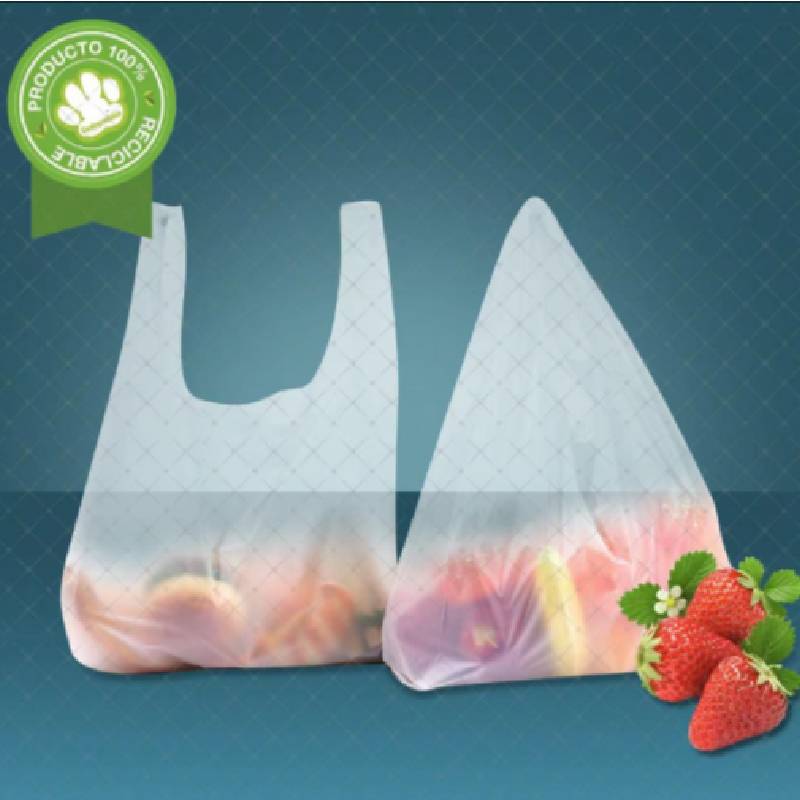
With increasing regulations aimed at curbing plastic waste, many providers now offer biodegradable or recyclable mail order bags. Some even use post-consumer recycled materials. This ecological angle is significant since packaging waste constitutes a large chunk of global landfill and ocean plastic pollution.
Security and Tamper Evidence
Features like tear strips, self-sealing adhesives, and opaque materials add layers of security. This protects consumer privacy, deters theft, and ensures that when a bag arrives, the customer knows it hasn’t been tampered with.
| Specification | Detail |
|---|---|
| Material | Polyethylene (PE), Kraft Paper, Biodegradable Polymers |
| Thickness | 40-100 microns (varies by strength) |
| Closure | Self-adhesive strip, Zip lock, Tie closure |
| Sizes | Varies: from 5x8 in. to 24x36 in. |
| Print Options | Custom logo, product info, security seals |
| Environmental | Recycle-friendly, compostable options available |
Mini takeaway: Mail order bags are not just plastic sacks. Their design balances strength, versatility, and eco-conscious materials — an artful mix that helps keep the global supply wheel turning efficiently.
Global Applications Span Ecommerce, Aid, and Industry
Mail order bags don’t only live in e-commerce warehouses. They span a broad spectrum of applications across regions and sectors:
- Online retail giants in North America and Europe rely heavily on lightweight mail order packaging to reduce shipping costs and ensure fast delivery.
- Developing regions use sturdy mail bags to ship pharmaceuticals and health supplies directly to rural clinics, where fragile glass and sensitive products require extra protection.
- Humanitarian NGOs employ specially designed mail order packages to air-drop essentials like seeds, medical kits, or hygiene products in disaster-prone zones, improving distribution speed and safety.
- Industrial sectors send replacement parts and tools via mail order bags to oil fields or construction sites in remote locations, ensuring minimal downtime.
- Government agencies use tamper-evident mail bags to securely transport sensitive documents or ballots during elections, crucial for trust and transparency.
For instance, during the recent typhoons in Southeast Asia, emergency relief teams received medical supplies packed in lightweight but durable mail order bags. This allowed safe delivery despite torrential rains and damaged roads, directly impacting response effectiveness.
Vendor Comparison for Mail Order Bag Solutions
| Vendor | Material Options | Customization | Eco-Friendly | Lead Time |
|---|---|---|---|---|
| Liya BioBag | PE, Compostable Polymers | High (Logo, size, closure) | Yes (Certified compostable) | 2-4 weeks |
| Global Pack Solutions | PE, Multi-layer paper | Medium (Size, print) | Limited | 3-5 weeks |
| EcoWrap Packaging | Biodegradable polymers only | Low (Few size options) | Yes (Biodegradable) | 4-6 weeks |
Rough takeaway: The right mail order bag supplier basically depends on balancing eco goals, speed to market, and budget — plus how customized you want your packaging to be.
Advantages Beyond The Obvious
Let’s get honest. Sure, mail order bags save money on postage. But their value goes deeper:
- Reducing waste by shifting to recyclable or compostable materials helps brands align with global sustainability drives, appealing to eco-conscious consumers.
- Boosting customer satisfaction through clean, easy-to-open, and branded packaging creates a positive unboxing experience — a subtle yet powerful marketing tool.
- Enhancing security minimizes fraud and product tampering, critical in sectors like pharmaceuticals or luxury goods.
- Lower inventory risks thanks to standardized, scalable bag sizes, improving warehouse efficiency.
Many sustainability reports, like those from the ISO 14001 standards, stress how smaller environmental footprints in packaging ripple out into larger global savings.
Emerging Trends & Innovations To Watch
It’s weirdly exciting how something as simple as mail order bags is evolving. Some trends you’ll want on your radar:
- Smart packaging embedded with QR codes or NFC chips to allow consumers and supply chains to track product origins, usage, and disposal guidelines digitally.
- Bio-based materials grown from algae or crops replacing fossil-fuel plastics, pushing the circular economy further.
- Automated packaging lines increasingly letting companies customize bags in tiny batches faster and cheaper — a boon for small brands trying to stand out.
It’s like packaging is quietly embracing digital transformation, sustainability, and micro-personalization at once.
Challenges & How Companies Are Overcoming Them
Still, it’s not all sunshine:
- Biodegradable bag costs remain relatively high, limiting adoption among price-sensitive markets.
- Recycling infrastructure gaps mean many compostable bags don't get processed properly post-use.
- Standardization difficulties arise when many brands want unique sizes and prints, complicating manufacturing.
In response, experts advocate systems-level solutions: Improved labeling to guide consumers, more stringent regulations incentivizing greener materials, and shared technology platforms for rapid packaging customization. Plus, many suppliers partner with end-users early to tailor solutions that fit logistics networks rather than forcing rigid, one-size-fits-all packaging.
FAQ: Quick Answers About Mail Order Bags
- Q: Are mail order bags recyclable or compostable?
- A: Many modern mail order bags are either recyclable or made from compostable materials. However, proper disposal depends on local recycling facilities and standards. Choosing certified compostable bags helps ensure environmental benefits.
- Q: How do I choose the right size for my mail order bags?
- Consider the product dimensions plus extra space for padding. Custom sizes can be made, but standard sizes often balance cost and efficiency best. Friendly reminder: a snug but not tight fit prevents damage during transit.
- Q: Can mail order bags be customized with branding?
- Yes! Many vendors offer print options including logos, product info, or security markings. This enhances brand recognition and customer trust.
- Q: What materials provide the best protection?
- Polyethylene films with multi-layer coatings resist tears and moisture well. For fragile items, padded mailers with bubble lining add extra cushioning.
- Q: Where can I order mail order bags in bulk?
- Reliable suppliers like mail order bags vendors specialize in bulk orders customized to your needs, balancing price, quality, and sustainability.
Wrapping Up: Why Mail Order Bags Matter Long-Term
Ultimately, mail order bags are unsung heroes within the complex web of global commerce, e-commerce, humanitarian efforts, and sustainability initiatives. Their evolution from simple packaging to intelligent, green, and scalable solutions reflects broader shifts in priority — from pure cost-cutting to conscious consumerism and smarter logistics.
If you’re managing product distribution or just curious about smarter, greener choices, looking into mail order bags might be a better investment than you think. After all, packaging is the first handshake in your brand’s story — better make it count.
References:
1. International Organization for Standardization (ISO), Environmental management: ISO 14001 – iso.org
2. United Nations Environment Programme – Sustainable Packaging Insights
3. Statista Global Ecommerce Market Data – statista.com
-
Secure Shipping Guide with Poly Mailer Bubble Wrap SolutionsNewsApr.16,2026
-
Secure Shipping Guide for Using Durable Bubble Parcel BagsNewsApr.09,2026
-
Comprehensive Guide to Poly Mailer Bubble for Secure and Efficient ShippingNewsApr.07,2026
-
Elevate Your Brand with Custom Designer Bubble Mailers for Effective PackagingNewsApr.04,2026
-
Comprehensive Guide to Poly Mailers with Bubble Wrap for Secure ShippingNewsMar.31,2026
-
Comprehensive Guide to Large Bubble Poly Mailers for Secure and Efficient ShippingNewsMar.28,2026
-
Have the freedom of customizing your custom mailers any way you want! Our dedicated packaging support will help deliver you the mailing experience you need to elevate your shipping experience to the next level! Start making a strong impression on your customers and stand out from your competitors! -
LIYA uses high quality raw materials which directly purchased from large enterprises domestic and overseas such as PetroChina, Sinopec, Sabic, Equate, ExxonMobil, Dow Chemical, Total, and Borouge, ensuring the price advantage and quality of the raw materials. -
LIYA uses high quality raw materials which directly purchased from large enterprises domestic and overseas such as PetroChina, Sinopec, Sabic, Equate, ExxonMobil, Dow Chemical, Total, and Borouge, ensuring the price advantage and quality of the raw materials.
 English
  Arabic
  China
China  French
  Korean
  Russian
  Spanish