Satchel Postage Bags: Durable, Sustainable Solutions for Global Shipping Needs
Understanding Satchel Postage Bags: Essential Solutions for Modern Shipping Needs
Whether you’re running a bustling e-commerce platform or coordinating relief shipments in remote regions, satchel postage bags have become an unsung hero in global logistics. But what exactly are these bags, why do they matter so much around the world, and how can understanding their nuances save time, money, and waste? Let’s unravel the story behind satchel postage bags, their key benefits, and their future in sustainable shipping.
Introduction: The Global Importance of Satchel Postage Bags
Globally, parcel shipping volumes have soared—UN data indicates international parcel volumes nearly doubled in the last five years, thanks largely to the e-commerce boom and digital connectivity reaching even rural hubs. Satchel postage bags stand out as a crucial component in this trend. Their flexible, lightweight design ensures packages stay secure without the need for bulky boxes, which contributes to reduced carbon emissions in transport.
However, challenges remain. As demand rises, so does the issue of environmental impact from shipping waste. This is where innovations in satchel postage bags bring hope by combining durability and recyclability. Organizations from postal services to humanitarian agencies depend on these bags to manage shipments efficiently, especially in areas where fragile shipping infrastructure exists. The problem? Finding the right balance between cost, protection, and sustainability.
What Are Satchel Postage Bags?
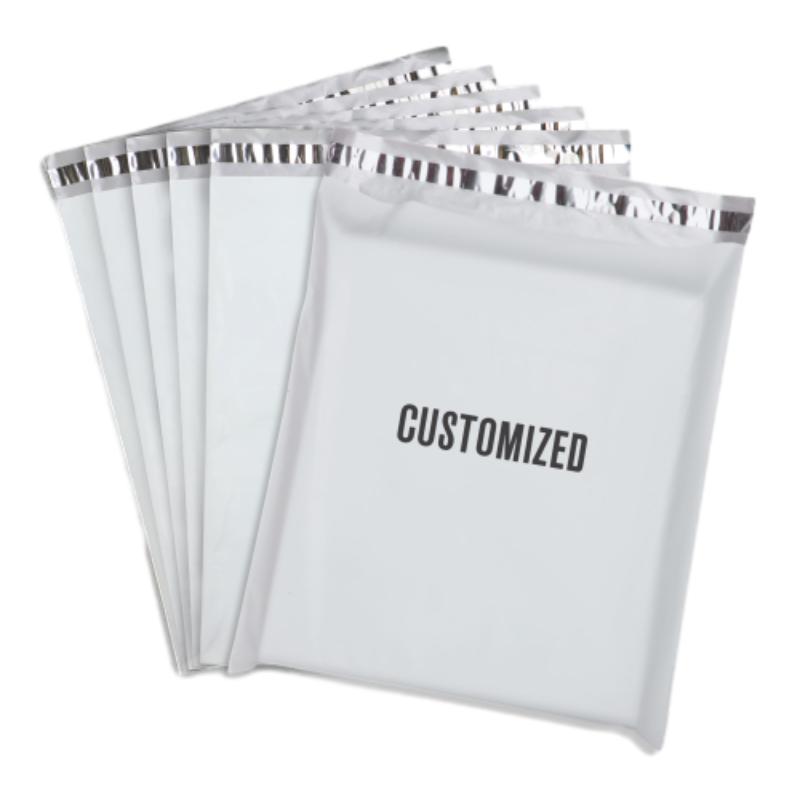
Put simply, satchel postage bags are flexible envelopes designed to securely package mail and small parcels for transport. Usually made from polyethylene or similar polymers, these bags are lightweight, water-resistant, and easy to seal—usually with adhesive strips or zip locks. Unlike rigid boxes, they mold to the content size, which keeps shipping costs down and reduces wasted space in transport.
In modern industries, their role is multifaceted. Beyond e-commerce, satchel postage bags assist humanitarian aid groups by protecting supplies during relief efforts and help industries streamline order fulfillment. Frankly, their adaptability makes them indispensable in worldwide postal and courier networks.
Key Components of Effective Satchel Postage Bags
Durability
One of the top qualities is resistance to tears and punctures. This ensures contents arrive intact even in rough handling or adverse weather.
Scalability
These bags come in many sizes, from small document holders to larger multi-kilogram capacity bags, letting industries pick tailored solutions.
Cost Efficiency
The bags are affordable, making them popular for bulk shipments without sharply increasing operational costs.
Security Features
Many models offer tamper-evident seals—crucial for parcels holding sensitive or valuable items.
Environmental Impact
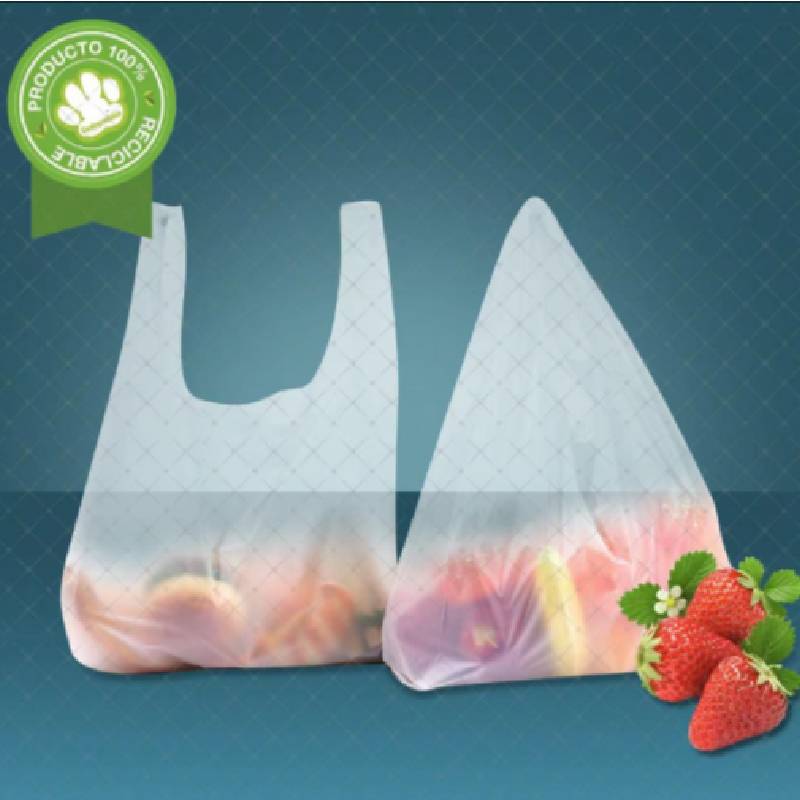
Some manufacturers now use recycled or biodegradable materials to minimize landfill buildup and align with global sustainability goals.
Product Specifications of Popular Satchel Postage Bags
| Specification | Standard Model | Eco-Friendly Model |
|---|---|---|
| Material | Polyethylene (PE) | Recycled PE + Biodegradable additives |
| Sizes Available | 200x300mm to 400x600mm | 200x300mm to 400x600mm |
| Seal Type | Adhesive strip, tamper-evident | Adhesive strip, tamper-evident |
| Water Resistance | High | High |
| Average Weight | 12 grams (medium size) | 15 grams (medium size) |
Global Applications and Real-World Use Cases
Industries and organizations across the world use satchel postage bags in diverse ways. In dense urban e-commerce hubs such as Southeast Asia and Europe, they streamline last-mile deliveries—reducing package damage and costs.
Meanwhile, NGOs operating in natural disaster zones rely on these bags to distribute emergency documents and hygiene kits safely—even if infrastructure like roads or electricity is compromised. For example, during recent relief missions after flooding in South Asia, waterproof satchel bags kept essential paperwork and medicines dry and intact.
Meanwhile, companies shipping small electronics parts to remote industrial zones in Africa use these satchels to keep components organized and protected without excess packaging volume.
Vendor Comparison: Leading Suppliers of Satchel Postage Bags
| Vendor | Price per 1000 | Material Options | Customization | Sustainability |
|---|---|---|---|---|
| Liya BioBag | $150 | Recycled PE, Biodegradable | Branding available | High |
| GlobalPack | $130 | Standard PE, Virgin | Limited | Low |
| EcoParcel | $160 | Compostable Materials | Full custom print | Very High |
Advantages and Long-Term Value of Satchel Postage Bags
So why all this fuss about satchel postage bags? First, they drastically cut down the materials needed for packaging, saving on both costs and landfill volume. They also ease handling processes because their lightweight nature translates to less shipping weight and lower fuel consumption—directly reducing a company’s carbon footprint.
From a social stand, these bags help maintain package security and respect for customer privacy. The integrity of shipments inspires trust, and frankly, that’s priceless in competitive markets. Meanwhile, environmentally conscious brands benefit from eco-friendly options that show a commitment to a greener future—appealing to sustainability-minded consumers.
Future Trends and Innovations
Looking ahead, materials science is advancing fast. Satchel bags incorporating bioplastics and fully compostable layers are becoming more affordable and widely available. Technology like embedded QR codes or RFID tags is moving into these bags, allowing shippers real-time tracking and better inventory control.
Meanwhile, policy shifts worldwide are pressing for less plastic waste. ISO standards on packaging sustainability suggest the coming decade will see greater regulatory incentives favoring greener satchel designs. Automation and robotic sorting in warehouses also mean bags will become more uniform and purpose-built for machine handling.
Common Challenges and Solutions
Of course, no product is perfect. Some limitations include the difficulty in recycling mixed-material satchels and inconsistencies in durability from lower-grade batches. However, many manufacturers now embrace mono-material designs to simplify recycling processes. Others offer take-back programs to encourage reuse or proper disposal.
Innovation in adhesives and sealing techniques is reducing tampering opportunities, and education campaigns help end-users handle bags correctly to extend life and usability.
FAQ: Satchel Postage Bags
- Q: What sizes do satchel postage bags typically come in?
A: Sizes vary widely, but common dimensions range from about 200x300mm for small documents to larger ones up to 400x600mm to fit bulkier items. - Q: Are eco-friendly satchel bags as durable as standard ones?
A: Many eco-friendly bags match standard durability thanks to advancements in recycled and biodegradable polymers, though it’s important to check vendor specs. - Q: Can I customize satchel bags with my company branding?
A: Yes, most suppliers offer printing services to add logos or instructions, enhancing brand visibility. - Q: How should I dispose of used satchel postage bags?
A: Disposal depends on the material. Recyclable mono-material bags can go into plastic recycling streams; biodegradable ones should be composted if facilities exist. - Q: Where can I source high-quality satchel postage bags internationally?
A: Reputable suppliers like satchel postage bags provide international shipping with certifications ensuring quality and environmental compliance.
Conclusion: Why Satchel Postage Bags Matter Long-Term
Satchel postage bags may seem small, almost mundane, but their role in global logistics, sustainability, and customer satisfaction is mighty. They reduce costs, streamline shipping, and increasingly help companies meet their environmental targets. In an age where every package counts, choosing the right satchel postage bag is not just practical but strategic.
For businesses and organizations reading this, I invite you to explore options that blend functionality with eco-consciousness. Curious to learn more or ready to choose your next shipment companion? Visit https://www.liyabiobag.com and discover a range that fits your mission.
In short: sometimes the smallest parts of the supply chain carry the biggest weight for achieving lasting impact.
-
Secure Shipping Guide with Poly Mailer Bubble Wrap SolutionsNewsApr.16,2026
-
Secure Shipping Guide for Using Durable Bubble Parcel BagsNewsApr.09,2026
-
Comprehensive Guide to Poly Mailer Bubble for Secure and Efficient ShippingNewsApr.07,2026
-
Elevate Your Brand with Custom Designer Bubble Mailers for Effective PackagingNewsApr.04,2026
-
Comprehensive Guide to Poly Mailers with Bubble Wrap for Secure ShippingNewsMar.31,2026
-
Comprehensive Guide to Large Bubble Poly Mailers for Secure and Efficient ShippingNewsMar.28,2026
-
Have the freedom of customizing your custom mailers any way you want! Our dedicated packaging support will help deliver you the mailing experience you need to elevate your shipping experience to the next level! Start making a strong impression on your customers and stand out from your competitors! -
LIYA uses high quality raw materials which directly purchased from large enterprises domestic and overseas such as PetroChina, Sinopec, Sabic, Equate, ExxonMobil, Dow Chemical, Total, and Borouge, ensuring the price advantage and quality of the raw materials. -
LIYA uses high quality raw materials which directly purchased from large enterprises domestic and overseas such as PetroChina, Sinopec, Sabic, Equate, ExxonMobil, Dow Chemical, Total, and Borouge, ensuring the price advantage and quality of the raw materials.
 English
  Arabic
  China
China  French
  Korean
  Russian
  Spanish