Sustainable Mailing Bags Biodegradable - Eco-Friendly Solutions for Shipping Needs
Why Mailing Bags Biodegradable Matter Now More Than Ever
In today's world, where environmental concerns are front and center, mailing bags biodegradable are quietly but steadily revolutionizing how we think about packaging. At a glance, they might seem like just another shipping accessory, but in reality, they represent a key step toward reducing plastic waste across global supply chains. Consider that traditional plastic mailing bags can take centuries to decompose—contributing massively to landfill overflow and ocean pollution.
By embracing biodegradable mailing bags, businesses not only cut down plastic pollution but also align with evolving regulations and customer expectations for greener alternatives. Frankly, it’s a small change with outsized impact, especially on the e-commerce and logistics industries booming worldwide.
The Global Context: Why the Shift to Biodegradable Mailing Bags Matters
According to the United Nations Environment Programme (UNEP), more than 300 million tons of plastic are produced annually worldwide, and a significant percentage ends up as waste. The packaging sector, including mailing bags, is one of the biggest contributors to this staggering figure. As World Bank data suggests, over 80% of marine debris is plastic, much of which comes from single-use bags and packaging materials.
Against this backdrop, mailing bags biodegradable present a highly relevant solution. They answer the critical challenge of waste management and environmental degradation, especially for companies shipping millions of packages every day. The International Organization for Standardization (ISO) has recently updated standards around biodegradable and compostable materials, encouraging industries to adopt more eco-friendly solutions.
However, the challenge remains: How do you combine waste reduction with durability and cost-efficiency? That’s exactly the puzzle biodegradable mailing bags aim to solve.
What Exactly Are Mailing Bags Biodegradable?
In plain terms, mailing bags biodegradable are shipping envelopes or pouches made from materials that break down naturally within a reasonable timeframe after disposal. Unlike conventional plastic bags made of polyethylene, these bags use bio-based polymers or additives that promote decomposition when exposed to microbes in composting environments.
Beyond mere environmental benefit, these bags must still meet practical shipping needs: durability against tears, resistance to moisture, and tamper-proof security. Industries ranging from e-commerce to humanitarian aid rely on packaging that can sustain handling yet doesn’t burden the earth afterward.
Core Components of Biodegradable Mailing Bags
Durability Meets Degradation
One tricky balance is ensuring the bag lasts long enough to safely deliver contents but then degrades within months once discarded. This involves careful material science — often blending starches, PLA (polylactic acid), or recycled biopolymers with reinforcement fibers.
Water Resistance
Shipping bags must protect goods from rain and humidity. Many biodegradable bags include coatings or treatment layers that maintain water resistance without compromising their compostability.
Cost Efficiency
While traditionally more expensive than regular plastic, production scale and technology advances are steadily bringing biodegradable mailing bags into accessible price ranges for businesses of all sizes.
Environmental Certifications
Look for certifications like ASTM D6400 (USA), EN 13432 (EU), or ISO 17088, which verify the ability of bags to biodegrade under specific conditions, ensuring credibility versus “greenwashing.”
Real-World Applications: Where Biodegradable Mailing Bags Shine
Mailing bags biodegradable have found their way into myriad real-world environments:
- E-commerce Giants: Companies shipping millions of parcels each day need a sustainable alternative. Biodegradable bags align with their corporate sustainability goals.
- Humanitarian Aid: Organizations distributing supplies in disaster zones benefit from bags that vanish safely rather than adding to local waste crises.
- Retail: Small businesses responding to savvy consumers increasingly offer biodegradable packaging options to stand out.
For example, after cyclone relief efforts in the Philippines, aid groups reported less waste buildup when distributing supplies in biodegradable bags — a small but meaningful win.
Advantages & Long-Term Value of Biodegradable Mailing Bags
Beyond ticking sustainability checkboxes, these bags deliver practical and emotional benefits:
- Cost Savings Over Time: Reduced landfill and clean-up costs can offset initial higher product price.
- Brand Trust: Consumers increasingly reward businesses that show environmental responsibility.
- Safety & Dignity: Bags that degrade reduce harm to wildlife and local communities, preserving ecosystem health.
- Regulatory Compliance: Many regions now legally restrict single-use plastics, making biodegradable options essential.
Product Specification Table: Typical Mailing Bags Biodegradable
| Feature | Description | Typical Values |
|---|---|---|
| Material | PLA blended with starch-based polymers | 50–80% biobased content |
| Thickness | Measured for tear resistance & durability | 80–120 microns |
| Water Resistance | Coated surface to prevent moisture ingress | Hydrostatic resistance >100 cm |
| Biodegradability | Meets ASTM D6400 or EN 13432 standards | Compostable within 180 days |
| Dimensions | Multiple sizes available, customization possible | From 6x9 up to 18x24 inches |
Vendor Comparison: Leading Suppliers of Mailing Bags Biodegradable
| Vendor | Price Range (per 1000 units) | Certifications | Customization Options | Lead Time |
|---|---|---|---|---|
| GreenPack Solutions | $450–600 | ASTM D6400, ISO 17088 | Full printing, sizing options | 3–4 weeks |
| EcoWrap Ltd. | $480–650 | EN 13432, FSC paper included | Basic print, film thickness | 2–3 weeks |
| BioPack Co. | $400–550 | ISO 17088, USDA Biopreferred | High customization, branding | 4–5 weeks |
Looking Ahead: Innovation and Sustainability in the Mailing Bags Industry
There's no doubt that mailing bags biodegradable are part of a larger wave sweeping the packaging industry. Upcoming trends include:
- Advanced Biopolymers: Materials that biodegrade faster and under a wider range of environments.
- Smart Packaging: Integrating QR codes or NFC tags to track decomposition and recycling behaviors.
- Policy Pushes: More governments enforcing bans on single-use plastics, incentivizing bio-based packaging.
- Industry Collaboration: Growing partnerships between suppliers, logistics providers, and e-commerce platforms to standardize eco-packaging use.
One could argue this is a tipping point — almost everyone knows someone irked by excessive plastic. Mailing bags biodegradable have a chance to become the norm rather than an exception.
Challenges on the Road—and How They’re Being Tackled
It’s not all sunshine. Some persistent limitations include:
- Cost Premiums: Though costs are dropping, cheaper conventional plastics still hold appeal for budget-conscious buyers.
- Compost Infrastructure: Biodegradability often demands industrial composting not universally available, leading to landfill disposal.
- Performance Variability: Not all biodegradable bags offer the same tear resistance or water protection, sometimes risking damaged shipments.
What’s exciting is how companies invest in R&D to improve formulations and durability without sacrificing eco-friendliness. Also, advocacy for better municipal compost facilities is growing fast.
FAQ: Common Questions About Mailing Bags Biodegradable
Q1: How long does it take for biodegradable mailing bags to decompose?
A1: Typically, these bags degrade within 90 to 180 days under industrial composting conditions. However, in natural landfill environments, decomposition can take longer. Proper disposal methods greatly affect breakdown speed.
Q2: Are biodegradable mailing bags waterproof?
A2: Yes, most biodegradable mailing bags are treated with eco-friendly coatings that resist water to protect products during transit without compromising compostability.
Q3: Can I recycle biodegradable mailing bags with regular plastic?
A3: Generally, no. Biodegradable bags should be composted where facilities exist, not processed in traditional plastic recycling streams, as they can contaminate the recycling process.
Q4: Do biodegradable mailing bags cost significantly more than regular plastic bags?
A4: They tend to be priced higher currently, but the gap is narrowing as demand and production scale up. Many businesses find the environmental benefits and regulatory compliance offsets the small premium.
Q5: How customizable are these bags for branding?
A5: Very customizable! Most suppliers offer printing and sizing options, allowing businesses to maintain brand visibility while going green.
Final Thoughts: Why Embracing Mailing Bags Biodegradable Performs Better in the Long Run
The shift toward mailing bags biodegradable is more than a trend — it’s a practical, responsible approach that balances business needs with planet health. By reducing plastic waste and supporting circular economies, these bags help companies build trust with customers and contribute tangible environmental benefits.
If you’re ready to make the switch, check out more on mailing bags biodegradable and start your sustainability journey today.
Quick Takeaways:
- Mailing bags biodegradable offer a crucial solution to plastic pollution in packaging.
- Balance of durability and biodegradability is key to their effectiveness.
- Industries across e-commerce, disaster relief, and retail benefit from their use.
- Challenges remain but innovation and infrastructure improvements are solving them.
References & Credibility Sources:
-
Secure Shipping Guide with Poly Mailer Bubble Wrap SolutionsNewsApr.16,2026
-
Secure Shipping Guide for Using Durable Bubble Parcel BagsNewsApr.09,2026
-
Comprehensive Guide to Poly Mailer Bubble for Secure and Efficient ShippingNewsApr.07,2026
-
Elevate Your Brand with Custom Designer Bubble Mailers for Effective PackagingNewsApr.04,2026
-
Comprehensive Guide to Poly Mailers with Bubble Wrap for Secure ShippingNewsMar.31,2026
-
Comprehensive Guide to Large Bubble Poly Mailers for Secure and Efficient ShippingNewsMar.28,2026
-
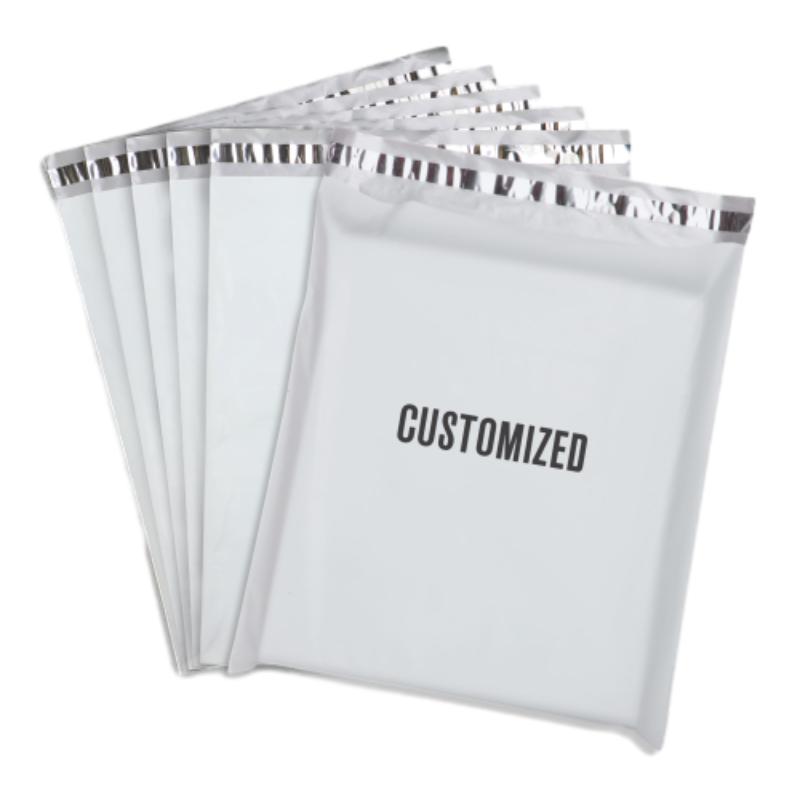
Have the freedom of customizing your custom mailers any way you want! Our dedicated packaging support will help deliver you the mailing experience you need to elevate your shipping experience to the next level! Start making a strong impression on your customers and stand out from your competitors! -
LIYA uses high quality raw materials which directly purchased from large enterprises domestic and overseas such as PetroChina, Sinopec, Sabic, Equate, ExxonMobil, Dow Chemical, Total, and Borouge, ensuring the price advantage and quality of the raw materials. -
LIYA uses high quality raw materials which directly purchased from large enterprises domestic and overseas such as PetroChina, Sinopec, Sabic, Equate, ExxonMobil, Dow Chemical, Total, and Borouge, ensuring the price advantage and quality of the raw materials.
 English
  Arabic
  China
China  French
  Korean
  Russian
  Spanish