0%

Table of Contents

You know, lately everyone's talking about sustainability, right? It’s all 'bio-based', 'compostable', 'reducing carbon footprint'... Honestly, it's getting a bit much. But it's also kinda necessary, right? Especially with these bulk poly mailer bags. Used to be, everyone just wanted the cheapest option, didn’t care where the plastic came from. Now, people are actually asking. And good riddance, I say.

Have you noticed how many companies are shifting to e-commerce? It’s insane. Which means, more packages. More shipping. More bags. So, the demand for reliable, cost-effective bulk poly mailer bags isn't just increasing, it's exploding. We're seeing a huge push for lighter-weight options too, to save on shipping costs. It seems simple, but getting that balance between durability and weight? That’s where it gets tricky.

It’s funny, you think designing a plastic bag is easy. It’s not. Not even close. I encountered this at a factory in Dongguan last time – they were trying to go too thin, saving like a penny per bag, and the tear rate went through the roof. Total disaster.
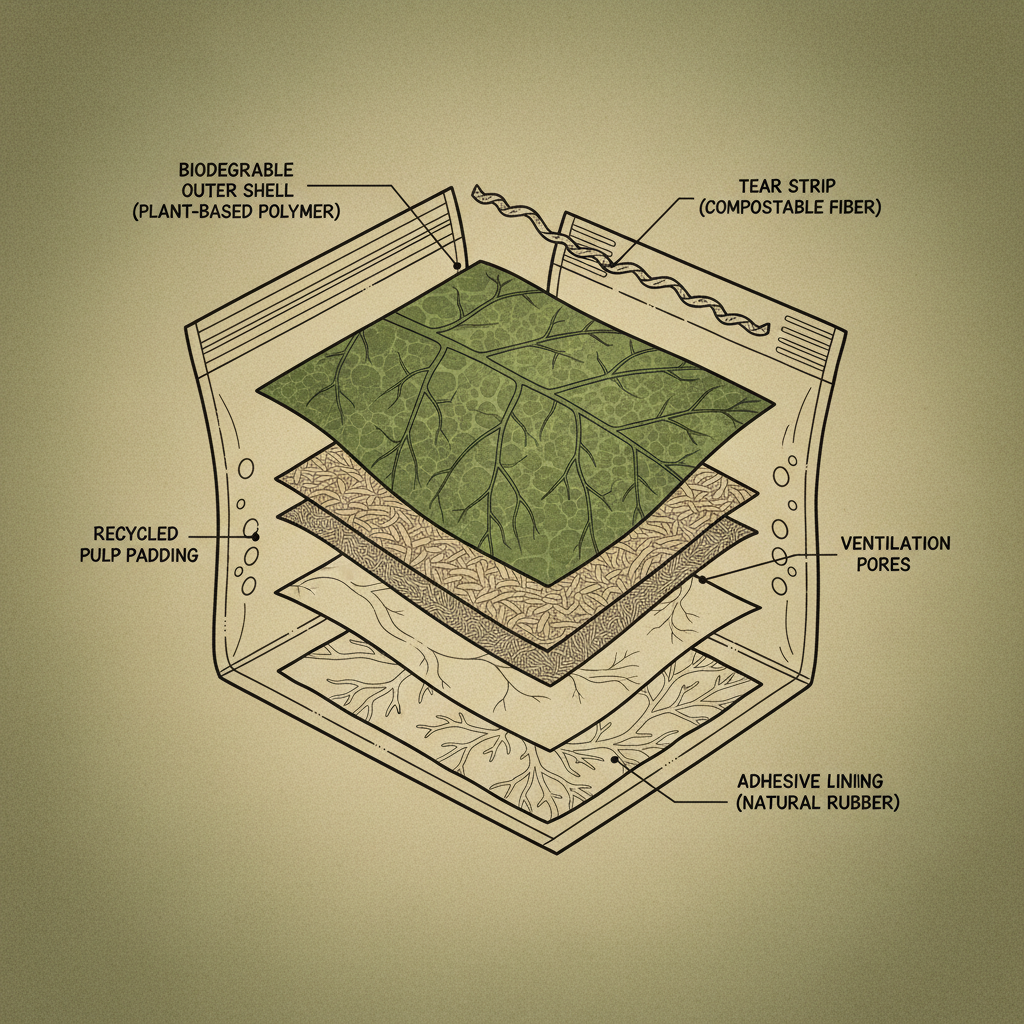
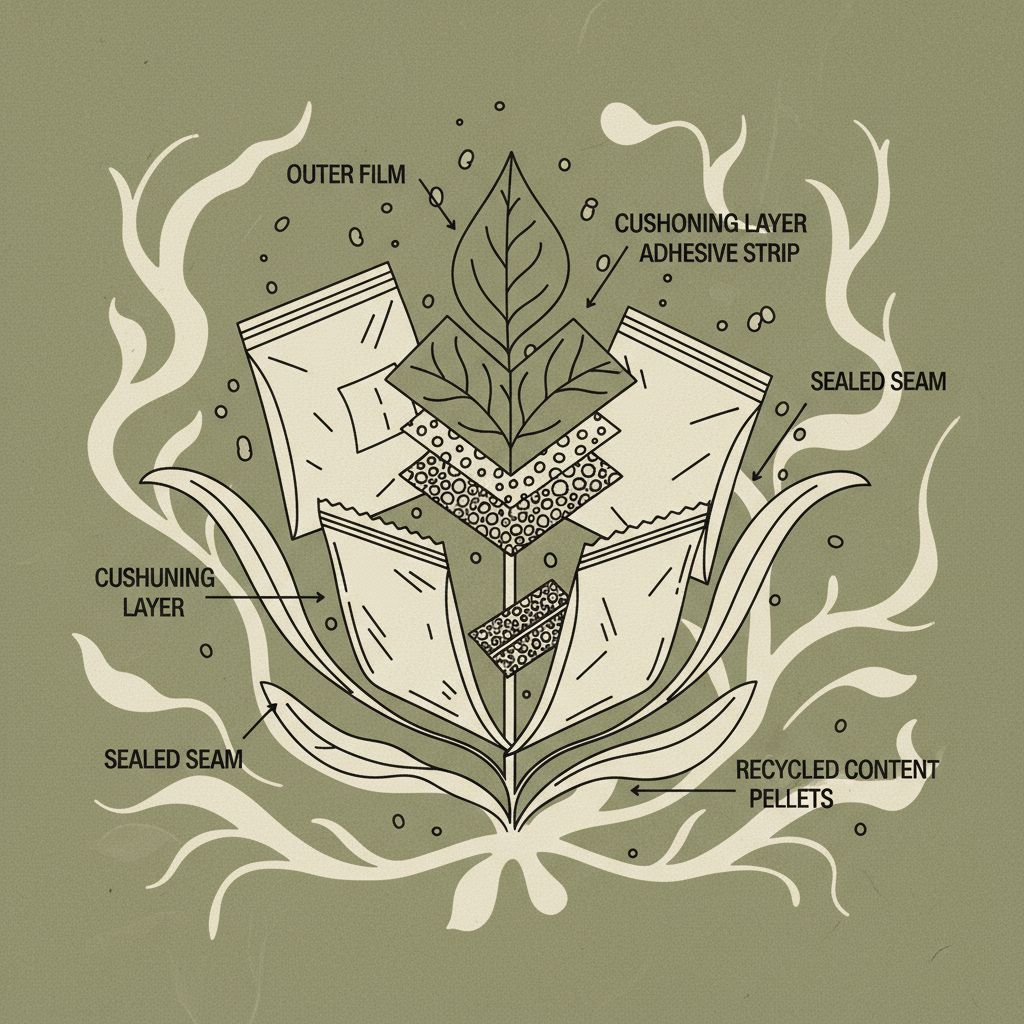
Understanding the Landscape of Bulk Poly Mailer Bags and Sustainable Options

The Current Landscape of bulk poly mailer bags

Understanding the Landscape of Bulk Poly Mailer Bags and Sustainable Options

To be honest, the market’s getting crowded. Everyone and their brother is selling bulk poly mailer bags. But there’s a huge difference in quality, you know? It’s not just about the price. It’s about the film thickness, the adhesive, the print quality… all that stuff. Strangely, a lot of companies focus solely on price, and then wonder why they’re getting complaints about ripped bags.

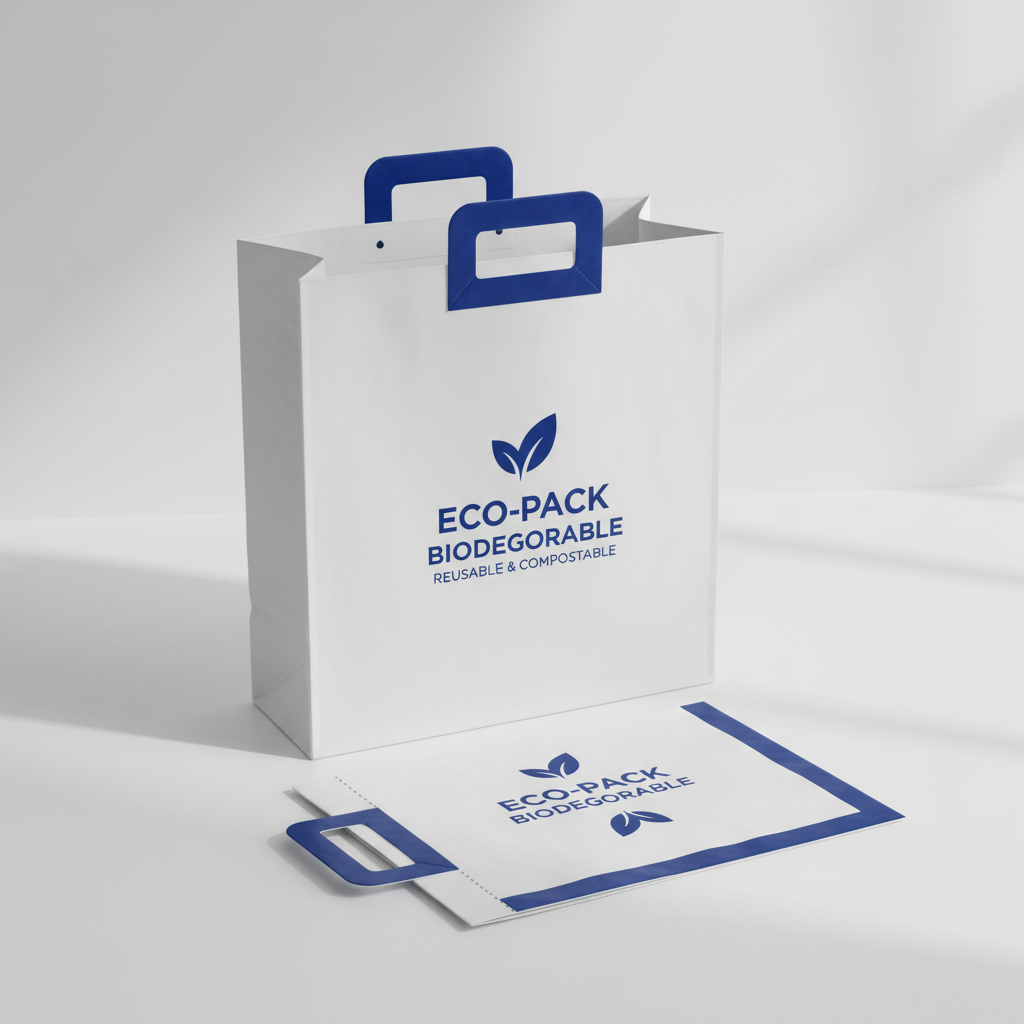
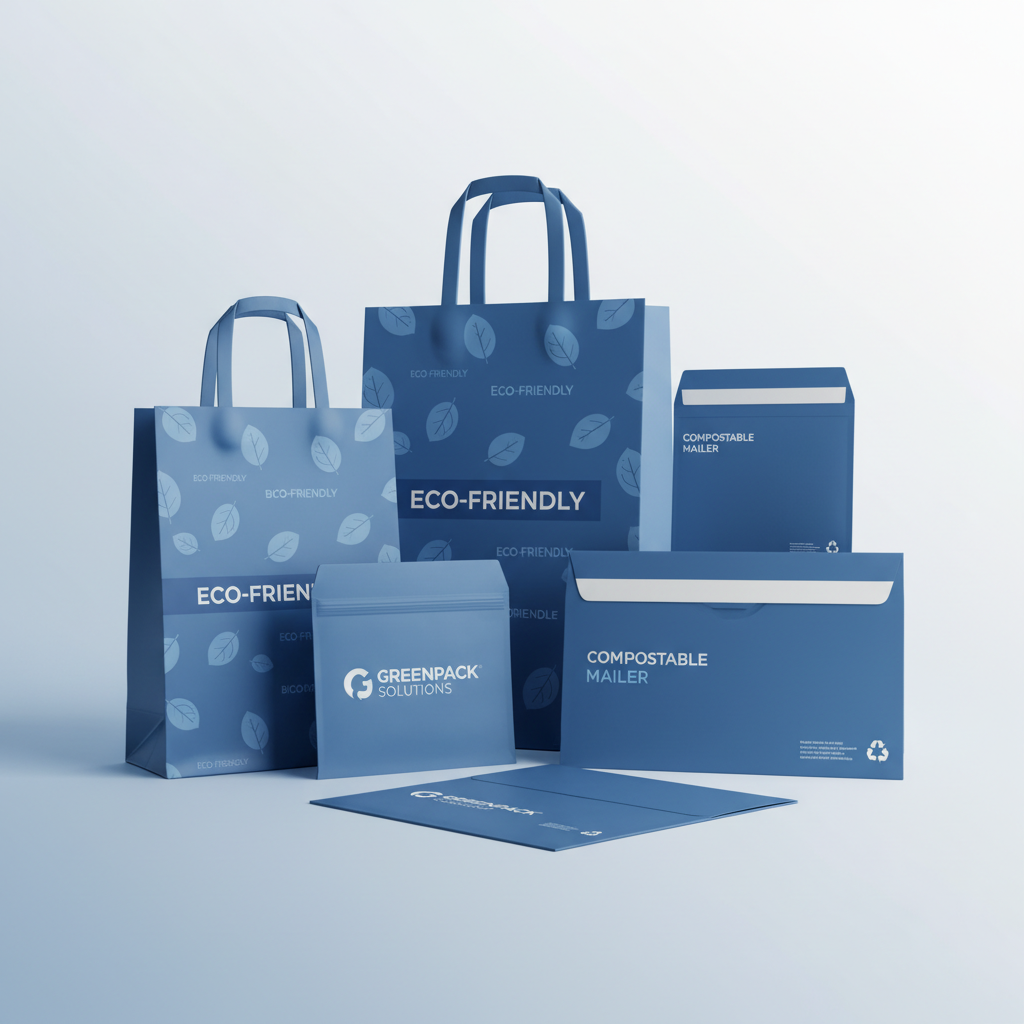
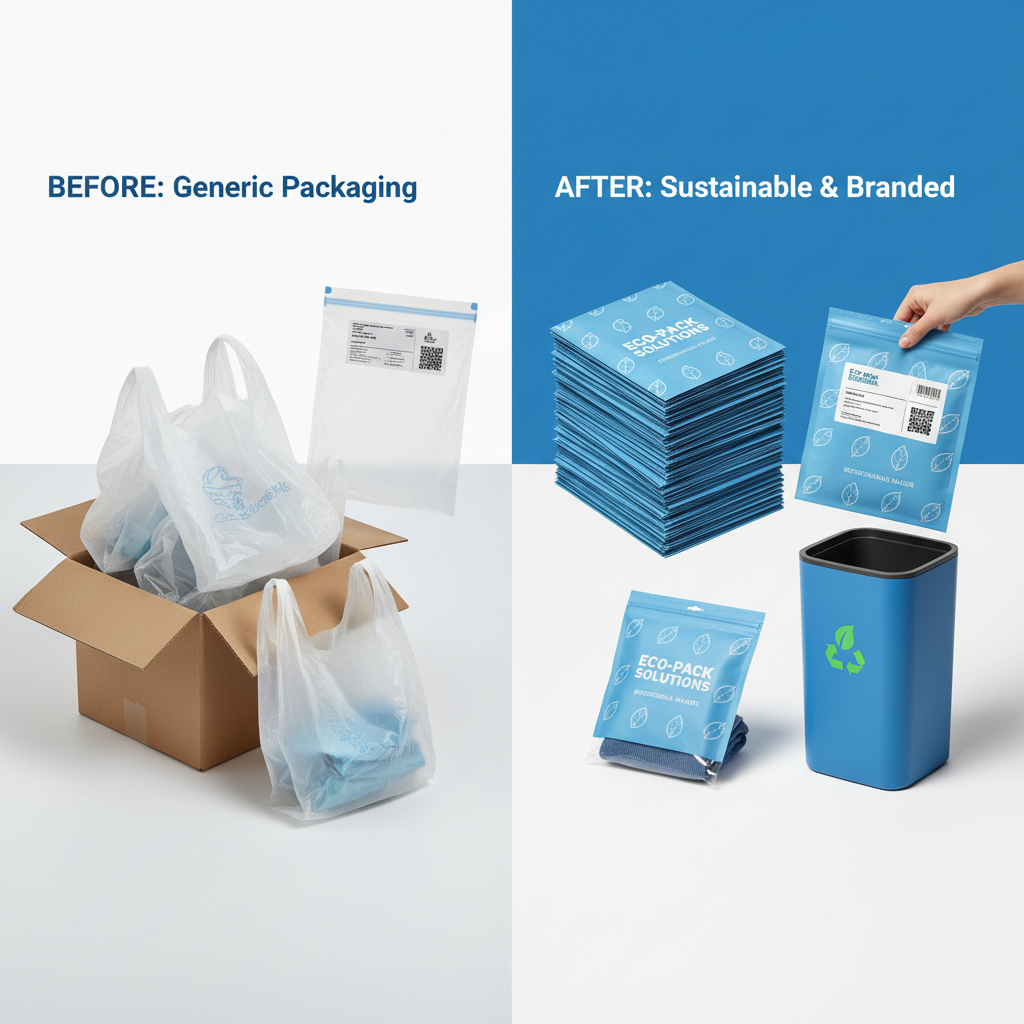
What's really taking off now is the demand for more sustainable options. Companies are starting to feel the pressure from consumers to reduce their environmental impact. We're seeing a lot of interest in compostable mailer bags, but they're not a perfect solution. They often cost more and aren't as durable. Still, it's a step in the right direction.

Design Pitfalls and Material Considerations

The biggest pitfall? Thinking you can cut corners. Seriously. I’ve seen it time and time again. People try to save a few cents on the material, and the bag falls apart. The material itself… well, LDPE (Low-Density Polyethylene) is the standard. It’s flexible, relatively cheap, and does the job. But it's not the strongest. HDPE (High-Density Polyethylene) is tougher, but it's also more rigid. And you've got co-extruded films, which combine different types of plastic for specific properties. They smell…plastic-y, obviously. A good bag will have a bit of stretch to it, but not too much. You want it to hold its shape.

Another thing: adhesive. That’s crucial. A weak adhesive means the bag will open in transit. We use a hot melt adhesive, and it’s got to be applied evenly. Too much, and it’s bulky. Too little, and it won’t hold. It sounds simple, but getting it right takes experience.

And don't even get me started on print quality. People want their logos to look sharp, and they will notice if the print is blurry or fades easily. You gotta use the right inks and printing techniques.

Testing in the Real World: Beyond the Lab

Lab tests are okay, I guess. Burst strength, tensile strength, tear resistance... all that stuff. But it doesn’t tell the whole story. You have to test these bulk poly mailer bags in a real-world environment. We send samples to our clients, have them ship actual products, and get feedback. That’s the only way to know for sure if a bag is going to hold up.

I remember one time, we were testing a new bag for a clothing company. The lab tests looked great, but when they started shipping heavier items – like jeans – the bags were splitting. Turns out, the lab tests didn’t account for the concentrated weight.

We also do drop tests, simulating what happens when a package is mishandled by a courier. It’s not pretty. Boxes get dented, bags get ripped… it’s a good way to identify weaknesses in the design.

How Users Actually Use bulk poly mailer bags

This is where it gets interesting. You think people are just putting stuff in the bag and sealing it, right? Not always. I've seen people use them for all sorts of things. Lining drawers, protecting artwork, even as makeshift waterproof covers. One guy used them to transport wet gardening soil!

And the sealing… people don’t always peel off the whole strip. They’ll leave a bit on, thinking it’s extra secure. Which it isn’t. It just makes it harder for the recipient to open the bag. Anyway, I think understanding how people actually use these bags is key to designing a better product.

bulk poly mailer bags Usage Scenarios


Advantages and Disadvantages – The Honest Truth

The biggest advantage? Cost. You can get bulk poly mailer bags for pennies each. They’re lightweight, waterproof, and relatively durable. They’re also easy to print on, which is important for branding. But they’re not perfect. They’re not very eco-friendly, and they can tear easily if they’re not made with high-quality materials.

And let's be real, they're not exactly a premium experience for the customer. It's not like opening a beautifully designed box. It's… a plastic bag. Still, for most applications, they get the job done.

Customization Options and Practical Examples

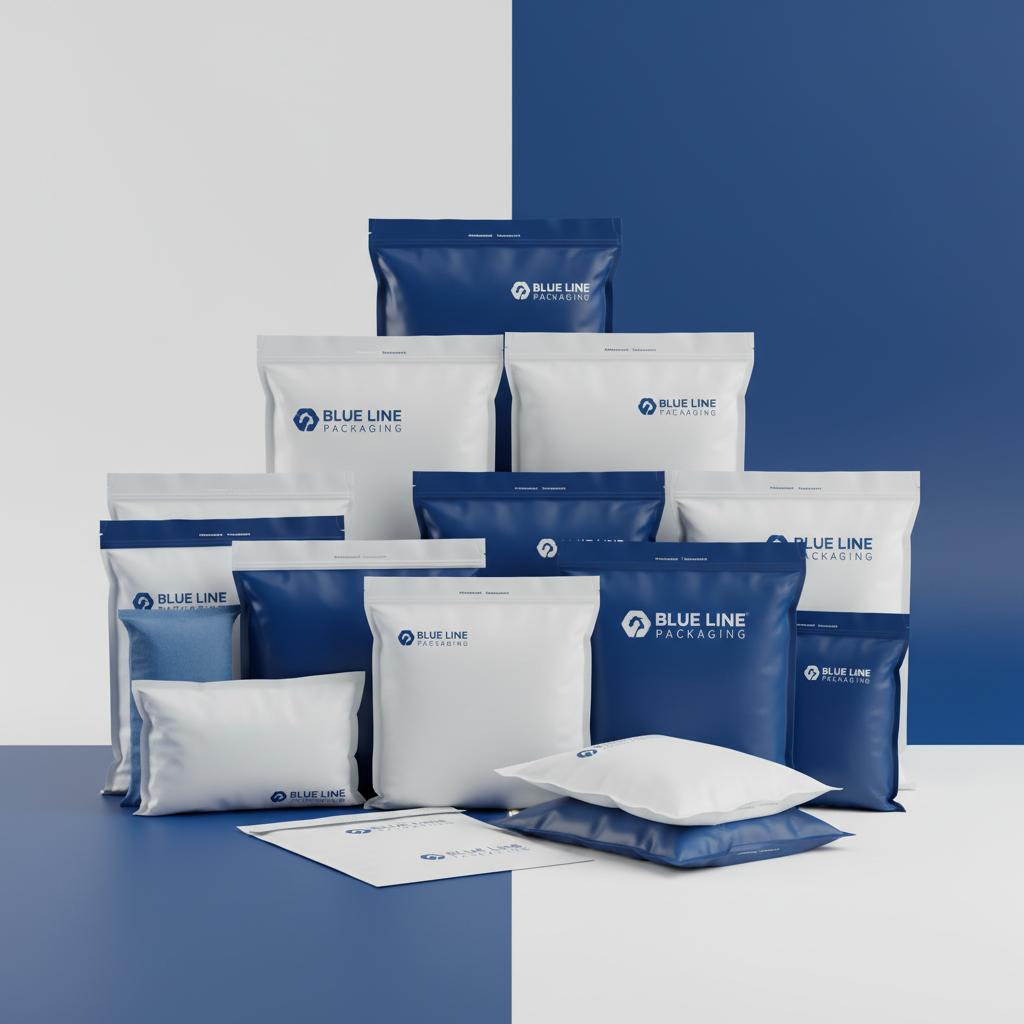
Customization? Oh yeah, you can do a lot. Print your logo, add a QR code, even include a custom message. Last month, that small boss in Shenzhen who makes smart home devices insisted on changing the interface to – which was a total headache because the existing machines were all set up for the old style. He said it was “more modern”. Cost us a fortune in retooling, but hey, happy customer.

We also do different sizes and thicknesses, depending on the application. For example, if someone is shipping delicate items, we recommend a thicker bag with extra padding. We can even add bubble wrap or foam inserts.

Material Performance Comparison

To generate the first paragraph around theme seven here

To generate the second paragraph around theme seven here

To generate the third paragraph around theme seven here

Summary of bulk poly mailer bags Material Properties

Material Type Tensile Strength (MPa) Tear Resistance (N) Cost per Unit ($)
LDPE 10-15 50-80 0.01
HDPE 20-25 100-150 0.02
Co-extruded LDPE/HDPE 15-20 80-120 0.025
Bio-based LDPE 8-12 40-70 0.03
Recycled LDPE 9-14 55-85 0.022
Compostable PLA 5-10 30-50 0.04

FAQS

What is the typical lead time for a large order of bulk poly mailer bags?

Lead times really depend on the quantity and customization needed. A standard order, no printing, typically ships in 5-7 business days. But for large runs with custom prints, especially during peak season, it can be 3-4 weeks. We always try to be upfront about this and provide realistic timelines. It's all about planning ahead, honestly. We've got to schedule the production, print runs, and quality checks.

Are these poly mailer bags truly waterproof?

They’re water-resistant, not completely waterproof. They’ll protect against rain and splashes, but prolonged exposure to water or submersion could cause the contents to get wet. We use a high-quality polyethylene film, but it's not a sealed container. For truly waterproof shipping, you'd need to use an inner waterproof bag or a different type of packaging altogether. It's a common question, and we always advise customers to consider the nature of their products.

Can I get a sample of the bulk poly mailer bags before placing a large order?

Absolutely! We encourage it. We can send you a sample pack with different sizes and thicknesses. It’s the best way to assess the quality and make sure it meets your needs. The cost of the sample pack is usually just the shipping fee. We want you to be confident in your purchase. I've seen too many people order a huge quantity without seeing a sample first and then be disappointed. It’s just common sense.

What are the environmental considerations when using these bags?

That’s a big one these days. Traditional poly mailer bags are made from virgin plastic, which isn’t ideal. We offer options like recycled LDPE and bio-based LDPE, which are more sustainable choices. Compostable bags are also available, but they have their limitations. Ultimately, reducing overall packaging and encouraging recycling are the most effective ways to minimize environmental impact. It's a complex issue, honestly, and we're always looking for better solutions.

Is custom printing available on these bags, and what are the file requirements?

Yes, we offer custom printing! We can print your logo, branding, or any other design you need. We prefer vector files (AI, EPS, or PDF) with all fonts outlined. Raster images (JPEG, PNG) are also accepted, but they need to be high resolution (300 DPI) to ensure a clear print. We'll provide you with a digital proof before printing to confirm everything looks perfect. There's usually a setup fee for custom printing, depending on the complexity of the design.

What is the minimum order quantity (MOQ) for custom printed bulk poly mailer bags?

The MOQ for custom printing varies depending on the bag size and the number of colors in your design. Typically, it's around 1000-2000 bags. However, we can sometimes accommodate smaller orders for simpler designs. It's always best to contact us with your specific requirements, and we’ll do our best to find a solution. Honestly, setting up the printing machines is the expensive part, so we need a certain volume to make it worthwhile.

Conclusion

So, there you have it. Bulk poly mailer bags aren't glamorous, but they're essential. From the materials they're made from, to how they're tested, to how people actually use them, there's a lot more to it than meets the eye. The industry is evolving, with a growing focus on sustainability and customization, and companies need to stay ahead of the curve to meet the changing demands of the market.

Ultimately, whether this thing works or not, the worker will know the moment he tightens the screw. And if they’re tearing, leaking, or just generally being a pain to use, you'll hear about it. That’s why quality control and real-world testing are so crucial. Don’t skimp on the details. Visit our website at www.liyabiobag.com to learn more and get a quote.

Brian Rodriguez

Brian Rodriguez

Brian Rodriguez is a Logistics and Supply Chain Manager at Xiongxian LIYAPacking Materials Co., Ltd. He’s responsible for the efficient and timely delivery of products to customers across Northern China and beyond. Brian manages relationships with transportation providers and optimizes supply chain operations to minimize costs and ensure reliability. He's
Previous Exploring the Complexities of Bulk Postage Bags and Biodegradable Options
Next Understanding the Nuances of Cheap Poly Mailers in Bulk for Ecommerce
en_USEnglish