Home Window Tinting: Save Energy & Privacy—Why Choose Us?
A Candid Look at Home Window Tinting and Temporary Glass Protection
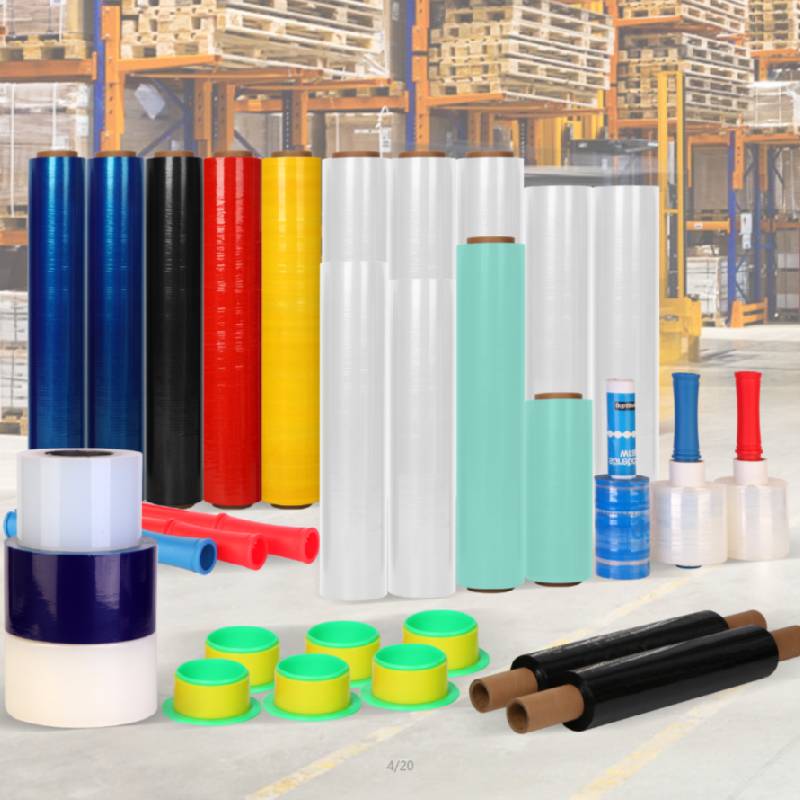
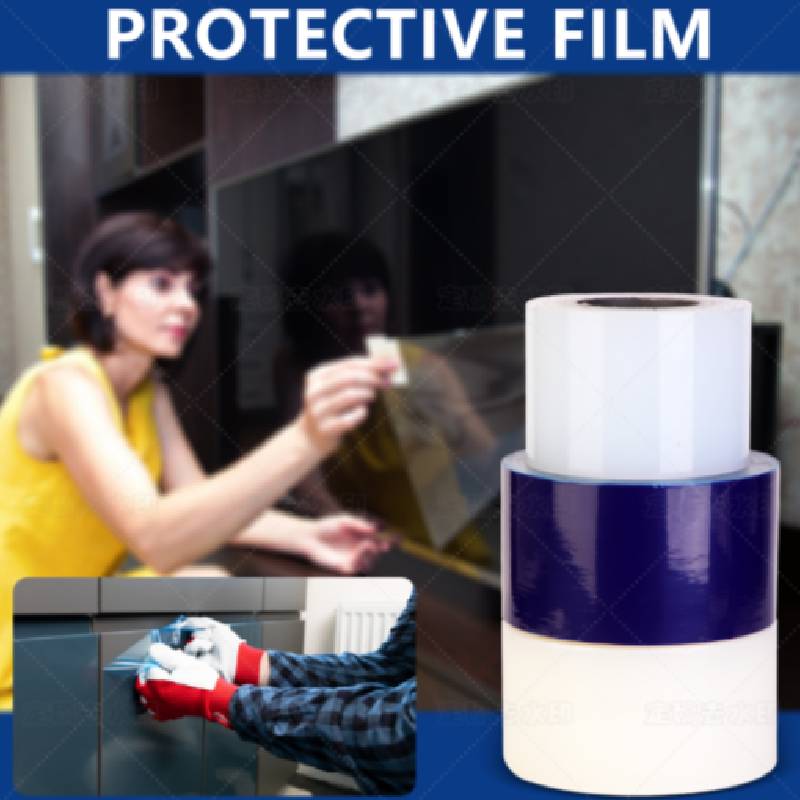
If you're weighing [home window tinting] against other options, here's the insider read: homeowners want comfort, privacy, and a clean install—without mystery glue residue six months later. LIYA’s Protective Film/Transparent Adhesive Blue Window Glass Mirror Protection Film (quite a name) comes from Plastic Packing Park, Xiongxian, Baoding, Hebei, China, and it’s a PE-based, low-tack acrylic system built to protect glass during construction, painting, or moving. And yes, it plays nicely with permanent solar-control films when sequenced properly.
Industry trend check (and what customers actually ask)
The market has split into two tracks: high-spec solar films (ceramic, spectrally selective, low-e) for energy savings, and temporary protection films that keep glass pristine until the “forever” film or blinds go on. Many customers say they want glare reduction but secretly dread cleanup. So installers increasingly stage projects: use a temporary protector to shield glass during renovations, then apply the permanent tint. It’s a small tweak that prevents dust nibs, scratches, or paint overspray—surprisingly common.
Product snapshot: LIYA glass protection film
PE base, UV-resistant acrylic adhesive, low adhesion (easy on/easy off). For smooth glass and mirror, it’s designed to peel clean—no sticky aftertaste. It’s not meant to be your final shading film; it’s the bodyguard during the messy phase.
| Spec | Details (≈ real-world values; may vary) |
|---|---|
| Base material | Polyethylene (PE), transparent blue tint for visibility |
| Adhesive | Acrylic, low-tack, designed for smooth glass |
| UV resistance | Yes (short-term protection during works) |
| Peel adhesion | Around 0.6–1.2 N/25 mm (ASTM D3330), lot-dependent |
| Service life (installed) | ≈ 3–12 months indoors; check sun exposure and cleaning routine |
| Removal | Tears off cleanly with proper angle; minimal residue when within window |
Where it fits in a modern project
- Pre- and post-renovation: shields glass from dust, scraping tools, paint.
- Move-in/move-out: prevents micro-abrasion from packaging and ladders.
- Bathroom mirrors and glass balustrades: quick cover during tile cutting.
- Prep for [home window tinting]: keep glass pristine until the final film install day.
Process flow (how pros do it)
- Assessment: note glass type, coatings, and exposure; confirm compatibility.
- Materials: LIYA PE film, squeegee or roller, clean microfiber, mild cleaner.
- Surface prep: wipe glass; ensure dust-free (honestly, this is where projects win or lose).
- Application: align, apply tension-free, squeegee out air; label install date.
- QA/testing: spot-check adhesion (ASTM D3330 method guidance), visual inspection under raking light.
- Service period: avoid harsh solvents; monitor edges near sun-facing panes.
- Removal: peel at ~180°; dispose/recycle film where facilities exist.
- Final step: permanent [home window tinting] or hardware installation.
Standards, tests, and certifications
For protective films, look for peel tests (ASTM D3330), UV weathering guidance (ASTM G154), and compliance with REACH/RoHS for chemicals. When you move into performance tinting, thermal/optical ratings typically reference NFRC 100/200 and ISO 9050 for transmittance and solar factors. Safety glazing often follows EN 12600. To be honest, not every vendor volunteers this—ask.
Vendor snapshot (real-world differences)
| Vendor | Origin | Adhesive | UV Resistance | Notes |
|---|---|---|---|---|
| LIYA Protective Film | Xiongxian, Baoding, Hebei, China | Acrylic, low-tack | Yes (short-term) | Clean removal; smooth-surface optimized |
| Generic Brand A | Imported | Rubber-based | Limited | May leave residue on sun-baked glass |
| Local Installer B | Regional | Acrylic (varies) | Varies | Good service; check batch specs and warranties |
Mini case studies
Renovation loft: installers staged LIYA film for 10 weeks while painters worked; final [home window tinting] went on spotless—zero callbacks. Suburban bath upgrade: mirrors protected during tile cutting; no hairline scratches, which the GC admitted “used to just happen.”
Bottom line: temporary protection is the cheap insurance your windows deserve. Then, when you pick the permanent tint, you’re starting from a perfect surface—not trying to hide a scuff that will bug you forever.
Authoritative references
- NFRC 100/200 – Procedures for rating fenestration U-factor and SHGC: https://www.nfrc.org
- ASTM D3330 – Peel Adhesion of Pressure-Sensitive Tape: https://www.astm.org/d3330
- ISO 9050 – Glass in building, determination of light transmittance: https://www.iso.org/standard/67919.html
- ASTM G154 – UV exposure of nonmetallic materials: https://www.astm.org/g0154
- EN 12600 – Glass in building, pendulum impact test: https://standards.cen.eu
-
Secure Shipping Guide with Poly Mailer Bubble Wrap SolutionsNewsApr.16,2026
-
Secure Shipping Guide for Using Durable Bubble Parcel BagsNewsApr.09,2026
-
Comprehensive Guide to Poly Mailer Bubble for Secure and Efficient ShippingNewsApr.07,2026
-
Elevate Your Brand with Custom Designer Bubble Mailers for Effective PackagingNewsApr.04,2026
-
Comprehensive Guide to Poly Mailers with Bubble Wrap for Secure ShippingNewsMar.31,2026
-
Comprehensive Guide to Large Bubble Poly Mailers for Secure and Efficient ShippingNewsMar.28,2026
-
Have the freedom of customizing your custom mailers any way you want! Our dedicated packaging support will help deliver you the mailing experience you need to elevate your shipping experience to the next level! Start making a strong impression on your customers and stand out from your competitors! -
LIYA uses high quality raw materials which directly purchased from large enterprises domestic and overseas such as PetroChina, Sinopec, Sabic, Equate, ExxonMobil, Dow Chemical, Total, and Borouge, ensuring the price advantage and quality of the raw materials. -
LIYA uses high quality raw materials which directly purchased from large enterprises domestic and overseas such as PetroChina, Sinopec, Sabic, Equate, ExxonMobil, Dow Chemical, Total, and Borouge, ensuring the price advantage and quality of the raw materials.
 English
  Arabic
  China
China  French
  Korean
  Russian
  Spanish