Nov . 30, 2025 16:30
Back to list
Lightweight Shipping Bags: Sustainable & Cost-Effective Packaging Solutions
Why Lightweight Shipping Bags Are Changing the Way We Move Goods
If you’ve ever wondered about the humble bag used for shipping—how critical it is, and why the industry is buzzing about lightweight shipping bags—you’re in the right place. This might seem like a small piece of the logistics puzzle, but globally, it’s huge. These bags make shipping more efficient, sustainable, and sometimes even safer. Getting a grip on what these bags offer helps industries, NGOs, and even everyday businesses reduce waste, lower costs, and meet growing environmental demands. Let’s unpack this topic together: why it matters, and the surprisingly big impact it has from massive ports to remote disaster zones.The Global Context: Why Lightweight Shipping Bags Matter Today
In real terms, logistics consumes almost 10% of the global GDP, according to the World Bank, and packaging counts for a big slice of that spend and environmental footprint. Shipping supplies that are lighter, yet strong, help reduce transportation emissions, ease handling, and cut costs. The UN Environment Programme estimates packaging waste is among the fastest growing waste streams globally — cue the urgent need for smarter solutions. But here’s the kicker: traditional shipping containers or heavy-duty bags are bulky and wasteful. And in humanitarian efforts—the massive supply chains that kick into gear after natural disasters—every extra kilo adds challenges in fuel, speed, and cost. Lightweight shipping bags, which balance durability and malleability, step in here, making a surprising difference. Mini takeaway: Simply choosing the right shipping bag cuts costs, carbon footprints, and sometimes saves lives in crisis relief.What Exactly Are Lightweight Shipping Bags?
Think of a lightweight shipping bag as a specially designed container made from advanced materials like woven polypropylene or laminated films. They’re crafted to hold varying goods—from food supplies to electronics—while shaving off unnecessary bulk. Unlike traditional jute or heavy plastic sacks, these bags incorporate strength and flexibility while weighing less. These aren’t just “bags.” They are vital cogs in the supply chain, engineered for scalability, protection, and easy transport. This design is crucial for industries moving fast or NGOs needing to get aid to remote locations without breaking the bank on shipping.Core Components That Make These Bags Stand Out
Durability Without the Weight
You’d expect reducing weight means less strength, right? Surprisingly, many lightweight shipping bags use innovative composites—woven high-density polymers, sometimes reinforced with UV stabilizers—that hold up under rough loading, stacking, and weather.Cost Efficiency at Scale
Less weight means lower fuel and freight costs — and that’s music to manufacturers and shippers. Plus, many bags can be reused multiple times, pushing cost savings even further.Eco-Friendly Materials & Recyclability
Many products now come with biodegradable liners or use recyclable fabrics. This aligns with ISO standards that push for reduced environmental impact over a product’s life cycle.Customizable Sizes and Formats
From small pouches to jumbo bags (like FIBCs), sizes vary wildly to fit industries’ needs. This adaptability is crucial to keep goods secure yet reduce wasted space.Easy Handling Features
Side handles, pockets, and specialized openings can improve how workers and machines handle these bags — speeding up loading and unpacking. Mini takeaway: In a nutshell — lightweight shipping bags combine strength, savings, and sustainability, a triple win that’s changing how products flow from point A to B.Where Lightweight Shipping Bags Shine: Real-World Applications
Globally, these bags play key roles. - Disaster relief efforts: After earthquakes or floods in places like Southeast Asia and Africa, aid agencies rely on lightweight bags to quickly package food and medical supplies. The ease of transport reduces delays in reaching people in need. - Agricultural exports: Countries exporting grains and seeds use these bags to preserve freshness while cutting shipping weight. - Industrial parts shipments: Remote mining sites in Australia use these bags to safely and efficiently ship tools and components, saving transport costs on bulky crates. - E-commerce logistics: Online retailers increasingly pack goods in protective lightweight bags to reduce transit damage, with an eye on sustainability too. Oddly enough, they’re even making waves in fashion logistics — think delicate materials cushioned safely but carried lightly to avoid costs spiraling.Why Invest in Lightweight Shipping Bags? Advantages That Last
On the surface, the clear benefit is lighter weight. But dig deeper and you get: - Reduced transportation emissions, as lighter loads burn less fuel. - Cost savings on freight and material usage. - Improved safety for handlers due to manageable lifting weights. - Enhanced product protection helps reduce losses from damage. - Social impact: In humanitarian contexts, they help maintain the dignity and safety of recipients by delivering supplies intact and on time. - Sustainability profile: They often incorporate recycled or compostable materials. Emotionally, there’s a modern story here—these bags don’t just carry goods; they carry our collective push toward a responsible, smarter industry. And in logistics, where margins are tight, reliable innovation is trusted.What’s Next? Innovations and Trends in Lightweight Shipping Bags
Technology marches on, of course. - We’re seeing a rise in smart bags embedded with RFID chips that track contents in real time. - Bioplastics and plant-derived polymers offer fully biodegradable options, aligning with global sustainability targets (think: UN Sustainable Development Goals). - Automation in handling means bags come with robotic-friendly designs — modular grips or sensors. - On the policy front: stricter packaging waste regulations push manufacturers and shippers to adopt and innovate. - Even digital twins — virtual simulations of supply chain performance using these bags — are coming to help optimize designs and logistics.Troubleshooting: Challenges and Their Fixes
Though fantastic, lightweight shipping bags aren’t perfect. - Durability concerns for extreme conditions—some bags may not stand up to intense moisture or abrasion without coatings. - Cost of high-tech materials can be prohibitive for small businesses or emerging nations. - Recycling infrastructure lag means some eco-friendly bags still end up in landfills. Innovators address these by layering materials, co-developing local recycling programs, and improving designs for modular reuse. Experts suggest that cross-sector partnerships—between manufacturers, logistics providers, and governments—are key to realizing the full potential.FAQ: Common Questions About Lightweight Shipping Bags
- Q1: How do lightweight shipping bags compare to traditional sacks in shipping costs?
- A1: Because they weigh less, these bags reduce overall freight weight, resulting in lower shipping costs. Additionally, their durability means fewer replacements, which saves money over time.
- Q2: Are lightweight shipping bags suitable for hazardous materials?
- A2: Many bags undergo certifications to safely contain hazardous goods. However, special liners or multi-layer materials may be required depending on the substance.
- Q3: Can these bags be reused multiple times?
- A3: Yes, high-quality lightweight shipping bags are designed for multiple uses, particularly when handled according to best practices, increasing sustainability and cost efficiency.
- Q4: What environmental standards do these bags meet?
- A4: Leading products comply with ISO 18601 series on packaging environmental aspects and often align with regional environmental laws promoting recyclability and biodegradability.
- Q5: How can small businesses source these bags affordably?
- A5: Many suppliers offer scalable options, and bulk purchasing reduces unit costs. Some NGOs and local distributors also help access lower-cost solutions geared towards smaller operators.
Product Specification Table: Typical Lightweight Shipping Bags
| Parameter | Specification | Notes |
|---|---|---|
| Material | Woven polypropylene with UV-resistant coating | Durable, suitable for outdoor use |
| Weight | 300 - 500 grams per bag | Varies by size |
| Capacity | Up to 50 kg | Common for bulk goods |
| Recyclability | 75% recyclable material | Depends on local infrastructure |
| Custom Features | Handles, reinforced seams, zip locks available | Based on client needs |
Vendor Comparison: Leading Lightweight Shipping Bag Suppliers
| Company | Material Quality | Sustainability | Customization | Price Range |
|---|---|---|---|---|
| Liya BioBag | High-grade woven PP with UV coatings | Uses recycled components, biodegradable liners available | Extensive options: sizes, colors, features | Mid to premium |
| EcoPack Solutions | Bioplastics blend | Fully biodegradable, compostable in 6 months | Limited customization | Premium |
| Global Bag Tech | Standard polypropylene | Conventional recycling available | Moderate options | Budget |
A Quick Word Before You Go…
Weight reduction in shipping might sound trivial, but when multiplied over millions of shipments yearly, it’s a game changer for carbon emissions, cost management, and operational ease. Lightweight shipping bags are more than just containers—they’re enablers of smarter, more sustainable supply chains. They show how small innovations can ripple out globally. Interested in learning more or getting customized products? Visit our website: lightweight shipping bags for detailed product info, case studies, and to connect with experts.References & Further Reading
Latest news
-
Secure Shipping Guide with Poly Mailer Bubble Wrap SolutionsNewsApr.16,2026
-
Secure Shipping Guide for Using Durable Bubble Parcel BagsNewsApr.09,2026
-
Comprehensive Guide to Poly Mailer Bubble for Secure and Efficient ShippingNewsApr.07,2026
-
Elevate Your Brand with Custom Designer Bubble Mailers for Effective PackagingNewsApr.04,2026
-
Comprehensive Guide to Poly Mailers with Bubble Wrap for Secure ShippingNewsMar.31,2026
-
Comprehensive Guide to Large Bubble Poly Mailers for Secure and Efficient ShippingNewsMar.28,2026
Latest Products
-
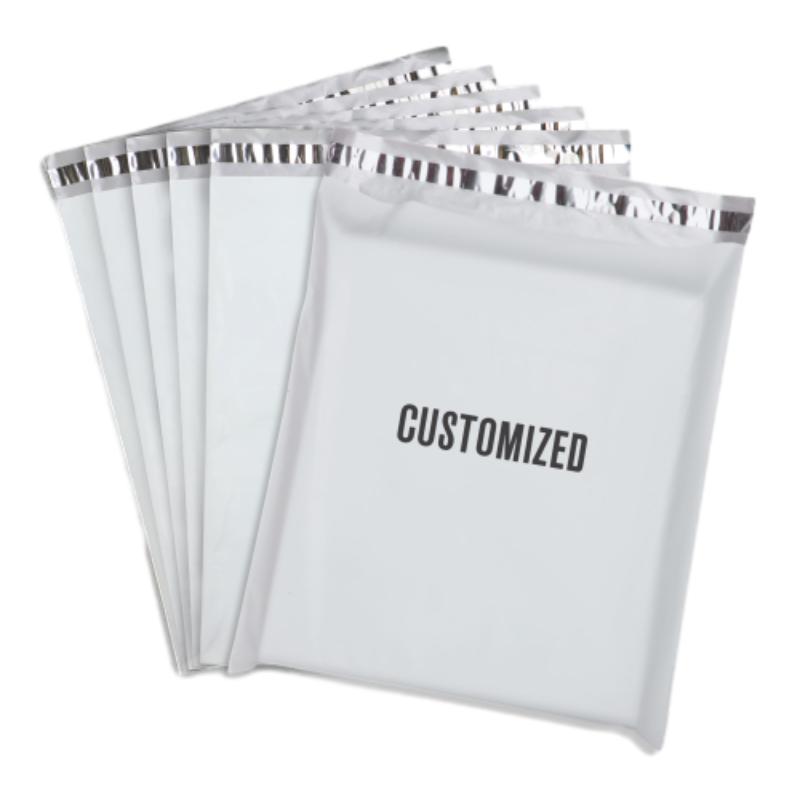
Have the freedom of customizing your custom mailers any way you want! Our dedicated packaging support will help deliver you the mailing experience you need to elevate your shipping experience to the next level! Start making a strong impression on your customers and stand out from your competitors! -
LIYA uses high quality raw materials which directly purchased from large enterprises domestic and overseas such as PetroChina, Sinopec, Sabic, Equate, ExxonMobil, Dow Chemical, Total, and Borouge, ensuring the price advantage and quality of the raw materials. -
LIYA uses high quality raw materials which directly purchased from large enterprises domestic and overseas such as PetroChina, Sinopec, Sabic, Equate, ExxonMobil, Dow Chemical, Total, and Borouge, ensuring the price advantage and quality of the raw materials.


 English
  Arabic
  China
China  French
  Korean
  Russian
  Spanish