Plain Mailing Bags: Durable, Cost-Effective, Eco-Friendly Packaging Solutions
Plain Mailing Bags: A Simple Product with Global Impact
At first glance, plain mailing bags might sound like just another packaging product. Yet, when you step back and consider how much the world relies on safe, efficient, and cost-effective mailing solutions, their global importance emerges clearly. Whether you're running a small business shipping handcrafted goods or managing massive humanitarian aid distributions, the choice of mailing bags often determines not only logistics efficiency but also cost, sustainability, and even brand trust.
Understanding plain mailing bags — their design, materials, and applications — gives industry professionals, e-commerce sellers, and NGOs alike a quiet advantage in streamlining operations and enhancing user experience.
Why Plain Mailing Bags Matter Globally
The global mailing and courier market has seen unstoppable growth—according to the World Bank and shipping reports, parcel deliveries exceed billions annually worldwide. E-commerce alone contributed to a significant surge. But this growth also brings environmental and logistical challenges. Packaging waste compounds, costs rise, and security concerns grow.
Plain mailing bags fit neatly into this picture by offering a minimalist, efficient packaging solution — especially crucial in developing regions and disaster-response scenarios where durability meets affordability.
Quick takeaway:
- Mailing bags handle vast parcel volumes globally, especially due to e-commerce growth.
- Environmental and logistics pressures make simple, reusable, or recyclable bags more vital.
- Plain mailing bags meet a demand that goes beyond mere packaging—they solve efficiency and sustainability puzzles.
What Are Plain Mailing Bags?
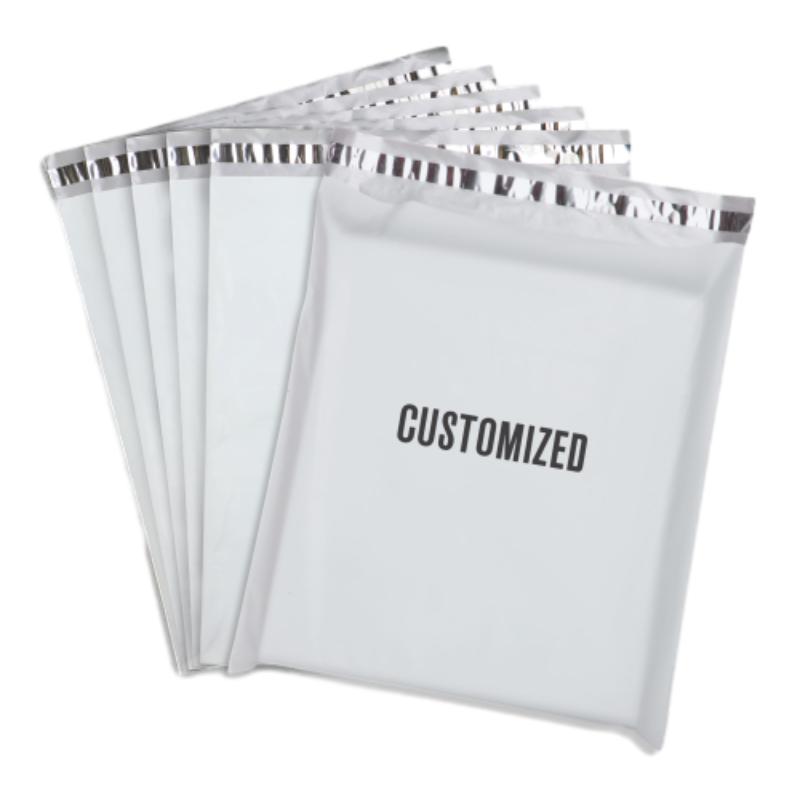
Put simply, plain mailing bags are lightweight, usually polyethylene-based envelopes designed to securely package and ship items. “Plain” means minimal printing or branding – blank surfaces without logos, whimsical prints, or color distractions.
These bags are airtight, tear-resistant, and often waterproof — perfect for safeguarding documents, apparel, or lightweight items from handling damage and weather. Their plain nature also makes customization or overprinting possible, letting companies add their own branding selectively.
Beyond commerce, these bags can play roles in humanitarian aid—for example, delivering hygiene kits or medicines securely in disaster-affected zones while minimizing packaging bulk.
Mini summary:
- Plain mailing bags are versatile, simple packaging sleeves suited for many materials.
- They protect contents from moisture and tampering during transit.
- Minimalist design keeps costs down and allows easy branding if needed.
Key Features of Plain Mailing Bags
1. Durability
Most plain mailing bags are made from high-quality polyethylene films or biodegradable polymers these days. Engineers emphasize puncture resistance and tensile strength—because rough postal handling can be unforgiving. A bag that tears or leaks can mean lost trust and expensive reshipments.
2. Cost-Effectiveness
Compared to boxes or rigid containers, mailing bags use less material, reducing both purchase price and shipping weight. For businesses with thin margins, this difference adds up fast.
3. Lightweight and Space-Saving
Factories and warehouses love how these bags compress—it’s possible to store thousands in a small footprint. Shipping them to distributors is cheaper too.
4. Environmental Sustainability
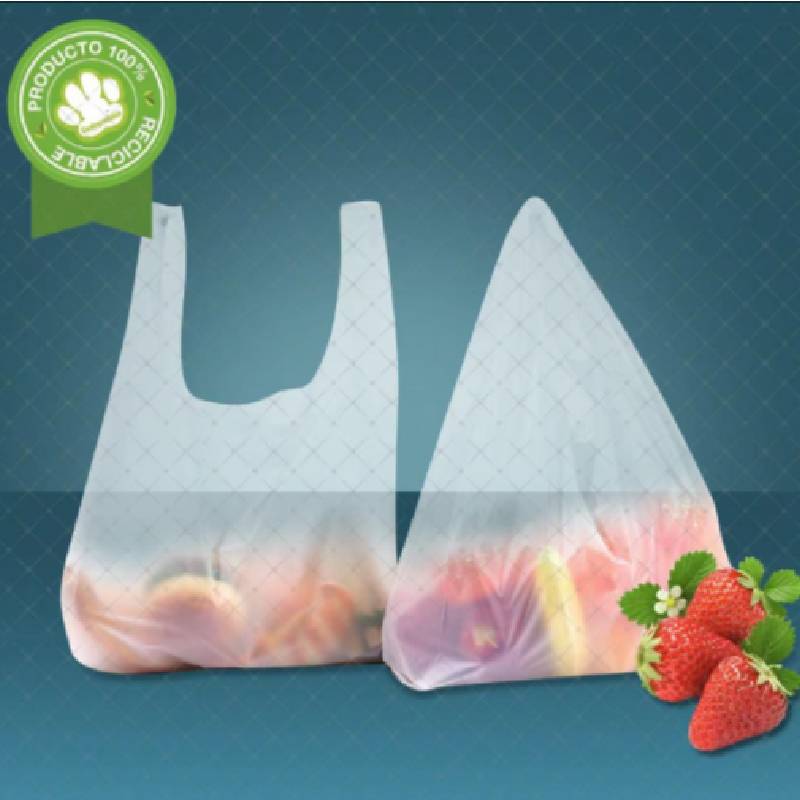
Companies increasingly demand compostable or recyclable materials to reduce landfill contributions. Some plain mailing bags now incorporate eco-friendly polymers certified by ISO standards.
5. Security and Privacy
Opaque, sealable designs protect sensitive contents while preventing prying eyes. Some varieties even have tamper-evident seals.
| Feature | Details |
|---|---|
| Material | Polyethylene (PE) or biodegradable polymers |
| Thickness | 40–80 microns (depending on protection level) |
| Size Range | From 5 x 7 inches up to 24 x 36 inches |
| Closure Type | Self-adhesive strips, tamper-evident seals |
| Color | Opaque White, Kraft Brown, or clear |
| Certifications | ISO 14001 (Environmental), ASTM D6400 (Biodegradability) |
How Plain Mailing Bags Are Used Around the World
In real terms, you see plain mailing bags everywhere—postal services in North America routinely use them for lightweight letters and small parcels. But oddly enough, their greatest impact might be in less developed regions.
For example, NGOs in sub-Saharan Africa often rely on tough, water-resistant mailing bags to send medical samples or distribute relief kits. Their compactness and ability to hold printed instructions even help in literacy-challenged areas.
In e-commerce epicenters like China and India, millions of parcels ship daily in plain mailing bags. Retailers who want flexible, fast packaging prefer these for apparel and accessories. In the European Union, environmental regulations push for plain mailing bags to be compostable or recyclable, helping curb plastic pollution.
Mini takeaway:
- Mailing bags support everything from local post offices to global aid efforts.
- Shipping medicines or aid in harsh climates demands durability.
- Retailers choose them for low cost, ease of use, and quick turnover.
The Advantages and Lasting Value of Plain Mailing Bags
Let's be frank — it can feel like just a plastic sack. But the cumulative advantages are impressive. They reduce packaging waste, slash shipping costs thanks to light weight, and speed up fulfillment lines.
There's also an emotional value. For a small business owner, sending products safely builds trust and repeat customers. For humanitarian groups, giving relief packages in secure, discreet bags preserves dignity.
- Cost Savings: Lower material and transport expenses
- Environmental Impact: Move toward recyclable and biodegradable options
- User Experience: Easy to open but secure closures
- Brand Flexibility: Plain bags enable custom printing solutions later
Innovation and the Road Ahead
Looking ahead, the mailing bag world is ripe with innovation. New materials sourced from plant-based polymers reduce reliance on fossil fuels — no small feat considering global environmental pledges.
Digitally printable surfaces allow quick branding and product information changes right at distribution centers.
Automation — sorting and handling systems designed specifically for flexible packaging — is also gaining momentum, cutting labor costs and error rates.
Green packaging policies in the EU and parts of Asia are fast becoming rules, so expect new product certifications and lifecycle analyses to become standard.
Challenges and Expert Solutions
Sounds perfect, right? Well, not quite. Plain mailing bags occasionally fall short in:
- Durability: Sharp items might still tear bags.
- Environmental Concerns: Not all bags biodegrade equally.
- Security: Some users seek tamper-proof variants that are still affordable.
Expert manufacturers solve these by reinforcing edges, adding multi-layer films, and innovating compostable adhesives. Some NGOs even complement bags with secondary packaging to offset weaknesses.
Vendor Comparison Table
| Vendor | Material Options | Custom Printing | Eco Certifications | Price Range (per 1000) |
|---|---|---|---|---|
| PackSafe Co. | PE, biodegradable PE | Yes, full-color | ISO 14001, ASTM D6400 | $150 - $220 |
| EcoMail Bags Ltd. | Compostable plant-based polymers | Limited spot color | Compostable Certified, FSC | $180 - $260 |
| Universal Packaging | Standard LDPE and HDPE | No | None | $100 - $140 |
Frequently Asked Questions About Plain Mailing Bags
Q1: Can plain mailing bags handle heavy or sharp-edged items?
A1: Generally, plain mailing bags are designed for lightweight to medium-weight items like documents or apparel. For heavy or sharp products, reinforced bags or additional packaging layers are recommended to avoid punctures or tearing.
Q2: Are plain mailing bags recyclable, and how do I dispose of them responsibly?
A2: Many bags are made from recyclable polyethylene, but recycling options depend on local facilities. Look for bags with clear recycling codes, and when possible, choose bags certified for biodegradability or compostability to lessen environmental impact.
Q3: Is it easy to add branding or custom print on plain mailing bags?
A3: Yes. Since they start blank, these bags are excellent canvases for printing logos or instructions. Many suppliers offer flexographic or digital printing services to customize at various quantities.
Q4: How durable are plain mailing bags in wet or humid conditions?
A4: Most plain mailing bags are waterproof and can protect contents from moisture. However, prolonged exposure to excessive wetness or extreme weather still requires secondary packaging for optimal protection.
Q5: How do NGOs source plain mailing bags for relief operations internationally?
A5: NGOs typically work with trusted packaging suppliers who guarantee deliveries in bulk and offer eco-certified, durable bags suitable for harsh environments. Facilitating logistics often involves coordination with international freight and customs policies.
Wrapping Up: Why Plain Mailing Bags Remain Key
So, after diving in, it’s clear that plain mailing bags aren’t just humble packaging odds and ends. They’re quietly critical pieces in the puzzle of global commerce, environmental responsibility, and humanitarian aid. Their balance of affordability, simplicity, and growing sustainability options gives them staying power.
If you want to explore a trusted source for quality plain mailing bags, from standard polyethylene to biodegradable options, you’ll find plenty at our website — ready to meet your shipping or relief needs with ease.
References
-
Secure Shipping Guide with Poly Mailer Bubble Wrap SolutionsNewsApr.16,2026
-
Secure Shipping Guide for Using Durable Bubble Parcel BagsNewsApr.09,2026
-
Comprehensive Guide to Poly Mailer Bubble for Secure and Efficient ShippingNewsApr.07,2026
-
Elevate Your Brand with Custom Designer Bubble Mailers for Effective PackagingNewsApr.04,2026
-
Comprehensive Guide to Poly Mailers with Bubble Wrap for Secure ShippingNewsMar.31,2026
-
Comprehensive Guide to Large Bubble Poly Mailers for Secure and Efficient ShippingNewsMar.28,2026
-
Have the freedom of customizing your custom mailers any way you want! Our dedicated packaging support will help deliver you the mailing experience you need to elevate your shipping experience to the next level! Start making a strong impression on your customers and stand out from your competitors! -
LIYA uses high quality raw materials which directly purchased from large enterprises domestic and overseas such as PetroChina, Sinopec, Sabic, Equate, ExxonMobil, Dow Chemical, Total, and Borouge, ensuring the price advantage and quality of the raw materials. -
LIYA uses high quality raw materials which directly purchased from large enterprises domestic and overseas such as PetroChina, Sinopec, Sabic, Equate, ExxonMobil, Dow Chemical, Total, and Borouge, ensuring the price advantage and quality of the raw materials.
 English
  Arabic
  China
China  French
  Korean
  Russian
  Spanish