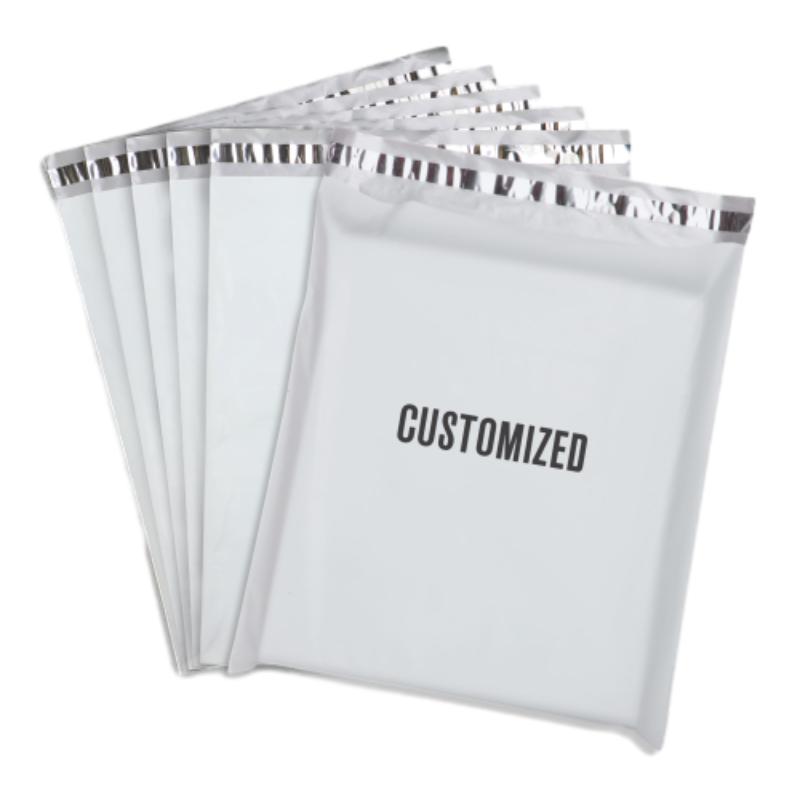
Poly Mailer Bags – Durable, Waterproof, Customizable
Poly Mailer Buying Guide 2025: Real-World Specs, Tests, and Vendor Nuance
If you’re evaluating poly mailer bags, you’ve probably noticed the market looks crowded and strangely similar. Yet in practice, performance varies a lot—especially seal strength, film toughness, and print durability. I’ve toured a few plants; the good ones obsess over co-extrusion recipes and adhesive chemistry. The rest… well, let’s say returns tell the story.
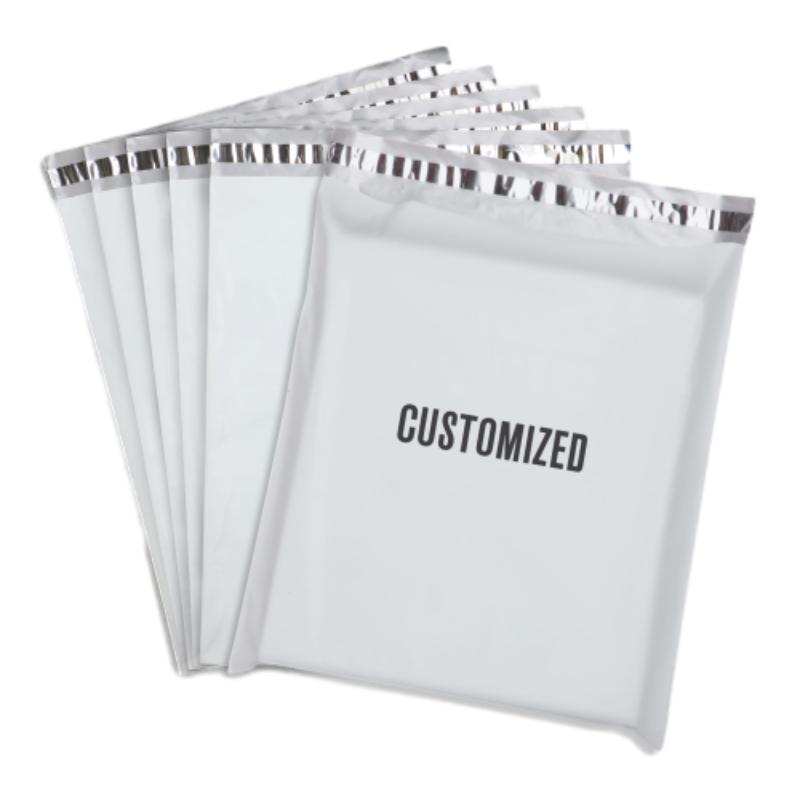
Quick context and why it matters
E‑commerce keeps nudging shippers toward poly mailer bags for soft goods—apparel, textiles, books, and kits—because they’re lighter than cartons and slash DIM weight. Trend-wise, I’m seeing: more recycled content, better tear resistance without bulk, and printable surfaces that carry brand assets crisply. Also, retailers are pushing ISTA-compliant packaging so fulfillment centers stop over-bagging. Good news for waste reduction.
Product snapshot
Product Name: Mailing Bag / Poly Mailer / Courier Bag. Origin: Plastic Packing Park, Xiongxian, Baoding, Hebei province, China 071800. The manufacturer’s pitch is customization-first—design, sizes, additive choices—so brands look sharp and shipments arrive intact. Honestly, that’s where most ROI hides: fewer reships + better unboxing.
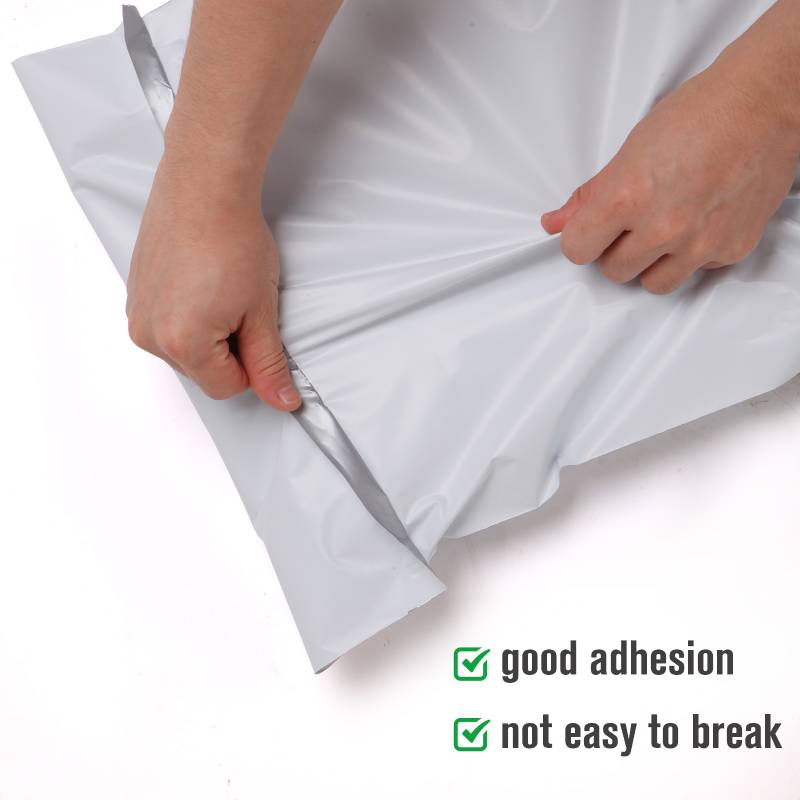
Technical specification (typical)
| Parameter | Spec (≈ / typical) | Standard/Test |
|---|---|---|
| Film structure | 3-layer co-ex LLDPE/MDPE blend | Internal SOP |
| Thickness | 50–100 µm (60 µm common) | ASTM D6988 |
| Tensile strength | MD 22–28 MPa; TD 20–26 MPa | ASTM D882 |
| Dart impact | ≈ 250–500 g (by gauge) | ASTM D1709 |
| Seal/peel strength | ≥ 12 N/25 mm | ASTM F88 |
| Adhesive | Hot-melt, tamper-evident | Internal QC |
| Print method | Up to 8c flexo; solventless inks | ASTM D3359 (adhesion) |
Real-world use may vary with climate, handling, and parcel weight.
Manufacturing flow (how good poly mailer bags are made)
Resin selection (LLDPE/MDPE, optional PCR content) → Blown film co-extrusion with EVA for sealability → Corona treatment for print → Flexographic printing → Slitting → Side/bottom sealing → Peel-and-seal tape application → QC: thickness scan, COF, seal integrity, dart & tensile → Cartoning. Plants worth your time usually run ISO 9001/14001, do ISTA 3A ship tests, and retain lot traceability. Shelf life: around 18–24 months; adhesive: ≈ 12 months sealed storage.
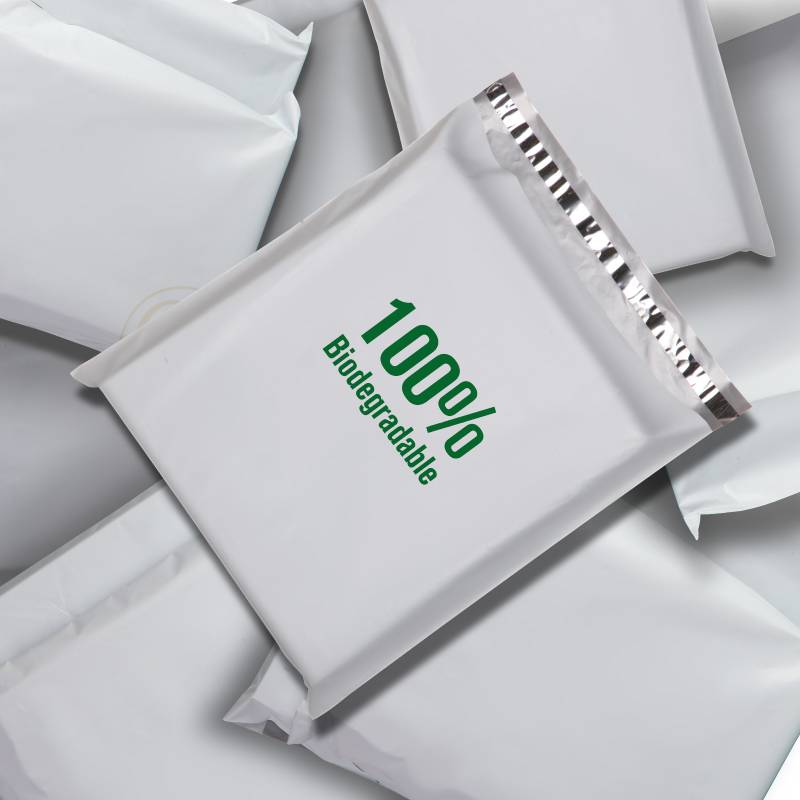
Applications and advantages
- Apparel, soft goods, linens, books, cosmetics kits, spare parts.
- Lighter parcels, fewer void fills, faster pack-out versus boxes.
- Tamper evidence; water resistance; quiet branding surface that actually travels.
Many customers say their damage rate dropped after switching to poly mailer bags with proper gauge. Surprisingly, the biggest uplift often comes from stronger adhesive strips—no mid-route reopens.
Vendor comparison (typical market view)
| Vendor | MOQ | Lead time | Customization | Certs | Recycled content |
|---|---|---|---|---|---|
| Liyabiobag (Hebei) | ≈ 10k pcs | 15–25 days | Size/print/gauge/PCR | ISO 9001/14001 | Up to 50% PCR (use-case) |
| Generic A (domestic) | 5k–20k | 7–14 days | Size/print | ISO 9001 | 0–30% |
| Overseas B | 20k+ | 25–35 days | Size/print/gauge | Varies | 10–40% |
Customization and branding
Choose gauges by weight class; add dual adhesive for returns; print tracking or QR codes; matte finishes help luxe apparel stand out. The team in Hebei often consults on print traps and color holdout so poly mailer bags look great after conveyor scuffs.
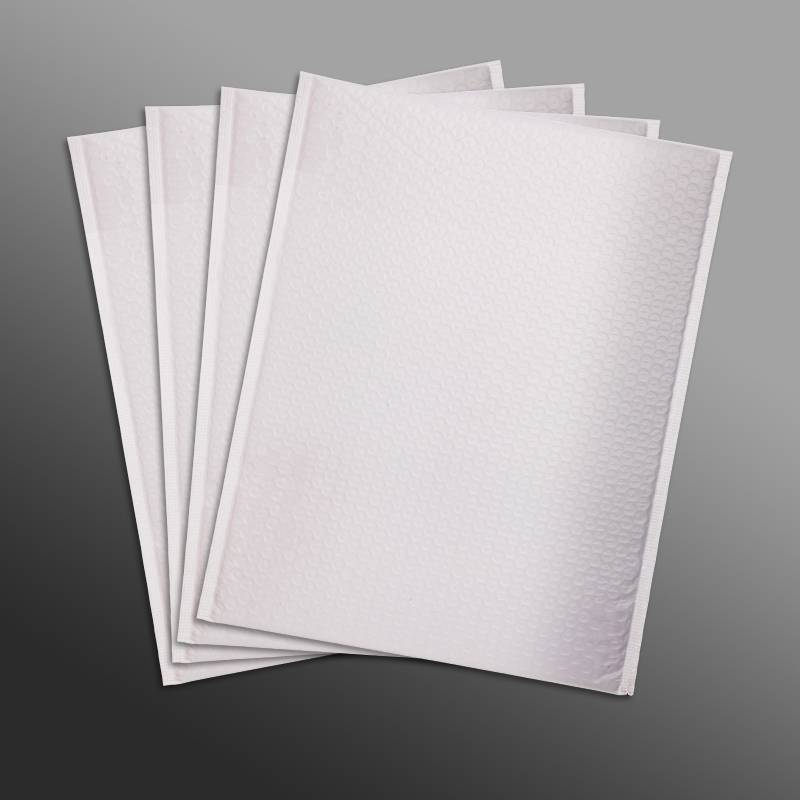
Compliance, testing, sustainability
- ISTA 3A parcel test for distribution robustness.
- ASTM D882 tensile, D1709 impact, F88 seal-strength; D3359 print adhesion.
- ISO 9001/14001 plant systems; REACH/RoHS declarations on request.
- Store drop-off recyclability (LDPE/PE film) per How2Recycle guidelines, where applicable.
Mini case notes
- Fashion brand (EU): moved to 70 µm poly mailer bags, seal failures fell from 1.1% to 0.2%, freight reduced ≈ 6% by switching from boxes.
- Bookseller: matte-white mailers with 20% PCR and dual-seal; customer CSAT nudged up 0.3 pts—small but meaningful.
To be honest, the best tip is simple: match gauge to weight, and validate with your own ISTA drop/edge tests before a full rollout.
Contact and origin
Manufactured in Plastic Packing Park, Xiongxian, Baoding, Hebei province, China 071800. If you need artwork help, they’ll guide dielines and color curves so your poly mailer bags print cleanly.
References
- ASTM D882 – Standard Test Method for Tensile Properties of Thin Plastic Sheeting. https://www.astm.org/d0882
- ASTM D1709 – Standard Test Methods for Impact Resistance of Plastic Film by the Free-Falling Dart Method. https://www.astm.org/d1709
- ISTA 3A – Packaged-Products for Parcel Delivery System Shipment. https://ista.org/
- ISO 9001 Quality Management Systems. https://www.iso.org/iso-9001-quality-management.html
- How2Recycle: Plastic Bag and Film Recycling Guidance. https://how2recycle.info/
-
Secure Shipping Guide with Poly Mailer Bubble Wrap SolutionsNewsApr.16,2026
-
Secure Shipping Guide for Using Durable Bubble Parcel BagsNewsApr.09,2026
-
Comprehensive Guide to Poly Mailer Bubble for Secure and Efficient ShippingNewsApr.07,2026
-
Elevate Your Brand with Custom Designer Bubble Mailers for Effective PackagingNewsApr.04,2026
-
Comprehensive Guide to Poly Mailers with Bubble Wrap for Secure ShippingNewsMar.31,2026
-
Comprehensive Guide to Large Bubble Poly Mailers for Secure and Efficient ShippingNewsMar.28,2026
-
Have the freedom of customizing your custom mailers any way you want! Our dedicated packaging support will help deliver you the mailing experience you need to elevate your shipping experience to the next level! Start making a strong impression on your customers and stand out from your competitors! -
LIYA uses high quality raw materials which directly purchased from large enterprises domestic and overseas such as PetroChina, Sinopec, Sabic, Equate, ExxonMobil, Dow Chemical, Total, and Borouge, ensuring the price advantage and quality of the raw materials. -
LIYA uses high quality raw materials which directly purchased from large enterprises domestic and overseas such as PetroChina, Sinopec, Sabic, Equate, ExxonMobil, Dow Chemical, Total, and Borouge, ensuring the price advantage and quality of the raw materials.
 English
  Arabic
  China
China  French
  Korean
  Russian
  Spanish