Affordable Poly Mailers – Cost-Effective, Durable Shipping Solutions
The Global Resonance of Affordable Poly Mailers
Affordable poly mailers — those lightweight, flexible, and durable mailing bags made from polyethylene — have quietly reshaped e-commerce, logistics, and humanitarian aid worldwide. In a planet increasingly dependent on speedy, cost-effective shipping, understanding these simple packaging heroes is more important than ever.
Why? Because behind every package shipping at breakneck speed is a poly mailer that ensures the parcel’s safety without weighing down costs or creating unnecessary waste. Globally, over 2.14 billion people shopped online in 2023, a number expected to reach 2.7 billion by 2027 (Statista). That’s a tremendous volume of shipments requiring economical, reliable packaging solutions.
Affordable poly mailers address a critical challenge: how to meet sky-high demand for shipping while keeping costs and environmental footprint low. This article explores their meaning, components, uses, and future — a small package with big implications.
What Exactly Are Affordable Poly Mailers?
Simply put, affordable poly mailers are lightweight, typically plastic envelopes used to ship non-fragile goods. Made mainly from polyethylene — a type of plastic known for strength and moisture resistance — their "affordable" attribute signals packaging that balances cost-effectiveness without sacrificing durability.
These mailers are staple tools in modern industry: from small online boutiques sending jewelry, to NGOs shipping essential supplies in disaster zones. The reason? They protect contents against moisture, dirt, and minor abrasions while being cost-efficient for large volume shipping.
Breaking Down Key Components and Features
Durability
Affordability never means fragility here. Poly mailers typically range between 1.5 to 3 mil thickness, making them tear-resistant yet flexible enough to accommodate oddly shaped items.
Water Resistance
Thanks to polyethylene's natural resistance, these mailers fend off moisture much better than paper envelopes—essential for unpredictable shipping routes and climates.
Lightweight Design
Lower weight reduces postage costs significantly. Even a modest-sized poly mailer can save dozens of cents per package compared to heavier alternatives.
Security Features
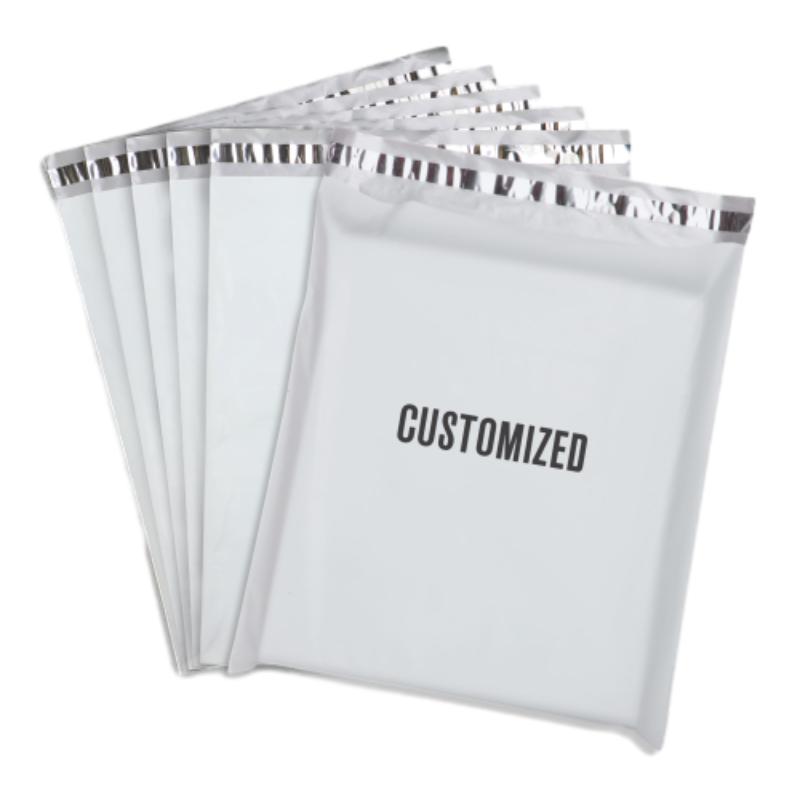
Many include self-seal adhesive strips that prevent tampering during transit. Some vendors also offer tamper-evident varieties for even more secure delivery.
Customization & Branding
Businesses often add logos or printed info, turning mailers into micro brand ambassadors — convenient, affordable marketing tools.
Table: Affordable Poly Mailer Product Specifications
| Feature | Typical Range | Benefits |
|---|---|---|
| Thickness | 1.5 – 3 mil (0.038 – 0.076 mm) | Tear resistance, flexibility |
| Material | Polyethylene (LDPE, HDPE variants) | Waterproof, lightweight |
| Closure Type | Self-adhesive strip (permanent or tamper-evident) | Easy sealing, security |
| Size Options | From 6”x9” to 24”x24” or customized | Fits small to bulky items |
| Customization | Printing, logo, color | Brand visibility |
How Affordable Poly Mailers Are Used Across the Globe
Think about the surge in e-commerce in Asia-Pacific or Latin America, regions where affordable poly mailers have become the unsung heroes of delivery networks. Their low production cost lets startups and SMEs ship in volume with minimal packaging expense.
NGOs use poly mailers extensively during humanitarian relief. For example, in post-disaster zones like after Cyclone Idai in Mozambique (2019), aid agencies shipped medical supplies, hygiene kits, and educational materials wrapped safely in poly mailers to remote communities.
Even remote industrial zones, where equipment or spare parts are shipped irregularly, benefit from these durable yet simple packaging options — ensuring that necessary gear arrives intact.
Weighing the Advantages and Long-Term Value
The real charm of affordable poly mailers lies not just in their price but in their mix of reliability and sustainability potential. As opposed to boxed packaging, they save space in storage and reduce freight weight, lowering both economic and environmental costs.
From a social standpoint, they preserve the dignity and safety of goods sent — especially important for delicate humanitarian supplies, where damaged or wet delivery could mean life or death.
Businesses also cherish how these mailers reduce waste. Many manufacturers now produce poly mailers with recycled content or new biodegradable polymers. While true zero-impact packaging is still an aspiration, poly mailers mark progress in “doing more with less.”
Emerging Trends and Future Innovations in Poly Mailing Solutions
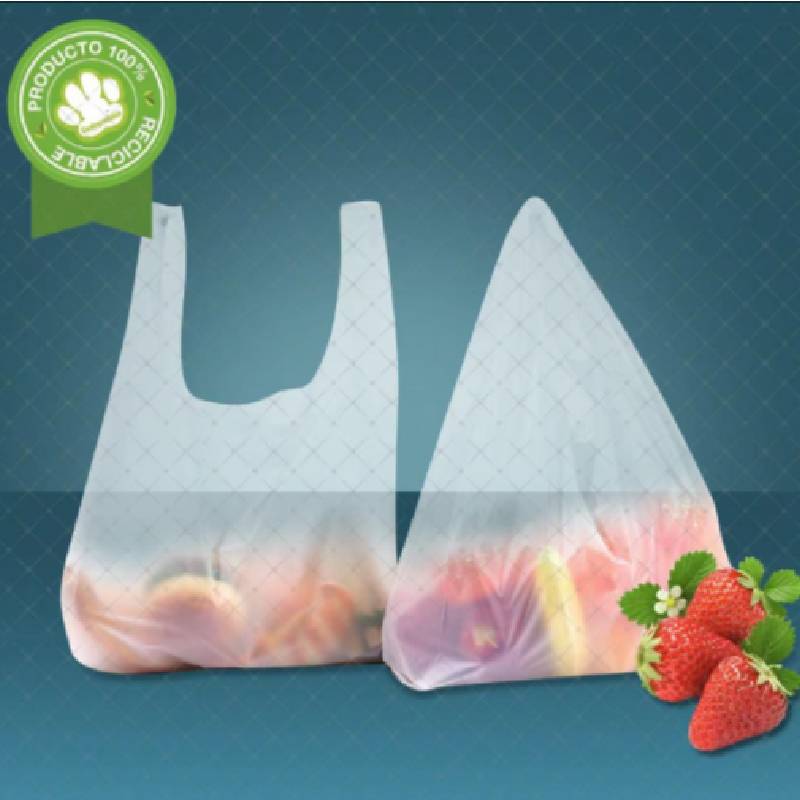
The future is definitely green. Biodegradable poly mailers made from plant-based polymers are increasingly common, cutting down the persistent problem of plastic waste choking landfills and oceans.
Digital transformation plays a role too — with embedded QR codes or NFC chips printed on mailers, brands can enhance customer interaction or track shipments in real time.
Automation in packaging lines now favors mailers because they’re faster to pack while consuming less energy during production. In fact, as carbon accounting tightens globally (ISO 14067), such efficiency gains won’t be a bonus — they’ll be mandatory.
Common Challenges and How Industry Experts Tackle Them
Despite all benefits, poly mailers face criticism regarding plastic waste and recyclability. Not all regions have robust recycling streams, so discarded mailers can contribute to pollution.
Manufacturers and NGOs collaborate on solutions: increasing collection programs, designing mailers for reuse (like self-sealing return bags), and educating end-users to properly dispose.
Durability may also fail with extremely sharp objects or very heavy items — which is why multi-layer types or padded versions exist as alternatives. Of course, the key is matching mailer type to content carefully.
Vendor Comparison: Popular Affordable Poly Mailer Providers
| Vendor | Price Range (per 100 units) | Customization Options | Sustainability Focus |
|---|---|---|---|
| Liya BioBag | $15 - $30 | Full color printing, logo, size | Uses recycled content, biodegradable options |
| EcoPack Solutions | $18 - $35 | Limited printing, standard sizes | Focuses on compostable mailers |
| Speedy Ship Co. | $12 - $25 | Basic custom logos, custom sizes | No biodegradable options yet |
FAQ: Your Questions About Affordable Poly Mailers Answered
- Q: What makes affordable poly mailers better than cardboard boxes for shipping?
- A: They weigh less, reducing postage; take up less storage; resist moisture better; and cost significantly less for bulk orders — all while providing adequate protection for non-fragile items.
- Q: Are affordable poly mailers recyclable or eco-friendly?
- A: Many poly mailers can be recycled where polyethylene recycling is available, and manufacturers increasingly offer biodegradable or recycled-content options. Proper disposal is crucial for maintaining eco-friendliness.
- Q: Can I customize poly mailers for my brand without huge cost increases?
- A: Yes, most suppliers provide affordable customization options like logo printing or color variations with moderate minimum order quantities, turning packaging into a branding tool.
- Q: How suitable are poly mailers for shipping fragile goods?
- A: For fragile items, poly mailers alone are not recommended; padded or bubble mailers provide better shock absorption. Poly mailers are best for soft, flexible, or unbreakable products.
- Q: Where can I buy quality affordable poly mailers online?
- A: Reliable vendors like Liya BioBag offer a good balance of price, quality, customization, and sustainability — worth checking out for your packaging needs.
Wrapping Up: Why Affordable Poly Mailers Matter
In a world where e-commerce and humanitarian aid are expanding rapidly, the humble affordable poly mailer quietly does its part to keep goods safe, costs down, and sustainability slowly improving. Their balance of durability, low weight, and customization options make them a packaging mainstay with a promising green future.
Interested in upgrading your shipping game? Visit our website for cost-effective, eco-conscious options that don’t compromise on quality or reliability.
References:
1. Statista, Global E-commerce Users Forecast – 2023-2027
2. United Nations Office for the Coordination of Humanitarian Affairs – Relief packaging guidelines
3. ISO 14067 – Carbon footprint of products
-
Secure Shipping Guide with Poly Mailer Bubble Wrap SolutionsNewsApr.16,2026
-
Secure Shipping Guide for Using Durable Bubble Parcel BagsNewsApr.09,2026
-
Comprehensive Guide to Poly Mailer Bubble for Secure and Efficient ShippingNewsApr.07,2026
-
Elevate Your Brand with Custom Designer Bubble Mailers for Effective PackagingNewsApr.04,2026
-
Comprehensive Guide to Poly Mailers with Bubble Wrap for Secure ShippingNewsMar.31,2026
-
Comprehensive Guide to Large Bubble Poly Mailers for Secure and Efficient ShippingNewsMar.28,2026
-
Have the freedom of customizing your custom mailers any way you want! Our dedicated packaging support will help deliver you the mailing experience you need to elevate your shipping experience to the next level! Start making a strong impression on your customers and stand out from your competitors! -
LIYA uses high quality raw materials which directly purchased from large enterprises domestic and overseas such as PetroChina, Sinopec, Sabic, Equate, ExxonMobil, Dow Chemical, Total, and Borouge, ensuring the price advantage and quality of the raw materials. -
LIYA uses high quality raw materials which directly purchased from large enterprises domestic and overseas such as PetroChina, Sinopec, Sabic, Equate, ExxonMobil, Dow Chemical, Total, and Borouge, ensuring the price advantage and quality of the raw materials.
 English
  Arabic
  China
China  French
  Korean
  Russian
  Spanish