Big Mailers: Durable, Cost-Efficient Packaging Solutions for Global Shipping
Understanding Big Mailers: Why Size and Strength Matter in Modern Packaging
Big mailers are exactly what you think they are: oversized mailing envelopes or parcels designed to carry bulky, sometimes oddly shaped items securely through postal systems or courier networks. But the reason they have garnered attention worldwide goes beyond just mailing something big. They address critical needs in global e-commerce growth, humanitarian logistics, and even industrial supply chains. When you send or receive a package that’s larger than a standard letter but not quite a box, it’s often a big mailer at work behind the scenes.
Globally, an estimated 3 billion parcels move annually through mail systems, and with growing demand for larger items shipped efficiently, big mailers are filling a niche that traditional boxes can’t always handle with the same cost-effectiveness or environmental considerations.
Big Mailers in a Global Context: Challenges and Opportunities
The global shipping and logistics landscape is changing fast. According to data from the International Organization for Standardization (ISO), over 40% of packages sent daily are non-standard sizes — which makes managing the supply chain a bit trickier. Enter big mailers: solving the problem of safely sending large but lightweight items that don’t suit bulky boxes or pallets.
Frankly, postal services and courier companies have long wrestled with balancing protection, speed, and cost. Sending large, flexible packages in rigid boxes wastes money and resources. But sacrificing protection risks damage and customer satisfaction. Big mailers create a middle ground, especially vital for industries like apparel, electronics, or humanitarian aid shipments, where fragile goods often need to be packaged quickly and economically.
What Are Big Mailers? Simple Definition and Industry Relevance
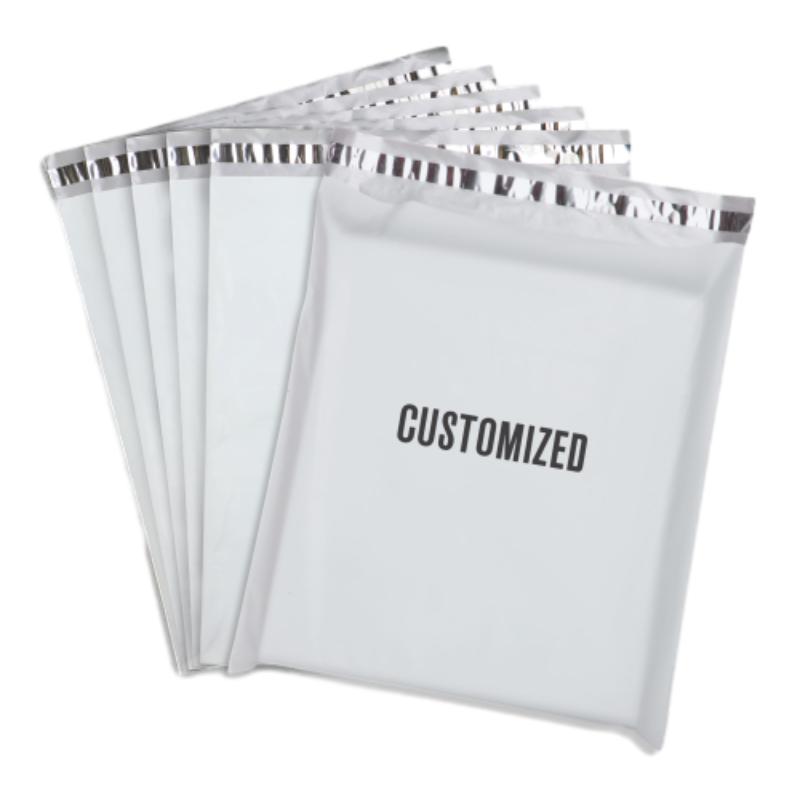
In easy terms, a big mailer is a mailing envelope or pouch larger than a standard letter-size envelope but smaller and lighter than a box or crate. They’re often made from durable materials — think high-quality kraft paper, polyethylene, or other enhanced fibers — that resist moisture, tearing, and rough handling. The idea is to protect contents while keeping size, weight, and costs down.
Think of a big mailer as your go-to solution when sending: large documents that can’t fold, flat electronics like tablets, or even soft goods like clothing without crumpling. Modern supply chains, especially in fast-moving industries or remote locations, rely heavily on such flexible packaging to maintain efficiency and trust.
Core Characteristics That Define Effective Big Mailers
Durability and Protection
Nothing’s worse than opening a shredded or soggy mailer. Many manufacturers boost durability with tear-resistant coatings or reinforced seams — sometimes adding water resistance, a game-changer in unpredictable transport conditions. This kind of toughness helps ensure goods arrive in perfect shape, maintaining brand reputation and customer trust.
Scalability and Size Variations
Big mailers come in various sizes, from just slightly bigger than A4 paper to massive envelopes that can hold flat-screen TVs or large-scale product samples. This scalability allows industries to customize packaging to their exact needs, optimizing shipping costs — because, frankly, you don’t want to pay for empty air or unneeded excess materials.
Cost Efficiency: Balancing Quality with Expense
Rigid boxes often mean higher shipping fees due to volume and weight. In contrast, big mailers optimize weight and size for lower freight charges without compromising safety. For businesses shipping thousands or millions of packages annually, the savings add up quickly, especially with options for recyclable or biodegradable materials.
Environmental Sustainability
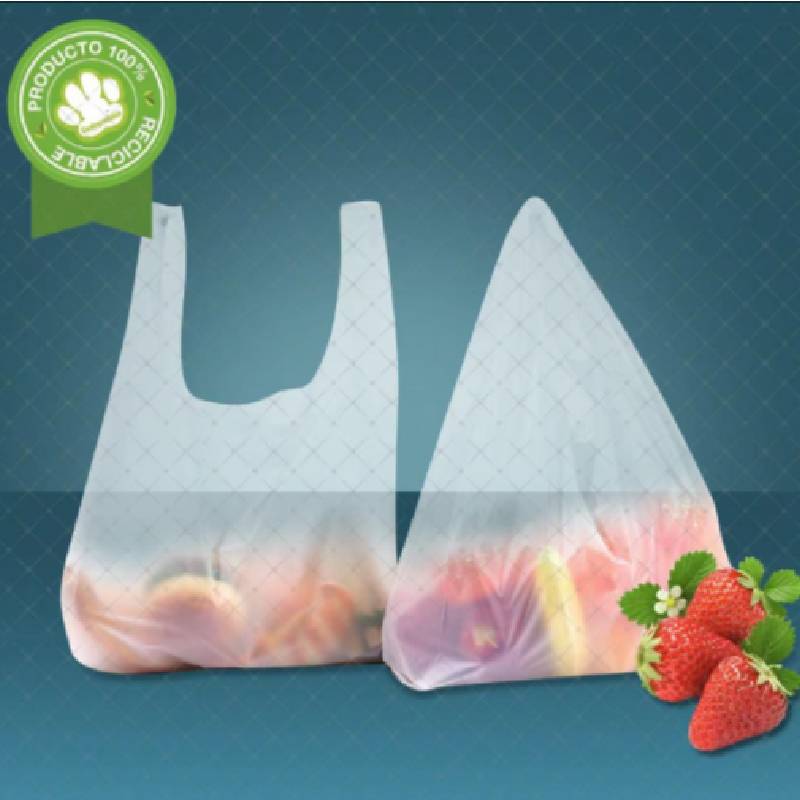
More customers ask about eco-friendly packaging. Fortunately, big mailers have evolved in this area, with many options made from recycled materials or designed for easy recycling, fulfilling both regulatory guidelines and corporate social responsibility goals. This provides an emotional plus — customers feel better buying from greener brands, which, in real terms, translates into loyalty.
Where Big Mailers Make an Impact: Real-World Applications
These solutions aren’t just for your everyday online shopping finds. Take, for example:
- Humanitarian Aid: NGOs often pack crucial supplies like medical kits, hygiene products, or documents for disaster zones. Big mailers allow them to ship bulky but light items quickly and cost-effectively.
- Remote Industry Zones: In mining, oil, or construction, sending spare parts isn’t always straightforward. Big mailers can safely send fragile filters or electronic components without cumbersome crates.
- Fashion and Retail: Many brands prefer big mailers for shipping items like scarves or delicate accessories to customers worldwide — all while reducing packaging waste.
Oddly enough, the utility of these mailers spans almost every market, largely because of their adaptability and ease of use.
The Long-Term Benefits: Why Businesses and Customers Both Win
Costs drop, sure, but benefits go beyond dollars:
- Reliability: With the right mailer, shipments endure rough handling, unpredictable weather, and long trips.
- Safety and Dignity: Sending medical or personal goods wrapped securely respects recipients, especially in international aid.
- Brand Image: Using attractive, sturdy packaging sends a silent but powerful message about professionalism and care.
In fact, many engineers from shipping and packaging sectors note that a well-chosen mailer actively reduces return rates and customer complaints, providing measurable gains.
Looking Ahead: Innovations Shaping the Future of Big Mailers
The packaging industry never really stands still, and big mailers are no exception. Innovations to watch include:
- Smart Materials: Think self-healing polymers or coatings detecting tampering.
- Digital Integration: QR codes and RFID tags that improve tracking and inventory management.
- Sustainability Efforts: Plant-based plastics and zero-waste manufacturing processes.
It’s a mix of tech and ecology that promises to redefine packaging in the next decade.
Challenges Today and How Experts Are Tackling Them
Despite the benefits, big mailers face hurdles like:
- Size Restrictions: Postal systems vary globally; oversized mailers risk delays or extra fees.
- Security Concerns: Softer envelopes are easier to tamper with, so anti-theft features are becoming more crucial.
- Recycling Infrastructure: Not every region can recycle composite mailers easily.
To address these, companies are focusing on universal sizing standards, tamper-evident seals, and biodegradable composites — and frankly, logistics firms must stay nimble to adopt new regulations fast.
Product Specification Table: Popular Big Mailer Models
| Model | Dimensions (inches) | Material | Weight Capacity | Water Resistance | Eco Rating |
|---|---|---|---|---|---|
| SealSafe XL | 14 x 20 | Polyethylene (tear-resistant) | Up to 10 lbs | High | B+ |
| EcoWrap Pro | 16 x 24 | Recycled Kraft Paper, coated | Up to 12 lbs | Moderate | A |
| FlexiGuard Large | 18 x 22 | Composite Fibers + Poly | Up to 15 lbs | Very High | B |
Vendor Comparison: Big Mailer Suppliers
| Vendor | Product Range | Customization | Minimum Order | Price per Unit (Estimate) | Sustainability Focus |
|---|---|---|---|---|---|
| PackSure Co. | Small to XXL mailers | Logo & size | 500 units | $0.90 - $1.50 | Moderate (some recycled content) |
| GreenWrap Solutions | Eco-friendly mailers, midsize only | Full customization | 1000 units | $1.20 - $1.80 | High (100% recycled & compostable) |
| FastShip Packaging | Varied sizes, focus on high durability | Size only | 250 units | $0.80 - $1.40 | Low (focus on synthetic fiber) |
FAQs About Big Mailers
What types of products are best shipped in big mailers?
Big mailers are ideal for items that are large but lightweight and don’t require rigid protection—examples include clothing, books, flat electronics like tablets, and important documents. They’re also popular for shipping promotional materials and humanitarian supplies where speed and cost are crucial.
How do big mailers save money compared to boxes?
Because they’re lighter and more flexible, big mailers typically reduce shipping costs related to weight and dimensional pricing. They also cut down on packaging material expenses and storage space needs, which is especially important for businesses shipping high volumes.
Are big mailers environmentally friendly?
Many modern big mailers incorporate recycled materials and biodegradable coatings. However, the eco-friendliness depends on the producer and material combination, so it's worth checking for certifications or recycling instructions — which some vendors, like big mailers specialists, emphasize strongly.
Can big mailers be reused or recycled?
Yes, provided they’re made from recyclable or compostable materials. Certain polyethylene mailers are recyclable at specialized centers, and some kraft paper mailers can be composted. Reusable mailers exist too but are less common in large-scale logistics.
How do I choose the right size big mailer?
Consider the product dimensions plus a little padding for protection. Vendors often provide size charts—measuring your product accurately is key to avoid surplus space (which raises shipping cost) or too tight a fit (which risks damage).
Wrapping Up: Big Mailers as a Long-Term Game-Changer
At the crossroads of cost-effectiveness, durability, and sustainability, big mailers stand out as a quietly powerful tool in global logistics today. They provide businesses with an adaptable packaging option that meets changing consumer expectations and regulatory environments. Whether for retail, industrial parts, or vital humanitarian shipments, big mailers help balance protection with economy — all while keeping carbon footprints in check.
To explore a wide range of modern options and sustainability-certified big mailers, visit our website: big mailers. Trust me, the right packaging makes all the difference.
Quick Takeaway
Big mailers are not just oversized envelopes; they are essential enablers of modern, efficient, and sustainable shipping — the kind that keeps everything moving and everyone happy.
References
-
Secure Shipping Guide with Poly Mailer Bubble Wrap SolutionsNewsApr.16,2026
-
Secure Shipping Guide for Using Durable Bubble Parcel BagsNewsApr.09,2026
-
Comprehensive Guide to Poly Mailer Bubble for Secure and Efficient ShippingNewsApr.07,2026
-
Elevate Your Brand with Custom Designer Bubble Mailers for Effective PackagingNewsApr.04,2026
-
Comprehensive Guide to Poly Mailers with Bubble Wrap for Secure ShippingNewsMar.31,2026
-
Comprehensive Guide to Large Bubble Poly Mailers for Secure and Efficient ShippingNewsMar.28,2026
-
Have the freedom of customizing your custom mailers any way you want! Our dedicated packaging support will help deliver you the mailing experience you need to elevate your shipping experience to the next level! Start making a strong impression on your customers and stand out from your competitors! -
LIYA uses high quality raw materials which directly purchased from large enterprises domestic and overseas such as PetroChina, Sinopec, Sabic, Equate, ExxonMobil, Dow Chemical, Total, and Borouge, ensuring the price advantage and quality of the raw materials. -
LIYA uses high quality raw materials which directly purchased from large enterprises domestic and overseas such as PetroChina, Sinopec, Sabic, Equate, ExxonMobil, Dow Chemical, Total, and Borouge, ensuring the price advantage and quality of the raw materials.
 English
  Arabic
  China
China  French
  Korean
  Russian
  Spanish