Colored Shipping Bags – Durable, Sustainable, and Customizable Solutions for Global Logistics
Understanding Colored Shipping Bags and Their Global Impact
Let's start with the basics: colored shipping bags, those simple, yet incredibly effective solutions that protect and transport goods worldwide, are quite a game changer. They're not just packaging; they’re part of a bigger story about efficiency, safety, and even humanitarian aid on a global scale. But why do these seemingly mundane plastic or composite bags deserve our attention?
Well, as global trade expands and supply chains get more complex, the need for reliable, identifiable, and durable shipping materials grows. Colored shipping bags answer these demands by offering visibility and protection. Beyond just slick aesthetics, these bags help reduce loss, improve sorting, and sometimes even promote sustainability efforts. Understanding them translates into smarter logistics, less waste, and better service — benefits that ripple across industries and borders.
The World Stage: Why Colored Shipping Bags Matter
On a global level, colored shipping bags play a subtle but crucial role. Consider these facts:
- According to the United Nations statistics, over 80% of global merchandise trade is containerized, relying heavily on packaging solutions.
- The World Bank reports that logistics costs can be as high as 30% of product price in developing countries, where packaging efficiency can trim expenses significantly.
- ISO standards on packaging (ISO 18601–18606 series) emphasize the importance of product protection and traceability — where colored bags fit in perfectly.
That said, the challenge remains: How do you create packaging that is affordable, environmentally sound, easy to use, and visually distinctive in a world racing towards automation and fast deliveries? Colored bags offer a neat answer by merging these needs into a versatile product.
What Are Colored Shipping Bags, Anyway?
Put simply, colored shipping bags are specially designed bags made from plastic or bio-materials, colored either during manufacturing or by coating, used primarily to package and transport goods. Their coloration is no accident—it’s strategic.
The vibrant hues serve multiple purposes: color-coding inventory, signaling contents or shipment priority, or even branding. In industries from food to electronics, these colored shipping bags make identification easier, speeding up processing and reducing errors. Oddly enough, they're like silent helpers in warehouses and distribution centers, letting workers glance and know exactly what’s inside without breaking the seal.
Beyond commerce, humanitarian organizations rely on these colored bags to organize disaster relief supplies, helping volunteers quickly find what they need in chaotic environments.
Core Components That Make Colored Shipping Bags Stand Out
Durability
Color aside, strength is king. Most bags are constructed with materials like polyethylene or biodegradable polymers fortified for tear resistance, moisture protection, and UV stability. You want your goods intact, no matter the journey.
Visibility and Identification
Bright colors cut through logistical clutter, whether it’s red for urgent medical supplies or blue for fragile items. This visual cue saves time and reduces mix-ups.
Cost Efficiency
While enhanced features add cost, many manufacturers balance affordability by using recycled materials or optimized production methods. This allows companies to scale and adopt without huge price hits.
Customizability
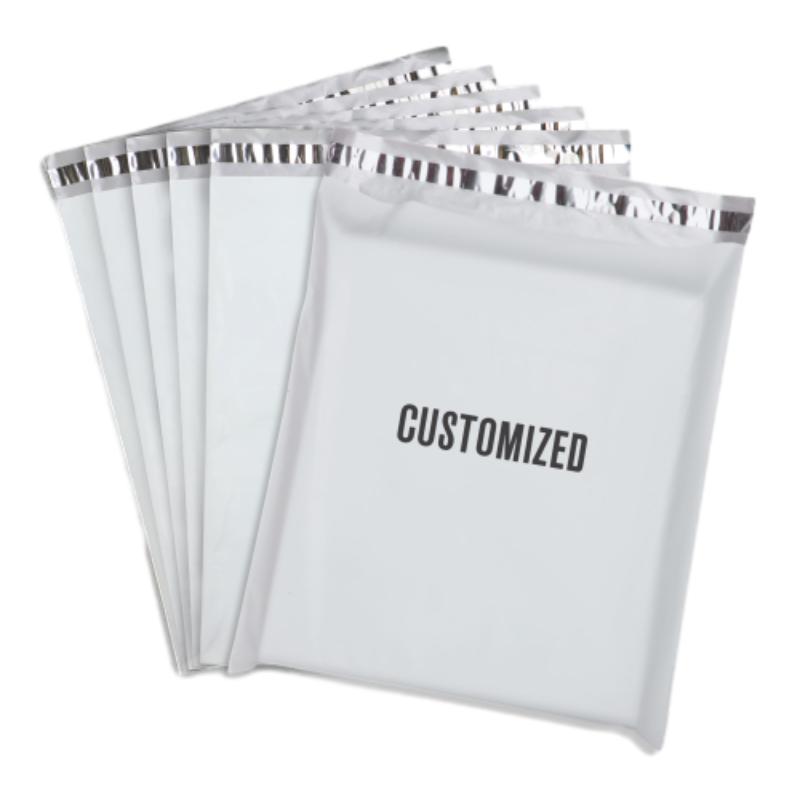
Brands often request specific colors, sizes, or printed logos. Some even prefer bags with transparent strips or QR code placements for better tracking.
Environmental Considerations
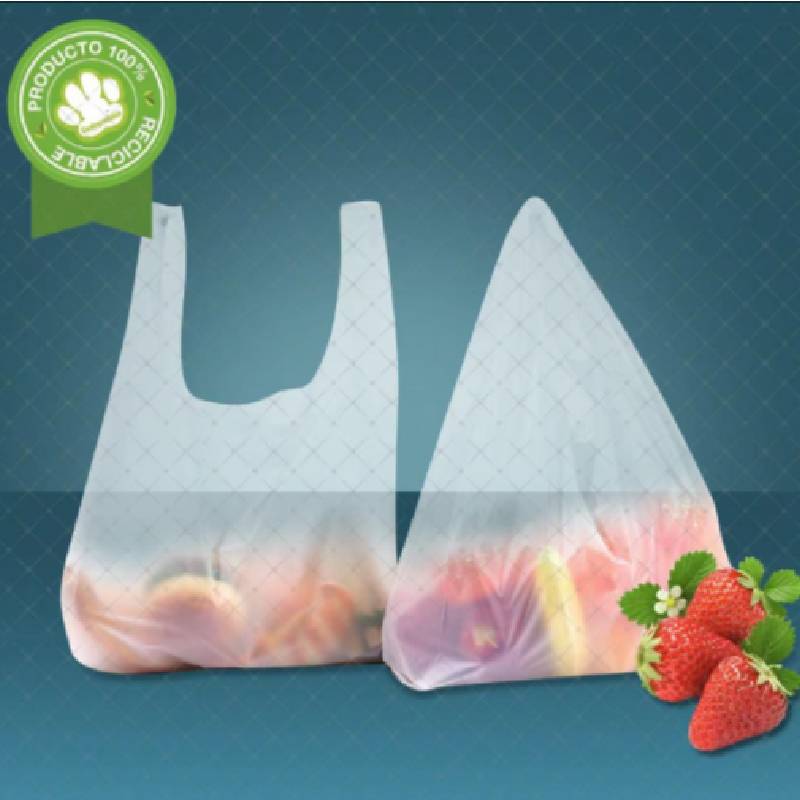
With global pressure on reducing plastic waste, many colored shipping bags now come in biodegradable or recyclable forms, meeting sustainability goals without sacrificing performance.
Compliance & Standards
ANSI, ISO, and other bodies outline packaging specs to ensure safety and consistency. Colored shipping bags are designed to align with these, providing peace of mind to shippers and receivers alike.
Real-World Uses of Colored Shipping Bags
These bags aren’t just for factories tucked away in industrial parks; they thrive across continents and contexts:
- Post-Disaster Relief: For example, after the 2010 Haiti earthquake, NGOs used color-coded bags to sort medical supplies and food parcels, streamlining distribution in a chaotic environment.
- Remote Industrial Zones: Mining and oil operations in harsh climates benefit from durable bags that protect tools and samples and are color-coded for easy inventory.
- E-commerce and Retail: In the whirlwind of online orders, these bags help warehouses speed packing and sorting, with colors signaling priority shipping or product categories.
- Food Industry: Foods require strict handling—bags in different colors can identify allergen-free products or organic items, aiding compliance and safety.
Mini Takeaway:
Colored shipping bags shine by being flexible for many needs—from fragile electronics to lifesaving medicines—often quietly improving operations behind the scenes.
Product Specification Table — Popular Colored Shipping Bags
| Specification | Standard Polyethylene | Biodegradable Variant | Customized Printed Bag |
|---|---|---|---|
| Material | Low-Density Polyethylene (LDPE) | PLA-based polymers | LDPE + ink printing |
| Thickness | 50 microns | 45 microns | 50 microns |
| Color Options | Red, Blue, Yellow, Green | Limited: Blue, Green | Any custom color |
| Water Resistance | High | Moderate | High |
| Biodegradable | No | Yes | Depends on inks |
How Different Vendors Stack Up
| Vendor | Customization | Sustainability Focus | Global Shipping | Price Range (per 1000 units) |
|---|---|---|---|---|
| Liya Biobag | Full range, including logos | High (biodegradable options) | Worldwide | $250 - $400 |
| EuroPack Solutions | Limited to standard colors | Medium (some recycled materials) | Europe & Asia | $230 - $350 |
| Pacific Green Packaging | Custom colors only | Very high (100% compostable) | North America & Australia | $300 - $450 |
Advantages and Enduring Value of Colored Shipping Bags
When you unpack the advantages, it’s more than just a colorful wrapper:
- Cost Savings: Clear coding reduces mistakes and returns, saving time and money.
- Sustainability: Many bags now boast eco-friendly materials, lessening environmental impact.
- Safety and Integrity: Durable materials safeguard sensitive products during long hauls.
- Branding and Trust: Customized bags send a subtle message about professionalism and care.
- Social Impact: Simplifies humanitarian aid logistics, respecting recipients’ dignity by clear labeling.
Frankly, colored shipping bags blend emotional reassurance with hard economic sense — a rare combo in packaging.
Emerging Trends & Innovations
The future is nudging colored shipping bags towards smarter tech and greener footprints:
- Interactive Packaging: Integration with QR codes for real-time tracking or anti-counterfeit measures.
- Advanced Materials: Innovations like nano-coatings that repel water or self-repair small tears.
- Digital Color Code Systems: Algorithms picking optimal colors to standardize cross-industry logistics automation.
- Renewable Bio-polymers: A push for fully biodegradable, compostable bags aligned with circular economy policies.
Challenges and Creative Solutions
No product is perfect, and colored shipping bags face hurdles:
- Environmental Concerns: Plastic waste is a global issue, pushing development for better biodegradable options.
- Cost Pressures: Eco-friendly coatings and custom colors can spike prices beyond budgets.
- Durability vs. Biodegradability: Toughness sometimes conflicts with compostability.
Yet vendors innovate. Some use recycled plastics combined with plant-based additives. Others design reuse-friendly bags, or focus on minimalistic printing to reduce eco-footprint. Collaboration between material scientists and manufacturers is the secret sauce here.
Frequently Asked Questions About Colored Shipping Bags
- Q1: How long do colored shipping bags last during transport?
- A: Typically, standard colored polyethylene bags maintain integrity for several weeks under normal conditions. Biodegradable options might have shorter shelf-life (months) but are engineered for typical shipment durations.
- Q2: Can colored bags be recycled like regular plastic?
- A: Yes, many colored bags made from polyethylene can be recycled if cleaned properly, but colored plastics sometimes require specialized sorting. Biodegradable bags should be composted instead of recycled.
- Q3: Are there regulations on colors used for shipping hazardous materials?
- A: Absolutely. Dangerous goods follow strict color coding per international regulations (like the UN’s Orange Book). Using wrong colors can cause serious compliance issues.
- Q4: Can I get bespoke colors or printing on my bags?
- A: Most suppliers, including colored shipping bags providers, offer customization in colors and logos to align with your brand identity or operational needs, usually at a moderate additional cost.
- Q5: How does color help in humanitarian supply chains?
- A: Color coding in relief supplies helps quickly identify contents and priority, ensuring aid reaches the right hands efficiently and respectfully, even in high-pressure situations.
Wrapping It Up: Why Colored Shipping Bags Still Matter
In the grand scheme, colored shipping bags are quiet enablers that keep global commerce and aid moving smoothly. Their mix of durability, adaptability, and visual cues tackle real challenges across industries. As materials and tech evolve, they promise to get smarter, greener, and even more useful.
Searching for reliable, customizable options? Consider checking out colored shipping bags — a provider blending sustainability with innovation to meet tomorrow’s logistics needs today.
References
-
Secure Shipping Guide with Poly Mailer Bubble Wrap SolutionsNewsApr.16,2026
-
Secure Shipping Guide for Using Durable Bubble Parcel BagsNewsApr.09,2026
-
Comprehensive Guide to Poly Mailer Bubble for Secure and Efficient ShippingNewsApr.07,2026
-
Elevate Your Brand with Custom Designer Bubble Mailers for Effective PackagingNewsApr.04,2026
-
Comprehensive Guide to Poly Mailers with Bubble Wrap for Secure ShippingNewsMar.31,2026
-
Comprehensive Guide to Large Bubble Poly Mailers for Secure and Efficient ShippingNewsMar.28,2026
-
Have the freedom of customizing your custom mailers any way you want! Our dedicated packaging support will help deliver you the mailing experience you need to elevate your shipping experience to the next level! Start making a strong impression on your customers and stand out from your competitors! -
LIYA uses high quality raw materials which directly purchased from large enterprises domestic and overseas such as PetroChina, Sinopec, Sabic, Equate, ExxonMobil, Dow Chemical, Total, and Borouge, ensuring the price advantage and quality of the raw materials. -
LIYA uses high quality raw materials which directly purchased from large enterprises domestic and overseas such as PetroChina, Sinopec, Sabic, Equate, ExxonMobil, Dow Chemical, Total, and Borouge, ensuring the price advantage and quality of the raw materials.
 English
  Arabic
  China
China  French
  Korean
  Russian
  Spanish