Durable and Eco-Friendly Polythene Postage Bags for Secure Shipping
Understanding Polythene Postage Bags: A Global Essential
In the realm of packaging and shipping, something as seemingly ordinary as polythene postage bags plays a surprisingly important role. These lightweight, durable envelopes are a silent workhorse of commerce, humanitarian aid, and postal services worldwide. But why do they matter so much? Well, their resilience, cost-effectiveness, and adaptability mean that communities, companies, and governments can move goods swiftly and safely, even under challenging conditions. Grasping the nuances of these humble bags opens a window into larger conversations about supply chain efficiency, environmental impact, and innovation in packaging technology.
Global Importance and Industry Context
The global market for polythene postage bags has seen steady growth, with production volumes reaching tens of billions annually according to ISO standards monitoring industry trends. Polythene, being a type of polyethylene plastic, is favored for its balance of strength and flexibility. The UN’s recent Sustainable Development Goals also hint at the need for sustainable packaging, pushing manufacturers to explore recyclable and biodegradable variants of these bags.
On the surface, polythene postage bags address a relatively simple problem: shipping items securely without adding excessive costs or weight. But zooming out, they are part of a global logistics puzzle—especially relevant given the surge in e-commerce and postal deliveries worldwide. However, challenges remain, such as environmental concerns related to plastic waste, which have triggered innovations that aim to make these bags both effective and eco-friendly.
What Exactly Are Polythene Postage Bags?
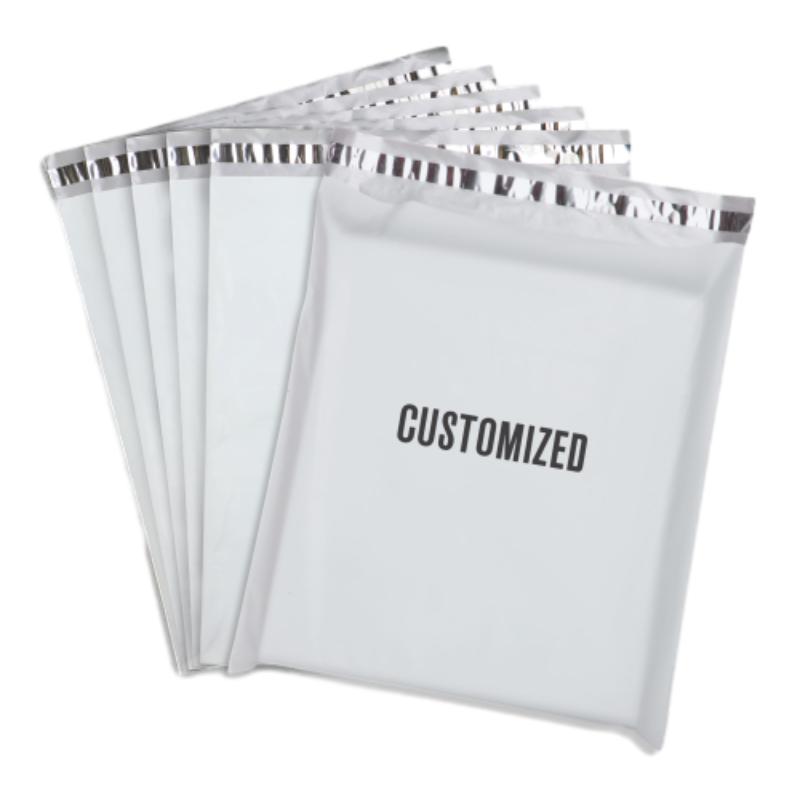
Simply put, polythene postage bags are sealed plastic envelopes designed to protect items during mail or parcel transit. They're usually made from low-density polyethylene (LDPE) or sometimes linear low-density polyethylene (LLDPE). Their ability to resist tears, moisture, and dirt makes them ideal for protecting documents, clothing, or small goods.
Beyond commercial logistics, these bags find use in humanitarian contexts — think rapid distribution of aid materials in disaster zones or protection of sensitive documents in remote areas. Their light weight means they don’t add shipping costs, while the security features (like tamper-evident strips) ensure contents arrive intact. It's quite remarkable how such simple tech underpins so much of modern commerce and aid.
Core Components and Key Factors
Durability
One of the most prized qualities of polythene postage bags is their resistance to various forms of wear and tear. Stretchable yet tough, they can withstand rough handling, rain, and dirt without compromising their contents.
Cost Efficiency
Compared to other packaging types, these bags are inexpensive to manufacture and ship, which makes them a favored option for businesses ranging from startups to industrial giants. Plus, their lightweight nature lowers transport expenses significantly.
Security Features
Many bags come with tamper-evident seals that immediately alert recipients to any unauthorized opening attempts. This boosts consumer trust, crucial for sectors like e-commerce and confidential document sending.
Environmental Impact
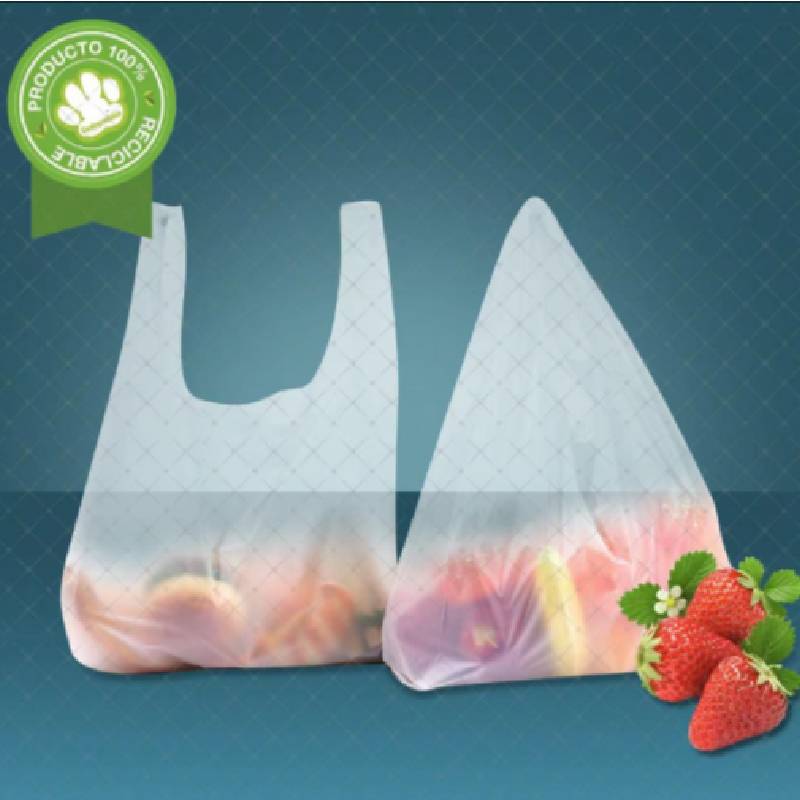
While polythene is a plastic and thus faces criticism, manufacturers are responding with recycled-content bags and biodegradable options. The sustainability angle is now a core part of product development strategies.
Customization and Scalability
Businesses can easily customize bag sizes, print logos, or add serialized tracking codes, thus scaling use according to specific needs. This adaptability means the bags aren’t a one-size-fits-all but integrate flexibly into diverse supply chains.
Product Specification Table: Typical Polythene Postage Bag
| Feature | Specification |
|---|---|
| Material | LDPE or LLDPE (Polyethylene) |
| Thickness | 40-75 microns (customizable) |
| Sizes | Various (A4 to large parcels) |
| Closure | Self-adhesive tamper-evident strip |
| Color | Opaque white, black, transparent, or customized |
| Recyclability | Depending on material and local facilities |
Global Applications and Use Cases
Polythene postage bags show up everywhere, quite literally. From bustling cities shipping thousands of e-commerce parcels daily to remote post offices in developing countries, their use cases are remarkably diverse:
- Disaster Relief: After natural disasters, NGOs depend on these bags to distribute documents, small medical supplies, and important items securely and rapidly.
- Industrial Zones: In remote industrial operations, such as mining camps or offshore platforms, polythene postage bags help protect spare parts manuals or critical documents from harsh weather.
- Retail & eCommerce: Retailers large and small use them for protective packaging, reducing return rates due to parcel damage.
- Government and Postal Services: Secure communication of sensitive forms and ballots often relies on tamper-evident postage bags.
Oddly enough, their versatility makes them almost indispensable no matter the locality - from the Amazon rainforest to urban hubs in Europe or Asia.
Advantages and Long-Term Value
In many ways, these bags blend emotional and practical benefits. There's safety — sending a birthday gift or important documents feels far less nerve-wracking when you know the packaging is reliable. Then, there’s dignity; products or aid arriving in better condition reflect respect for recipients.
Tangible advantages include:
- Lower shipping weights and costs
- Resistance to moisture and contamination
- Easy disposal or recycling (depending on material)
- Enhancement of brand identity through customized printing
- Tamper-evident security features boosting customer confidence
Looking Forward: Trends & Innovations in Polythene Postage Bags
Sustainability is the buzzword that’s shaping this space the most. Manufacturers are moving toward bio-based polyethylene, making bags from sugarcane derivatives, or incorporating recycled plastics. Some logistics companies are trialing RFID-enabled bags to track shipment status digitally, which reduces loss and theft.
With climate-conscious policies ramping up globally, expect to see growing market pressure for compostable alternatives or even entirely new materials that can mimic the reliability of polythene without the environmental baggage. Automation in production and digital supply chain integration will also accelerate customization at scale, making these bags smarter and more adaptive.
Common Challenges and Practical Solutions
No solution is perfect — polythene postage bags’ biggest criticism is environmental impact, especially in regions lacking robust recycling infrastructure. However, industry leaders suggest a few promising approaches:
- Material Innovation: Moving from virgin plastics to recycled polymers or blends reduces the carbon footprint significantly.
- Collection Programs: Partnering with municipalities to collect and recycle used bags improves circularity.
- Design for Disassembly: Creating bags easier to shred and recycle encourages reuse.
These ideas are still evolving, and frankly, the puzzle isn’t solved yet. But the commitment from big players feels encouraging.
Vendor Comparison: Leading Polythene Postage Bag Manufacturers
| Vendor | Customization Options | Eco-Friendly Range | Delivery Speed (Avg.) | Typical Markets Served |
|---|---|---|---|---|
| Liya BioBag Co. | Size, print, color, thickness | Yes, biodegradable and recycled options | 7-10 days | Ecommerce, NGO, government |
| PolySafe Packaging | Limited print; sizes standard | Recyclable only | 5-7 days | Retail, postal services |
| EnviroPack Solutions | Fully customizable | Focus on compostable films | 10-14 days | Healthcare, luxury brands |
Frequently Asked Questions About Polythene Postage Bags
1. Are polythene postage bags recyclable?
Most polythene postage bags made from LDPE are recyclable in specialized facilities. However, local collection systems and recycling capabilities vary widely, so always check your area’s guidelines. Eco-friendly options are becoming increasingly common, including biodegradable or compostable bags.
2. What size options are available for these postage bags?
Sizes can range from small bags for documents (around A4 size) up to large pouches suitable for garments or bulkier items. Many suppliers offer custom sizes tailored to specific shipping needs.
3. Can polythene postage bags include security features?
Yes, many bags have tamper-evident seals that clearly show if the bag has been opened. This is essential for secure shipping in e-commerce, government, or confidential document handling.
4. How do polythene postage bags impact shipping costs?
Since these bags are lightweight and durable, they reduce both the weight and volume of packages, which often leads to lower shipping fees. Their cost-effectiveness is why they're so popular across industries.
5. Are biodegradable postage bags as reliable as traditional polythene ones?
Biodegradable bags have improved but sometimes lag behind in toughness or moisture resistance. Depending on the use case, they can be a great sustainable alternative, but it’s wise to test for specific shipping conditions first.
Wrapping Up: Why Polythene Postage Bags Still Matter
In a rapidly evolving market, polythene postage bags remain a staple due to their blend of affordability, security, and adaptability. They serve a surprisingly wide range of industries and help keep supply chains running smoothly — from global logistics to grassroots humanitarian efforts.
If you're looking to upgrade your packaging or explore eco-friendly options, don’t overlook the humble polythene postage bag. For tailored solutions and reliable production, visit our website: https://www.liyabiobag.com.
Mini Takeaways:
- Polythene postage bags are key to safe, cost-effective shipping worldwide.
- Innovation is steering the bag industry toward greener, smarter choices.
- Customization and security features support diverse global needs.
References
-
Secure Shipping Guide with Poly Mailer Bubble Wrap SolutionsNewsApr.16,2026
-
Secure Shipping Guide for Using Durable Bubble Parcel BagsNewsApr.09,2026
-
Comprehensive Guide to Poly Mailer Bubble for Secure and Efficient ShippingNewsApr.07,2026
-
Elevate Your Brand with Custom Designer Bubble Mailers for Effective PackagingNewsApr.04,2026
-
Comprehensive Guide to Poly Mailers with Bubble Wrap for Secure ShippingNewsMar.31,2026
-
Comprehensive Guide to Large Bubble Poly Mailers for Secure and Efficient ShippingNewsMar.28,2026
-
Have the freedom of customizing your custom mailers any way you want! Our dedicated packaging support will help deliver you the mailing experience you need to elevate your shipping experience to the next level! Start making a strong impression on your customers and stand out from your competitors! -
LIYA uses high quality raw materials which directly purchased from large enterprises domestic and overseas such as PetroChina, Sinopec, Sabic, Equate, ExxonMobil, Dow Chemical, Total, and Borouge, ensuring the price advantage and quality of the raw materials. -
LIYA uses high quality raw materials which directly purchased from large enterprises domestic and overseas such as PetroChina, Sinopec, Sabic, Equate, ExxonMobil, Dow Chemical, Total, and Borouge, ensuring the price advantage and quality of the raw materials.
 English
  Arabic
  China
China  French
  Korean
  Russian
  Spanish