Everything About Flexible Poly Mailers – Sustainable, Cost-Effective Shipping Solutions
The Quiet Power of Flexible Poly Mailers in a Connected World
In the vast symphony of global packaging solutions, flexible poly mailers might not sound like the loudest trumpets — but they certainly hold a solo worth hearing. These lightweight, durable, and cost-effective mailing bags have woven themselves deeply into supply chains around the world, quietly transforming e-commerce, humanitarian relief, and industrial logistics alike. Why? Because as the digital economy booms and global commerce surges, shipping efficiency and product protection become more than logistics buzzwords — they are critical. Understanding flexible poly mailers unlocks insights into how economies move goods smarter, faster, and often, greener.
Why Flexible Poly Mailers Matter: A Global Packaging Perspective
Globally, the volume of shipped parcels is staggering — the International Post Corporation reported over 140 billion parcels sent worldwide in 2023 alone. As more consumers embrace online shopping, packaging materials must keep pace without weighing down delivery costs or increasing waste. Flexible poly mailers have emerged as a go-to solution because they address several urgent challenges:
- Reducing shipping weight: These mailers cut down on parcel weight by up to 70% compared to rigid boxes, lowering fuel consumption and emissions during transport.
- Cost efficiency: The production cost is typically 40% lower than that of corrugated alternatives, a boon for small and large businesses alike.
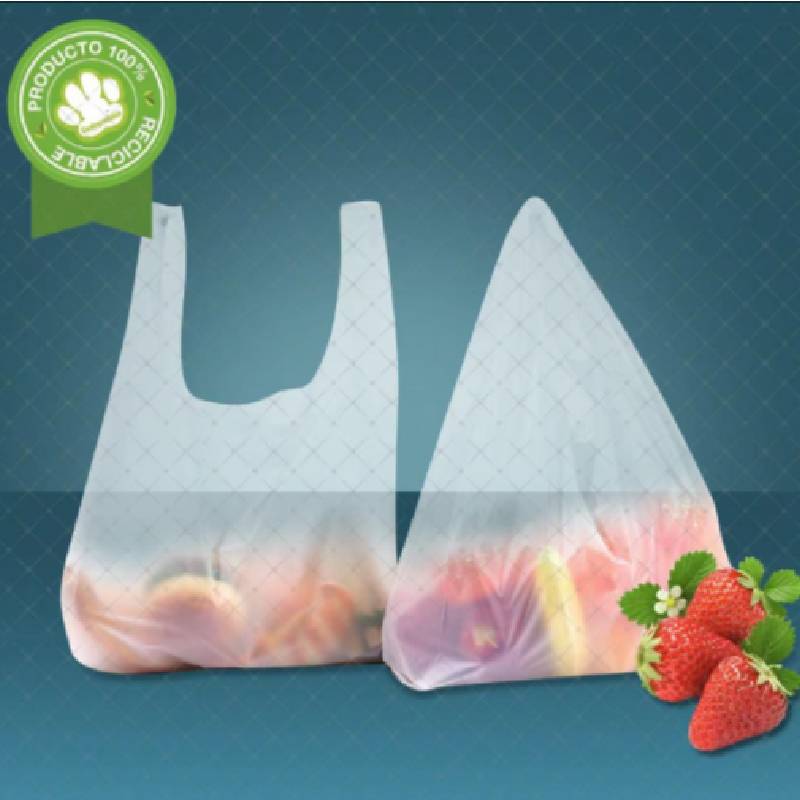
- Waste management: Their often recyclable design and minimal material footprint support evolving environmental standards.
Yet challenges linger, such as concerns over plastic waste and durability under extreme conditions. These concerns drive ongoing innovation in materials and policy frameworks worldwide — the UN Environment Programme’s recent push for sustainable packaging standards is one example.
Mini Takeaway: Flexible poly mailers are more than just packaging — they're critical players in the sustainability and efficiency puzzle facing global trade today.
What Exactly Are Flexible Poly Mailers?
In the simplest terms, flexible poly mailers are plastic shipping envelopes made primarily from polyethylene film. Unlike bulky cardboard boxes, they are lightweight, stretchable yet tough, and designed specifically to protect non-fragile goods during transit. Their flexibility means they can conform to oddly shaped items, reducing wasted space in shipping containers.
This makes them indispensable not only in industries selling apparel, accessories, or small electronics but also in humanitarian sectors where fast, secure distribution of aid items can make all the difference.
Key Features You Should Know
Durability
Most flexible poly mailers are resistant to tears, punctures, and moisture. They have enhanced barrier qualities that protect contents against dirt and light rain, making them ideal for both urban delivery and unpredictable rural settings.
Scalability
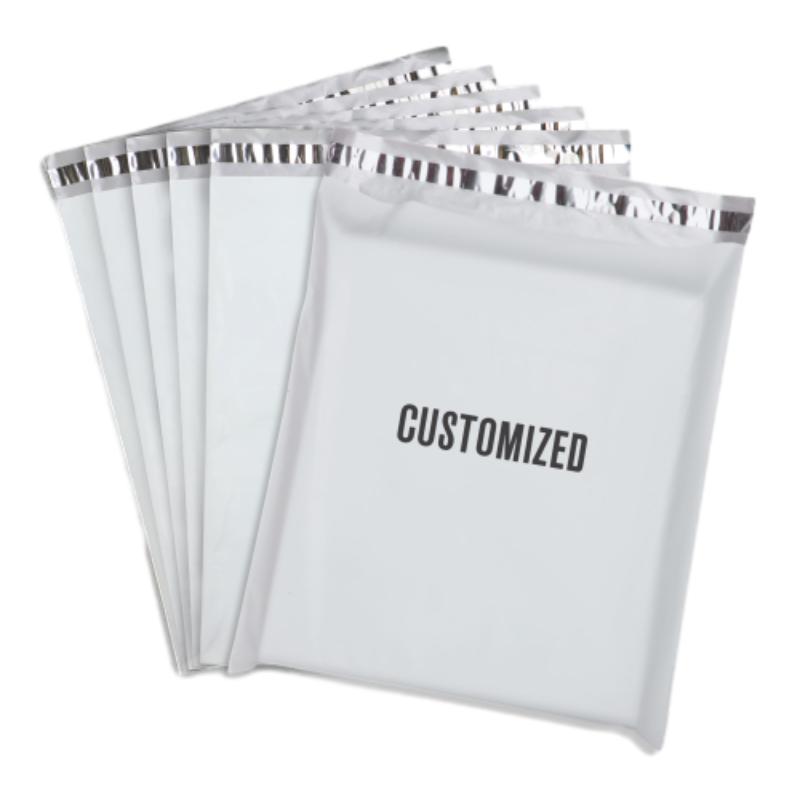
These mailers come in numerous sizes, colors, and thicknesses, making them adaptable to small startups or multinational operations. You can find anything from 6x9 inches to 24x30 inches or larger, often customizable with logos or branding.
Cost Efficiency
Compared to rigid packaging, poly mailers reduce manufacturing and shipping costs substantially. Their minimal storage footprint also lowers warehouse expenses, which is a hidden but significant saving.
Environmental Potential
Though made from plastic, many flexible poly mailers are recyclable or even manufactured using biodegradable materials. Innovations such as compostable films and post-consumer recycled content are accelerating in this niche.
Convenience & Security
The self-sealing peel-and-stick adhesive strips, tamper-evident designs, and lightweight construction all combine to streamline packing and protect products across the shipping journey.
Mini Takeaway: When you break it down, flexible poly mailers shine because they balance practicality, protection, and evolving sustainability standards.
Flexible Poly Mailers in Action: Global Use Cases
Around the globe, flexible poly mailers serve many critical roles:
- Urban E-Commerce: In North America and Europe, e-commerce giants routinely use poly mailers to ship clothing and accessories, saving millions in shipping costs annually.
- Emerging Markets: In parts of Africa and Southeast Asia, flexible mailers help local businesses tap into global online marketplaces — lightweight packaging cuts cross-border shipping expenses that historically hindered growth.
- Humanitarian Relief: NGOs rely on these mailers to dispatch medical supplies or kits quickly to remote disaster zones, where every gram saved can mean faster, bigger aid shipments.
- Industrial Goods: Smaller mechanical parts or consumer electronics components are securely conveyed via reinforced poly mailers to warehouses and repair centers.
Mini Takeaway: Flexible poly mailers hold a unique position bridging commercial inventiveness with social impact across continents.
Why Choose Flexible Poly Mailers? The Benefits That Stack Up
The benefits often extend beyond the obvious, balancing emotional and practical reasons for adoption:
- Cost Savings: Reduced material and freight expenses translate to competitive pricing passed onto customers.
- Sustainability: Light materials and improvements in recyclability appeal increasingly to eco-conscious consumers.
- Trust & Safety: Secure seals and tamper evidence build confidence in shipped goods' integrity.
- Innovation: Custom printing options allow branding to shine through a minimalist package, enhancing customer experience.
In real terms, adopting flexible poly mailers can transform the bottom line and brand perception equally, a kind of double win.
Spec Sheet: Typical Flexible Poly Mailer Product
| Specification | Typical Value |
|---|---|
| Material | Low-density polyethylene (LDPE) or recycled polyethylene |
| Thickness | 40 to 100 microns (varies by size & durability) |
| Sizes | 6"x9" up to 24"x30" and custom dimensions |
| Sealing | Self-adhesive peel-and-seal strips |
| Moisture Resistance | High |
| Recyclability | Range from recyclable to compostable (varies by product) |
Comparing Top Flexible Poly Mailer Vendors
Choosing a vendor can be tricky — here's how three market leaders stack up:
| Vendor | Material Quality | Customization Options | Sustainability Focus | Pricing Tier |
|---|---|---|---|---|
| LiyaBioBag | High-grade biodegradable polymers | Logo printing, color, size, thickness | Strong – compostable and recycled materials | Mid |
| PackPro Solutions | Standard LDPE | Limited to size and color | Low – primarily conventional plastics | Low |
| EcoWrap Industries | Recycled polyethylene blends | Custom sizes and eco labels | Medium – emphasis on recycled content | Mid |
Looking Ahead: Trends Shaping Flexible Poly Mailers
It's strange to think how a simple plastic bag can ride the waves of innovation, but here we are. Some emerging trends include:
- Advanced biodegradable polymers: Materials that break down faster in natural environments without leaving microplastic residues.
- Smart packaging: Embedding QR codes or RFID for tracking and authentication.
- Automation-friendly designs: Mailers optimized for robotic sorting and packing lines.
- Policy-driven material shifts: Tighter government regulations pushing manufacturers toward sustainable options.
These innovations suggest the humble poly mailer is evolving along with industry demands — almost like it's trying to stay one step ahead.
Challenges and How Industry Leaders Tackle Them
Issues remain with disposal practices, limited recyclability in some regions, and protection limits when shipping fragile items. But many experts say the key is balancing material innovation with consumer education and infrastructure development.
Companies like LiyaBioBag are investing in customer awareness campaigns and developing products that fully degrade in municipal compost systems — a sign that there’s momentum beyond just talking points.
FAQ: Your Flexible Poly Mailer Questions Answered
- Are flexible poly mailers waterproof?
- Most flexible poly mailers are moisture-resistant rather than fully waterproof. They protect contents from rain and humidity but should not be submerged or relied upon for liquid-proofing.
- Can flexible poly mailers be recycled?
- Many flexible poly mailers are recyclable, especially if made from polyethylene. However, recycling options depend on local facilities, so always check with your recycling program before disposal.
- What items are best suited for shipping in flexible poly mailers?
- Non-fragile goods like clothing, small textiles, soft accessories, and some electronics components are ideal. Fragile items usually need additional cushioning or rigid packaging.
- How customizable are flexible poly mailers?
- Very customizable! Sizes, colors, thickness, prints, tamper-evident seals, and adhesive types can all be tailored to fit brand and logistical needs.
- Are biodegradable flexible poly mailers more expensive?
- Typically, yes, biodegradable or compostable mailers cost slightly more than conventional ones, but many companies find the environmental benefits and customer goodwill worth the investment.
Wrapping up: Why Flexible Poly Mailers Are Here to Stay
At first glance, these simple mailers might seem like a small player in the grand world of logistics and packaging. But if you stop and think about the numbers, the environmental pressure, and shifting global markets, their importance is clear. They’re economical, versatile, and now increasingly sustainable — a packaging solution tuned for today, tomorrow, and honestly far beyond.
Ready to explore flexible poly mailers for your operations? Visit our website to see how LiyaBioBag’s range of sustainable, customizable options can elevate your shipping game: flexible poly mailers.
References:
- Universal Postal Union: International Parcel Industry Report 2023
- UN Environment Programme: Packaging and Sustainability
- ISO 18601:2019 Packaging and Environment
-
Secure Shipping Guide with Poly Mailer Bubble Wrap SolutionsNewsApr.16,2026
-
Secure Shipping Guide for Using Durable Bubble Parcel BagsNewsApr.09,2026
-
Comprehensive Guide to Poly Mailer Bubble for Secure and Efficient ShippingNewsApr.07,2026
-
Elevate Your Brand with Custom Designer Bubble Mailers for Effective PackagingNewsApr.04,2026
-
Comprehensive Guide to Poly Mailers with Bubble Wrap for Secure ShippingNewsMar.31,2026
-
Comprehensive Guide to Large Bubble Poly Mailers for Secure and Efficient ShippingNewsMar.28,2026
-
Have the freedom of customizing your custom mailers any way you want! Our dedicated packaging support will help deliver you the mailing experience you need to elevate your shipping experience to the next level! Start making a strong impression on your customers and stand out from your competitors! -
LIYA uses high quality raw materials which directly purchased from large enterprises domestic and overseas such as PetroChina, Sinopec, Sabic, Equate, ExxonMobil, Dow Chemical, Total, and Borouge, ensuring the price advantage and quality of the raw materials. -
LIYA uses high quality raw materials which directly purchased from large enterprises domestic and overseas such as PetroChina, Sinopec, Sabic, Equate, ExxonMobil, Dow Chemical, Total, and Borouge, ensuring the price advantage and quality of the raw materials.
 English
  Arabic
  China
China  French
  Korean
  Russian
  Spanish