Dec . 01, 2025 21:50
Back to list
Large Plastic Shipping Envelopes: Durable, Cost-Effective, and Eco-Friendly Packaging Solutions
Why Large Plastic Shipping Envelopes Matter in Today’s Global Economy
Large plastic shipping envelopes might sound like a niche item, but these simple sacks are quietly changing the logistics game worldwide. As e-commerce explodes, supply chains get more complex, and industries demand faster, safer, and more sustainable shipping solutions, these oversized, durable envelopes have become vital. Understanding what makes them tick isn’t just useful for packagers—it’s key to grasping how goods, aid, and even documents move efficiently across continents. Frankly, the market for these envelopes is a snapshot of globalization itself: cost-effectiveness, durability, and environmental concerns all wrapped into one. Plus, with the world paying more attention to packaging waste, innovations in plastic materials offer intriguing ways to balance protection with sustainability. ---The Global Context of Large Plastic Shipping Envelopes
Globally, shipping volumes have surged thanks to e-commerce retail, which saw worldwide sales top $5 trillion in 2022 according to the UN Conference on Trade and Development. And while sturdy boxes remain popular, large plastic shipping envelopes offer key advantages—especially in reducing weight and volume, thereby cutting shipping costs and carbon footprints. ISO standards for packaging increasingly emphasize durability and recyclability, which envelopes made from polyethylene blends achieve quite well. The challenge? Delivering bulky but lightweight goods swiftly without them getting damaged or lost—at a price that keeps upstream manufacturers and downstream retailers happy. And that's where large plastic shipping envelopes come into play, filling a valuable niche between fragile letter mailers and hefty corrugated cartons. ---What Exactly Are Large Plastic Shipping Envelopes?
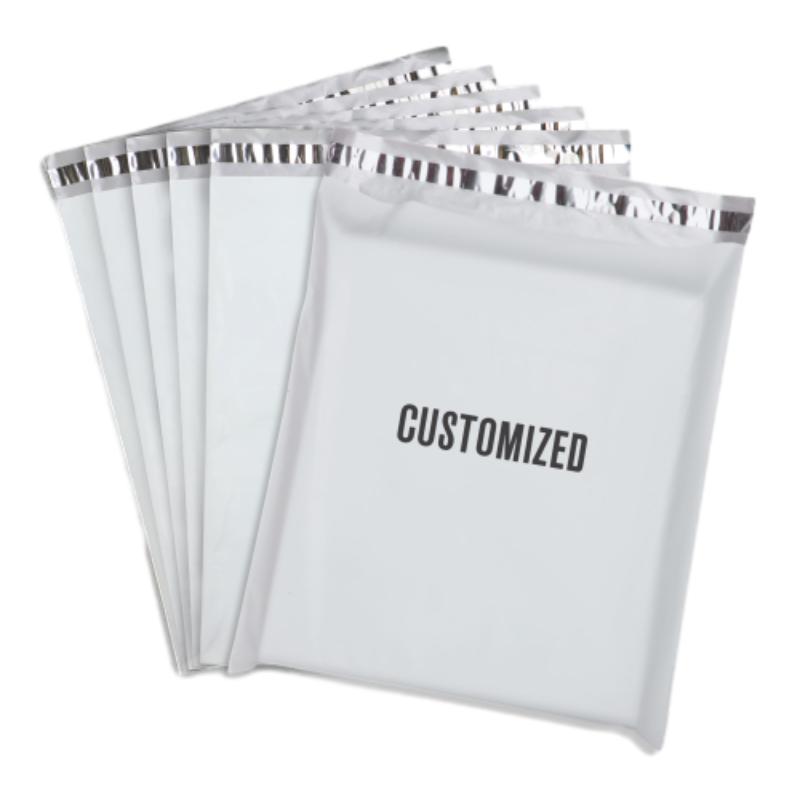
Simply put, these are high-quality, oversized plastic bags designed to securely hold and transport goods. Usually made from durable polyethylene or polypropylene films, often laminated for tear resistance and water proofing, they're optimized for parcels that are too big for regular mailers but don't justify a box. In humanitarian sectors, for example, they can hold important documents or medical supplies that need quick, dry transport to remote locations. Industrially, they ship items like textiles, manuals, electronics, or promotional materials, offering a balance between protection and cost. ---Durability—Built to Withstand Rough Handling
Durability is paramount: these envelopes resist tears, punctures, and leaking, often sealed with strong adhesive strips that survive automated sorting machinery. Many models meet ASTM standards for tensile strength, meaning they can handle multiple trips without damage. ---Water Resistance—Keeping Contents Dry Through the Worst
Plastic envelopes excel where moisture is a risk: rain, humidity, accidental spills. This makes them ideal for postal systems working in tropical climates or disaster zones, protecting contents that paper envelopes or flimsy plastics just can’t. ---Size Versatility—Accommodating Odd Shapes and Large Volumes
Large plastic shipping envelopes come in a variety of sizes, often custom manufactured. This adaptability means they can snugly fit products ranging from bulky catalogs to small electronics, cutting down on empty space and padding needs. ---Cost Efficiency—Shipping That Doesn’t Break the Bank
Compared to boxes, these envelopes weigh much less and usually cost less to produce, which lowers shipping fees and storage costs. Their disposability and recyclability further enhance value, especially for high-volume e-tailers or aid organizations distributing large quantities. ---Environmental Considerations—Working Toward Sustainable Solutions
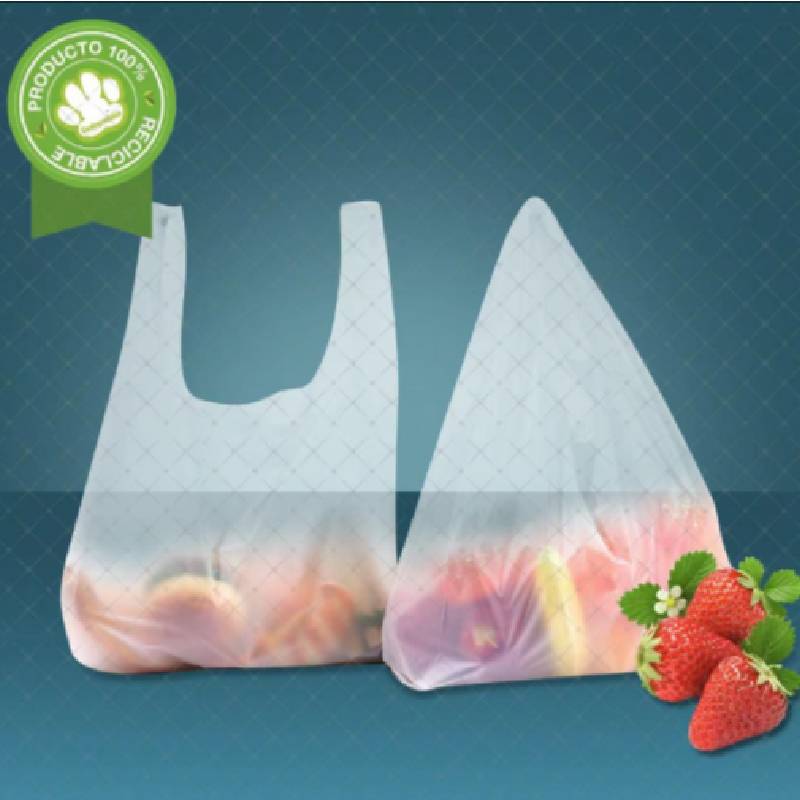
While plastic packaging sometimes gets a bad rap, newer envelopes are increasingly made of recyclable or even biodegradable plastics. In fact, many companies participate in post-consumer recycling programs or use materials certified to ISO 14001 environmental standards. ---Real-World Applications of Large Plastic Shipping Envelopes
From sprawling warehouses in North America to teeming supply hubs in Southeast Asia, these envelopes find their way across industries and regions: - E-commerce giants: Amazon and Alibaba sellers package non-fragile goods in large poly mailers for fast, low-cost shipping. - NGOs and humanitarian agencies: In post-disaster zones like Bangladesh or Haiti, plastic envelopes protect essential documents and medical supplies from damp or muddy conditions. - Pharmaceutical distributors: For bulky brochures and sample kits sent swiftly yet securely. - Textile industry: Sending apparel prototypes and promotional materials worldwide with minimal weight. One interesting use case: during wildfire evacuations in Australia, relief organizations shipped vital personal documents sealed inside large plastic envelopes, preventing damage and loss amid chaotic conditions. It's a small detail with big peace-of-mind value. Mini Takeaway: These shipping envelopes aren’t just packaging—they’re tools of global commerce and humanitarian relief, often unsung but indispensable. ---The Advantages and Long-Term Value of Using Large Plastic Shipping Envelopes
On the face of it, these envelopes offer: - Cost savings on both shipping and materials. - Environmental benefits through lower resource use and better recyclability. - Improved security against damage and tampering. - Ease of handling for packers and shippers alike. But beyond that, there’s an emotional element: the safety and dignity of a parcel arriving in good condition, whether it’s a business contract or emergency supplies. Innovation here builds trust—something customers, retailers, and NGOs prize alike. ---Product Specification Table
| Specification | Typical Range | Notes |
|---|---|---|
| Material | High-density polyethylene (HDPE) or Polypropylene (PP) | Water-resistant, tear-resistant |
| Size (L x W) | 12" x 15" up to 24" x 30" | Custom sizes available |
| Thickness | 2 to 4 mil (0.05 – 0.1 mm) | Balances strength & flexibility |
| Closure | Self-adhesive peel-strip or heat seal | Tamper evident options |
| Environmental | Recyclable or compostable materials | ISO 14001-certified manufacturers |
How Do Different Vendors Stack Up?
| Vendor | Material Options | Customization | Eco Credentials | Price Tier |
|---|---|---|---|---|
| Liya Biobag | HDPE, Biodegradable blends | Wide, including custom sizes & prints | ISO 14001 certified | Mid-range |
| PolyPack Corp. | HDPE, LDPE | Standard sizes only | Limited eco options | Lower-end |
| EnviroPack Ltd. | Compostable, recycled plastics | Custom prints available | Strong eco-focus | Premium |
Looking Ahead: Emerging Trends and Innovations
The future isn’t just “more plastic.” We’re seeing exciting shifts: - Biodegradable and compostable polymers are cutting reliance on fossil-fuel plastics. - Smart packaging featuring QR codes embedded right into the envelope surface for seamless tracking. - Automated production lines speeding custom orders in hours instead of weeks. - Circular economy models encouraging collection and recycling, often incentivized by governments and NGOs. Interestingly, as energy concerns rise, manufacturers in Europe and Asia are adopting solar-powered factories to produce these envelopes sustainably, blending digital transformation with green tech. ---Common Challenges and How to Overcome Them
Despite benefits, there are bumps: - Material waste and landfill concerns persist. - Recycling infrastructure varies sharply by region, sometimes limiting effectiveness. - Fraud and tampering incidents demand tamper-evident seals, which add costs. Experts often recommend: - Partnering with certified return-and-recycle programs. - Designing multi-layer envelopes that maintain protection but simplify recycling. - Educating customers on correct disposal methods. It’s a juggling act but far from impossible. ---FAQs About Large Plastic Shipping Envelopes
Q: How do large plastic shipping envelopes compare against boxes for shipping?A: Envelopes are lighter and usually cheaper to ship, particularly for less fragile or soft items. They reduce bulk and avoid excess packaging, but boxes still win for heavy or breakable goods. Q: Are these envelopes recyclable?
A: Many are recyclable if collected properly—those made from HDPE or PP are often accepted in curbside programs. Compostable variants provide alternatives, but local facilities must support them. Q: Can I customize large plastic shipping envelopes?
A: Absolutely. Vendors like Liya Biobag offer custom sizes, prints, and security features, tailoring batches to brand needs or special use cases. Q: How long do large plastic shipping envelopes last in storage?
A: Stored in dry, cool conditions, envelopes retain integrity for years, although adhesives can weaken over time. Generally, 1-2 years is common before resealing is necessary. Q: What industries benefit most?
A: E-commerce, pharmaceutical, textile, logistics, and humanitarian aid sectors, among others. Anywhere low-cost, water-safe packing is needed, these envelopes shine. ---
Wrapping Up: Why These Envelopes Continue to Signify Smart Shipping
So, next time you receive a package that feels surprisingly light yet secure, odds are a carefully engineered large plastic shipping envelope did the trick. Their blend of durability, cost efficiency, and environmental strides means they’ll probably be a staple of global logistics for years. Interested in exploring options? Visit our website for a closer look at size ranges and sustainable solutions. ---References & Further Reading
Latest news
-
Secure Shipping Guide with Poly Mailer Bubble Wrap SolutionsNewsApr.16,2026
-
Secure Shipping Guide for Using Durable Bubble Parcel BagsNewsApr.09,2026
-
Comprehensive Guide to Poly Mailer Bubble for Secure and Efficient ShippingNewsApr.07,2026
-
Elevate Your Brand with Custom Designer Bubble Mailers for Effective PackagingNewsApr.04,2026
-
Comprehensive Guide to Poly Mailers with Bubble Wrap for Secure ShippingNewsMar.31,2026
-
Comprehensive Guide to Large Bubble Poly Mailers for Secure and Efficient ShippingNewsMar.28,2026
Latest Products
-
Have the freedom of customizing your custom mailers any way you want! Our dedicated packaging support will help deliver you the mailing experience you need to elevate your shipping experience to the next level! Start making a strong impression on your customers and stand out from your competitors! -
LIYA uses high quality raw materials which directly purchased from large enterprises domestic and overseas such as PetroChina, Sinopec, Sabic, Equate, ExxonMobil, Dow Chemical, Total, and Borouge, ensuring the price advantage and quality of the raw materials. -
LIYA uses high quality raw materials which directly purchased from large enterprises domestic and overseas such as PetroChina, Sinopec, Sabic, Equate, ExxonMobil, Dow Chemical, Total, and Borouge, ensuring the price advantage and quality of the raw materials.
 English
  Arabic
  China
China  French
  Korean
  Russian
  Spanish